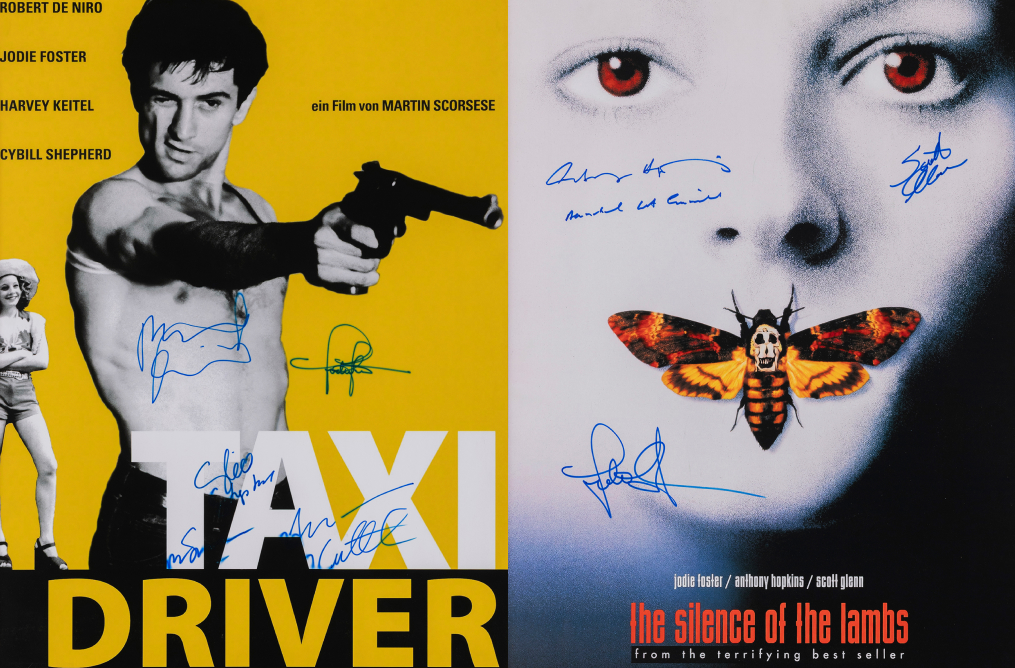
There are movies that remain part of our memory long after the final credits roll. A scene, a face, a line, or a soundtrack can linger for decades. But there’s a particularly tangible way to preserve that connection to cinema: collecting movie posters—and when they’re autographed by the stars or creators, turning them into one-of-a-kind pieces of film memorabilia.
Far from being a mere memento for fans, the signed movie poster lies at the intersection of popular culture, film history, and collecting. A single piece brings together the image that defined a film, the physical presence of the person who helped make it possible, and the historical significance of a film that, in many cases, is already part of the collective imagination.
From cinema as an experience to cinema as an object
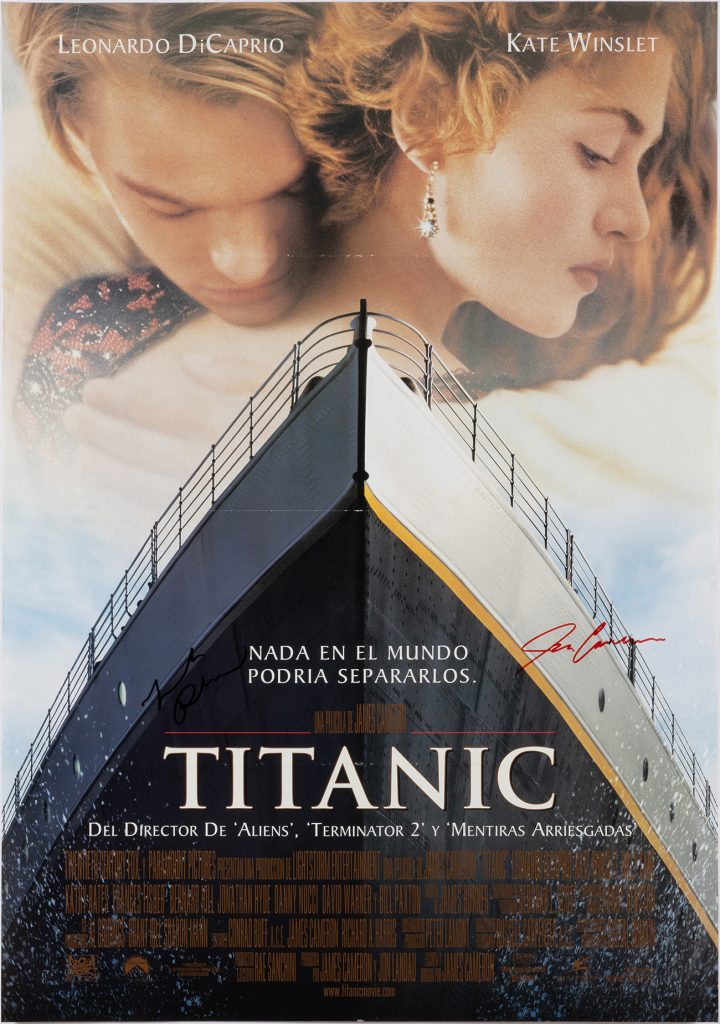
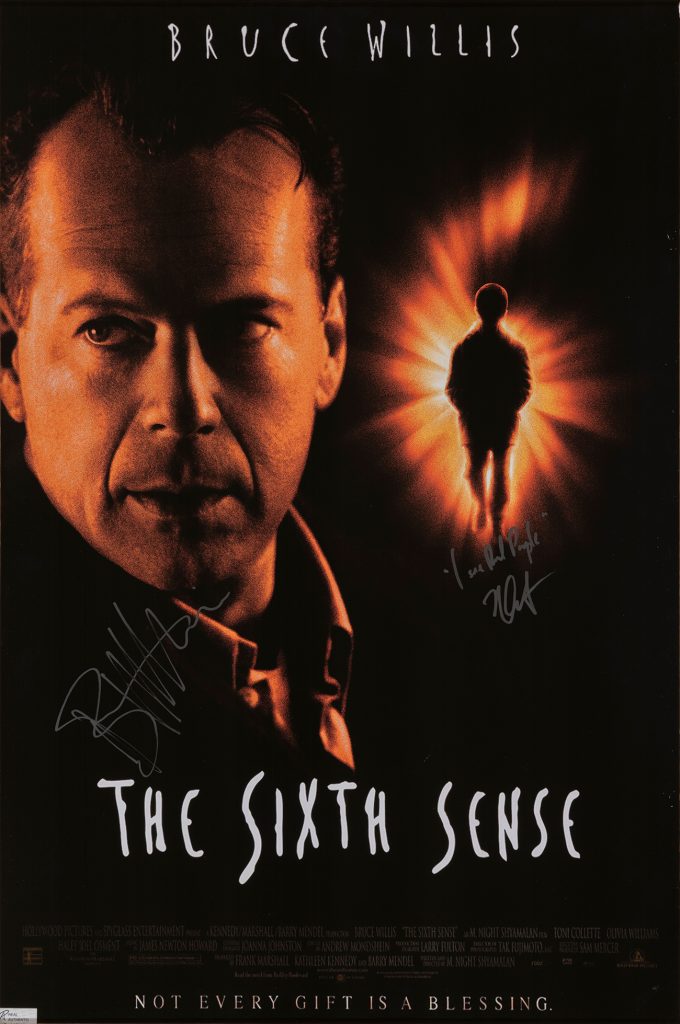
Movie posters were created to attract audiences. Before entering a theater, it was the poster’s image that was meant to pique their curiosity and encapsulate, in just a few centimeters, the entire world of a film.
Over time, many of these designs have taken on a life of their own. Film graphics have produced some of the most recognizable images in 20th- and 21st-century visual culture: the faces of actors who have become icons, compositions that have become etched in our memory, and titles whose typography alone is enough to evoke a particular era.
When the protagonist himself signs that movie poster, the nature of the object changes. It is no longer merely a reproduction associated with a film, but a tangible testament to the relationship between the film and those who made it possible.
That is precisely where one of the great appeals of collecting autographed movie posters lies.
A collection that brings together generations of cinema
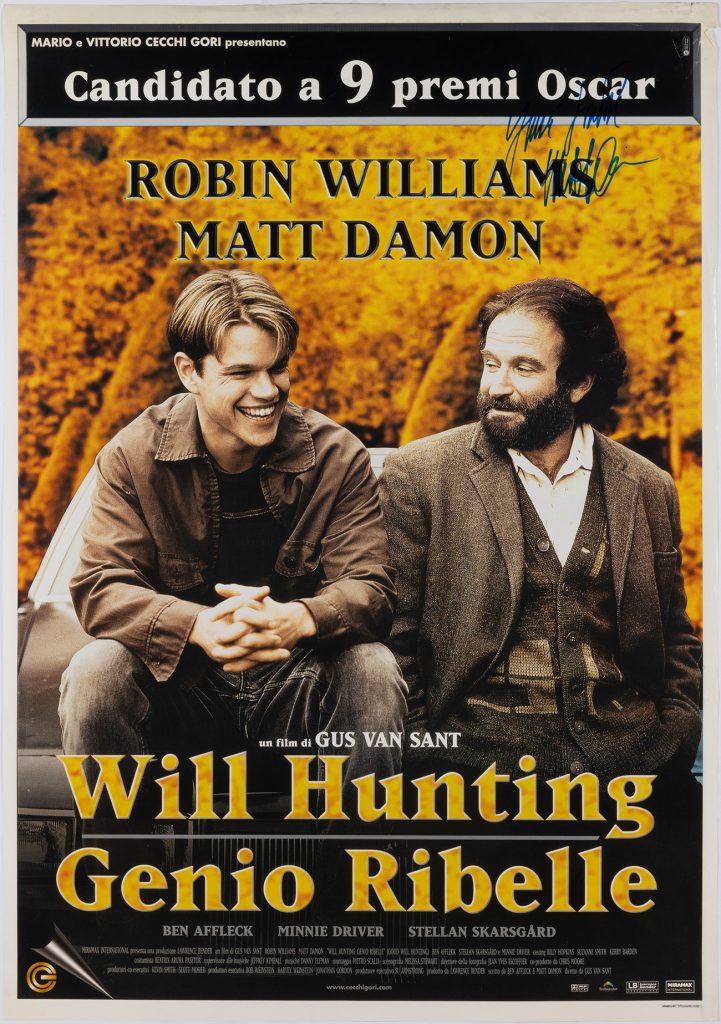
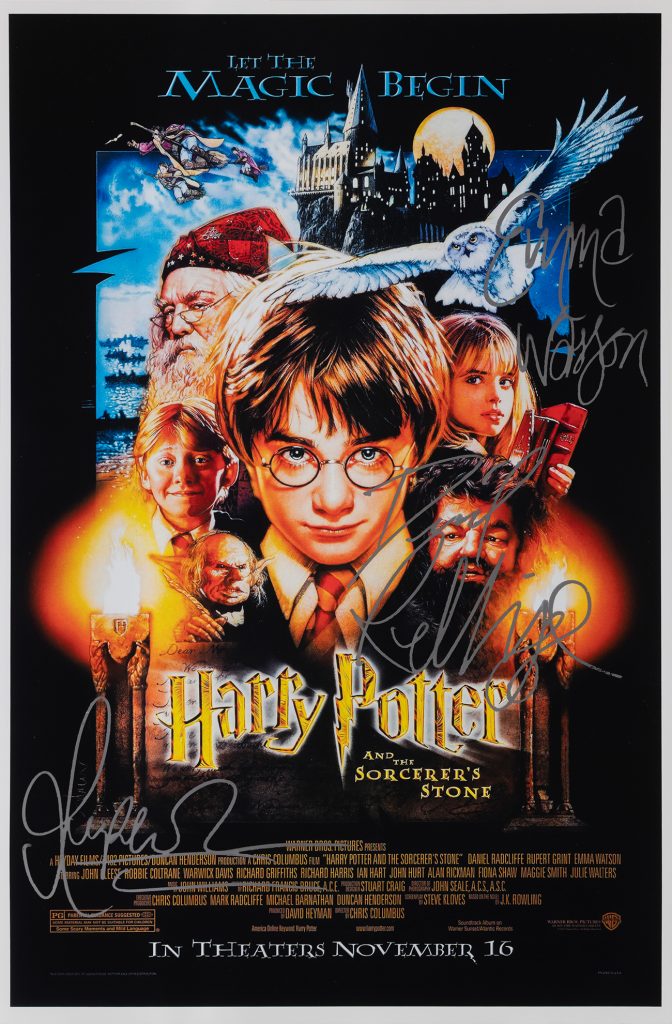
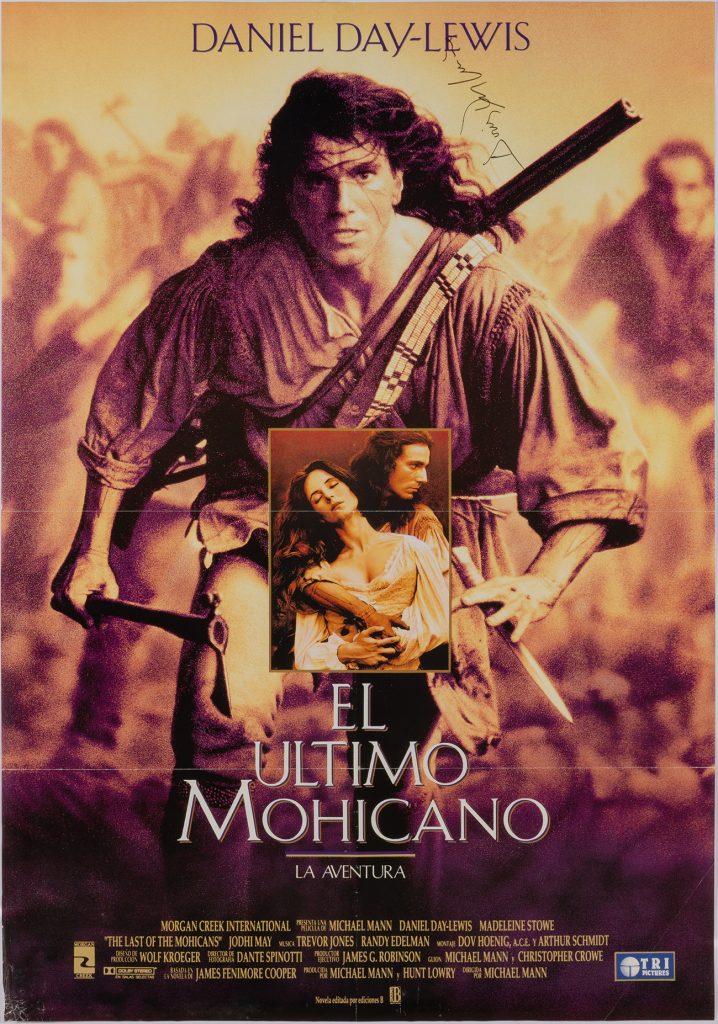
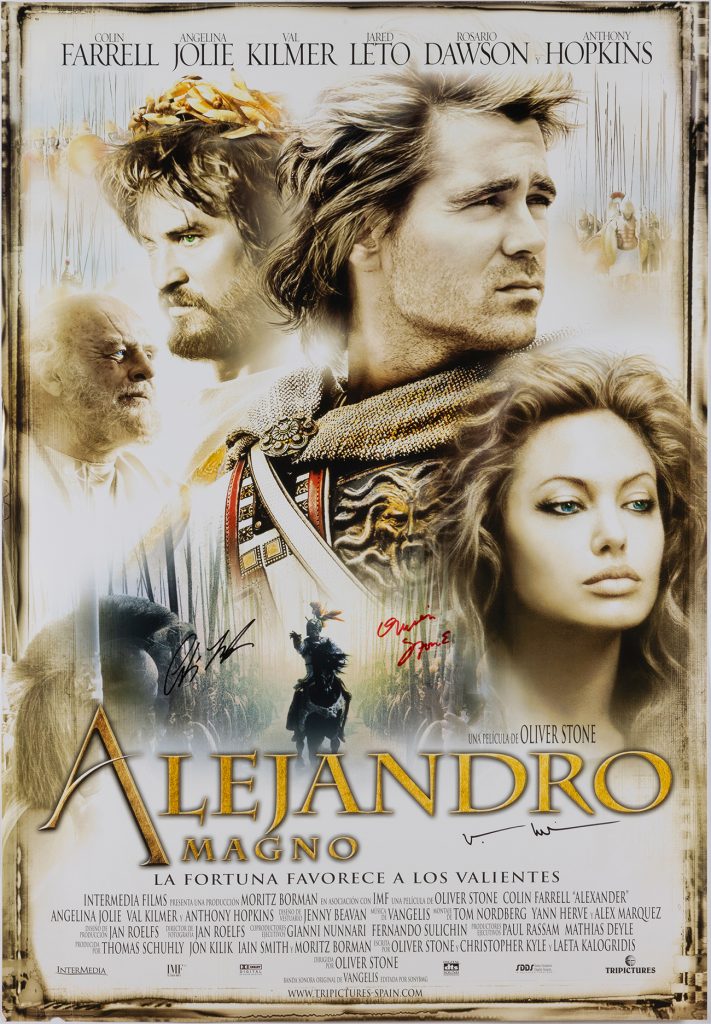
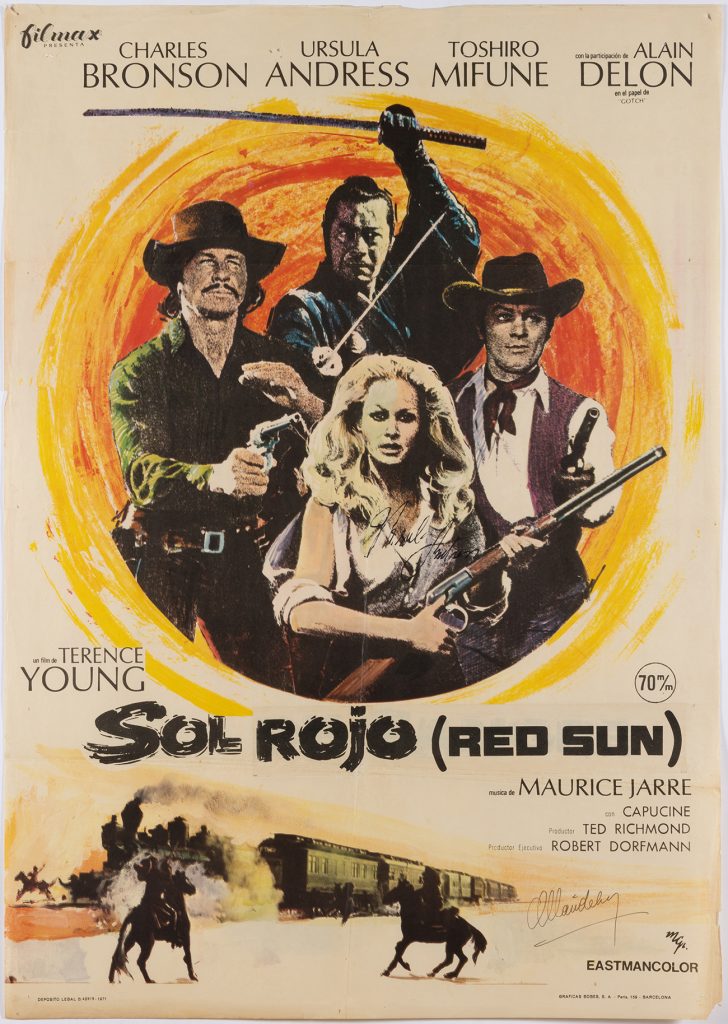
The selection presented by Setdart on September 17 offers a journey through different eras and genres in the history of cinema as seen through its leading actors. The auction features movie posters signed by stars such as Robert De Niro, Jodie Foster, Martin Scorsese, Anthony Hopkins, Leonardo DiCaprio, Daniel Radcliffe, Emma Watson, Rupert Grint, Sophia Loren, Charlton Heston, Daniel Day-Lewis, and Pedro Almodóvar, among many others.
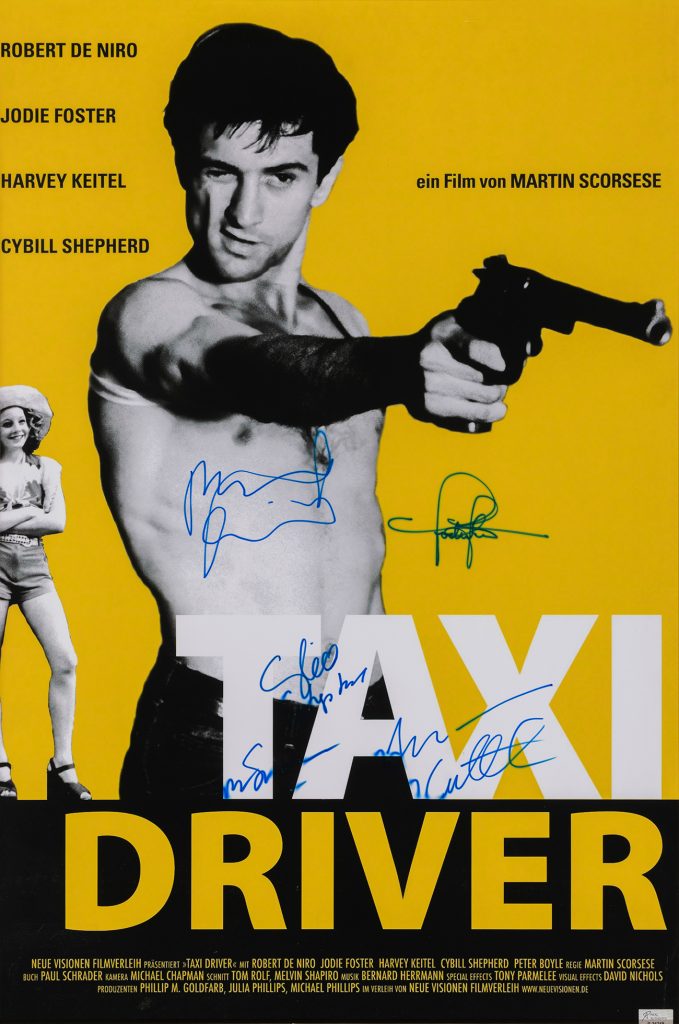
Among the highlights is the poster for Taxi Driver (1976), signed by Robert De Niro, Martin Scorsese, Jodie Foster, Harvey Keitel, and Cybill Shepherd. The joint appearance of several of the film’s leading stars makes this poster a particularly representative piece of one of the seminal films of 1970s American cinema.
Also particularly appealing is the poster for the film El Cid (1961), starring Charlton Heston and Sophia Loren, two of the great Hollywood stars of the era. In this case, the piece brings together on a single canvas the leads of a historical blockbuster that is part of international cinematic history.
The list continues with films such as The Last of the Mohicans, starring Daniel Day-Lewis; The Silence of the Lambs, starring Anthony Hopkins, Jodie Foster, and Scott Glenn; The Sixth Sense, starring Bruce Willis and Haley Joel Osment; and Titanic, starring Leonardo DiCaprio and directed by James Cameron.
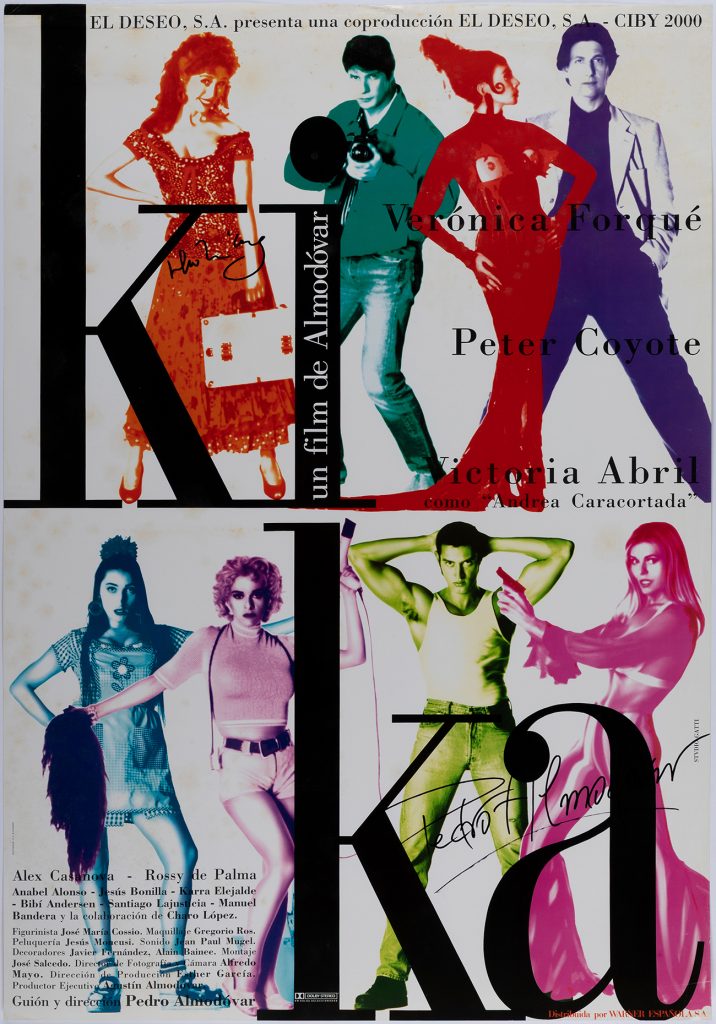
Alongside these are works related to Spanish cinema, featuring pieces by Pedro Almodóvar, Javier Bardem, Penélope Cruz, Antonio Banderas, Ana Belén, Victoria Abril, Francisco Rabal, Concha Velasco, and Lina Morgan, among others. The collection thus also takes on a documentary dimension: it allows visitors to explore different generations of actors and directors while, at the same time, observing how cinema itself has evolved.
What makes a signed movie poster interesting?

As is the case in other areas of collecting, there is no single factor that determines a piece’s value. Signed movie posters combine various elements.
The significance of the film is, of course, one of the primary factors. An internationally recognized title, a cult classic, or a particularly significant work in a director’s or actor’s career can increase the item’s appeal.
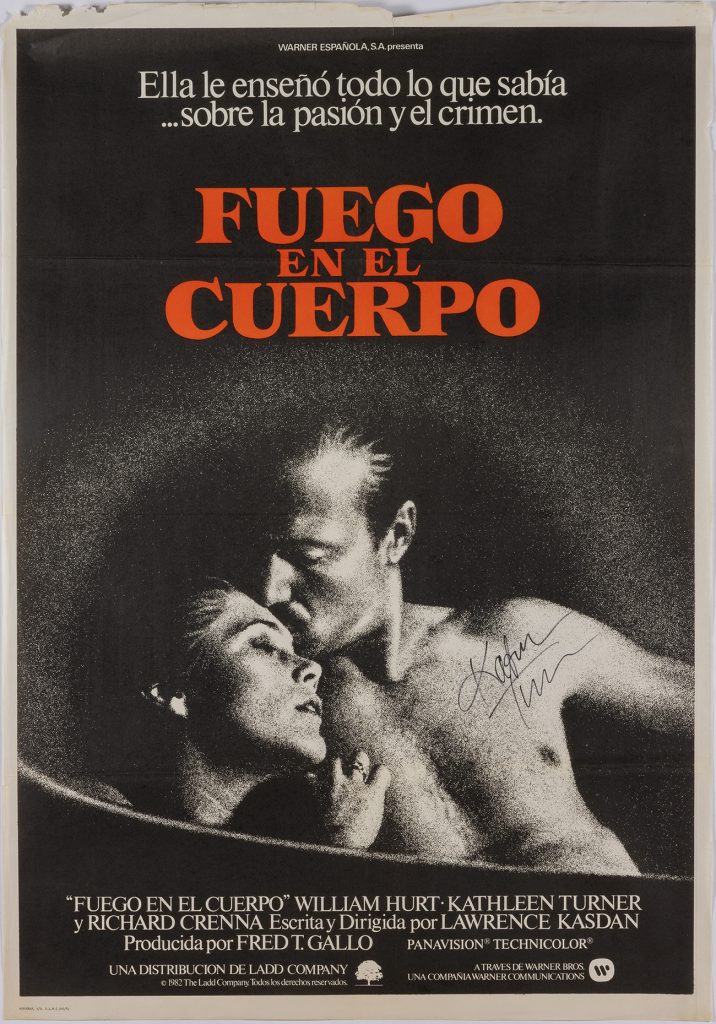
Who signs the movie poster is also crucial. The signature of a supporting actor does not carry the same significance as that of the lead actor, the director, or several prominent cast members. Multiple signatures can also add a particularly interesting dimension when they bring together the key contributors to a film.
Another element is the relationship between the signature and the image itself. When the autograph is visually integrated into the movie poster, the result can take on considerable aesthetic power. The signature ceases to be an added element and becomes part of the composition.
Added to this are factors such as the item’s condition, format, rarity, available documentation, and, especially, the provenance or authenticity of the signature.
Collecting mementos that are part of our memories
Perhaps one of the greatest appeals of this type of collecting is its ability to connect the object with a personal experience.
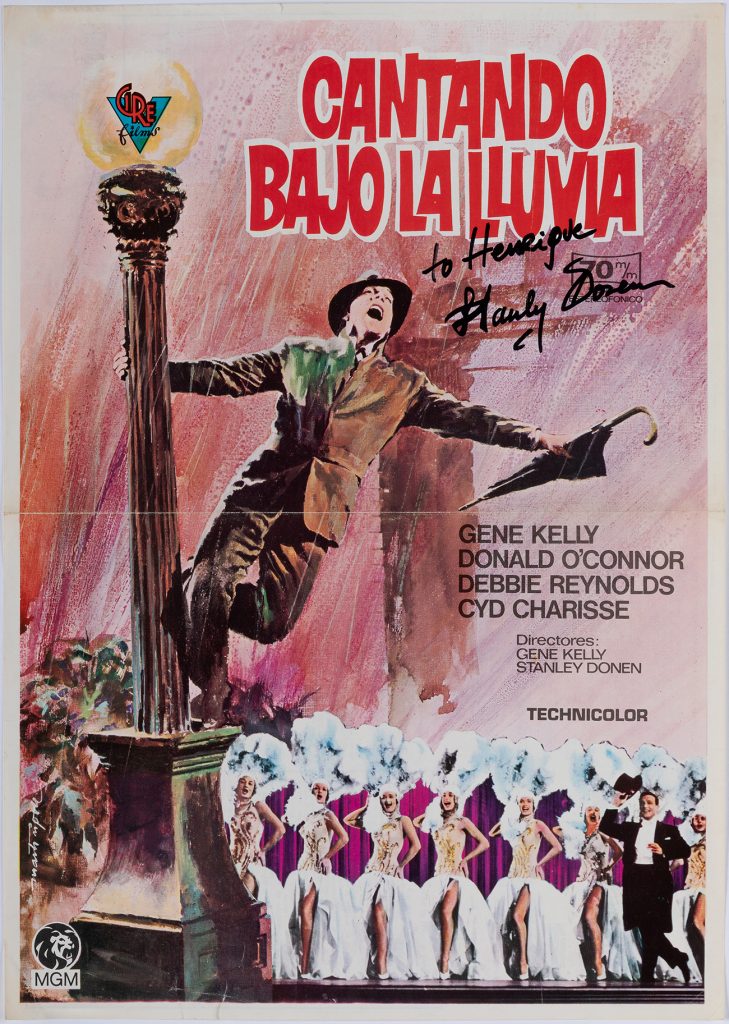
For one viewer, Titanic may evoke a movie seen in the theater during adolescence. For another, Taxi Driver represents a particular era in the history of cinema. Harry Potter may be associated with an entire generation of viewers, while El Cid or Singin’ in the Rain allow us to recall a Hollywood that no longer exists.
A collector does not simply acquire an image. He or she acquires a physical object associated with a story that he or she recognizes and that is part of his or her own cultural imagination.
And this emotional dimension goes a long way toward explaining the interest in film memorabilia: these are objects that allow a hobby to become a collection and a movie to become something that can be preserved, admired, and passed on.
A New Approach to Collecting
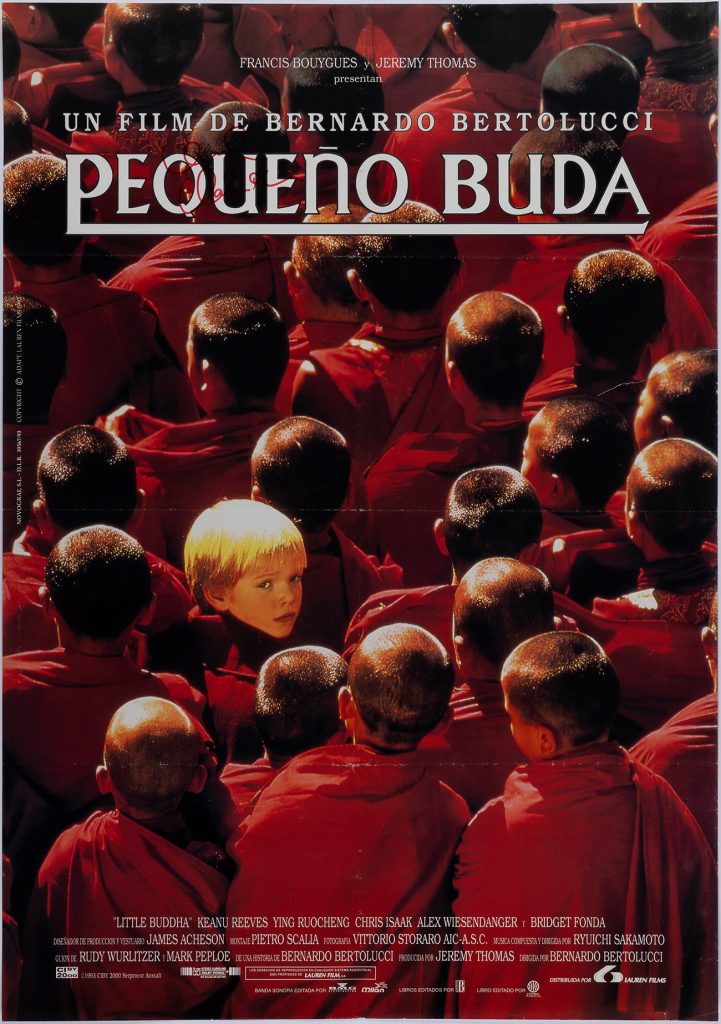
The appeal of autographed movie posters lies, ultimately, in their hybrid nature. They are pieces of popular culture, historical documents related to the history of cinema, personal mementos, and collectibles all at once.
Its accessibility is also one of its greatest attractions. Compared to other areas of collecting, film memorabilia allows you to start with items in different price ranges and gradually build a collection centered on a specific actor, director, franchise, era, or genre.
A collector may choose to collect only Hitchcock posters, focus on the great stars of classic Hollywood, seek out directors’ signatures, follow the career of a specific actor, or build a broad-ranging collection that spans several generations.
There is no single way to collect films. There is, however, a very special way to preserve them.
A Journey Through Film History
The Collection of Autographed Iconic Movie Posters presented by Setdart brings this diversity together in an auction to be held on Thursday, September 17, at 4:30 p.m. CEST. From great classics to contemporary hits, these pieces offer a different perspective on cinema: not from the screen, but through the objects that have accompanied and shaped its imagery.
If you liked this article, you may also be interested in: