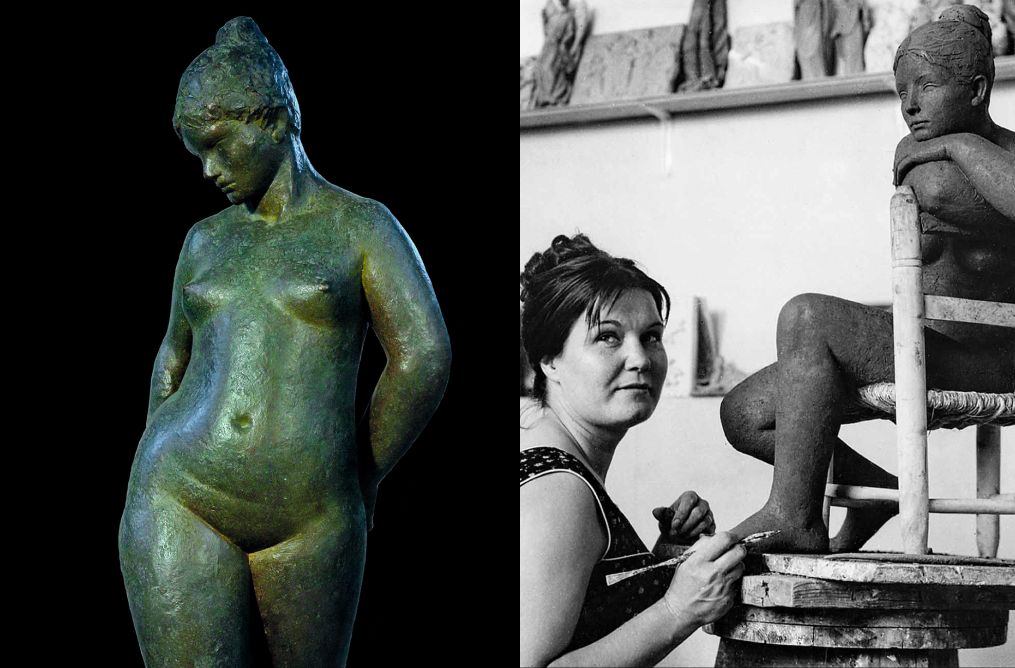
The figure of Luisa Granero today requires a more attentive and vindictive reading within the history of art in Spain. Her career not only stands out for the solidity of her work within Spanish sculpture, but also for her decisive role in the opening of institutional spaces for women in a traditionally exclusive field. Reviewing the legacy of Luisa Granero is not only a historiographical exercise: it is to recognize the power of her artistic voice and her contribution to the transformation of a traditionally patriarchal cultural system.
Here are five axes to understand the depth of its importance:
Luisa Granero: training and consolidation in a restrictive context
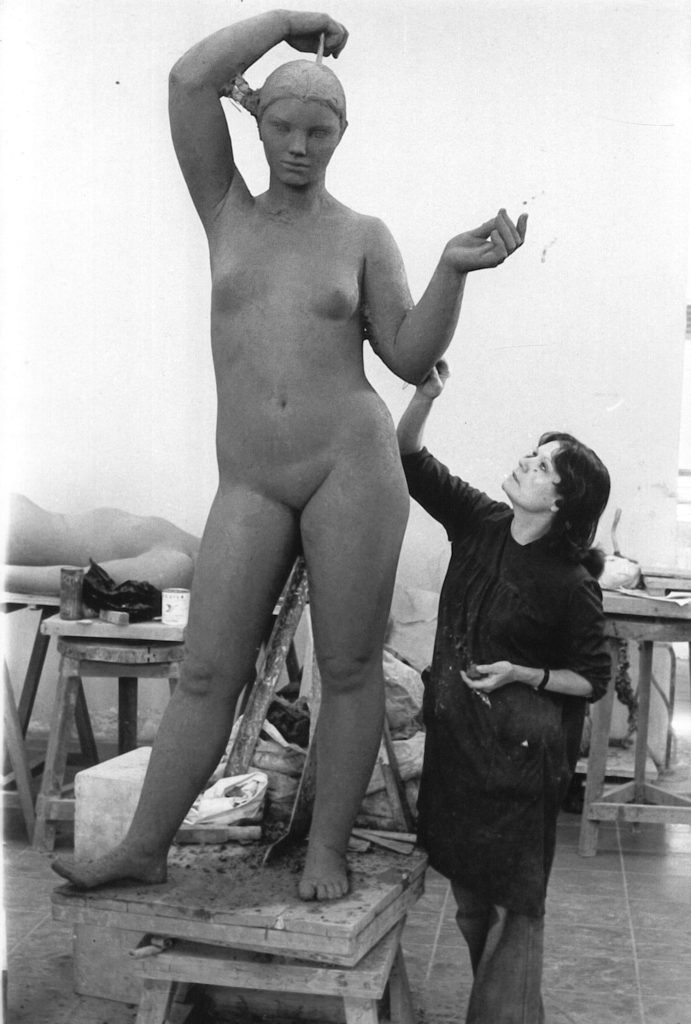
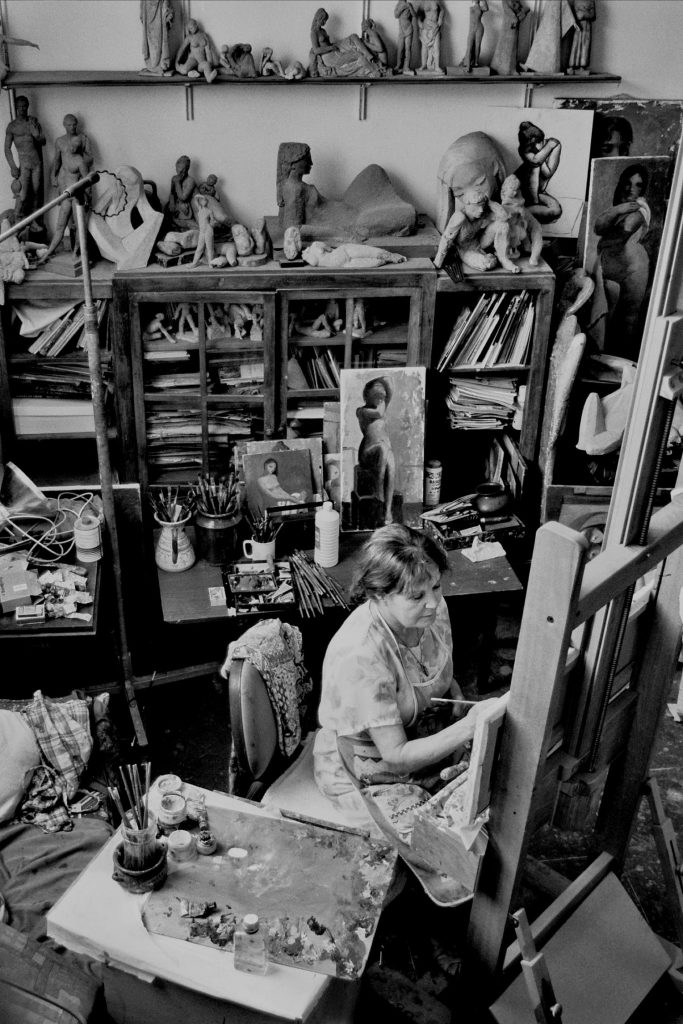
Luisa Granero trained at the Royal Academy of Fine Arts of San Fernando, one of the most prestigious art institutions in Spain, at a time when the presence of women in this type of space was still very limited. This context not only implied a high technical demand, but also the need to overcome social and cultural barriers that hindered the recognition of women sculptors.
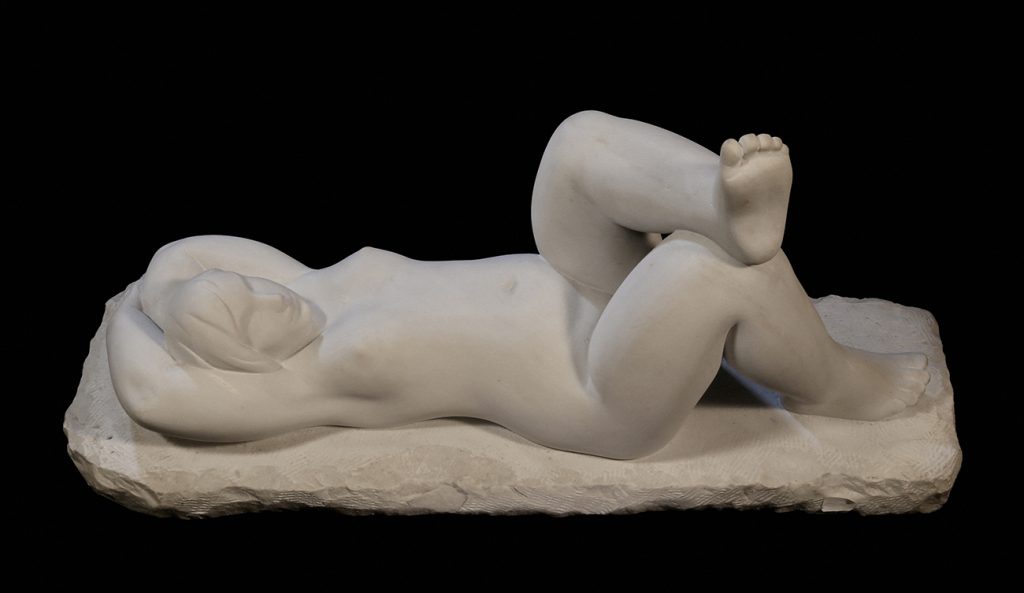
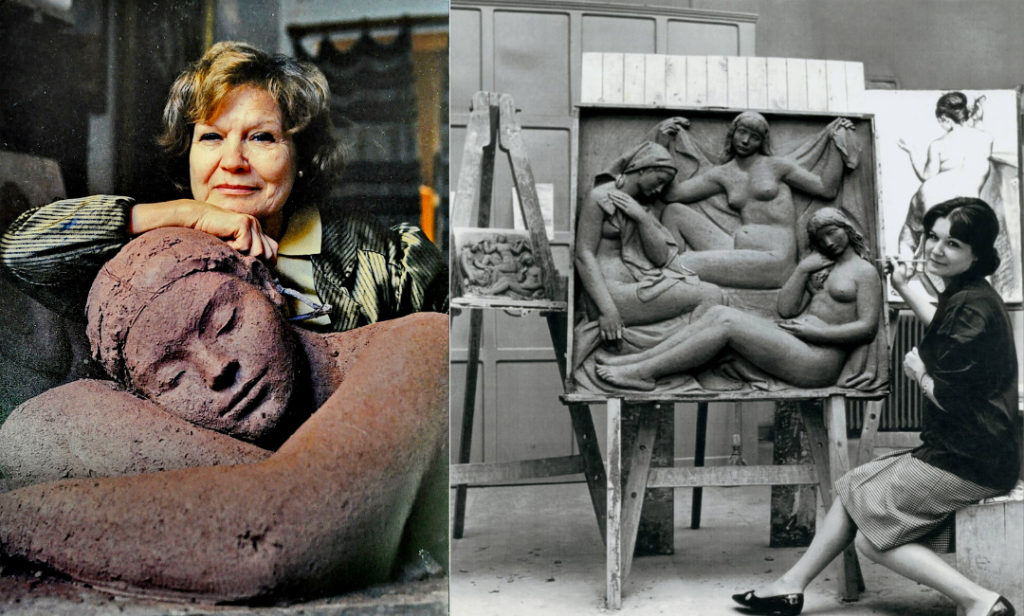
Before consolidating her career as a sculptor, Granero worked as a model, an experience that was decisive in her training. The direct contact with the creative process from that position allowed her to understand in depth the representation of the human body, as well as the dynamics of the artistic workshop. In fact, in her beginnings she used her own body as a learning tool, studying volumes, proportions and postures from a practical and self-taught perspective that reinforced her anatomical mastery.
Figuration as an act of resistance and reflection
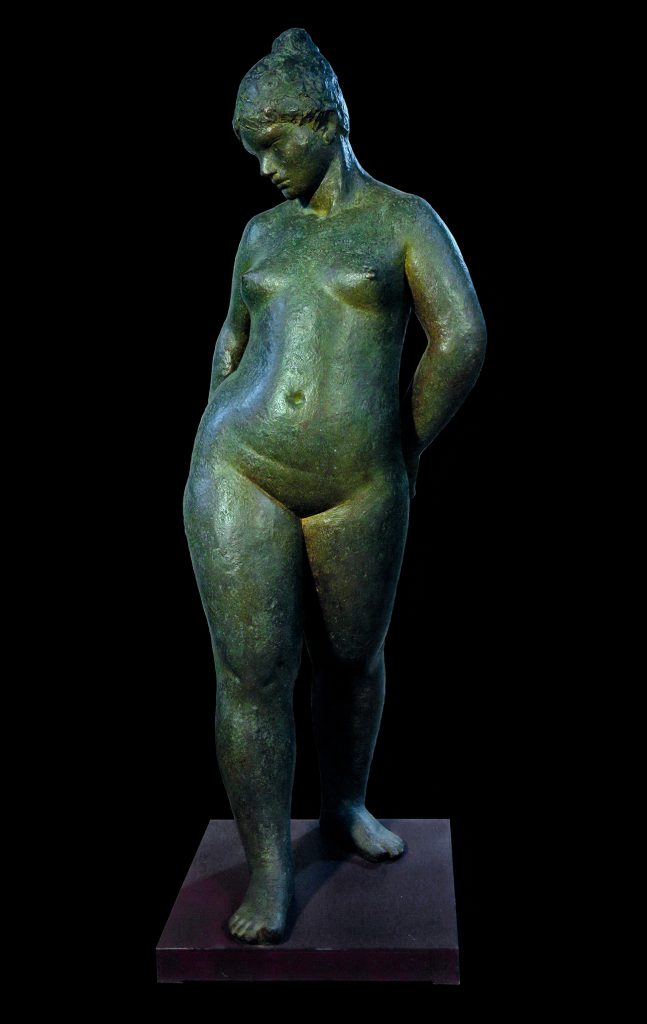
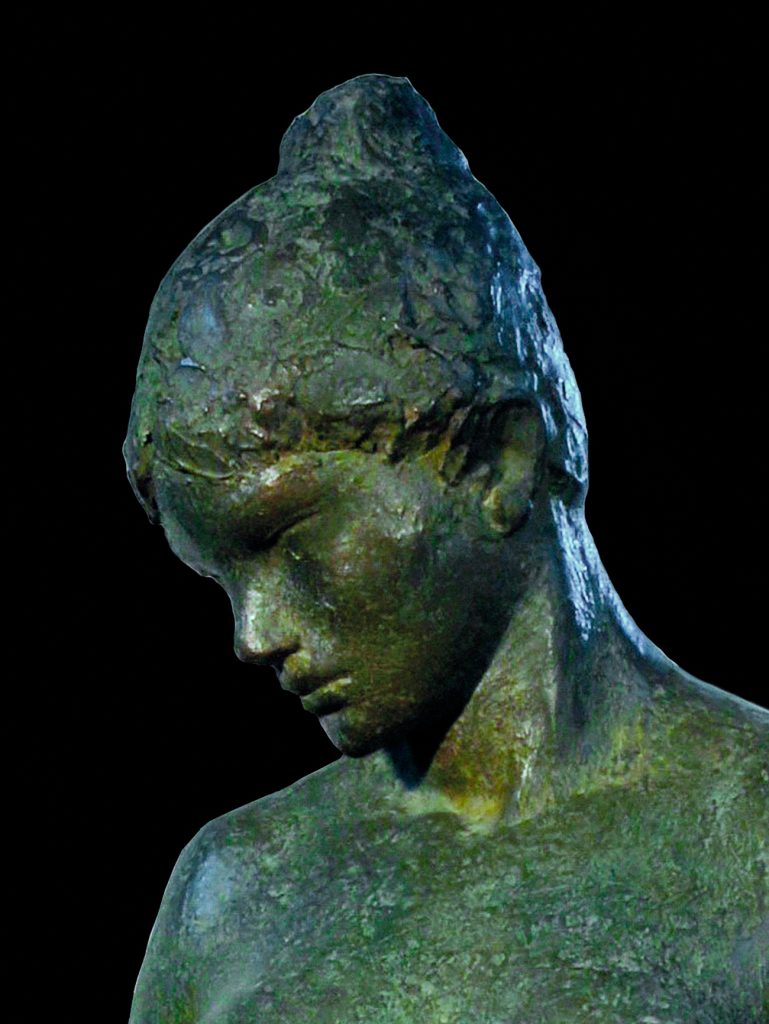
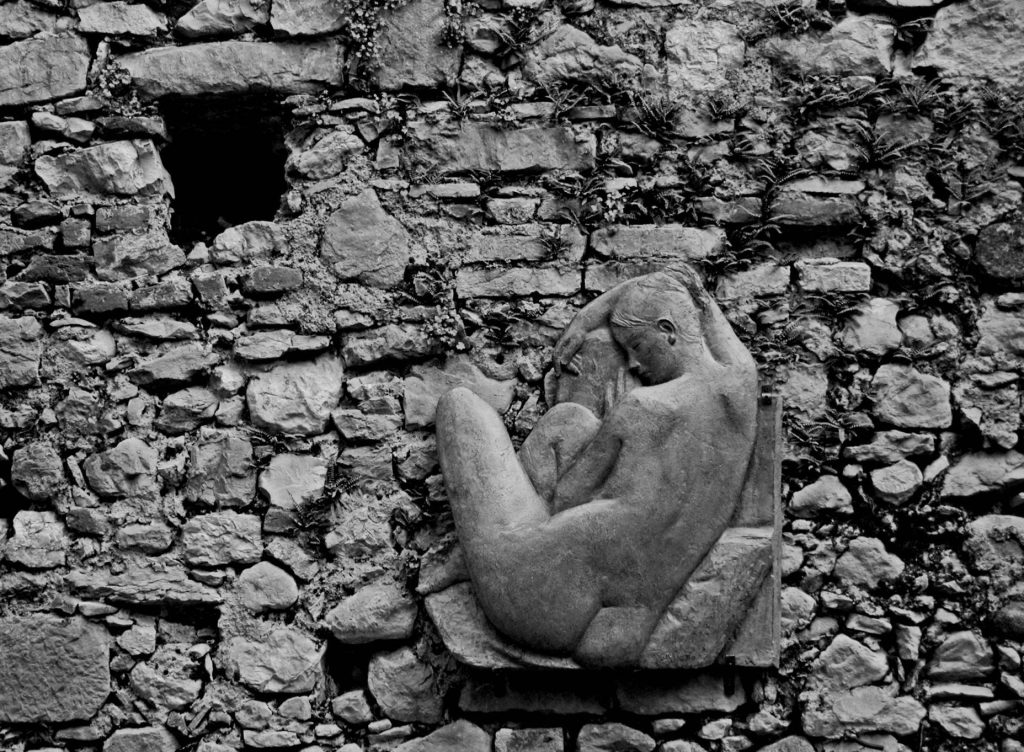
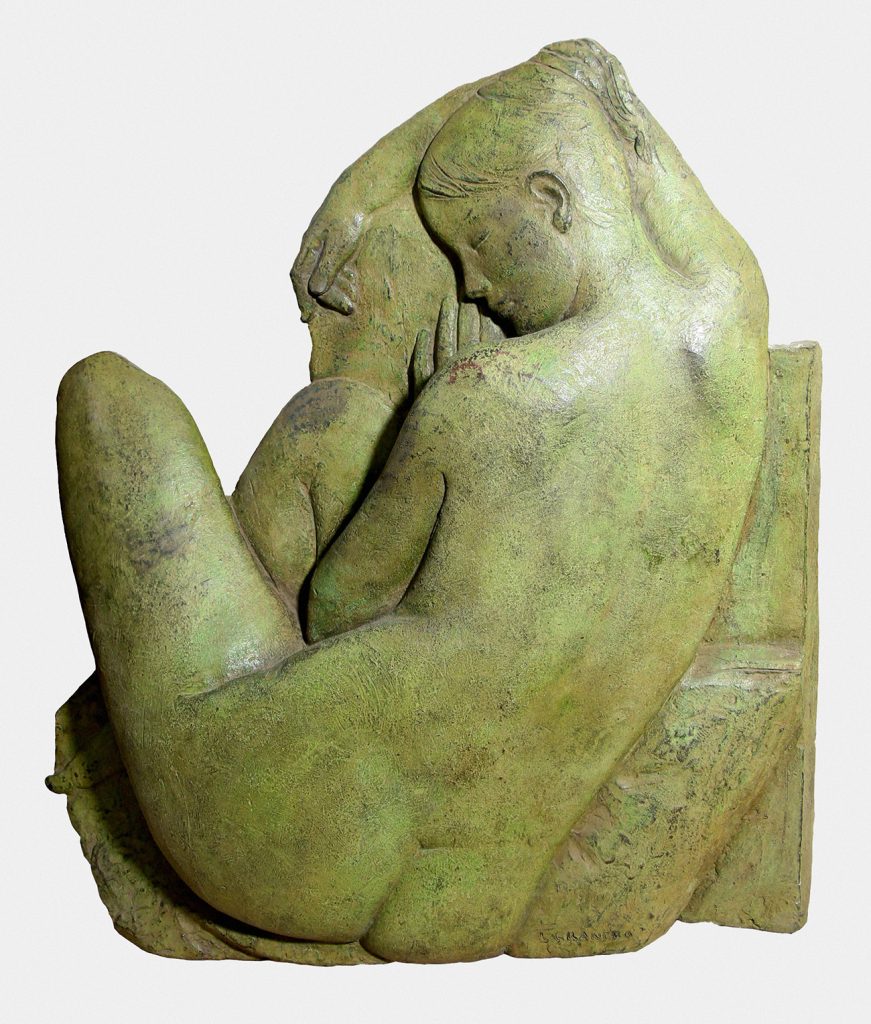
At a time when abstraction and avant-garde trends were gaining prominence, Luisa Granero sustained a conscious figuration, charged with meaning. Her sculptures of maternities, portraits and introspective figures not only show anatomical rigor, but also convey emotion and psychological tension. Maintaining figuration was a critical decision: a commitment to tradition that, reinterpreted from Luisa Granero’s point of view, becomes a contemporary and profoundly expressive language within Spanish sculpture.
Luisa Granero: institutional pioneer and model of female visibility
Her admission as the first woman sculptor at the Royal Academy of Fine Arts of San Fernando was not a symbolic gesture: it implied recognition, responsibility and the ability to influence the institution. This milestone opened a tangible path for other artists, challenging historically male power structures and legitimizing the female presence in the academic and curatorial sphere. In this sense, Luisa Granero consolidates herself as a key figure in 20th century Spanish sculpture.
Public sculpture and dialogue with society
Luisa Granero understood sculpture as a means to interact with the city and its public. Through monumental commissions and works installed in urban spaces, her work establishes a direct dialogue with the community. This public dimension not only reaffirms her technical mastery on a large scale, but also projects her artistic vision beyond the academic sphere, consolidating Luisa Granero’s work within the cultural imaginary of Spanish sculpture.
Critical legacy and historical recovery
Despite her relevance, Luisa Granero’s recognition has historically been limited, reflecting gender biases in Spanish art historiography. A contemporary review of her work allows us to appreciate her contribution not only aesthetically, but also politically and socially. Her figure stands as an obligatory reference to understand the transition of Spanish sculpture in the 20th century: between the academic tradition and a conscious, feminine and critical modernity.
Luisa Granero represents a paradigmatic example of how artistic excellence and the vindication of female visibility can converge. Her work and career not only enrich the history of Spanish sculpture, but also open a space for reflection on the processes of recognition and legacy in Spanish art.
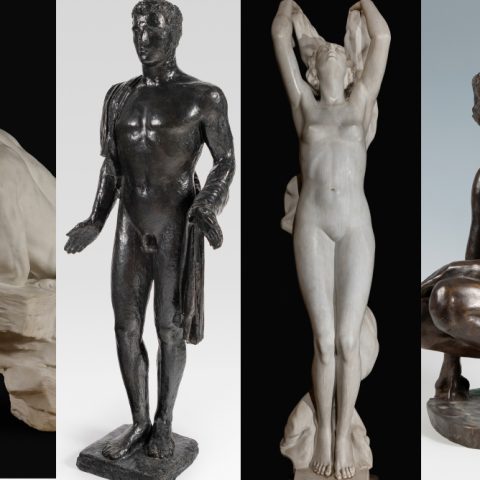
Do you own a collection or a group of 19th-century sculptures and are you considering selling them? At Setdart, you can request a free and confidential valuation, and one of our specialists will get in touch with you.
If you liked this article you may also be interested in: