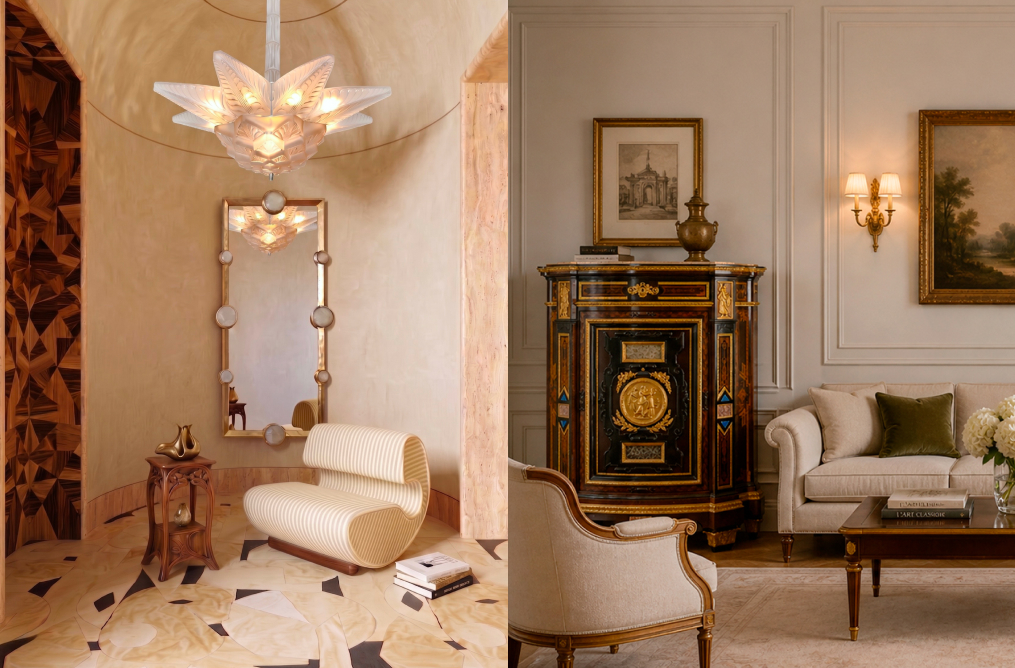
Contemporary interior design is undergoing a true metamorphosis through a nostalgic look at the past. After years of dominance of monochromatic minimalism and excessively industrial lines, current aesthetic trends are looking back to history to recover the opulence, texture and uniqueness of golden ages. Today, homes are looking for their own identity, and eclecticism prevails, combining the avant-garde with soulful antiques. It is precisely in this scenario where decorative trends of a historical nature return with unusual force to living spaces.
For those wishing to incorporate these currents into their homes, the upcoming Decorative Arts and Oriental Art auction on May 27 at Setdart presents the perfect opportunity. This key event will bring together an exceptionally curated selection of exclusive pieces, destined not only to immediately elevate the atmosphere of any interior, but also to stand as solid investments for the future due to their undisputed heritage value.
Geometric and organic elegance: the rebirth of glass and forging
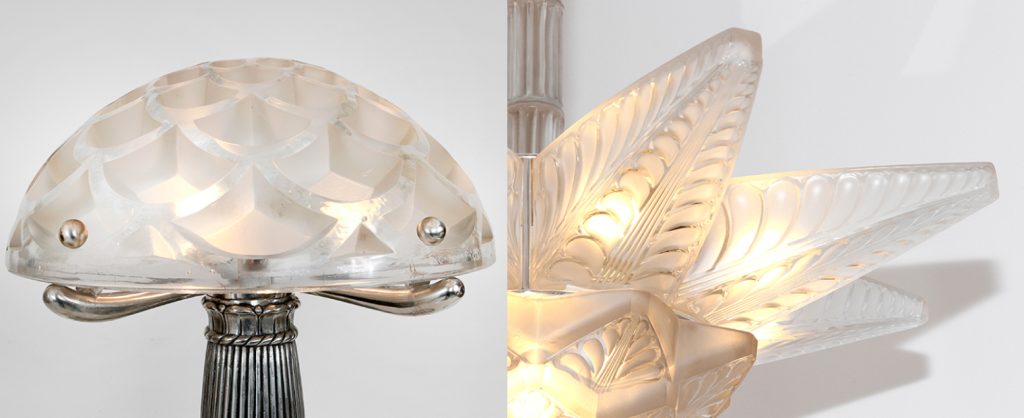
One of the great current decorative trends is the symbiosis between the emphatic geometries of Art Deco and organic lines directly inspired by nature, characteristic of Art Nouveau. In this aesthetic, the name of René Lalique stands out as the great master glassmaker. With nature as his greatest muse – stimulated by the fresh flowers that always populated his workshop – Lalique was inspired by insects, plants and organic forms to symbolize the metamorphosis, movement and beauty of life.
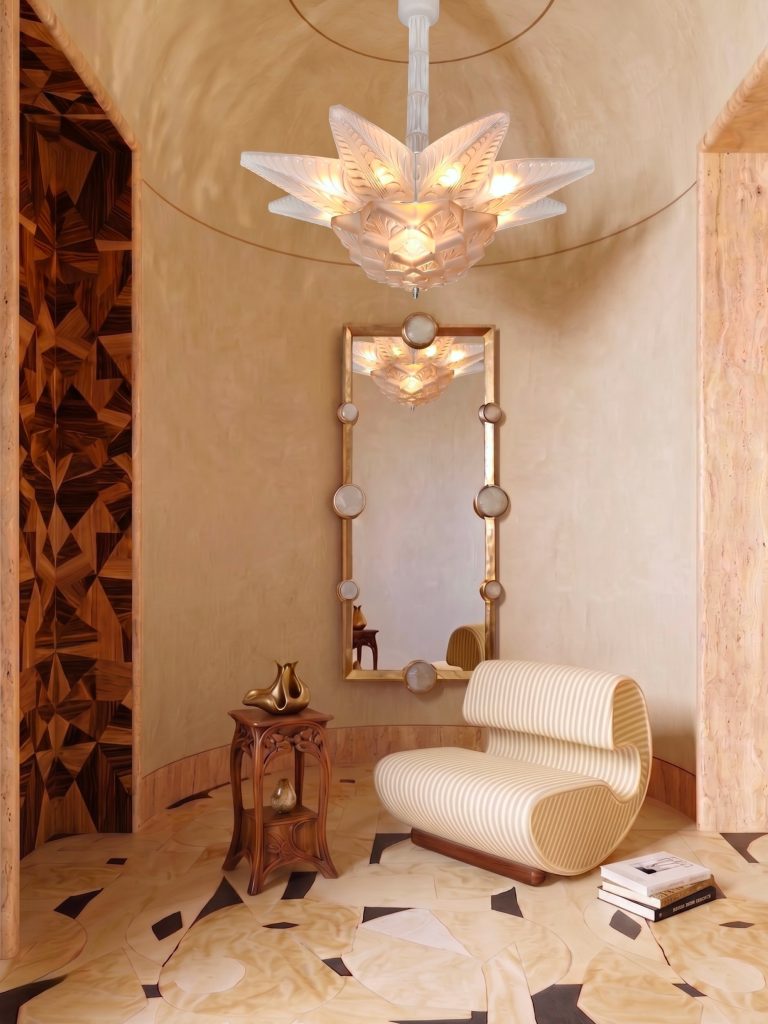
Ceiling lamp model “Stockholm II”. France, 1927.
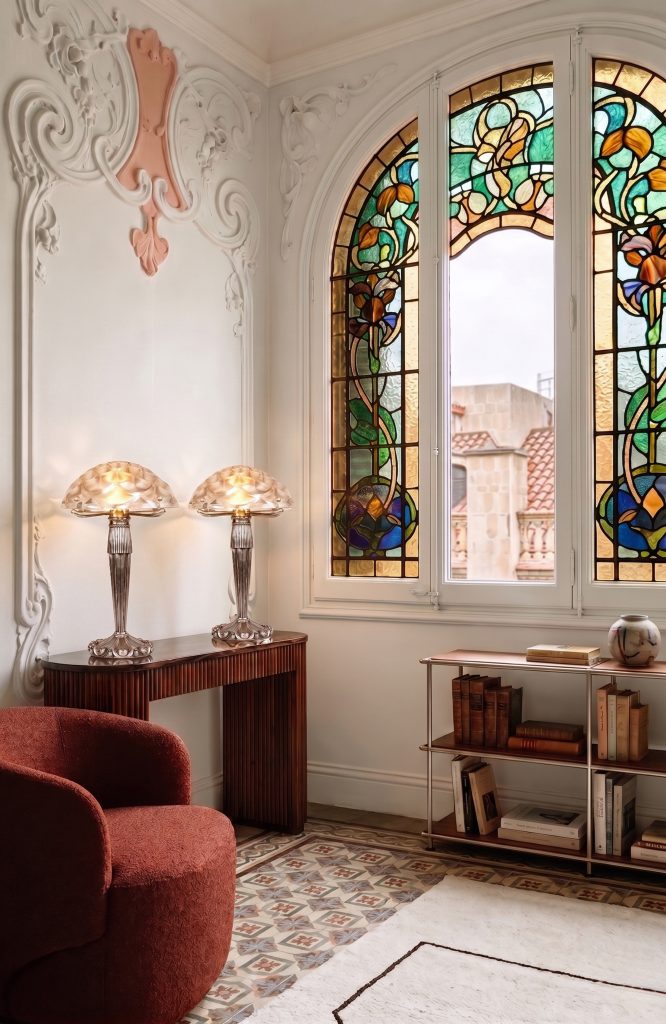
Pair of table lamps model “Rinceaux”, 1926.
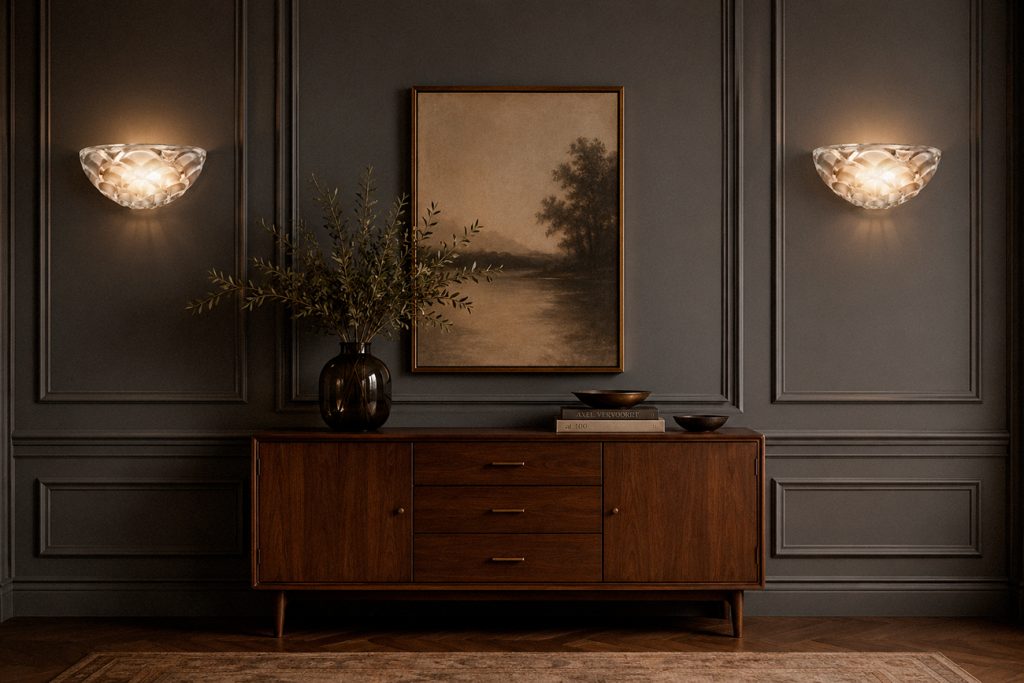
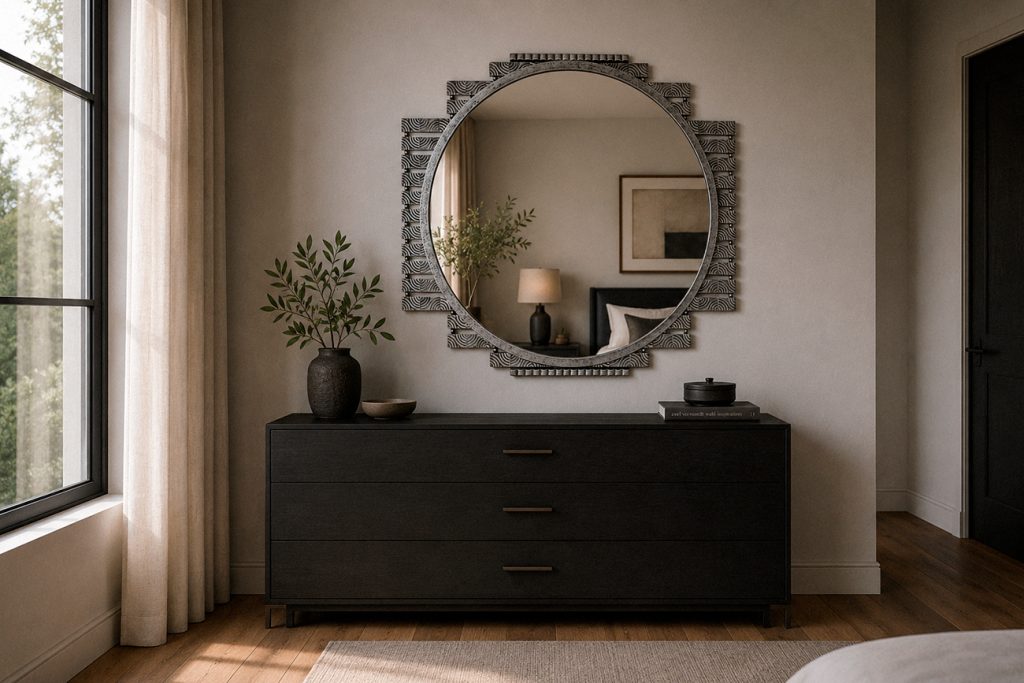
His work, which also denotes a strong influence of Japanese art, revolutionized design through the use of the pâte-de-verre technique (powdered glass molded in extremely high detail). Understanding before anyone else that exuberant fantasy would give way to a new era of sobriety after the war, Lalique masterfully evolved into the Art Deco style. This transition influenced his contemporaries in metal and wrought iron, consolidating ornamental solutions that today are once again indispensable in the most exclusive decoration trends.
Historical Maximalism or the rise of “statement furniture”.
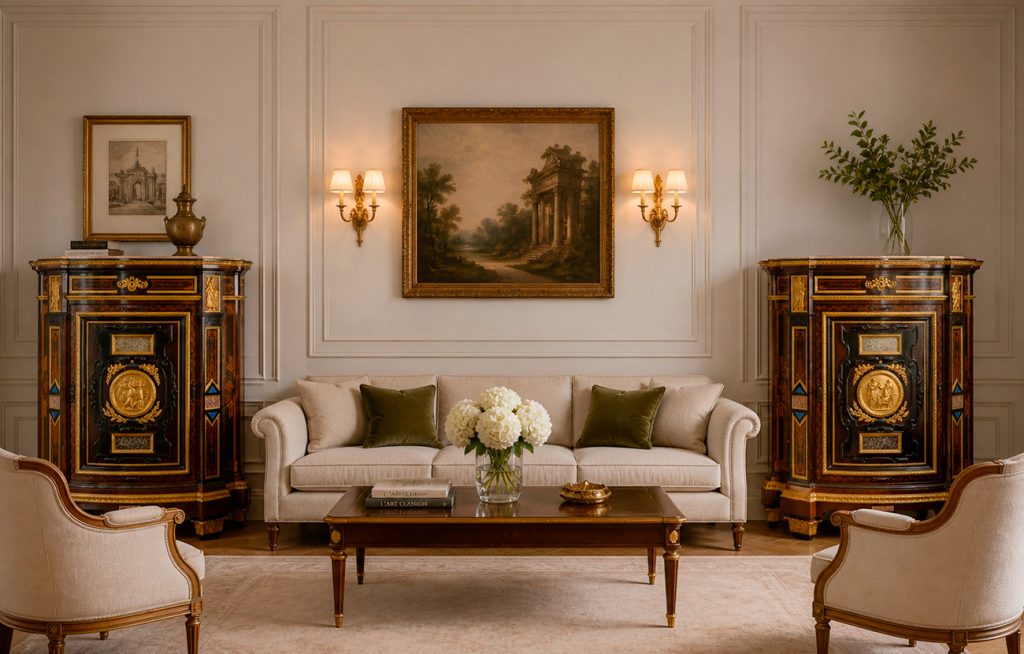
In contrast to the uniformity of mass-produced furniture, the new decorative trends are giving rise to the so-called “statement furniture”: pieces with a visual magnetism so powerful that they are capable of articulating the entire discourse of a room. Historical maximalism abandons timidity to embrace opulence and sumptuous eclecticism, currents fully representative of the taste of the French Second Empire.
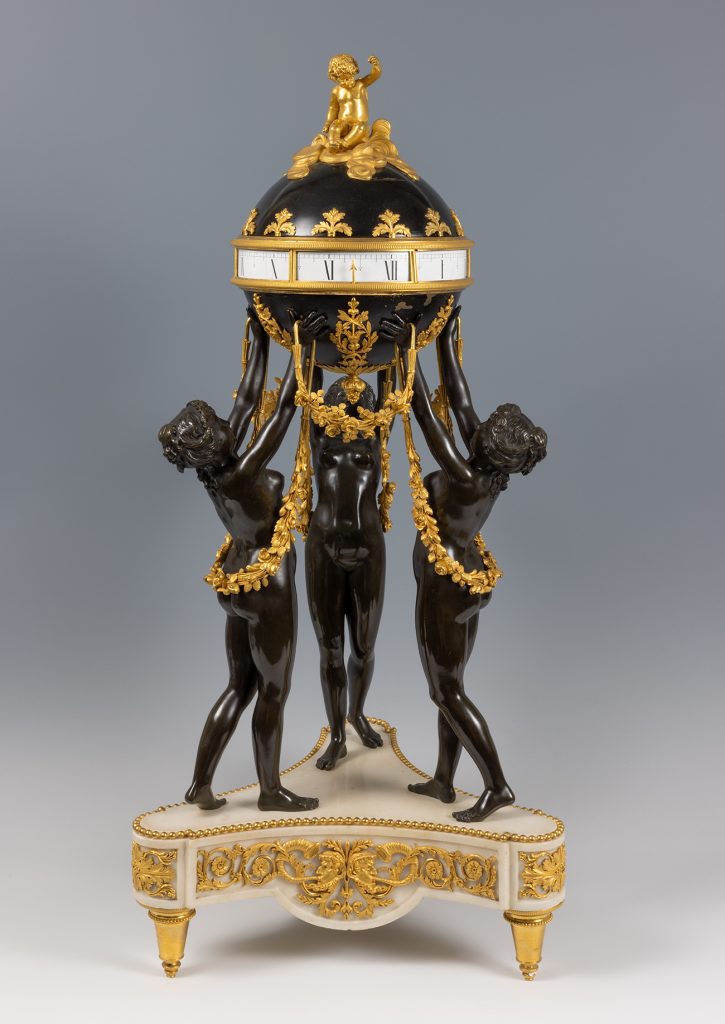
Lot 40041444
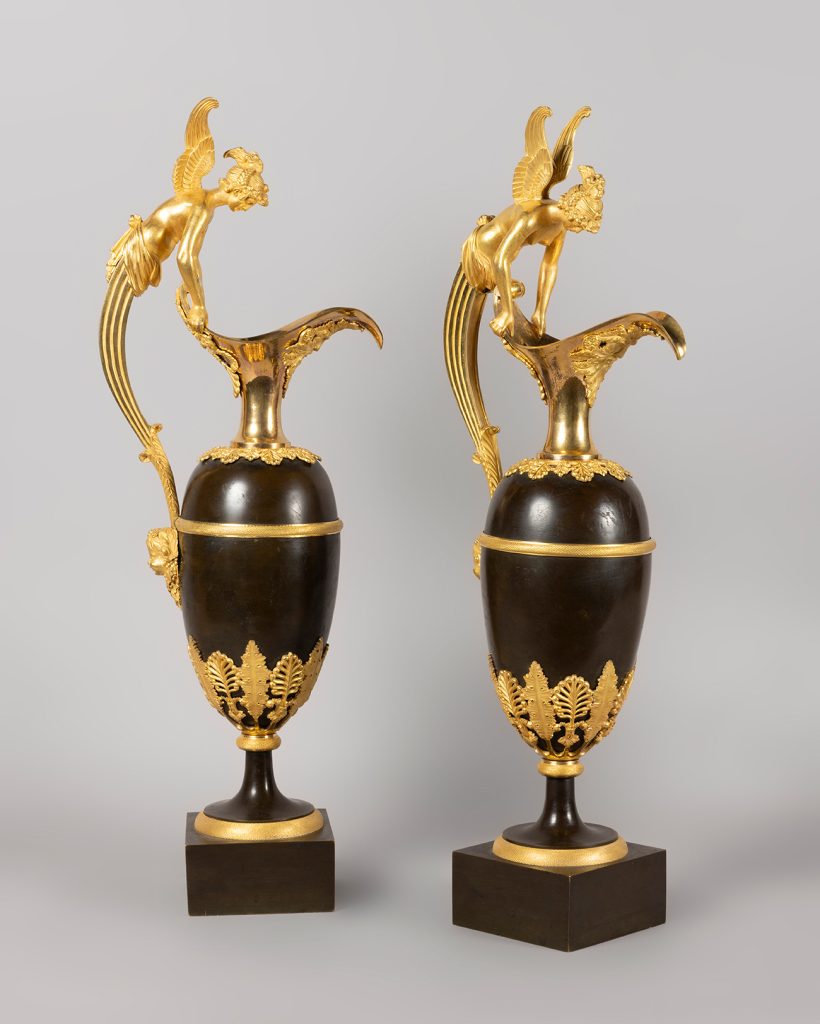
Pair of cups. Mercury gilded bronze and patinated.
The Napoleon III style, originally conceived to impress and reaffirm the social prestige of its owners, reinterpreted the great models of the past (Renaissance, Louis XIV or Louis XVI) with a spectacular ornamental richness and a very high technical level of Parisian cabinetmaking. The exuberant superimposition of Renaissance-inspired marquetry, gilded bronze medallions with classical allegories, chiseled garlands, polychrome marble applications and molded marble countertops gave shape to miniature monumental facades. Integrating these cabinets into a contemporary living room today creates a sophisticated contrast and gives the space an unparalleled historical narrative.
Fascination with time: industrial clocks and automatons

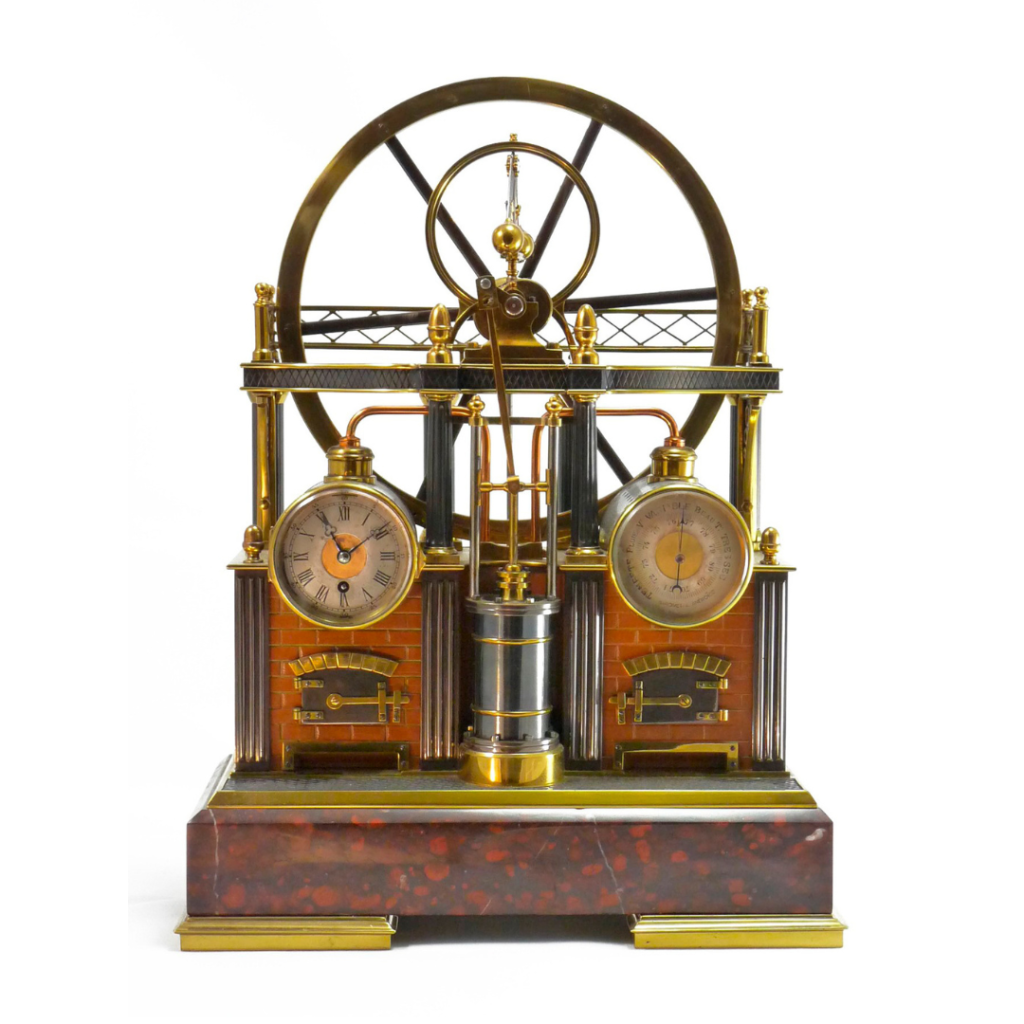
The inclusion of technological and mechanical antiques is another of the great surprises in current decorative trends. At the end of the 19th century, in the midst of the Industrial Revolution, the machine completely transformed European aesthetics. The master watchmakers of the time managed to transcend the mere practical function of measuring the hours to give life to authentic works of industrial art. Inspired by engineering, these clocks incorporated visible mechanisms, miniature steam engines and animated scenes that turned technique into spectacle.
Legendary names such as André Romain Guilmet, founder of Guilmet & Cie in 1861, consolidated a unique visual language where the mechanism was proudly displayed, creating complex pieces for the European aristocracy. Following this path, firms such as Diette & Hour (linked to Charles Victor Hour) elevated production with sophisticated carriage and industrial automaton watches. The current collecting of these pieces is not only based on their economic value -reaffirmed by recent auctions at Setdart that reached 36,000 and 70,000 euros-, but in the desire to be part of an era of unrepeatable technical excellence.
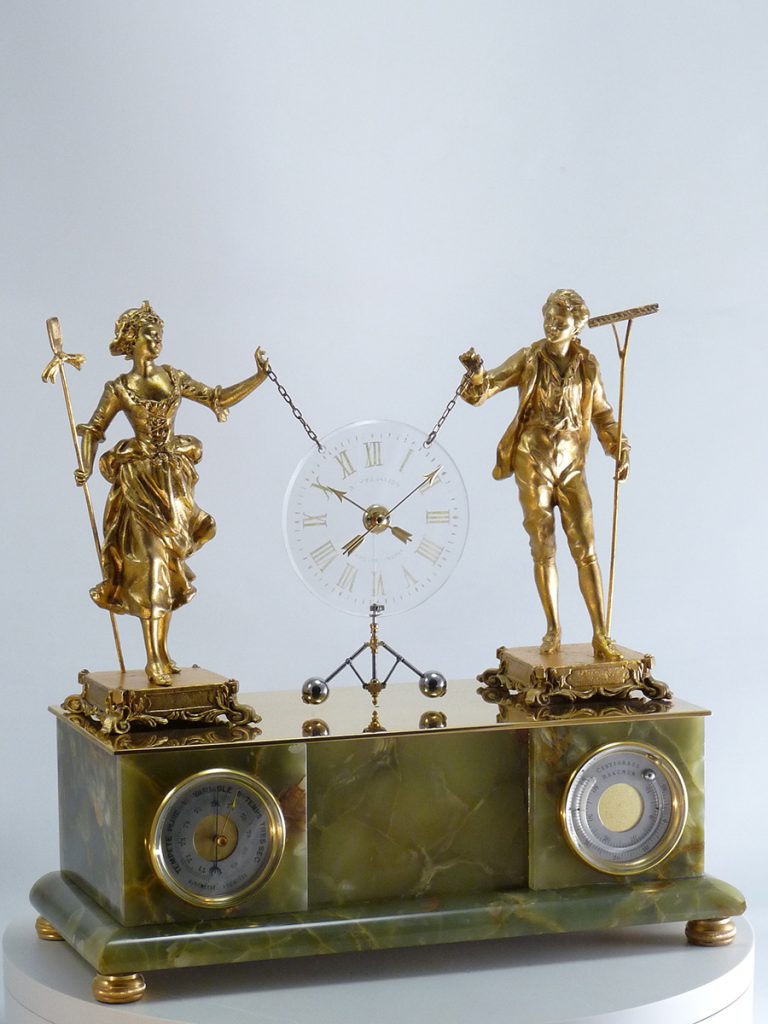
Lot 40040940.
The weight of history: architecture and historical archeology at home.
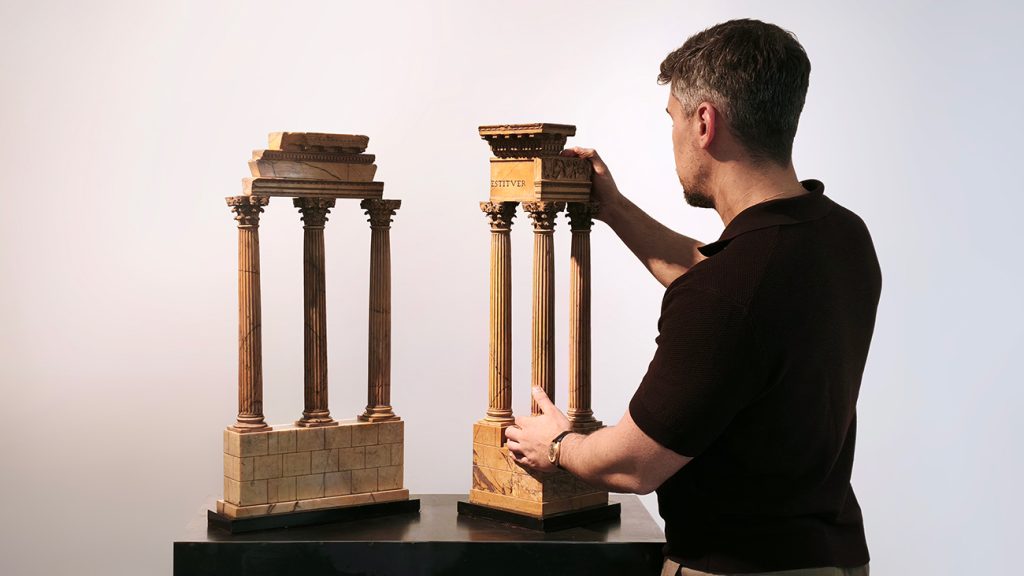
Lot 40040927.
Another major trend that is transforming today’s interior design is the fascination with the distant past. New decorative trends invite us to break the monotony of modern homes by introducing fragments of art history directly into daytime areas. The presence of archaeological elements or architectural fragments brings an intellectual, sophisticated and almost museum-like air to the home.
An example of this are pieces that harken back to the celebrated Grand Tour phenomenon of the 18th and 19th centuries-that apprenticeship journey taken by the European aristocracy to discover classical heritage-Including a piece with centuries of history or an antique that evokes the great voyages of the Enlightenment adds a layer of depth that no modern piece of furniture can replicate. In contemporary decorating trends, a pair of classical architectural columns, for example, ceases to be a simple structural element and becomes a freestanding work of art.
Textiles with narrative: the great return of the historical tapestry
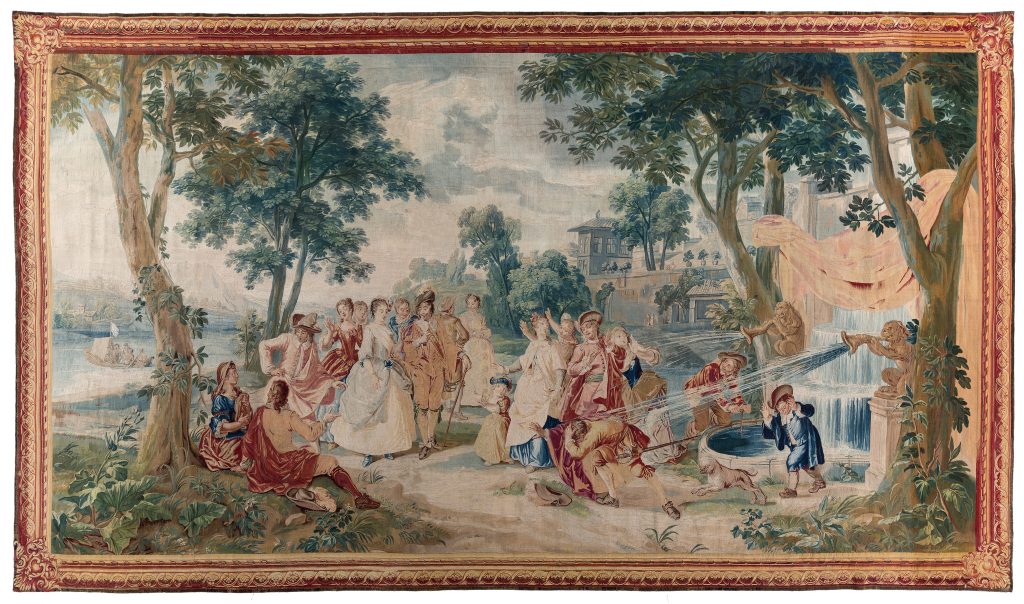
If there is one textile element that has made a strong comeback in avant-garde decorative trends, it is tapestry. Its comeback responds to the prevailing need to design spaces with their own identity, where texture, craftsmanship and warmth replace cold and dull walls. Experts agree that this interest is driven by the search for sustainable, long-lasting and handmade pieces. Designers celebrate tapestry not only as a textile work of art capable of transforming a wall into a stunning focal point, but also for its excellent functional properties: it dramatically improves room acoustics and provides a visual depth that paint or wallpaper cannot replicate.
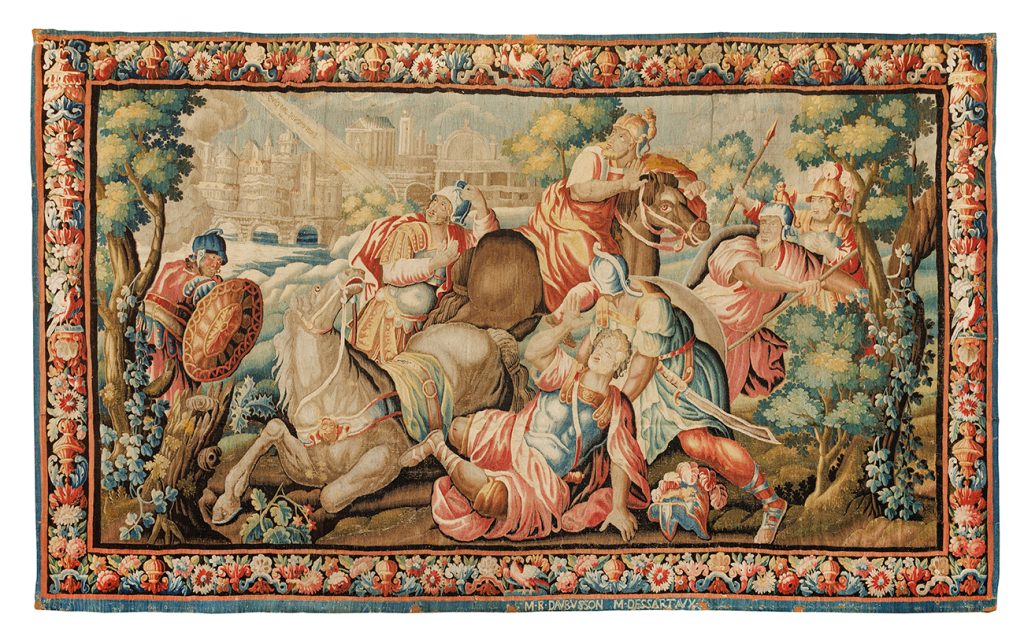
Lot 40041438.
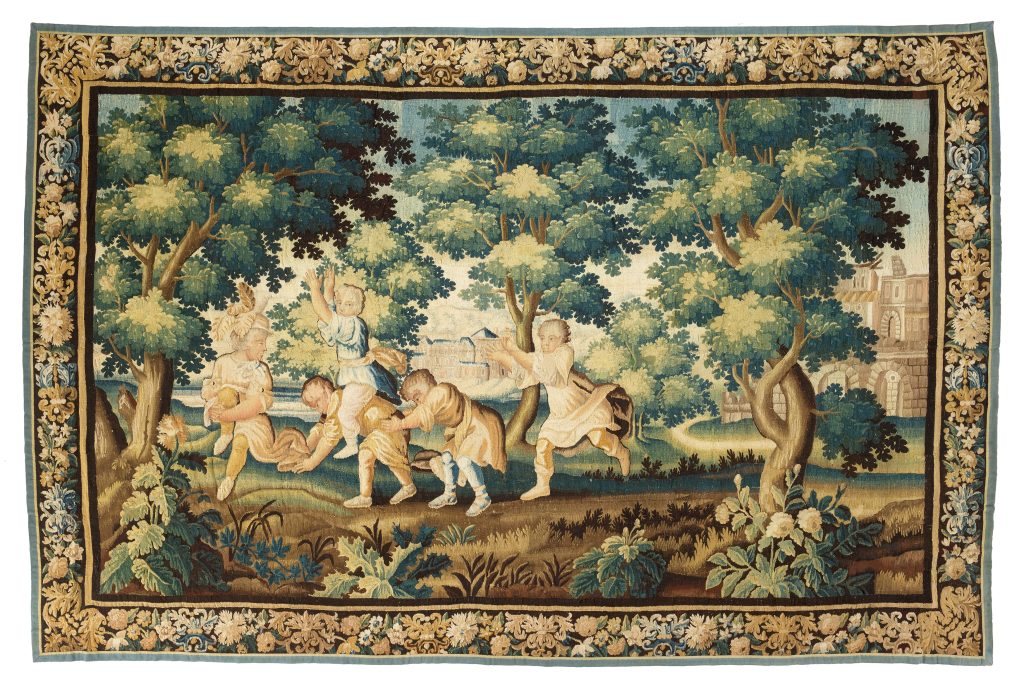
Lot 40040953.
Volume in space: the impact of sculpture
Sculpture is one of the most resounding and timeless decorative trends, as it has the intrinsic ability to modify and transform the three-dimensional space that surrounds it. Introducing a sculpture in the home is not just adding an ornamental object; it is creating a focus of attention of great plastic beauty that dialogues with the light and architecture of the room.
Nowadays, decoration trends are rescuing both the refined classical academicism in stone and the figures of a more avant-garde or delicate design. Works in white Carrara marble, with its luminosity and nobility, or textured pieces in bronze and porcelain, immediately elevate the category of a living room, a hall or an office, giving the home an air of a private gallery that never goes out of fashion.
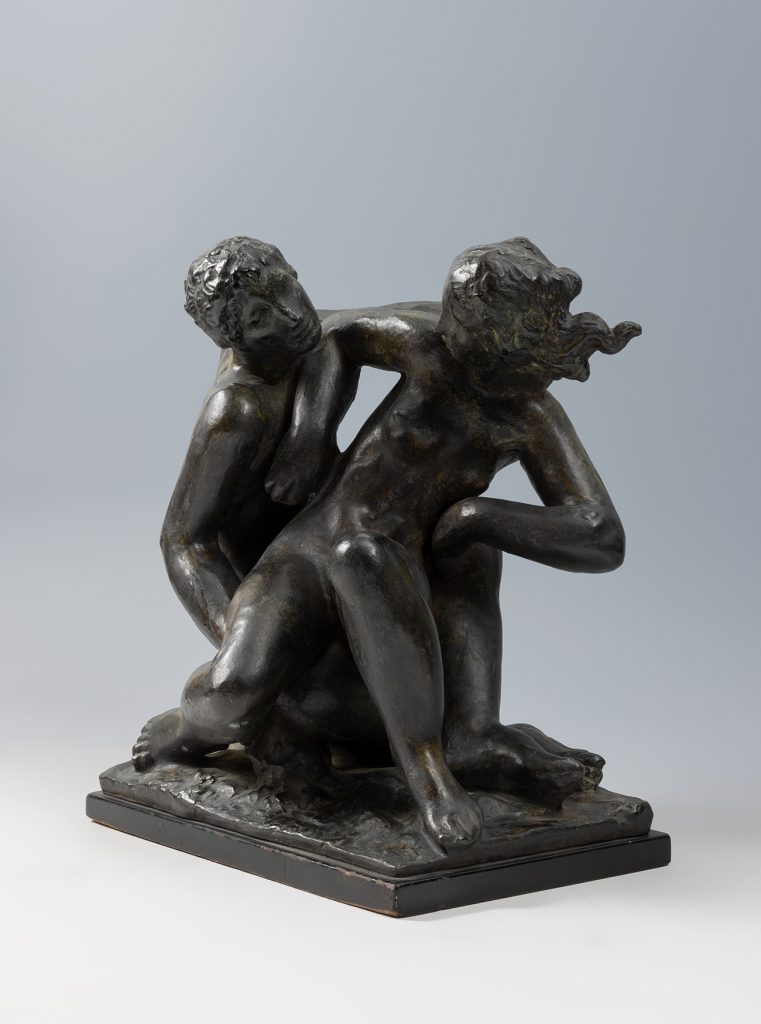
“Child’s Play,” 1922.
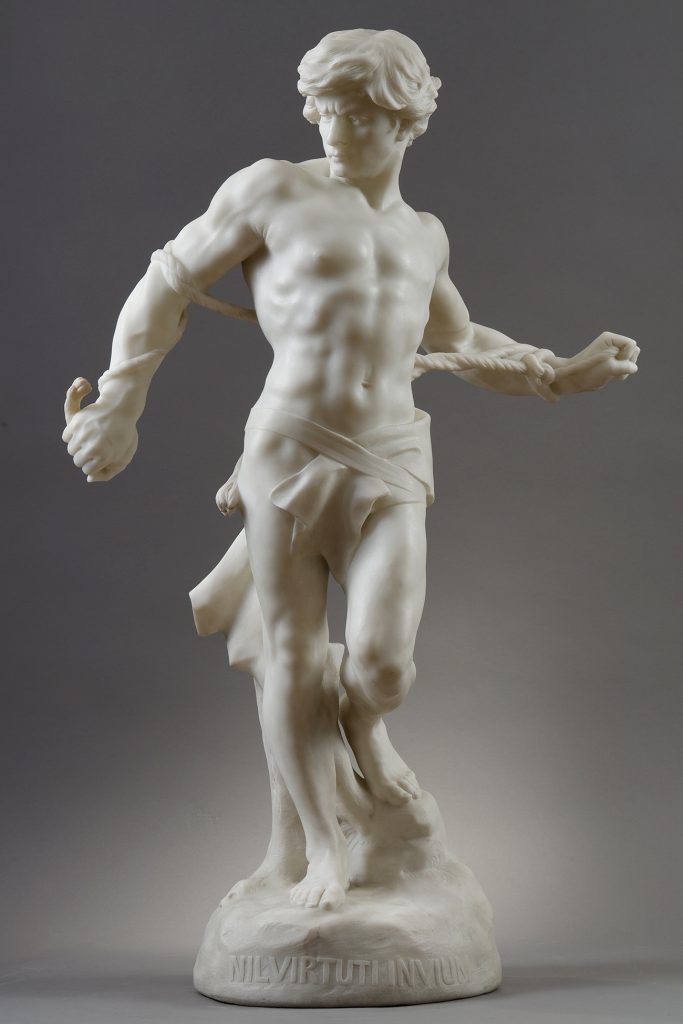
The noble shine of silver: goldsmithing in everyday life
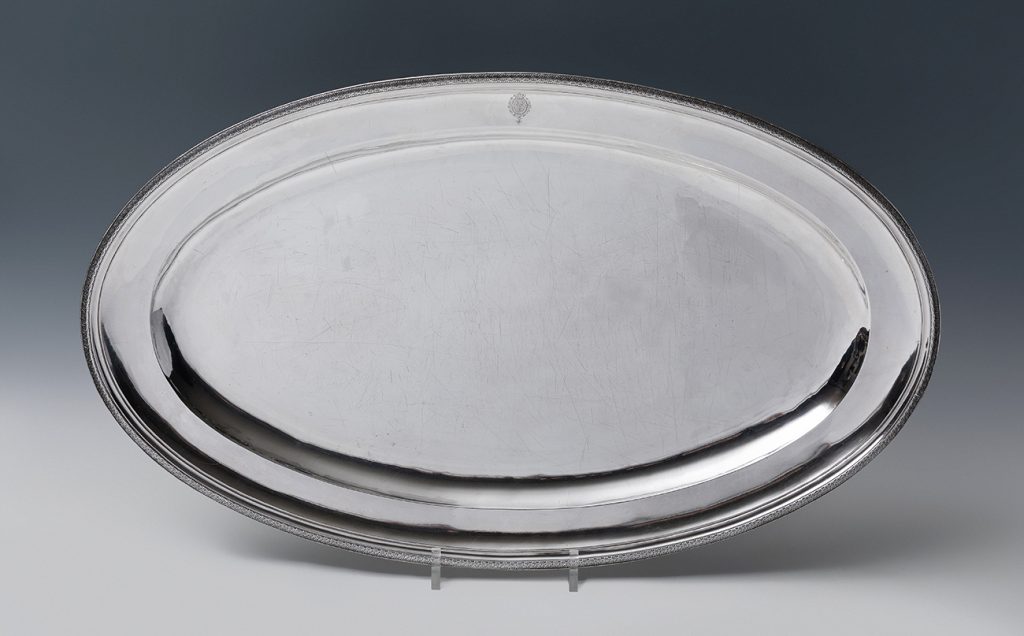
As a finishing touch to these currents, silver jewelry is strongly reclaiming its place in contemporary interiors. Far from being relegated to the closed showcases of the past, historic silverware is now integrated into everyday life: it presides over modern tables, decorates entrance consoles or adds a touch of distinction to subtle corners of the house.
Old silver has a unique magnetism due to its ability to reflect light in a soft and noble way. Guillermo period silver tableware or candlesticks of great artisan tradition demonstrate that the best decorative arts are not to be contemplated from afar, but to be experienced. Betting on these objects is to join those decorative trends that celebrate durability, history and formal excellence. The appointment on May 27th at Setdart is the perfect window to discover it.
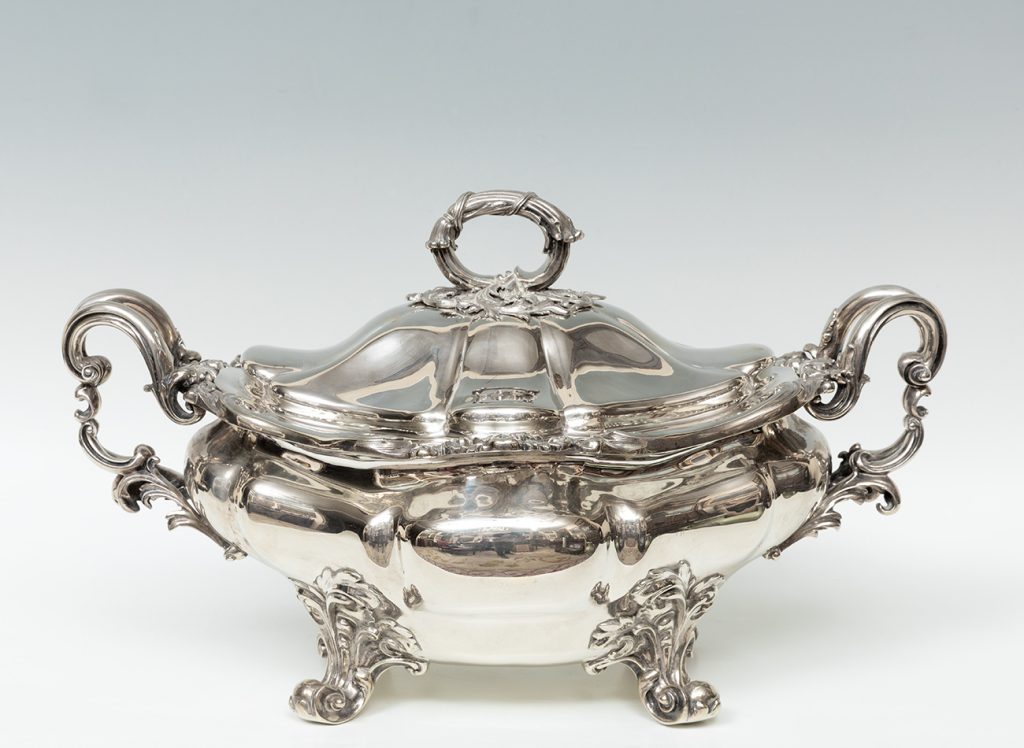
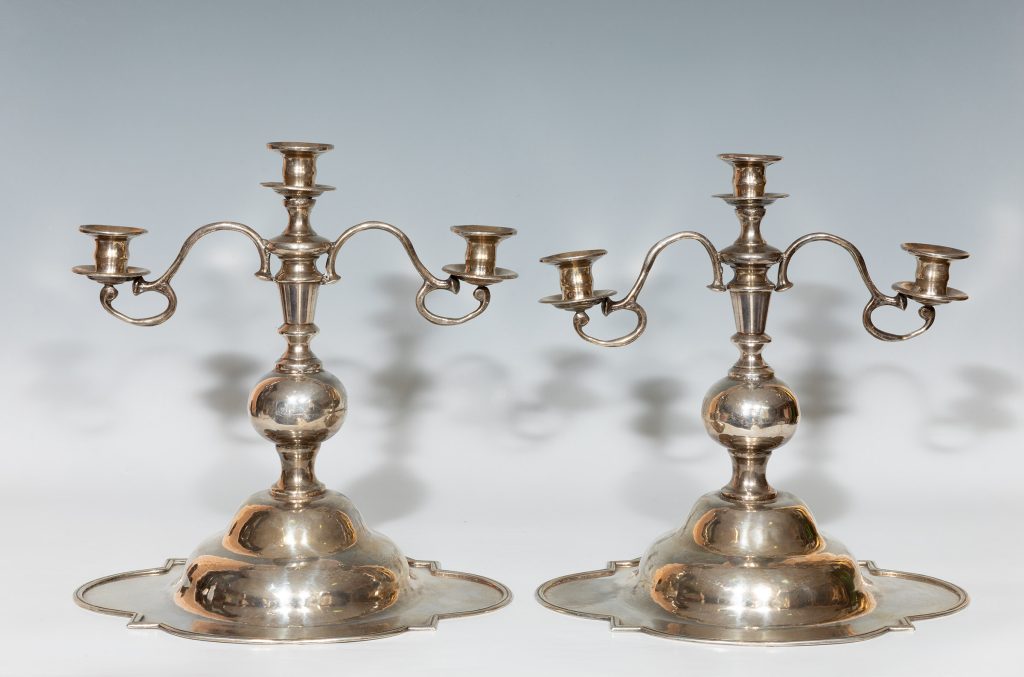
Lot 40023367.
If you’ve been left wanting to discover more about the pieces and Decorative Arts, explore the May 27 auction catalog and find the perfect piece for your space.
If you liked this article, you may also be interested in: