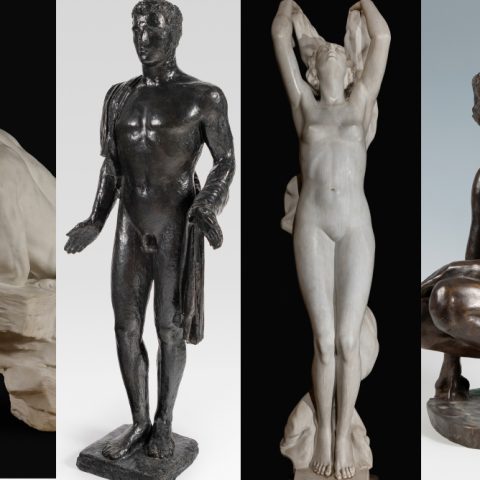
Catalan sculpture from the end of the 19th century and the first half of the 20th century is one of the most solid and coherent chapters in the history of European art. The present auction brings together an exceptional group of works that allow us to trace, from a unitary point of view, the evolution of a sculptural tradition that knew how to combine emotion, classicism and modernity, and that today continues to be a reference both in museums and in the art market.
This group brings together works by Josep Llimona, Eusebi Arnau, Enric Casanovas, Llàuradó, Josep Viladomat and Joan Rebull, artists who, beyond their individual careers, shared the same conception of sculpture as an essential discipline. Catalan sculpture is defined here by its close relationship with the human figure, the mastery of volume and a clearly identifiable Mediterranean sensibility.
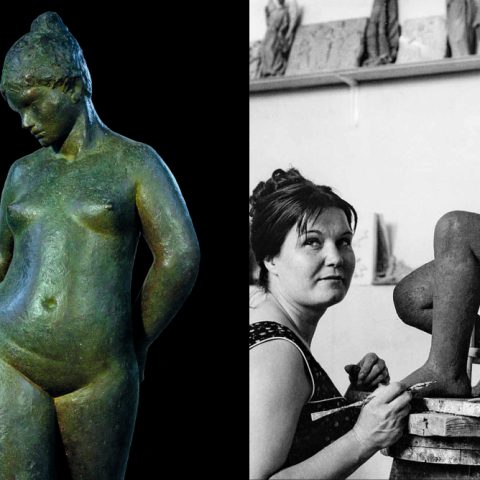
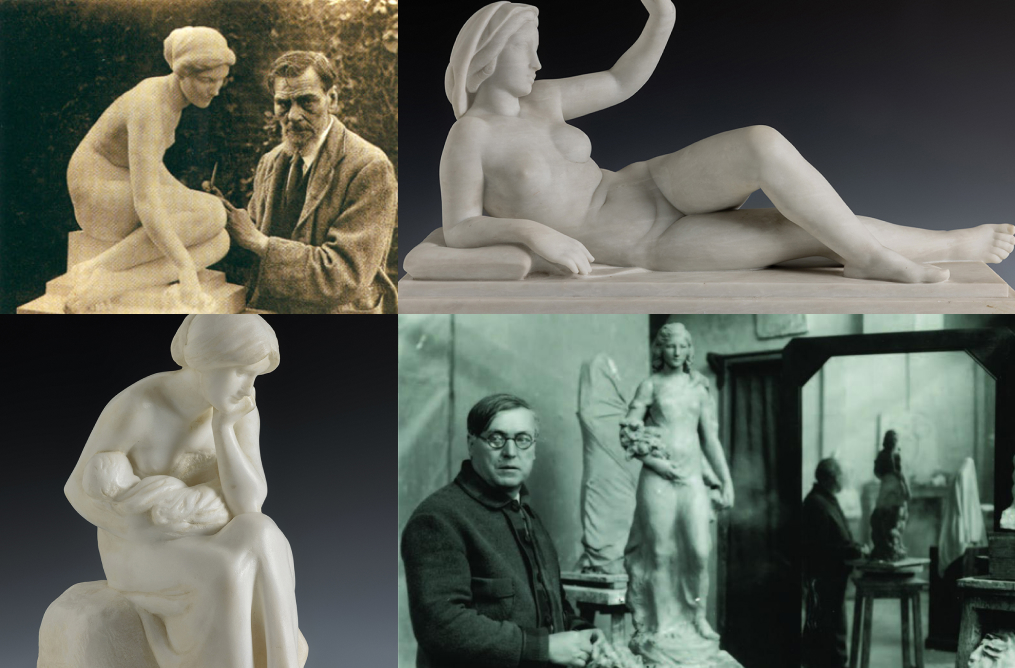
Within this panorama, Josep Llimona occupies a central place. As a key figure of Catalan modernism, he brought an intimate and spiritual sensitivity that transformed the way of understanding figurative sculpture, with works that combine emotion, delicacy and exceptional technical perfection.
Catalan sculpture: between tradition and modernity
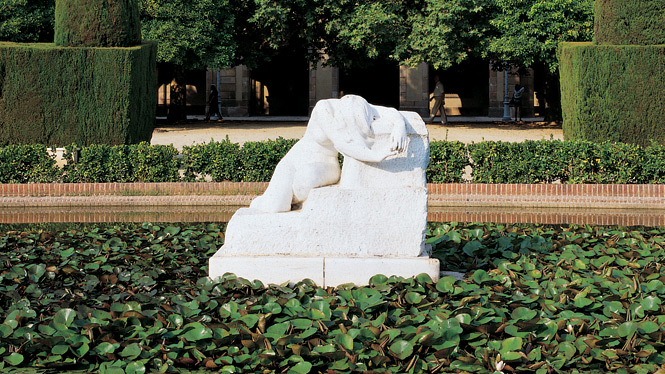
From Catalan modernism to noucentisme, Catalan sculpture developed its own language that moved away from mere ornamentation to aspire to a deep and lasting expression. In these works, the symbolic and emotional charge inherited from the turn of the century coexists with a progressive formal purification that culminates in an ideal of harmony, balance and serenity.
The transition between these languages was not a rupture, but a natural evolution. This continuity can be perceived in the modeling, in the respect for the material and in the constant search for a timeless beauty. Josep Llimona, in this context, acts as the backbone of a sensibility that will decisively influence later generations of Catalan sculptors.
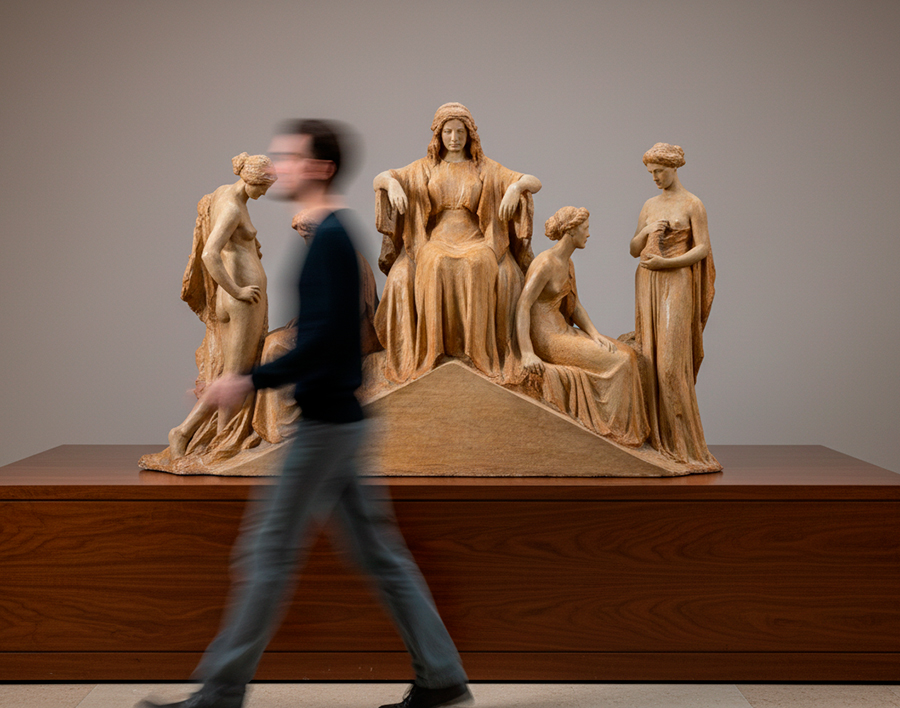
Technical mastery and mastery of the material in Catalan sculpture
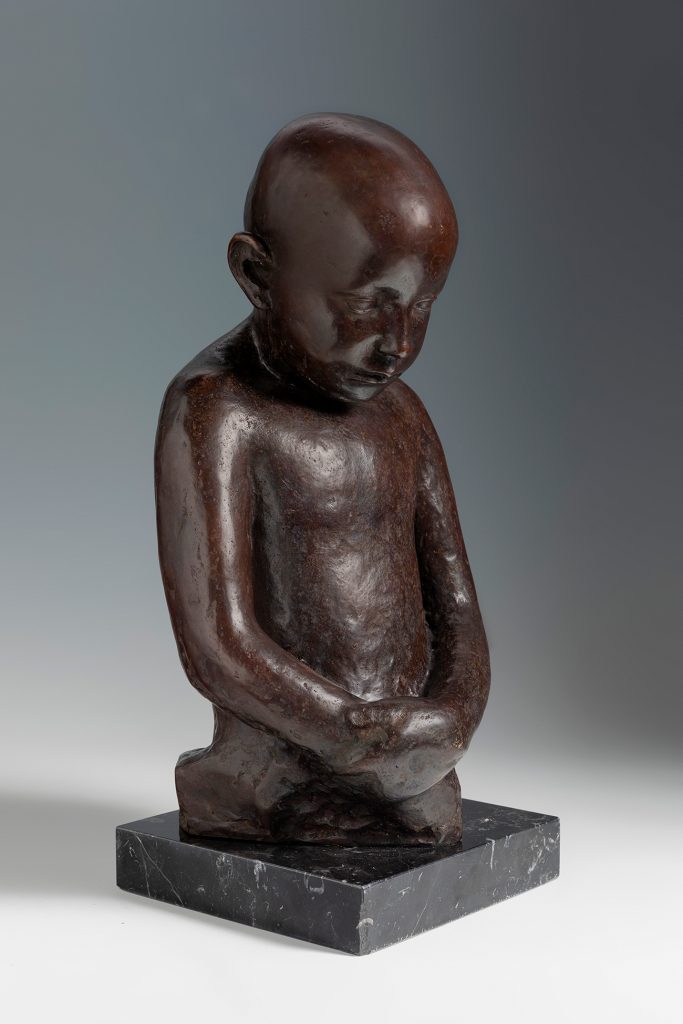
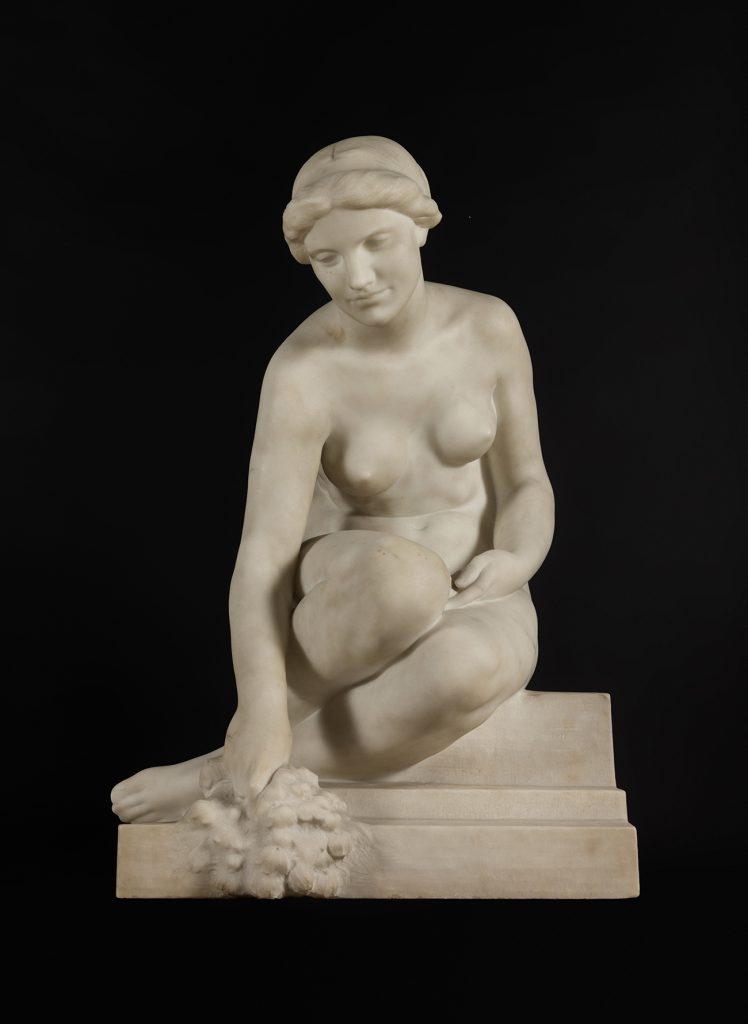
The sculptures that are part of this auction reveal the extraordinary technical quality of these masters. The work in bronze, marble and stone reveals a profound knowledge of the material and a meticulous attention to the finish, the contained gesture and the relationship between mass and space.
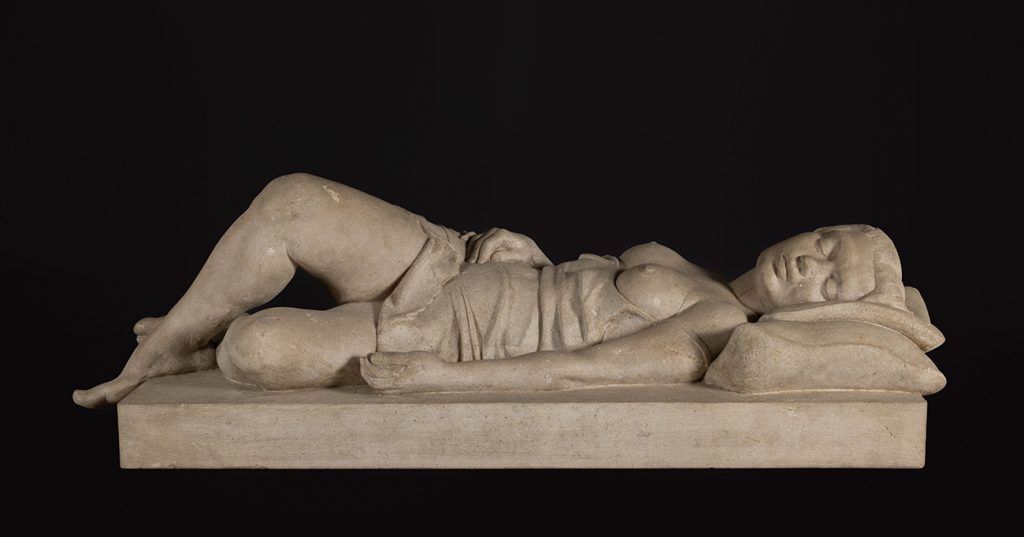
Catalan sculpture of this period was conceived for both private and public spaces. Many of these works dialogue with architecture and integrate naturally into the urban landscape, as evidenced by the permanent presence of these sculptors in squares, institutional buildings and monumental ensembles.
A sculptural school: from Llimona to Rebull
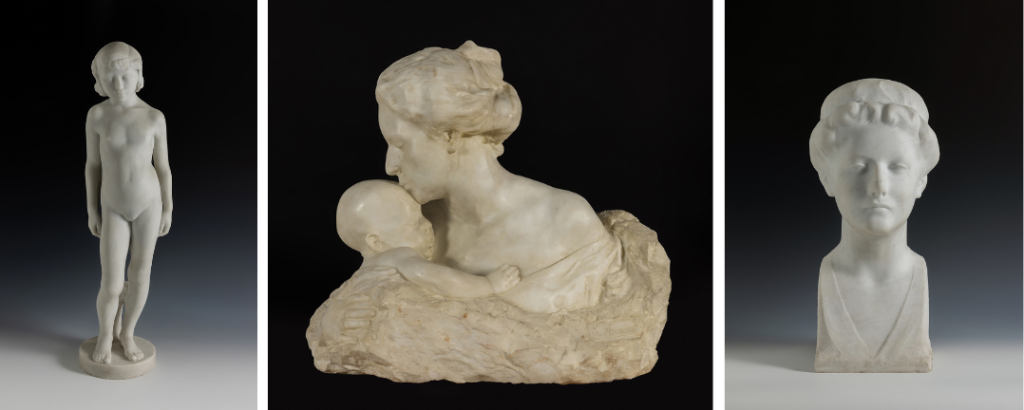
One of the most outstanding values of this sculpture auction is the possibility of contemplating these works as a coherent whole, representative of a true Catalan sculptural school. Eusebi Arnau contributed a refined decorative sensibility; Enric Casanovas consolidated a volumetric classicism of great solidity; Josep Viladomat kept the figurative tradition alive with impeccable craftsmanship, while Llàuradó contributed to preserving and transmitting the historical models.
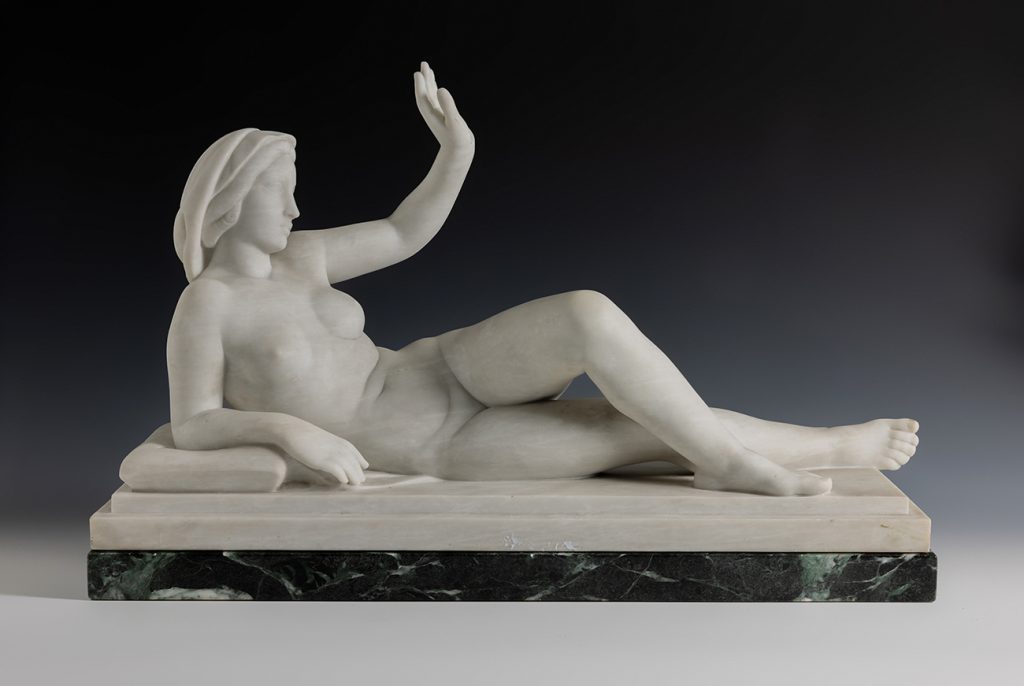
All this finds its culmination in the work of Joan Rebull, whose sculpture synthesizes the noucentista ideal of clarity, proportion and serene monumentality. In this journey, Josep Llimona shines as a foundational figure of modern Catalan sculpture, whose influence permeates the entire subsequent generation.
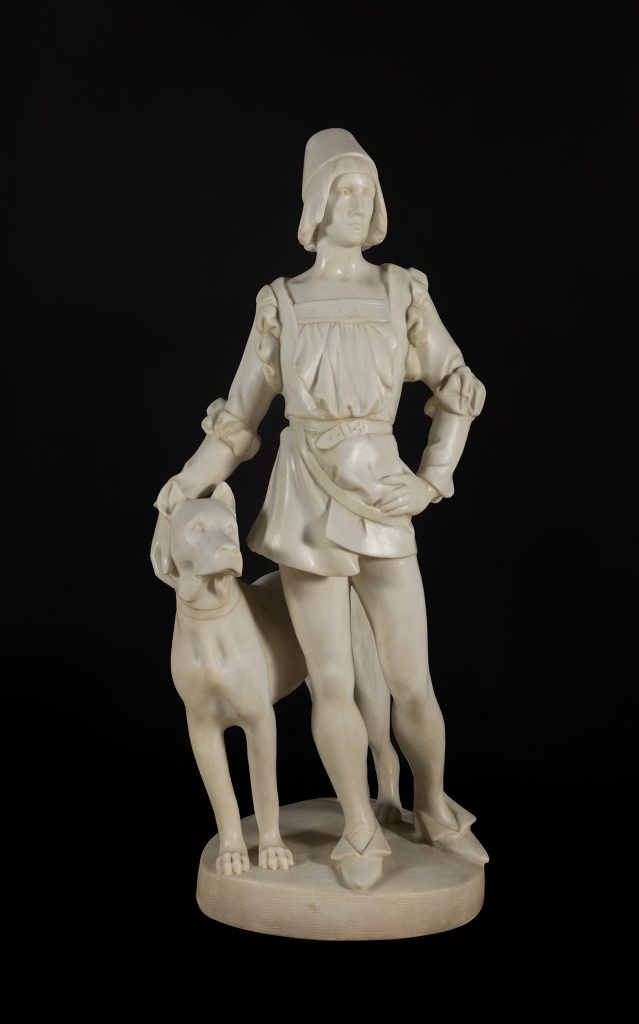
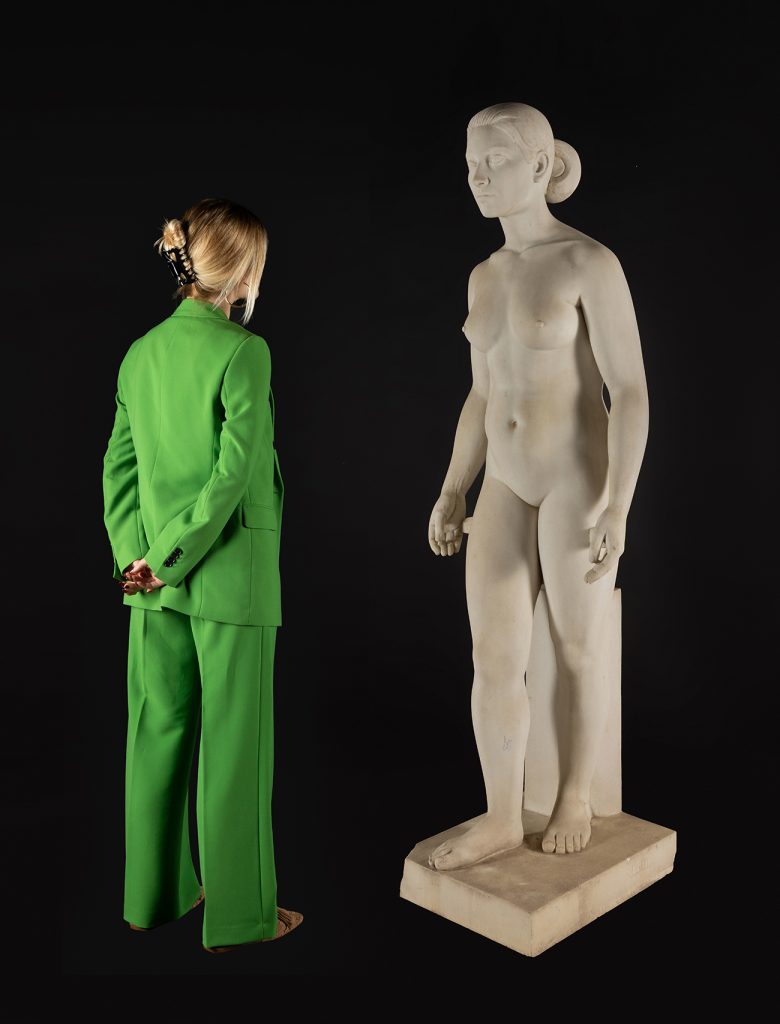
The relevance of Catalan sculpture in today’s marketplace
Bringing these works together in the same tender not only allows us to appreciate their individual values, but also to understand their collective relevance. These are sculptures that defined an era, that contributed to building a visual and cultural identity, and that projected Catalan sculpture beyond its borders.
In the current context, in which interest in quality historical sculpture continues to grow, this ensemble takes on special relevance. For collectors, it represents the opportunity to incorporate works by fundamental authors with a solid institutional and museum trajectory. For institutions, it is an exceptional opportunity to reinforce curatorial discourses linked to Catalan modernism, noucentisme and Mediterranean identity.
This auction is not only an appointment with the art market, but an invitation to rediscover the strength, coherence and validity of the great Catalan sculpture. An artistic legacy of the first order that, more than a century later, continues to dialogue with the present from the solidity of the form, the nobility of the materials and the depth of its language, with Josep Llimona as the essential axis that illuminates this entire tradition.
If you liked this blog you may also be interested in: