The history of art has often been told from a male perspective, but many pairs of artists who shared life and studio were spaces of shared creation where women played a decisive role. Beyond the romantic myth, these artistic couples functioned as true laboratories of innovation, exchange and aesthetic transformation.
This journey through some of the most celebrated pairs of artists allows us to recognize both the male talent and the fundamental contribution of female creators who developed their own careers, unique languages and essential contributions to modern and contemporary art.
Niki de Saint Phalle and Jean Tinguely
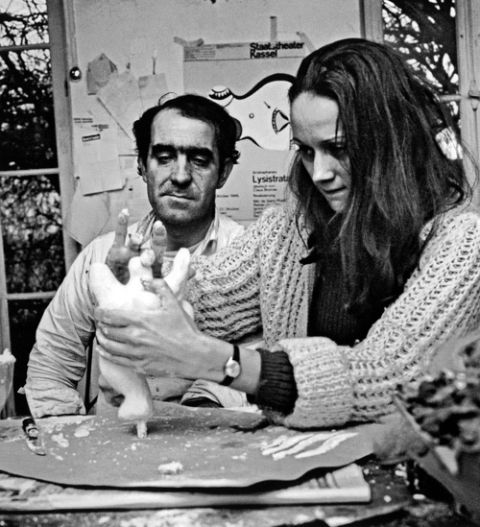
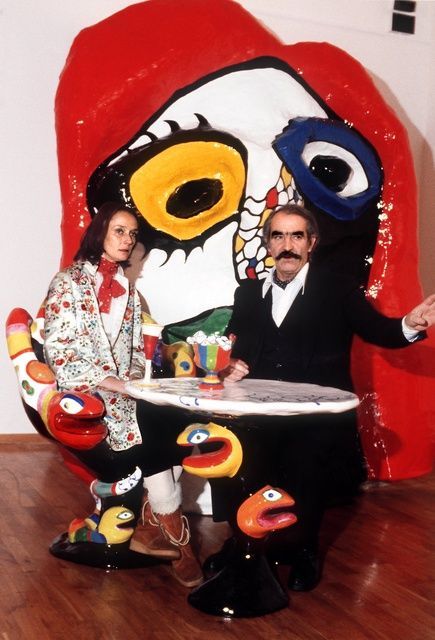
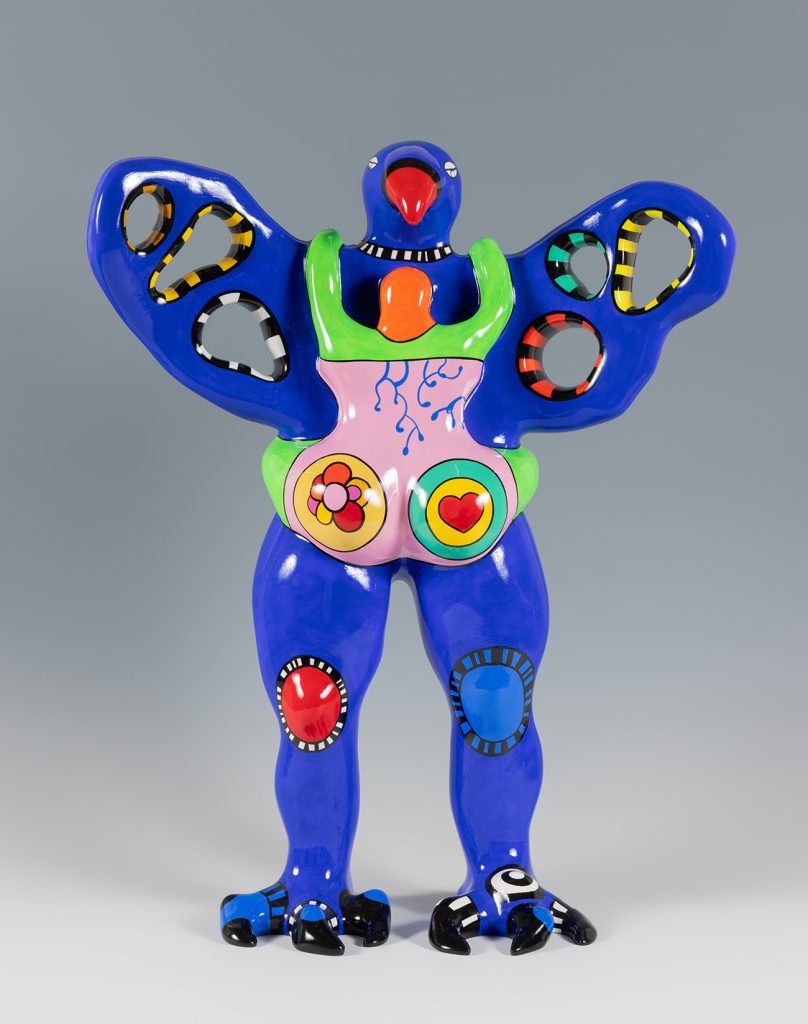
Among the artist couples of the 20th century, Niki de Saint Phalle and Jean Tinguely represent a collaboration based on experimentation and defiance of tradition. Tinguely transformed kinetic sculpture with subversive mechanisms, while Niki brought a monumental, colorful and deeply political vision.
Her public works, charged with symbolism and energy, show how artistic couples can become platforms for mutual amplification. However, Niki de Saint Phalle’s individual imprint was decisive for the development of contemporary art, especially in the representation of the female body and urban space.
Frida Kahlo and Diego Rivera
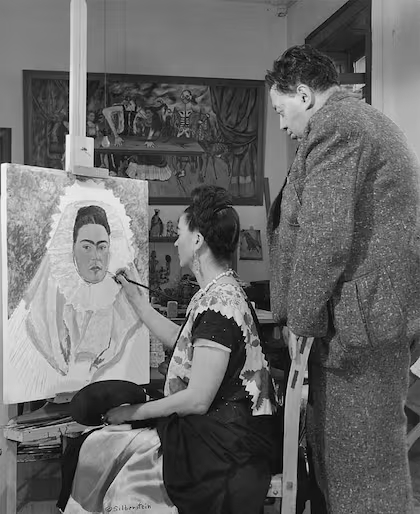
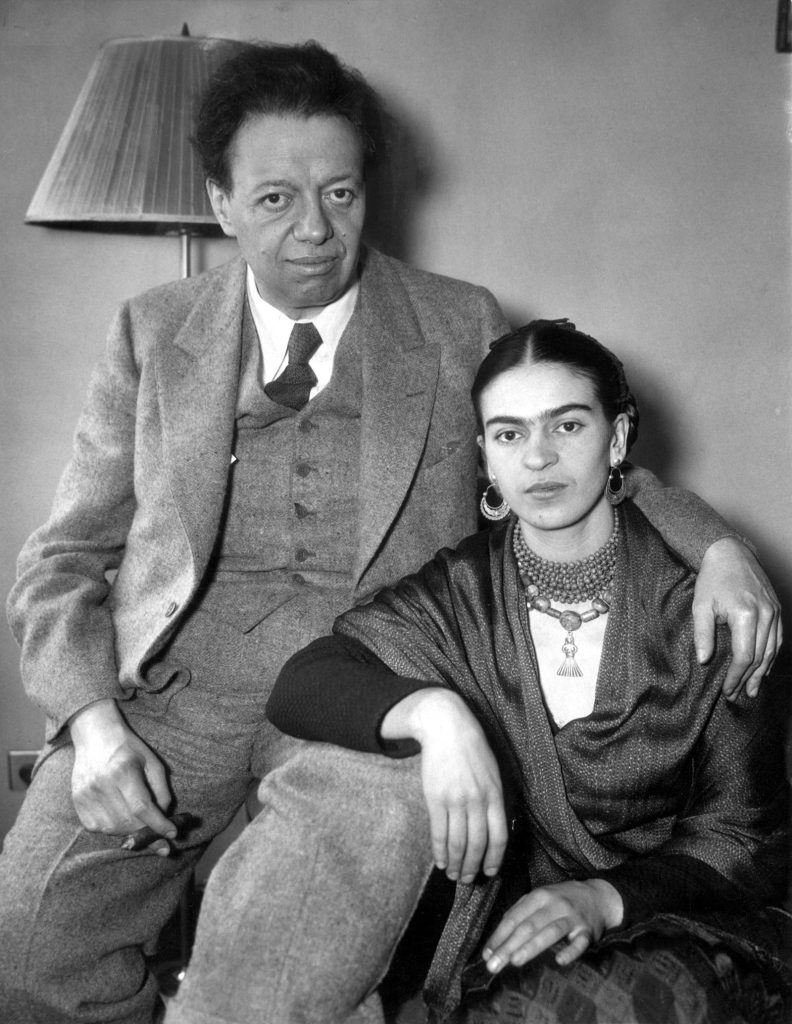
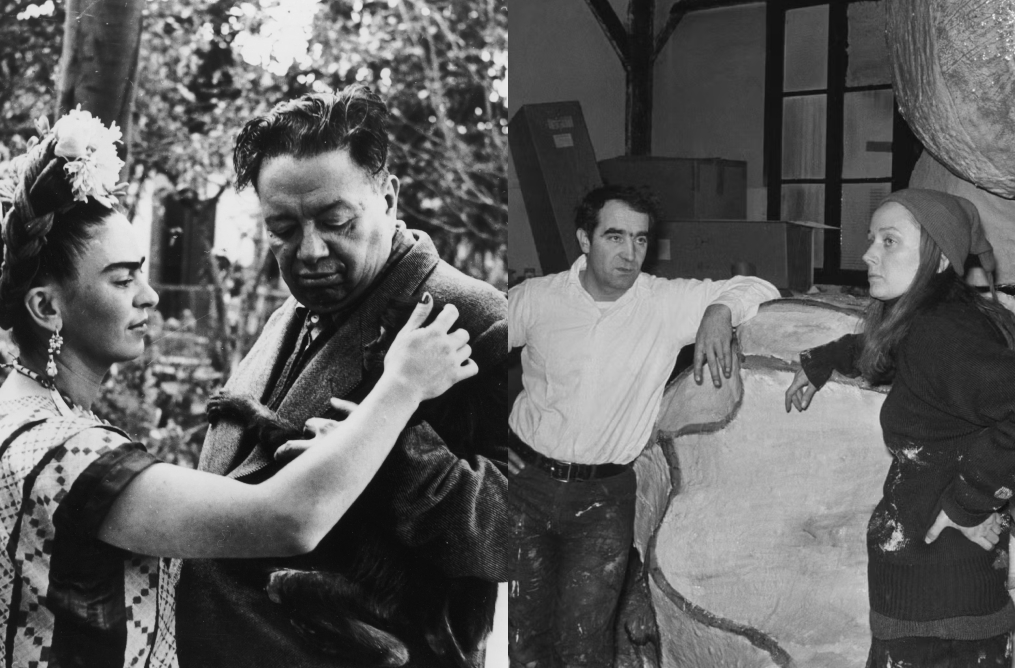
Among the great artist couples, the case of Frida Kahlo and Diego Rivera is probably the best known worldwide. Their relationship was marked by emotional intensity and political commitment, but also by a constant creative dialogue.
Rivera revolutionized mural painting with a monumental and social approach, while Frida Kahlo developed a deeply introspective language, charged with symbolism and self-referentiality. Although they shared life and creative environment, the innovative force of Kahlo’s self-portraits consolidated her as an independent creator, redefining modern painting from an intimate experience.
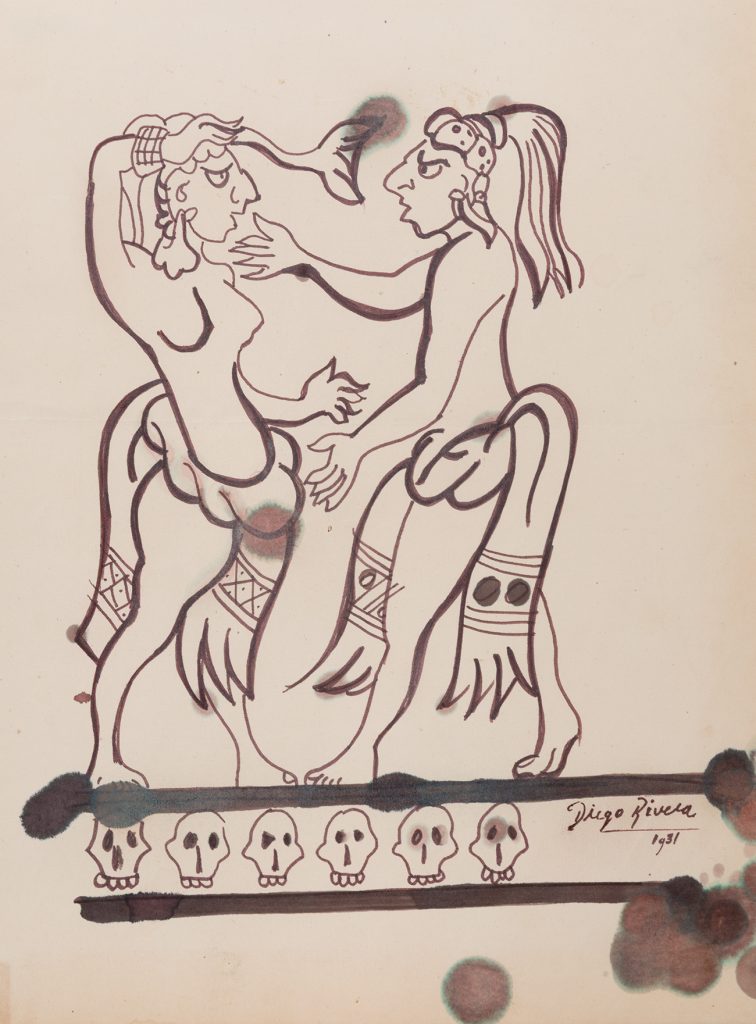
In the context of artist couples, Frida Kahlo cannot be understood as a muse or companion, but as an autonomous voice whose work has transcended even the fame of her partner.
Camille Claudel and Auguste Rodin
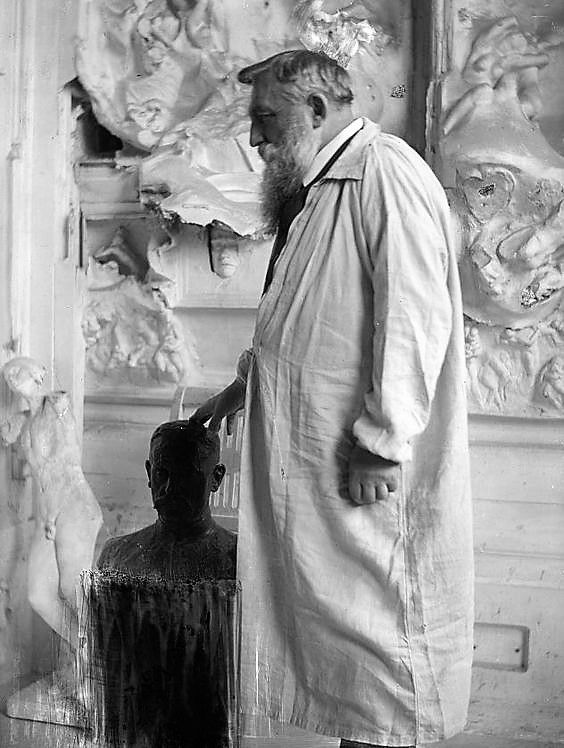
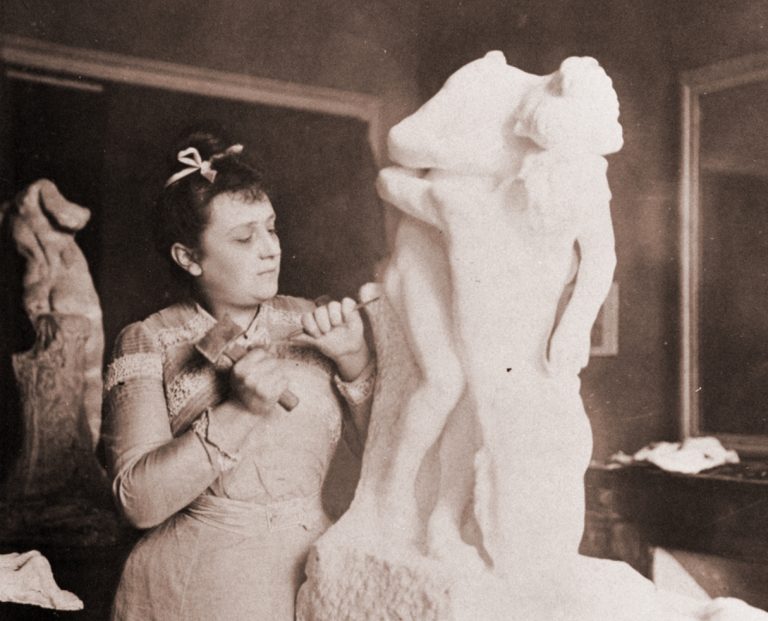
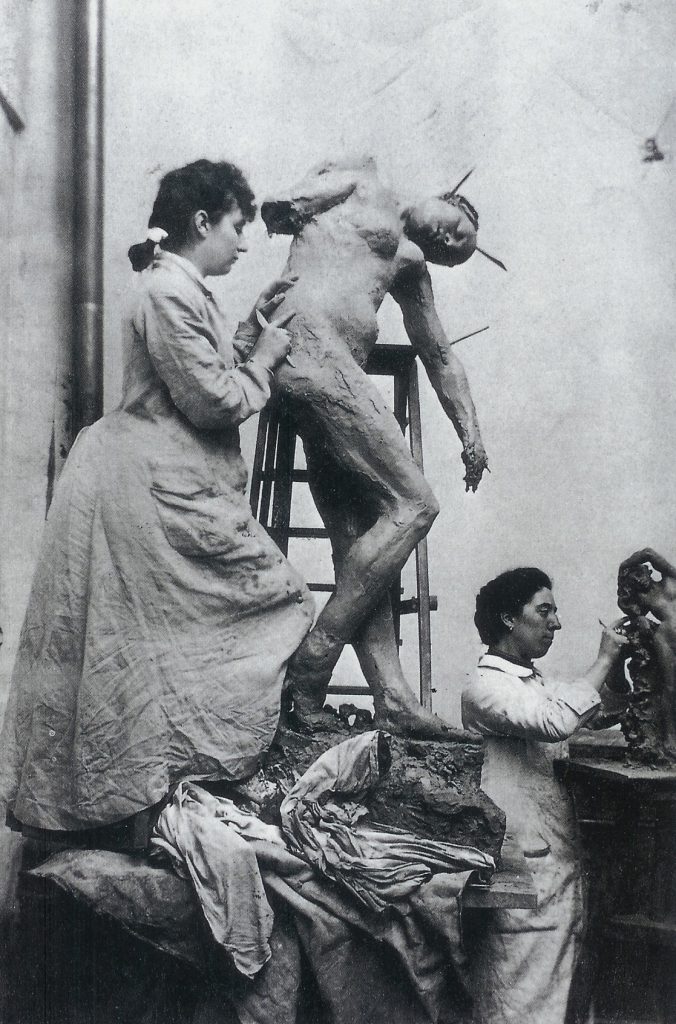
Another of the great artistic couples in history was the one formed by Camille Claudel and Auguste Rodin. Rodin was one of the most influential sculptors of his time, innovating in the treatment of movement and the expressiveness of the human figure.
However, Claudel was not only a disciple or collaborator: she developed her own bold and emotional style, which broke the mold in French sculpture at the end of the 19th century. The creative tension between the two enhanced their talents, although the historical narrative unfairly relegated Claudel’s name for decades.
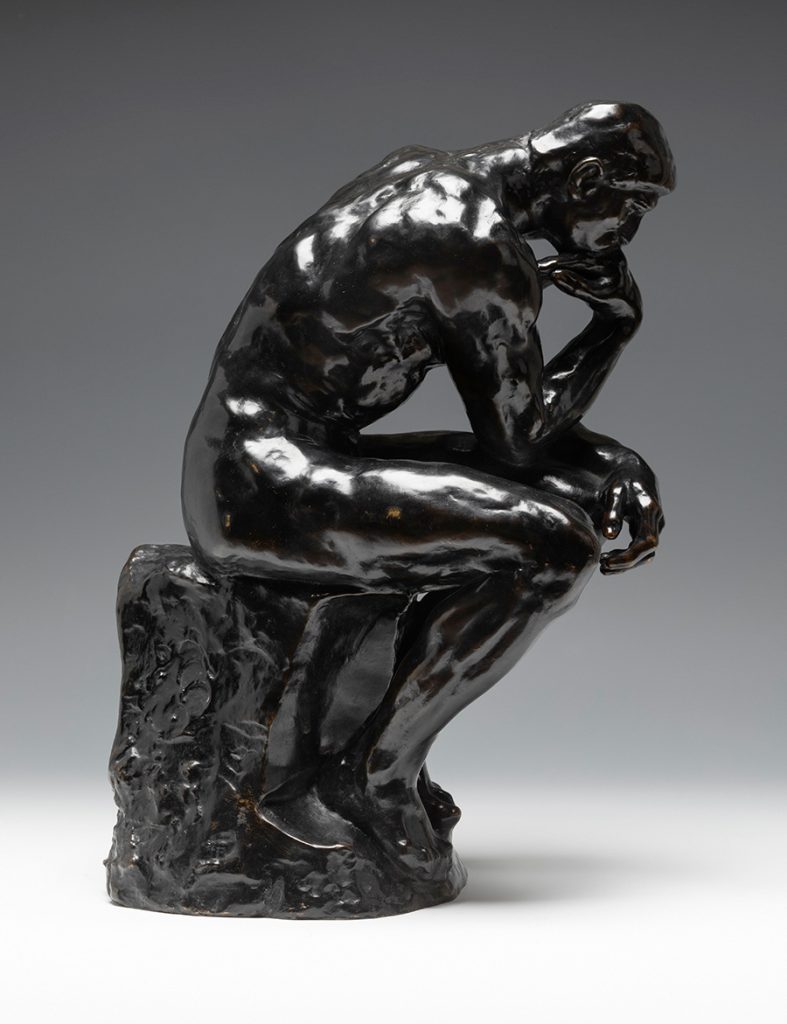
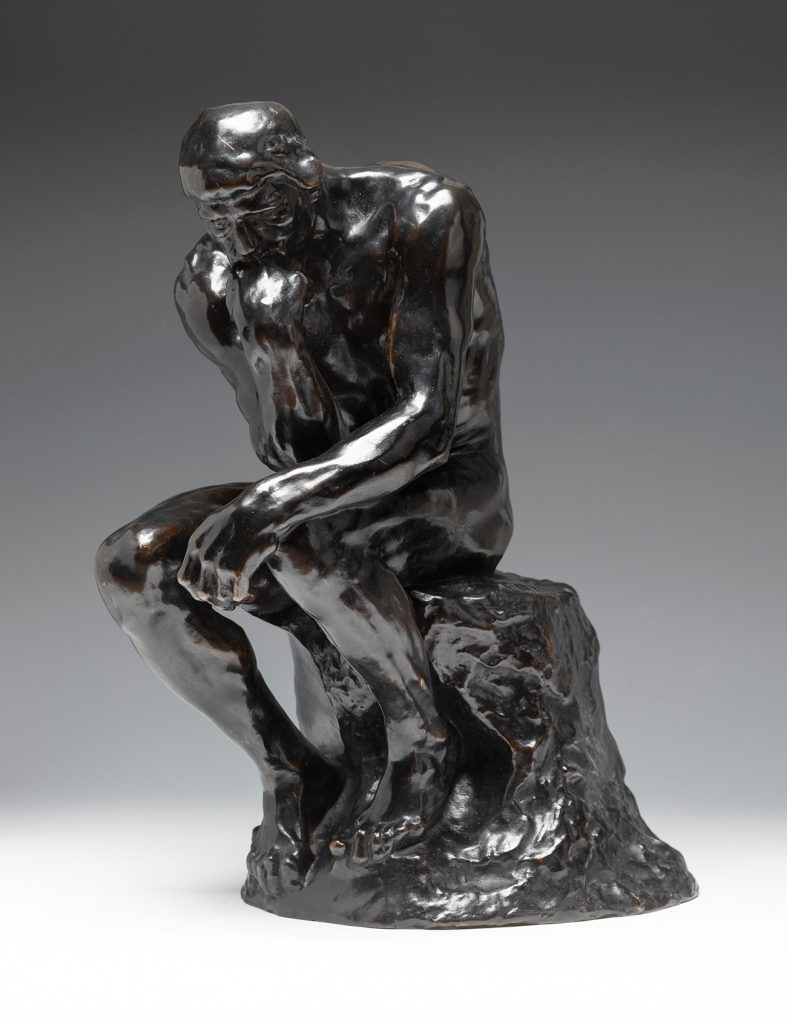
Reviewing these pairs of artists from a contemporary perspective allows us to understand that innovation was not unilateral, but the result of a complex exchange in which the female contribution was decisive.
Sonia Delaunay and Robert Delaunay
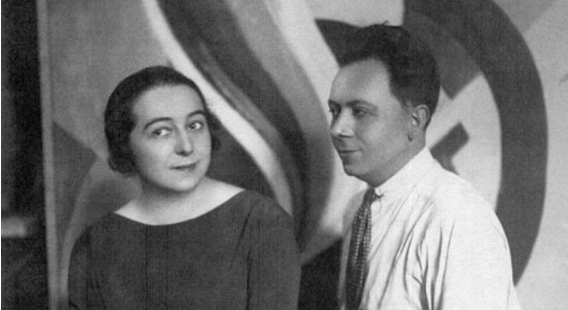
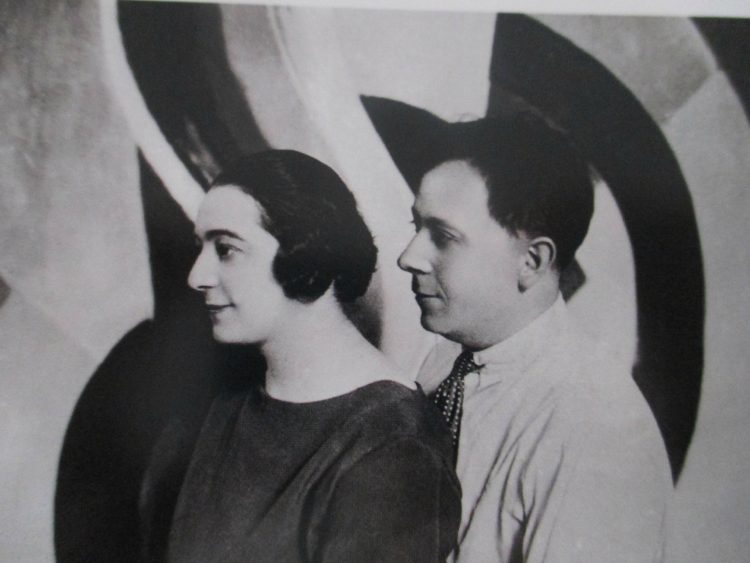
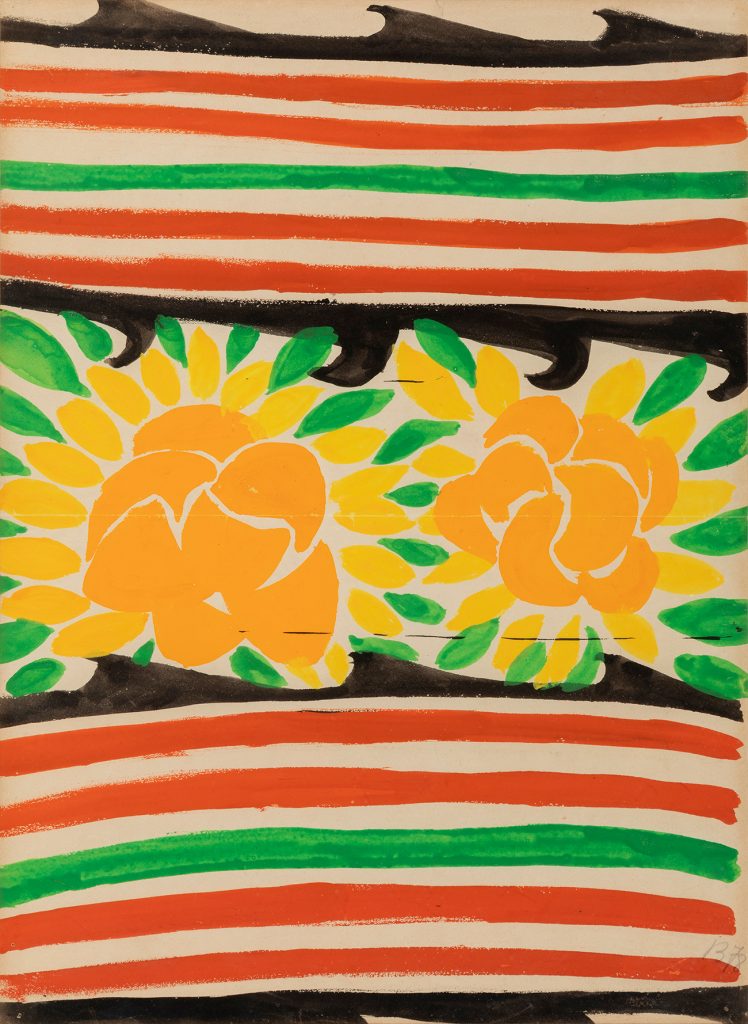
In the development of Orphism, Sonia and Robert Delaunay constitute one of the most influential artist couples of the 20th century. Robert explored abstraction from geometric structures, while Sonia led a color revolution applied not only to painting, but also to fashion, design and everyday life.
Within these artistic couples, Sonia Delaunay stands out for her ability to expand art beyond the canvas, integrating it into the modern experience. Her role was central in the consolidation of the movement and in the opening of new visual languages that connected art and society.
Jeanne-Claude and Christo
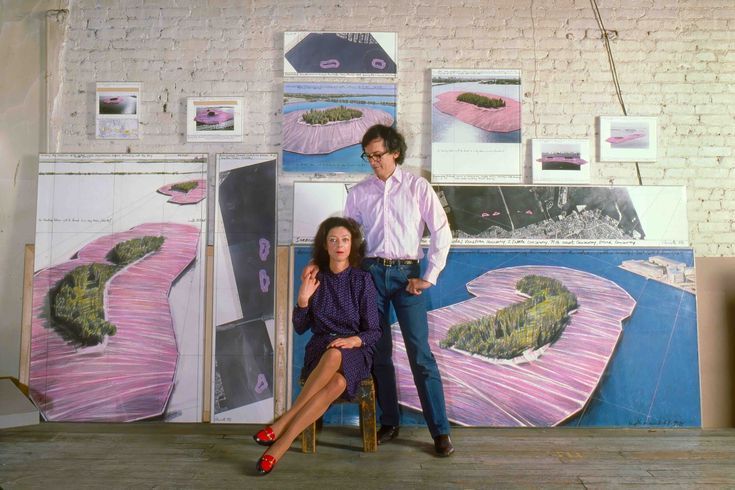
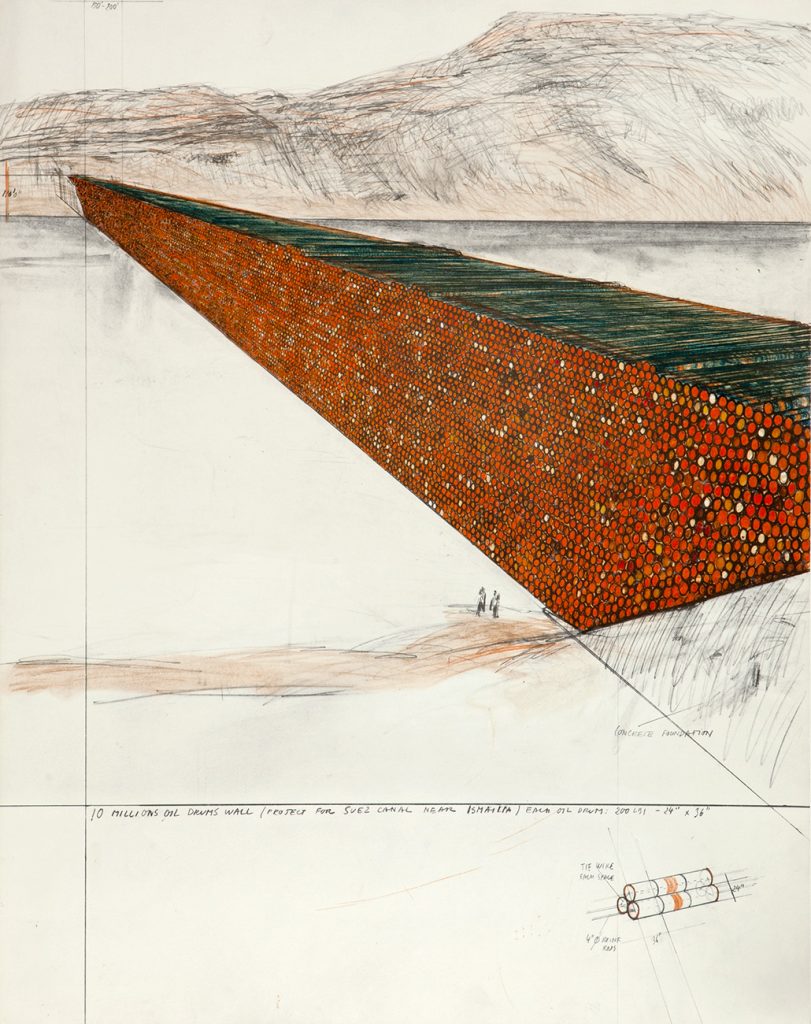
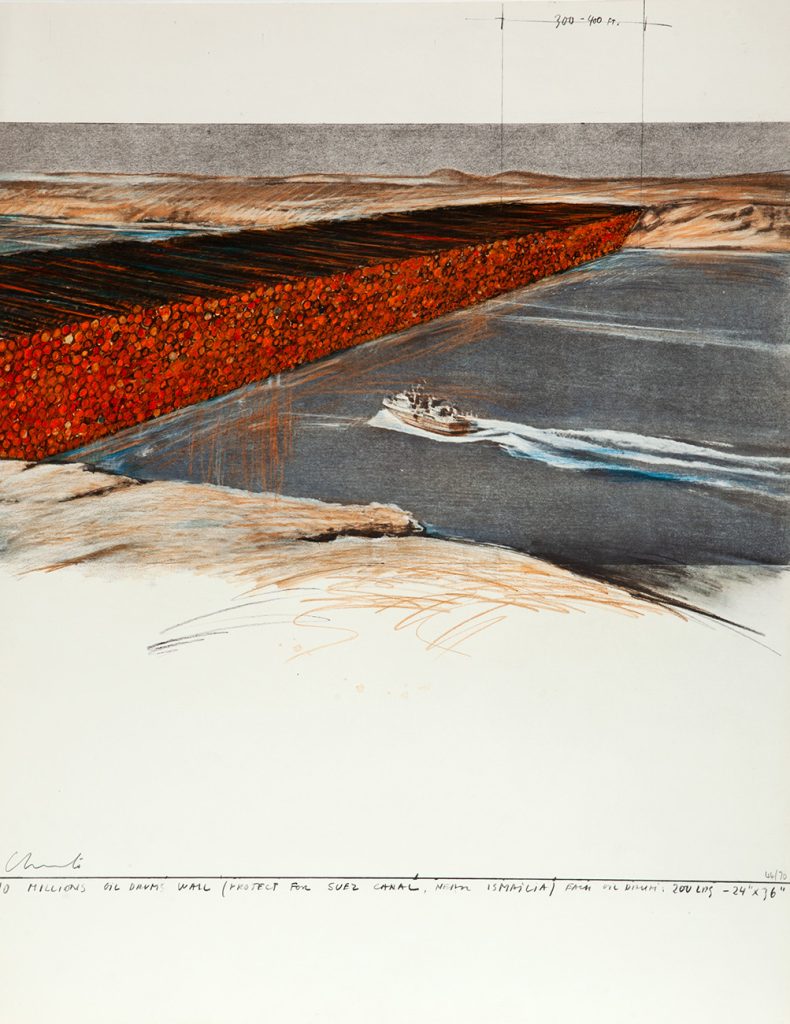
The case of Jeanne-Claude and Christo redefines the very concept of authorship within artist couples. Projects such as The Floating Piers or the wrapped Reichstag cannot be understood without the inseparable collaboration between the two.
While Christo developed technical and conceptual solutions, Jeanne-Claude assumed the strategic, organizational and executive leadership that made these monumental interventions possible. For years, her name remained in the background, but today it is impossible to analyze these artistic couples without recognizing Jeanne-Claude’s structural and creative dimension.
Recognizing creativity as a couple
The great artist couples have been spaces of exchange where both members contributed talent, vision and innovation. However, traditional historiography has often made the female contribution invisible, relegating it to the background or interpreting it as secondary support.
Reviewing the stories of Frida Kahlo and Diego Rivera, Camille Claudel and Rodin, Sonia Delaunay and Robert Delaunay, Niki de Saint Phalle and Tinguely, or Jeanne-Claude and Christo, allows us to understand that these pairs of artists were fundamental drivers of modern and contemporary art.
Recognizing this shared authorship does not detract from the merit of male collaboration, but rather enriches the historical reading and highlights the leadership, innovation and voice of female creators who also signed -and transformed- the history of art.
If you liked this article you may also be interested in: