We explore the current trends in the design auction market through the strategic vision of Claudia Fuglsang-Madsen, Business Developer and head of the Design Department at Setdart.
1. After graduating in Architecture from La Salle and working in several architectural firms, you decided to join Setdart to lead the Design Department. What potential did you see in the company to decide to move from architecture to the art auction sector?
For me it was not a change of direction, but a natural evolution. Architecture teaches you to understand space, scale and how the design of each piece dialogues with its surroundings. That look is very valuable in the field of design, especially when we talk about pieces that not only fulfill a function, but also have an aesthetic, historical and cultural dimension.
Having grown up in a family dedicated to the art market, auctions and the art world, has allowed me to know very closely the evolution of the sector and detect the potential of Setdart for its ability to bring collecting to increasingly wider audiences and, in this case, to 20th century design, through a contemporary auction model, digital and with an expert curation. With this type of dynamics, the sector is no longer perceived as a static environment or one reserved for a few, but as a more dynamic, transparent and accessible space.
2. How would you define the current situation of the international secondary design market?
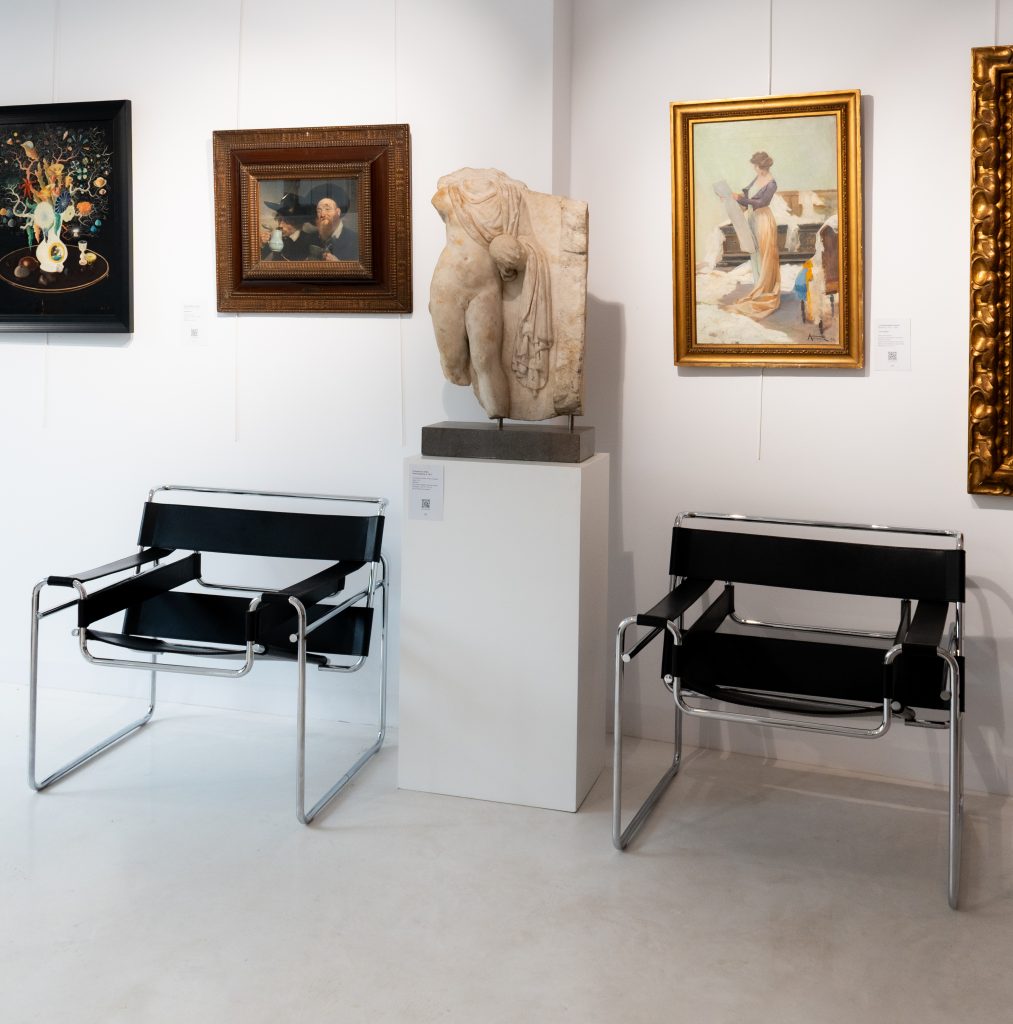
The secondary design market is experiencing a moment of great dynamism at an international level. Signature design and vintage pieces from the 20th and 21st centuries have gained an increasingly relevant presence at auctions, both for their aesthetic and historical value and for their ability to connect with new forms of collecting.
Today luxury is no longer identified only with new or catalog furniture, but also with the uniqueness, provenance and quality of pieces that already exist. Architects, interior designers, collectors and specifiers increasingly value these objects not only as furniture, but also as expressions of material culture, identity and, in some cases, also as assets with a path to revaluation.
3. Buyer behavior is constantly evolving. What trends define the design collector today?
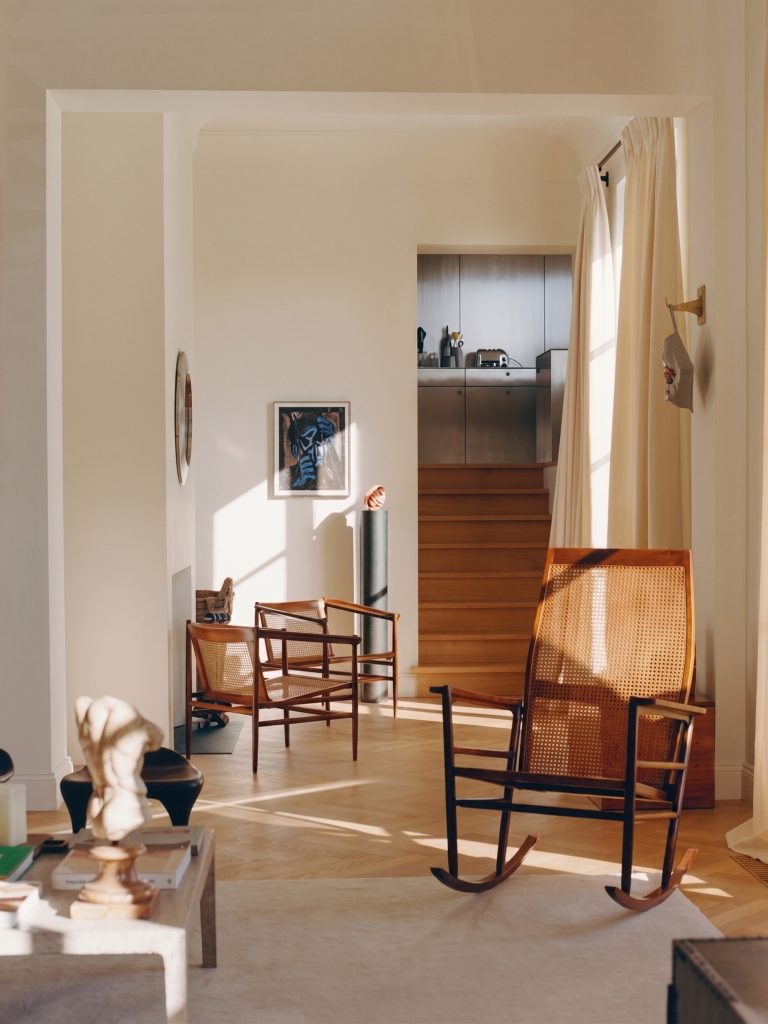
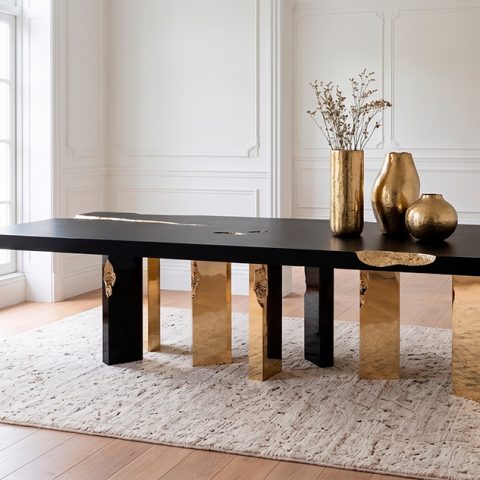
Today’s collector is much more eclectic, informed and selective. They are no longer looking for the “total look” of a single era; the absolute trend is mix-and-match, the value lies in the history and interest in the formal and cultural design of each piece. A contemporary buyer can bid at the same auction for a Brutalist table from the 1970s, Charlotte Perriand chairs and a postmodern Memphis light fixture.
In addition, there is a very relevant generational factor: new collectors incorporate sustainability as a purchase criterion, but understood from the perspective of durability, reuse and circularity of the object. They do not just buy a signature; they are looking for historical value, authenticity, provenance and pieces with the capacity to retain their interest over time.
4. Throughout your career at Setdart, you have had the opportunity to guard pieces that are true milestones in the history of design. Which batches do you remember in particular?
It is difficult to choose, because Setdart constantly passes through pieces that are true milestones in the history of design, but there are some lots that I remember with special pride.
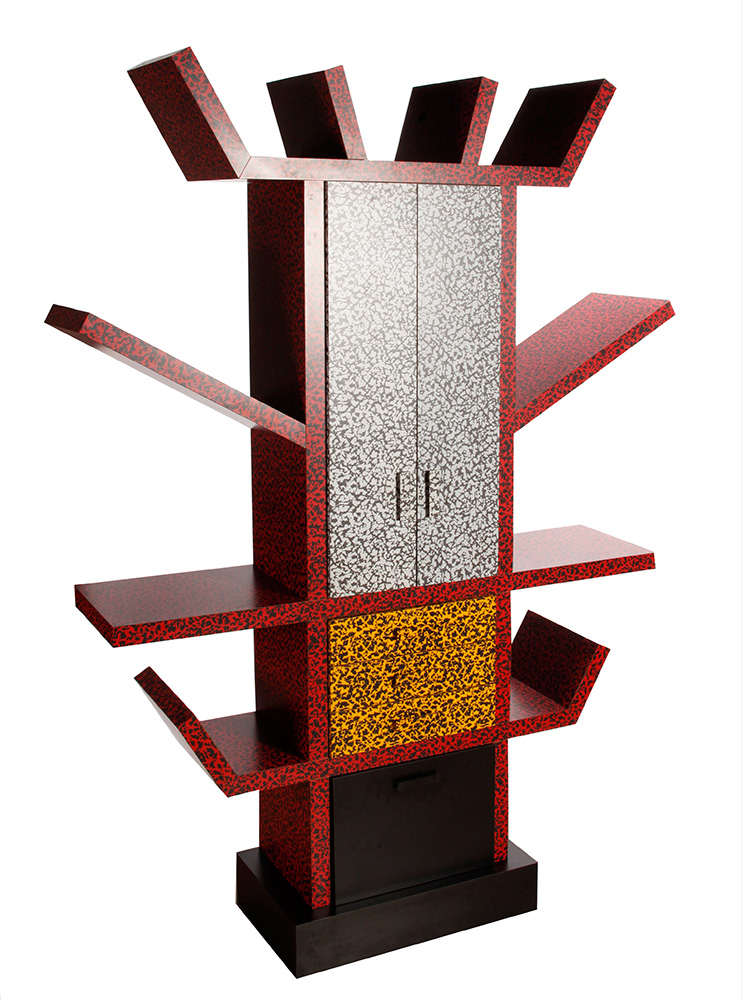
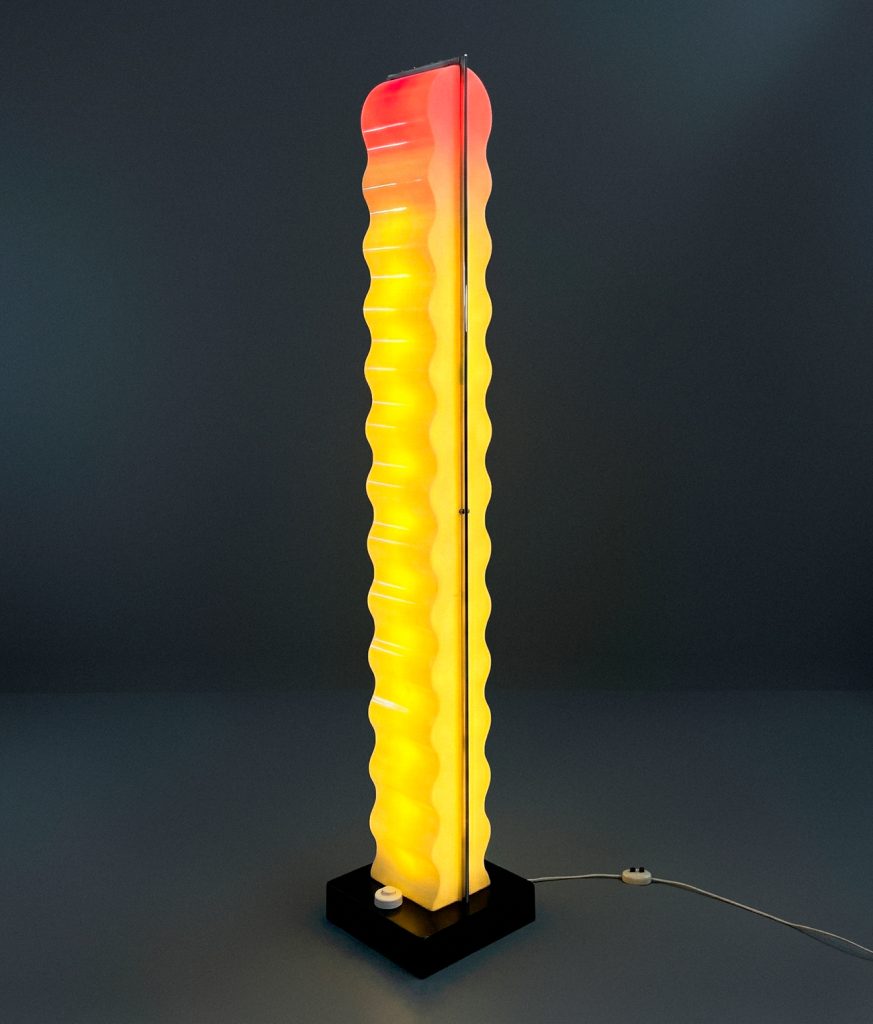
Among them I would highlight the strength of radical Italian design through two works by Ettore Sottsass: the iconic Casablanca buffet, awarded at €11,000, and the La Cometa lamp for Design Centre, which reached €13,000. They are pieces that reflect very well the growing interest in postmodern collecting.

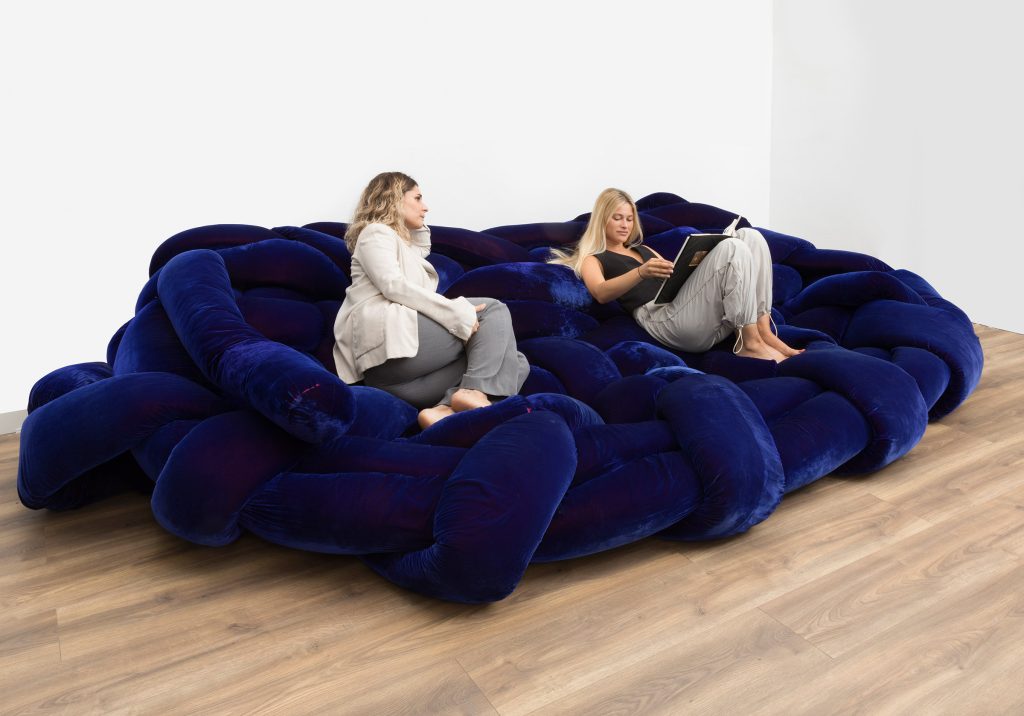
It was also a privilege to auction such a sculptural piece as the Boa sofa by the Campana Brothers for Edra, a work of great formal presence and textile complexity, which was sold for €19,000.
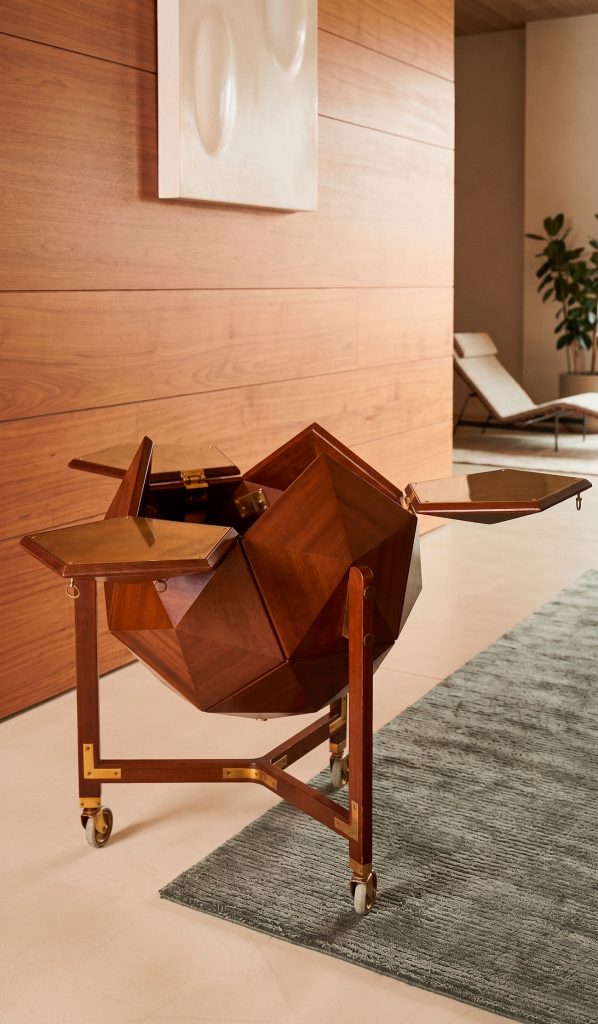
Finally, I would like to highlight the recent award of the Polyhedron bar furniture by M. Vuillermoz for Cambrine, an exceptional lot that aroused great interest among buyers and was sold for €26,000. For us, results like these confirm the current dynamism of the market and the appetite for unique, well-documented pieces with a very strong identity.
5. For that Design lover who owns a piece or a collection and is considering selling it: what are your recommendations?
My main recommendation is to be advised by specialists. In design, as in art, every detail matters: authorship, edition, provenance, state of conservation, available documentation and the right time to market.
I think the auction format is a very smart and transparent strategy, because it allows to contrast the real interest of the market and generate competition among buyers. In the case of Setdart, we also offer access to an international community of collectors, interior designers and design professionals, along with global visibility.
The first step should always be to request a professional appraisal that allows us to know the current value of the piece or collection. From there, it is essential to design an appropriate sales strategy, with attractive estimates and realistic reserve prices, capable of stimulating participation and favoring the best possible result.
7. Beyond the great established masters, which cult movements or designers would you recommend to follow closely because of their projection and their solid potential for revaluation in the secondary market?
For collectors looking to stay ahead of the market, I think it is interesting to look beyond the most obvious names and pay attention to currents with a very marked identity.
First of all, I would highlight the Space Age of the seventies, with its commitment to sculptural impact, the use of plastic, fiberglass and futuristic forms, through figures such as Joe Colombo, Eero Aarnio or Klaus Uredat.
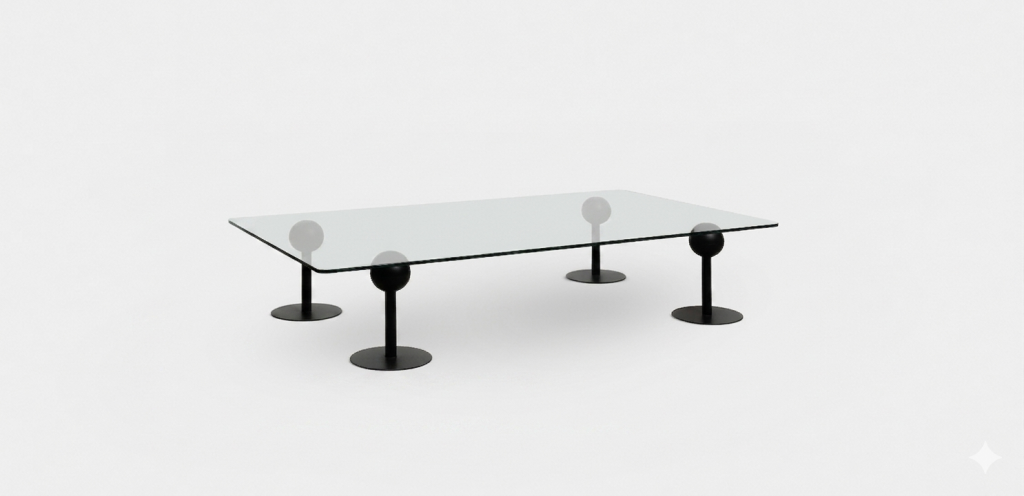
Also very attractive is the conceptual minimalism of the late twentieth century, a trend that blurs the boundary between design and contemporary art. Designers like Shiro Kuramata, Ron Arad or Philippe Starck have created pieces in metal, acrylic or industrial materials that today arouse growing interest among collectors.
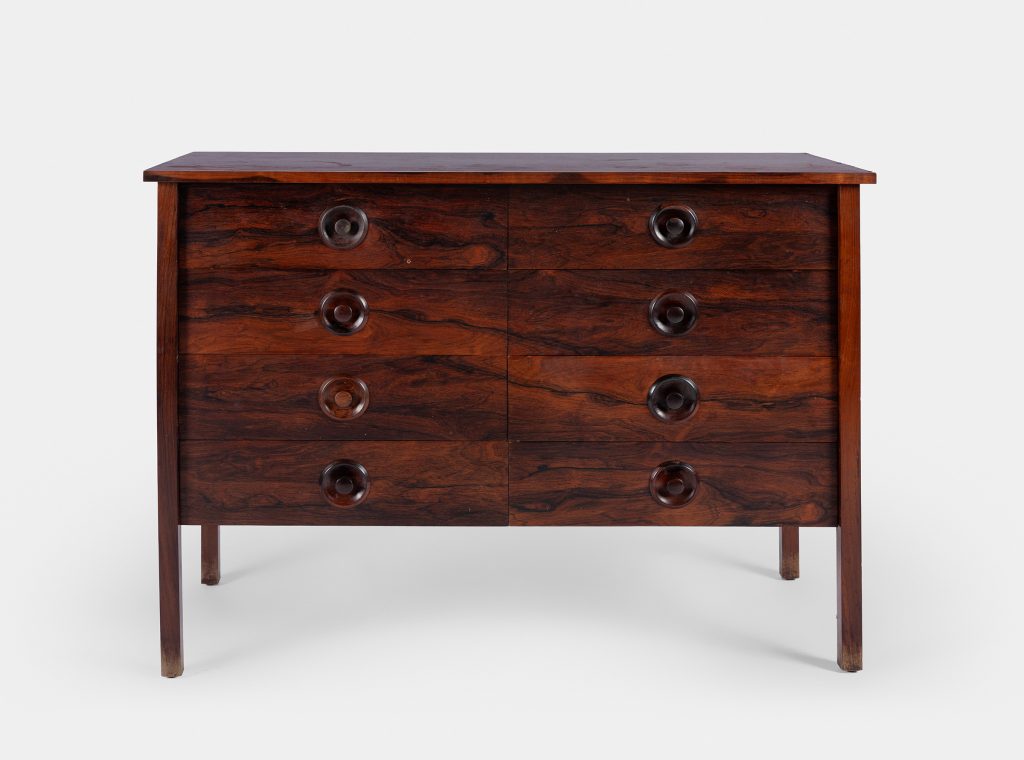
Finally, I would follow very closely Latin American tropical modernism, especially Brazilian design, with names like Joaquim Tenreiro, Sergio Rodrigues or Jorge Zalszupin. It is a field that combines craftsmanship, modernity, formal sophistication and an extraordinary use of native woods.
These three lines -space age, conceptual weightlessness and the warmth of Brazilian design- offer a very rich reading of 20th century design and may represent a particularly interesting avenue for those looking for pieces with personality, historical background and secondary market projection.
8. Looking to the future of the art market and collecting, what is the strategic vision that will mark Setdart Design auctions in the coming years?
At Setdart, technological innovation has always been part of our DNA. We were pioneers in understanding the potential of the digital environment applied to the auction market, and our vision for the future is to continue making this sector more agile, transparent and accessible.
In the field of design, we want to offer an increasingly intuitive and specialized experience, capable of connecting unique pieces with collectors, interior designers and professionals from all over the world. The goal is to eliminate traditional barriers and bring high-end design to a wider, more diverse and dynamic public, without renouncing the expert rigor that this market demands.
The second fundamental axis is internationalization. Setdart already has an active community of collectors from more than 100 countries, and our strategy is to continue expanding this network of international buyers and sellers.
The design market is, by nature, global: a piece consigned in Barcelona may arouse the interest of a bidder in Tokyo, a collector in Paris or an interior designer in New York. Our goal is to reinforce Setdart’s role as a platform capable of connecting supply and demand in an efficient, secure and specialized way.
If you liked this blog, you may also be interested in: