From the Cubist breakthrough to Surrealist exploration, from the revival of figurative art to experimentation with materials. Twentieth-century art profoundly transformed the way we conceive of the image and its expressive possibilities.
The 20th century ushered in a period of profound transformations in the history of art. The principles that had defined pictorial representation for centuries—perspective, proportion, and fidelity to visible appearance—were no longer taken for granted. Artists began to explore new ways of constructing the image, challenging traditional genres and incorporating techniques and materials previously foreign to painting.
One of the defining moments of this process occurred during the early avant-garde movements, such as Cubism and Surrealism. After World War II, artistic exploration took new directions: materiality, gesture, and abstraction came to the forefront, while other artists continued to develop deeply personal figurative languages.
The works brought together in our upcoming auction offer a glimpse into these two major moments of transformation through some of their most representative figures.
The Early Avant-Garde Movements: The Break with Traditional Representation
In the early 20th century, European art underwent a radical reexamination of its foundations. Cubism and Surrealism proposed two distinct, yet equally decisive, ways of moving beyond traditional models of representation: the former challenged the construction of space and visual perception; the latter explored the realms of the unconscious and the imagination.
Cubism and Pablo Picasso: A New Conception of Space and Form
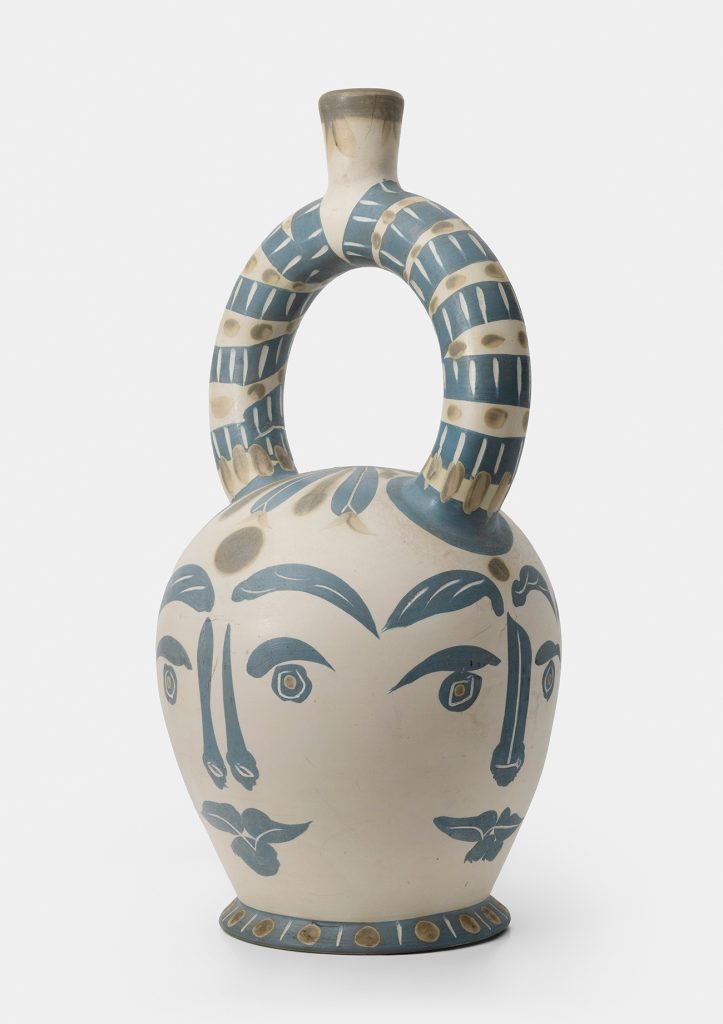
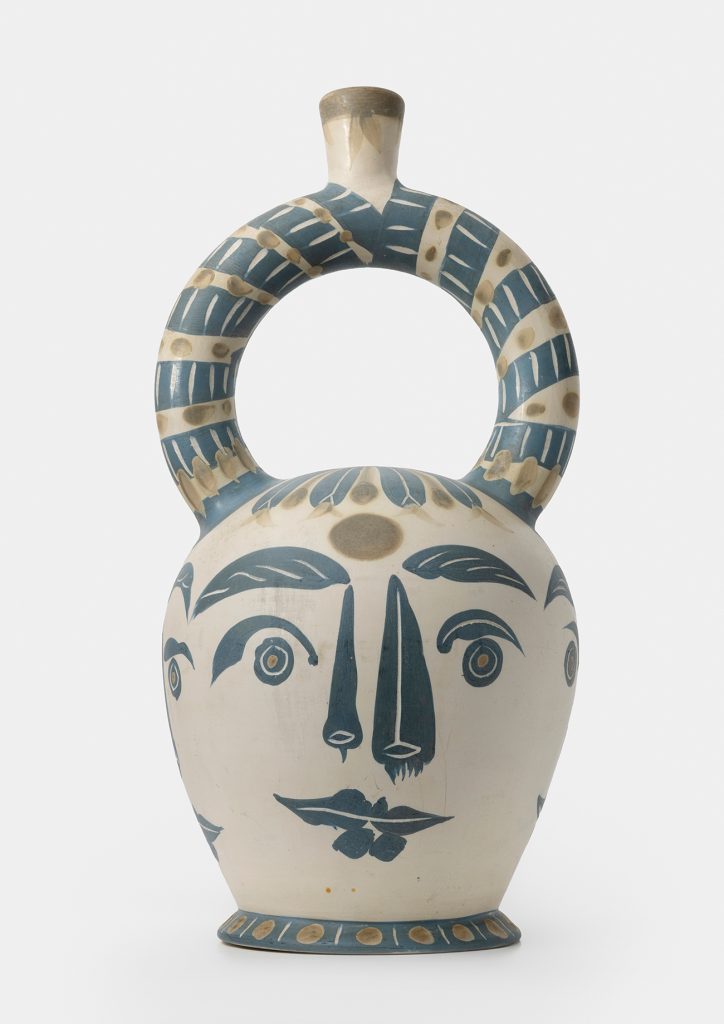
Spurred by Pablo Picasso and Georges Braque, Cubism broke with the single-point perspective inherited from the Renaissance. Objects were no longer depicted from a single viewpoint but began to be broken down into geometric planes, incorporating different perspectives within a single composition. This new approach transformed the pictorial surface into an autonomous space for construction and paved the way for experimentation that also extended to sculpture and the applied arts.
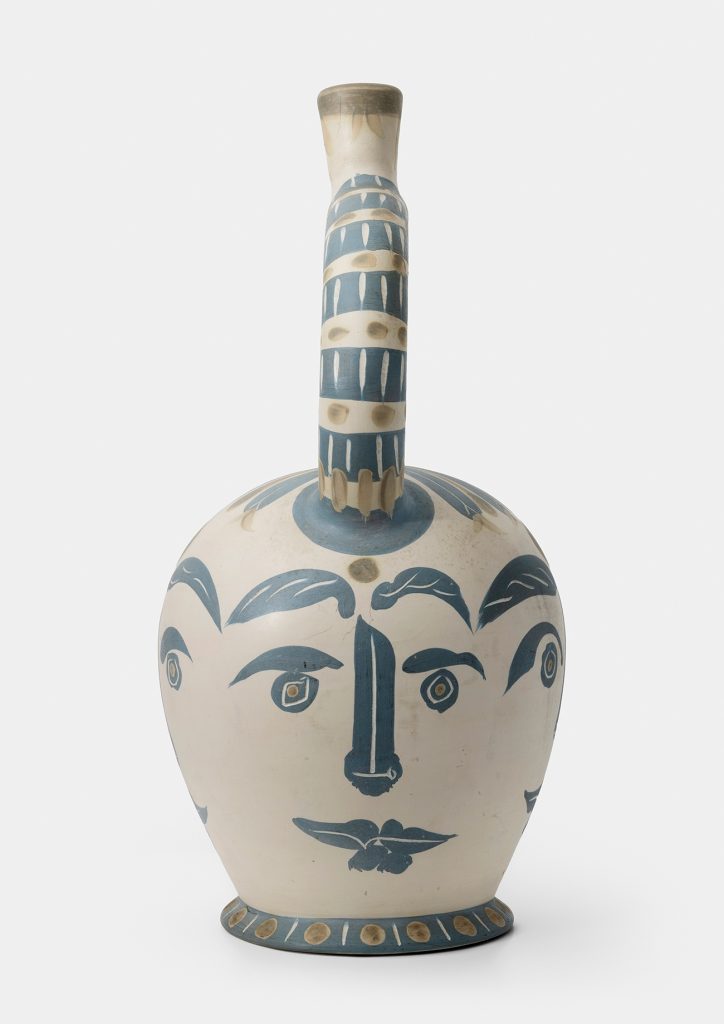
Picasso’s ceramics offer a particularly interesting example of this capacity for renewal. Beginning in 1947, his collaboration with the Madoura workshop in Vallauris allowed him to translate his artistic universe into a different medium. In the *Vase aztèque aux quatre visages*(Aztec Vase with Four Faces), conceived in 1957 and produced in an edition of fifty, the artist integrates four faces into the structure of the vessel, transforming a traditional object into a sculptural piece. The piece reinterprets the typology of the stirrup-handled vases of the Moche culture from a modern perspective.
Surrealism: The Universe of the Imaginary. Dalí and Óscar Domínguez
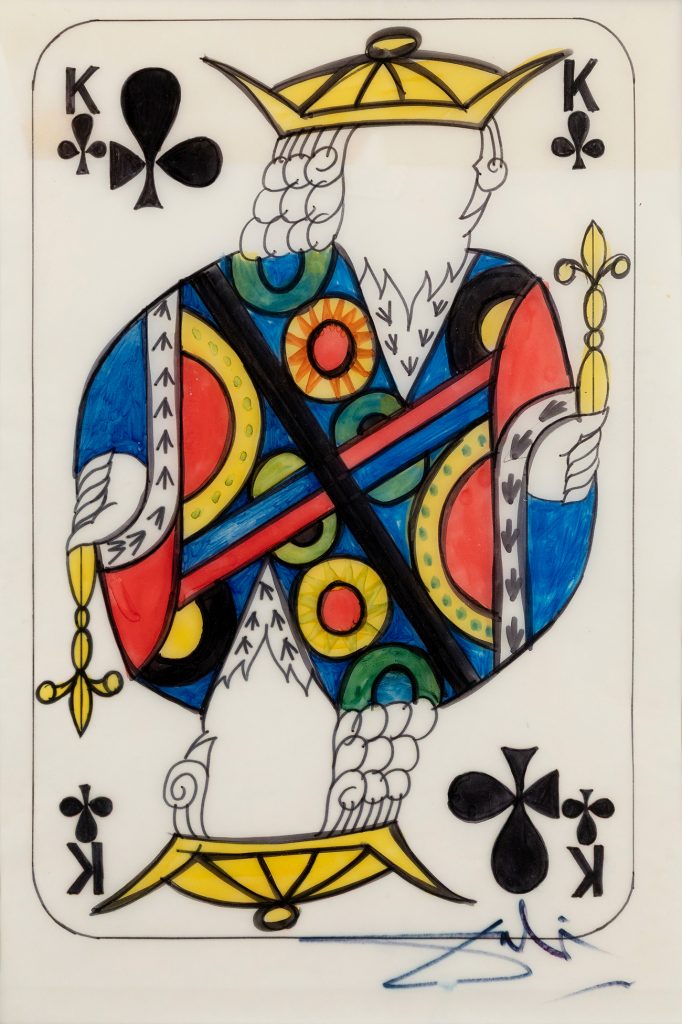
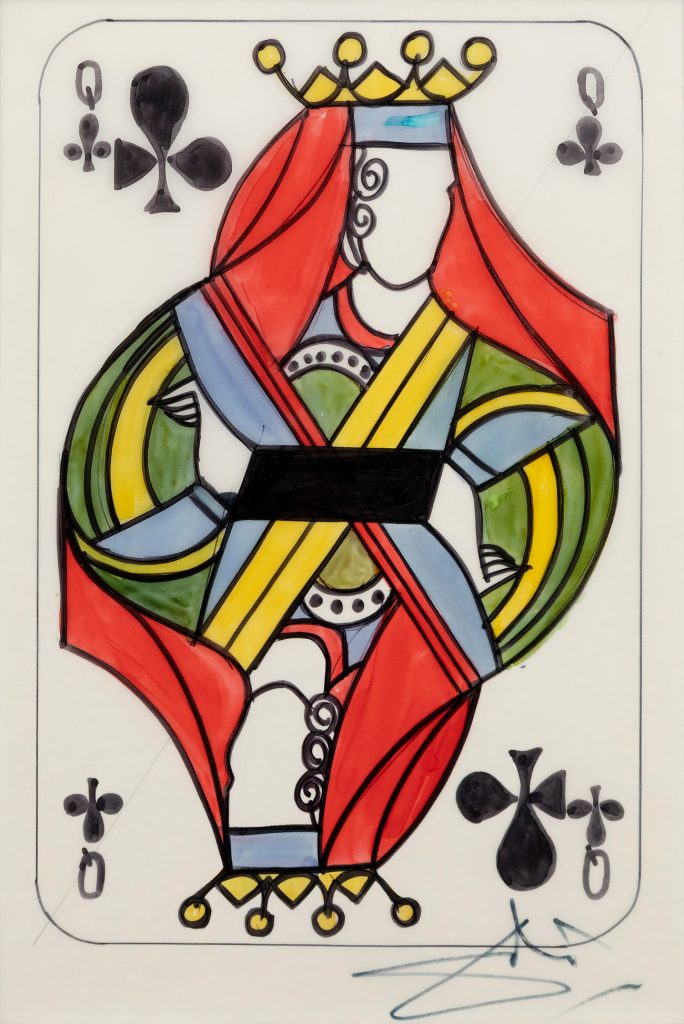
Emerging in Paris around André Breton’s 1924 manifesto, Surrealism advocated the exploration of dreams, the unconscious, and free association as ways to transcend rational logic. The image ceased to depend exclusively on the observation of reality and became a realm open to the imagination.
Salvador Dalí extended his surrealist imagination beyond the realm of painting. This is evident in the two original drawings he created in 1967 for a deck of playing cards commissioned by the prestigious Parisian firm Puiforcat. The traditional playing card figures are reinterpreted through geometric compositions and visual associations that transform popular iconography into an exercise in artistic creation.
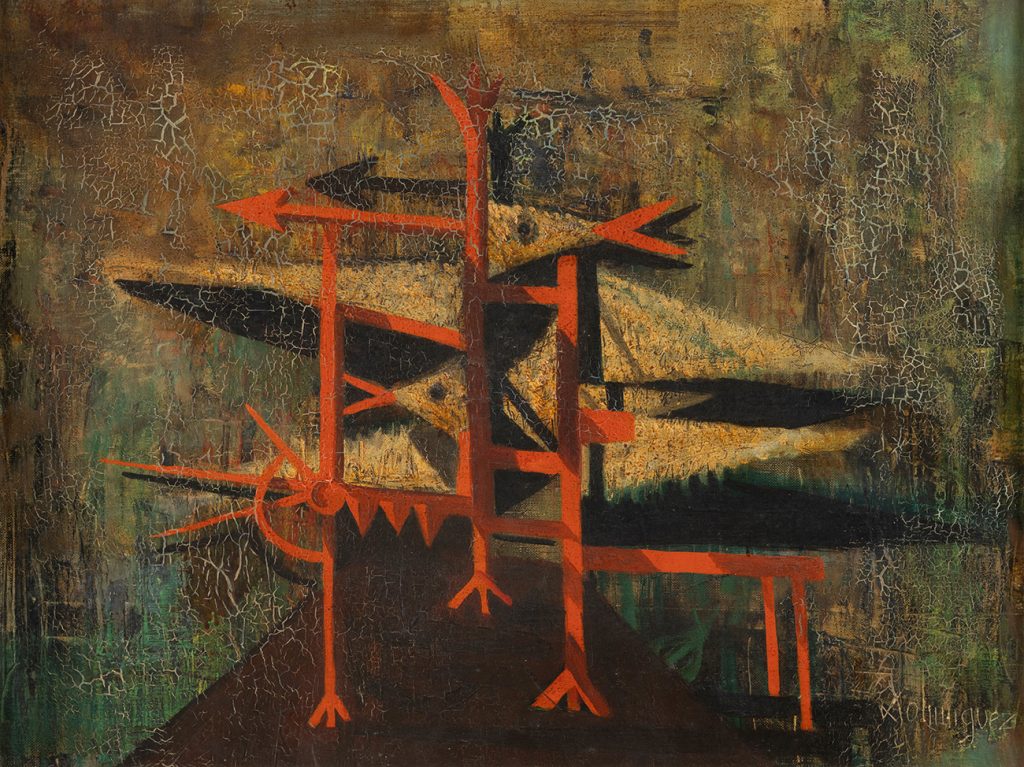
In the case of Óscar Domínguez, surrealist imagination coexists with a progressive exploration of geometry. In *Mechanical Birds*, created around 1952, the birds are transformed into hybrid structures—halfway between the organic and the artificial—constructed using angular profiles, triangular shapes, and lines of intense red that stand out against a background of ochre, green, and brown tones.
The work belongs to the artist’s so-called “schematic” period, which developed during the postwar years and was marked by a growing influence of Cubism and, especially, of Pablo Picasso. Domínguez does not abandon the irrational associations characteristic of Surrealism, but rather subjects them to a new formal organization, in which geometry and structure take on a central role.
The Postwar Period: Matter, Abstraction, and the Renewal of Figuration
World War II marked a profound rupture in European culture and ushered in a new artistic landscape. During the 1940s and 1950s, numerous artists questioned traditional artistic languages and explored new expressive possibilities. The pictorial surface took on a physical dimension, material became the focal point, and the boundaries between painting, collage, and sculpture began to blur.
Antoni Clavé: Experimentation Between Painting and Object
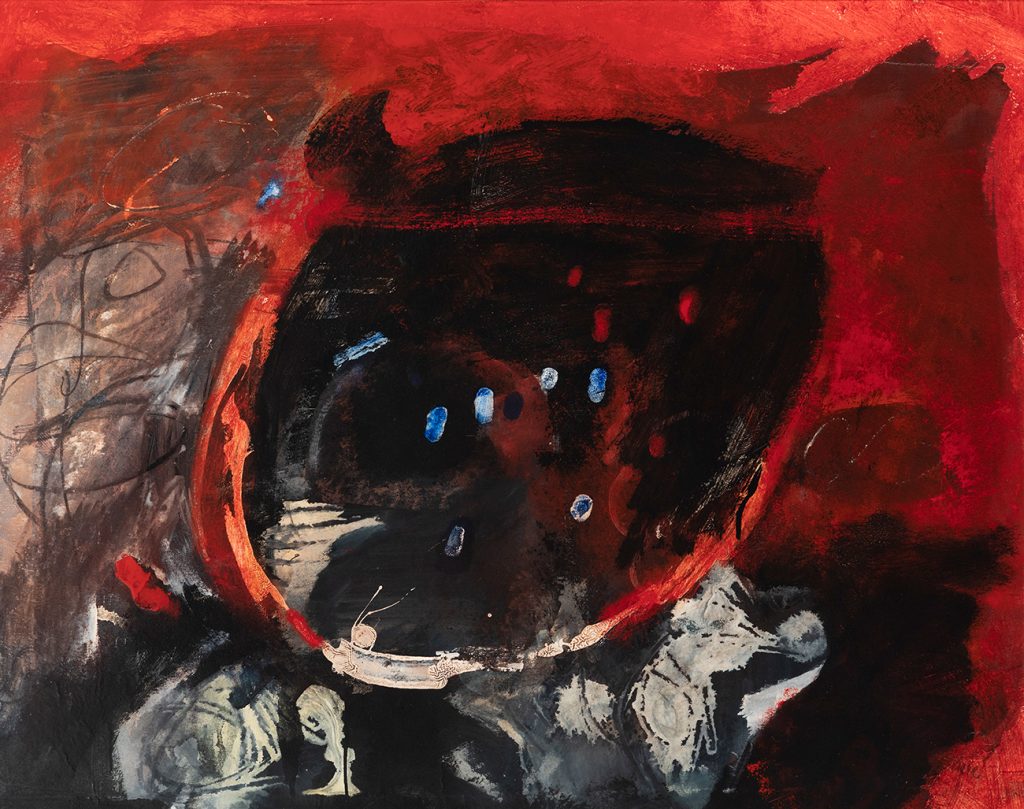
Antoni Clavé’s career reflects the transformation of postwar European painting. After settling in Paris in 1939, he developed an increasingly experimental style, incorporating textures, layers, reliefs, and various materials.
In *Pastèque noire* (1955), he draws on a recognizable still-life motif but subjects it to a process of simplification and transformation that distances it from conventional representation. Oil, graphite, and collage are combined in a composition built on layers, contrasts, and overlapping elements, where the image seems to emerge from the material itself. The work thus illustrates a particularly interesting phase in his career, during which Clavé began transforming everyday objects into sculptural structures, giving the surface and materiality equal importance to that of the depicted subject.
Antoni Tàpies: Matter as Language
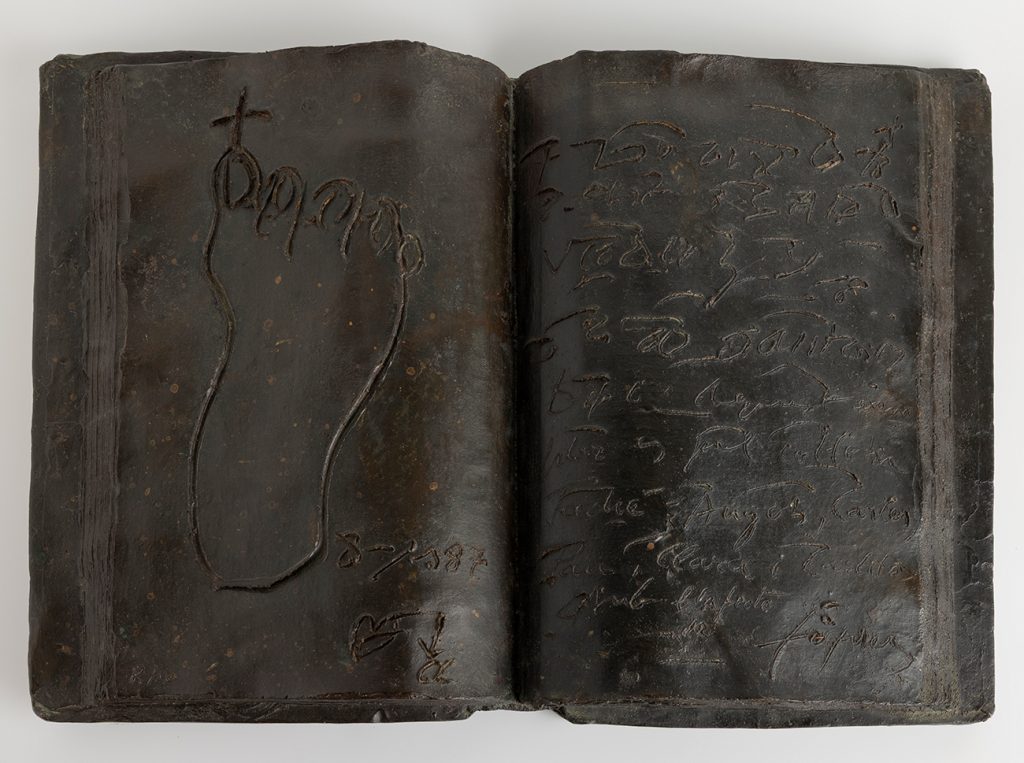
Research into the material is one of the central themes of Antoni Tàpies’s work. Initially associated with the Dau al Set circle—a group that emerged in Barcelona in 1948—he evolved toward a language of his own linked to European Informalism. His compositions incorporate earth, pigments, incisions, and graphic elements that transform the surface into a space rich with traces and meanings.
In *Libro* (1987), Tàpies extends this exploration to the realm of the book: the bronze sculpture takes the form of an open book, whose pages feature reliefs, incisions, and marks that evoke writing, the body, and memory. The everyday object is thus transformed into a surface for artistic and symbolic expression.
Bernard Buffet: The Modernity of a Classical Genre
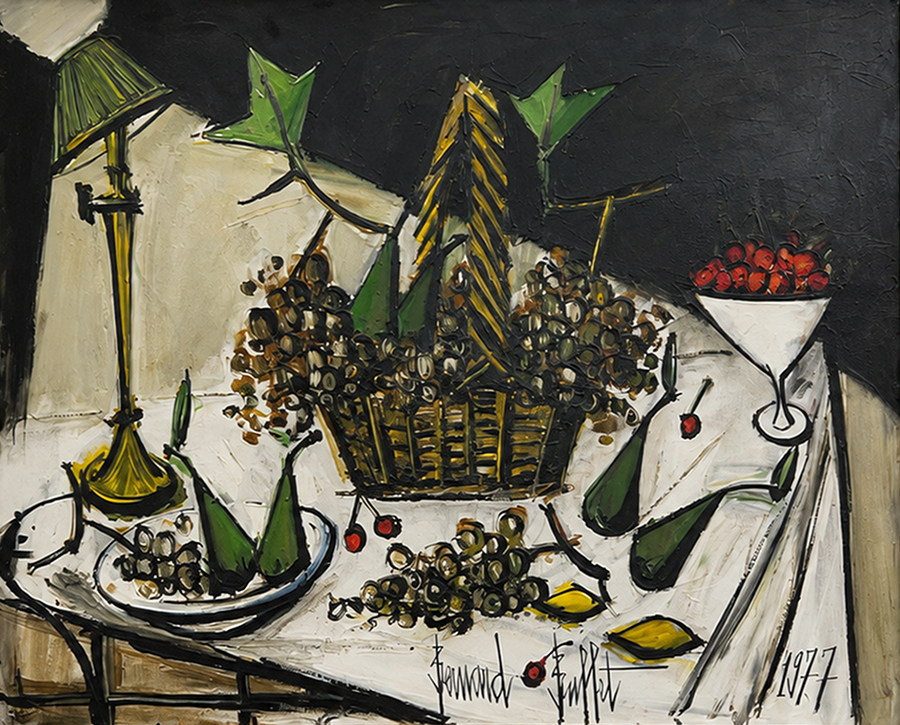
The postwar artistic renewal did not lead exclusively toward abstraction. At the same time, some artists continued to work within the figurative tradition, subjecting traditional genres to a profound formal transformation. Bernard Buffet is one of the most recognizable figures in this tradition within French painting of the second half of the 20th century.
His 1977 Still Life offers a significant example of this reinterpretation. Buffet draws on a classic genre in the history of painting, but transforms it through a deliberately accentuated perspective, angular black outlines, and a palette of intense chromatic contrasts. Everyday objects take on an almost monumental presence, and the composition departs from the traditional balance of the still life to create an image of great visual tension.
The work demonstrates that modernity could also develop from figurative representation, without abandoning the themes inherited from the pictorial tradition. In Buffet’s work, the transformation does not lie in abandoning the genre, but in subjecting it to a new conception of space, line, and color.
Two Decisive Moments in the Transformation of Art
From Cubism’s break with Renaissance perspective to postwar material experimentation, the works brought together in our upcoming auction offer a glimpse into some of the fundamental transformations in 20th-century art.
The early avant-garde art movements pushed the boundaries of representation and opened up new realms for the imagination. Decades later, experimentation with materials, abstraction, and a renewal of figurative art carried on that drive to challenge established artistic languages.
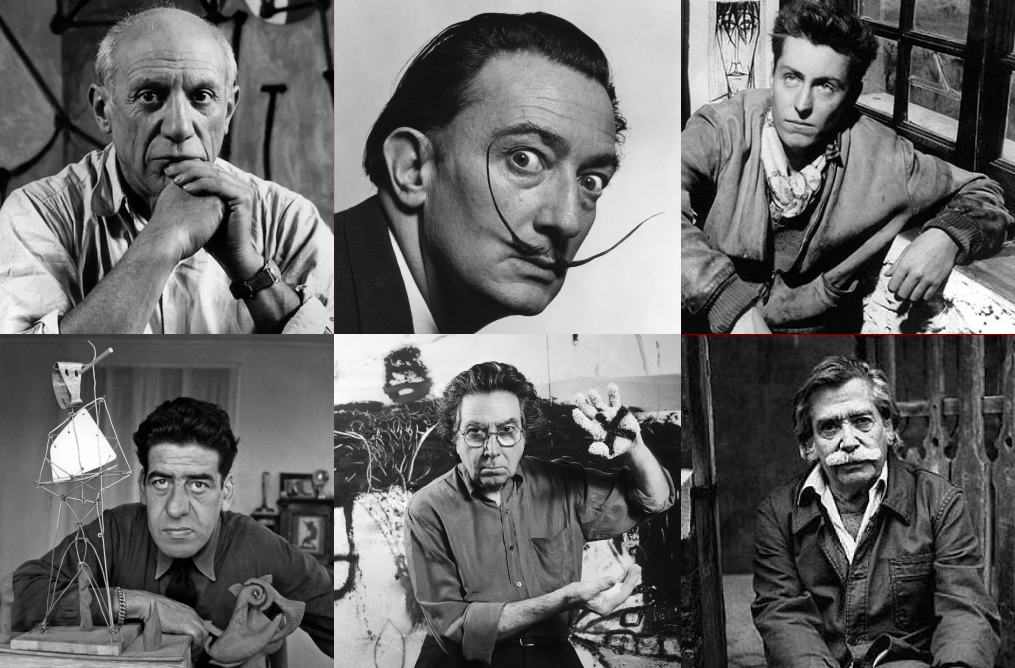
Setdart’s upcoming auction features works by Picasso, Dalí, Óscar Domínguez, Antoni Clavé, Antoni Tàpies, and Bernard Buffet, offering a journey through different ways of understanding artistic modernity.