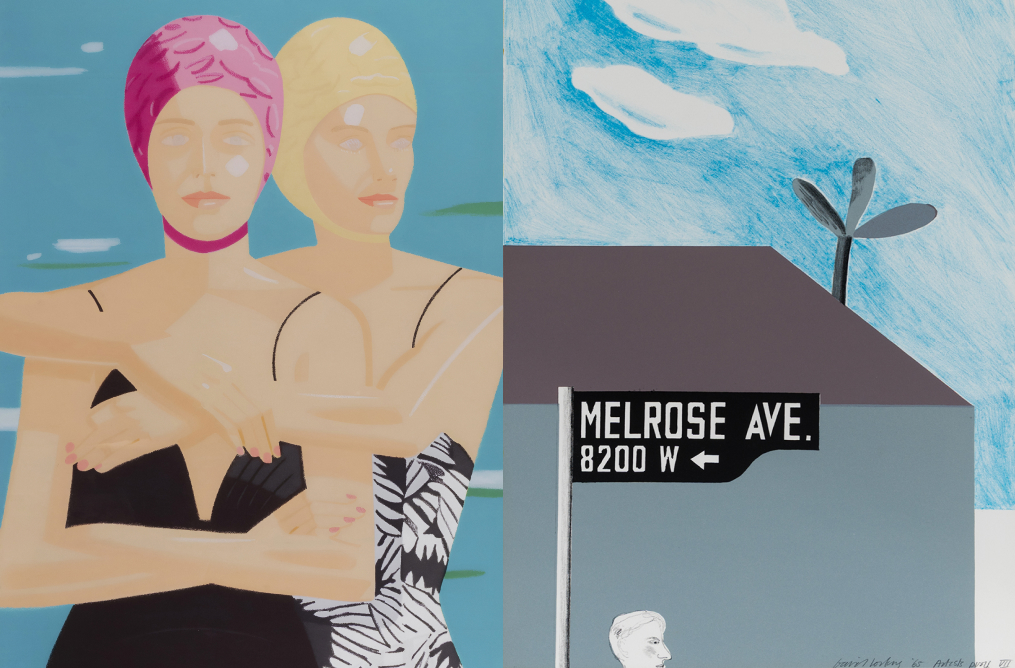
The second half of the 20th century changed the way we see the world forever.
Advertising filled the streets with images. Movies and television brought faces and products into millions of homes. Magazines, store windows, and graphic design transformed everyday life into a constant stream of visual stimuli. Images were no longer the exclusive domain of art—they were everywhere.
Artists could not remain on the sidelines of this transformation. In the United States and the United Kingdom, a new generation began to appropriate the languages of advertising, photography, film, fashion, comics, and consumer culture. The line between high culture and popular culture began to blur.
From this new landscape would emerge two of the fundamental art movements of the second half of the 20th century: American Pop Art and British Pop Art. But the renewal of the image did not come about solely through Pop Art. Artists such as Alex Katz revived figurative art from a contemporary perspective, demonstrating that painting could engage with the new visual culture without losing its autonomy.
Five artists offer a particularly clear perspective on this shift in outlook: Alex Katz, Andy Warhol, Tom Wesselmann, Peter Phillips, and David Hockney. Five different ways of engaging with a world that was, quite literally, beginning to be dominated by images.
Alex Katz: Figuration After Modernity
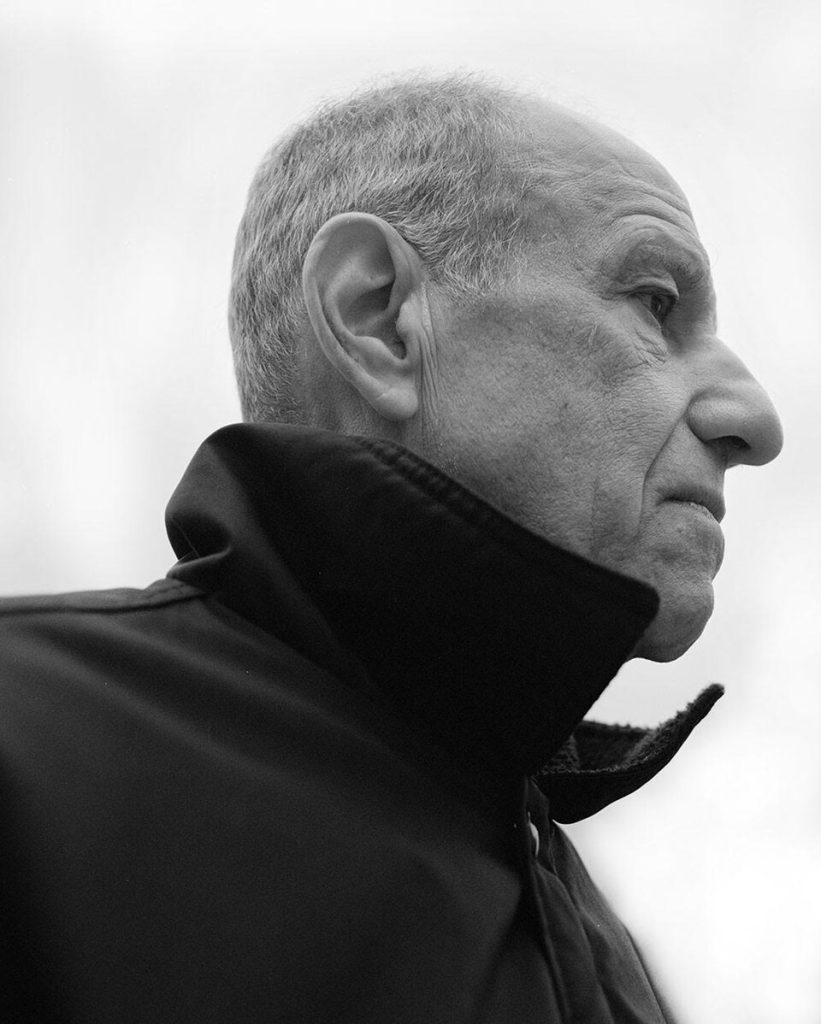
Within this new art scene, Alex Katz occupies a unique position.
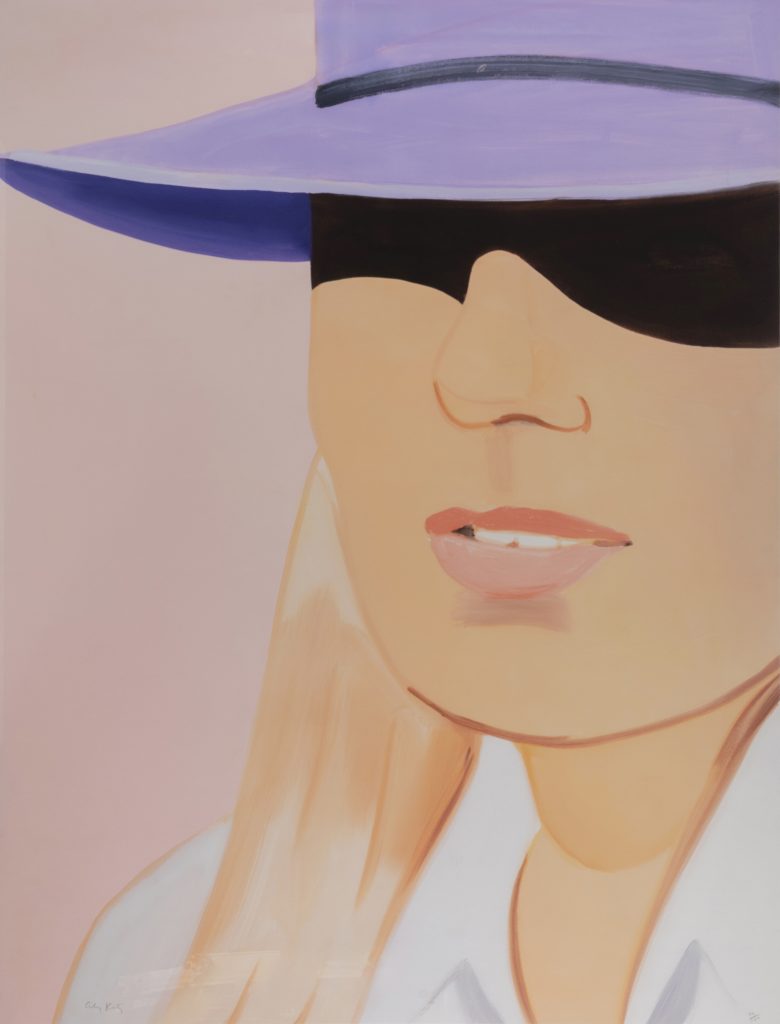
Born in New York in 1927, Katz began developing a radically simplified figurative style in the late 1950s. Faces, bodies, and everyday scenes are reduced to precise forms, defined contours, and flat fields of color, eliminating many of the traditional narrative elements of portraiture.
His world is deeply intertwined with the visual culture of his time: fashion, film, advertising, urban life, and new codes of representation.
But Katz did not simply set out to transfer those images onto the canvas. His approach was more subtle: to transform the contemporary visual experience into painting.
That is where much of its significance lies. While Pop Art questioned the relationship between art, consumption, and reproduction, Katz demonstrated that figurative art could incorporate the immediacy of contemporary culture while continuing to address essentially pictorial issues: color, composition, scale, portraiture, and the relationship between figure and background.
His work thus represents one of the fundamental paths toward the renewal of American figurative art.
Andy Warhol: When the Icon Becomes Art
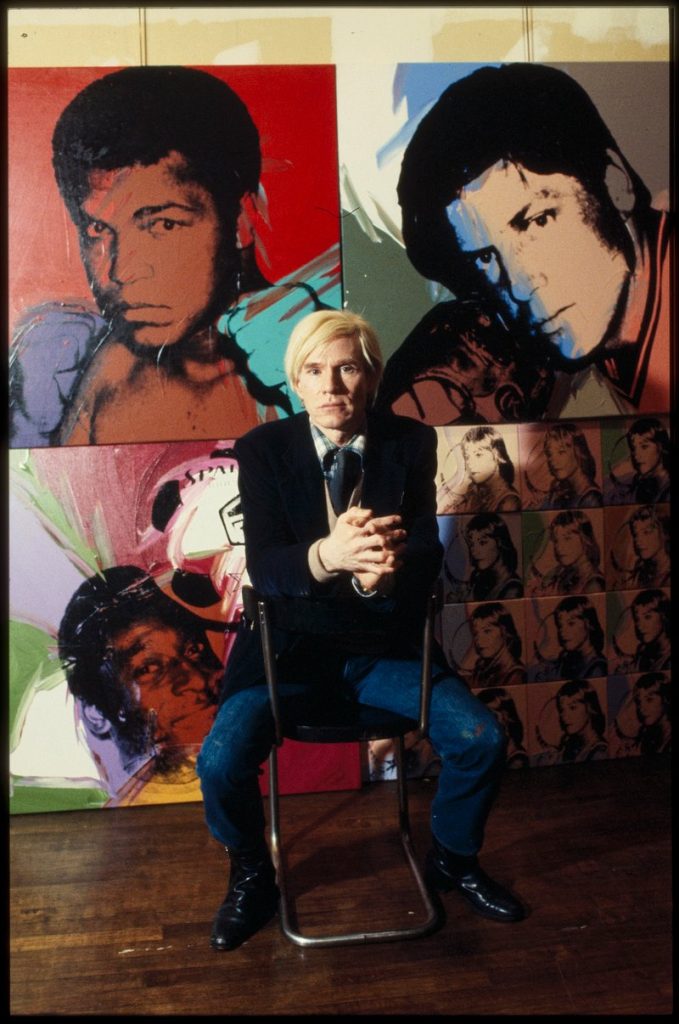
If there is one artist who understood better than most that contemporary society was constructing a new mythology through images, it was Andy Warhol.
In the 1960s, Warhol turned commercial products, celebrities, and press photographs into the focal points of his works. A can of soup, a bottle of soda, or the face of a Hollywood star could take on the same visual presence that a portrait or still life had traditionally possessed.
But the issue went far beyond that topic.
Warhol incorporated the logic of industrial reproduction into art. The repetition of the same image challenged the idea of the unique work of art and brought to the forefront one of the great paradoxes of mass culture: the more an image is reproduced, the more recognizable and powerful it can become.
Marilyn Monroe, Elvis Presley, and supermarket products ceased to be mere commercial images and became icons of a new visual culture.
Tom Wesselmann: Desire, Advertising, and the Body
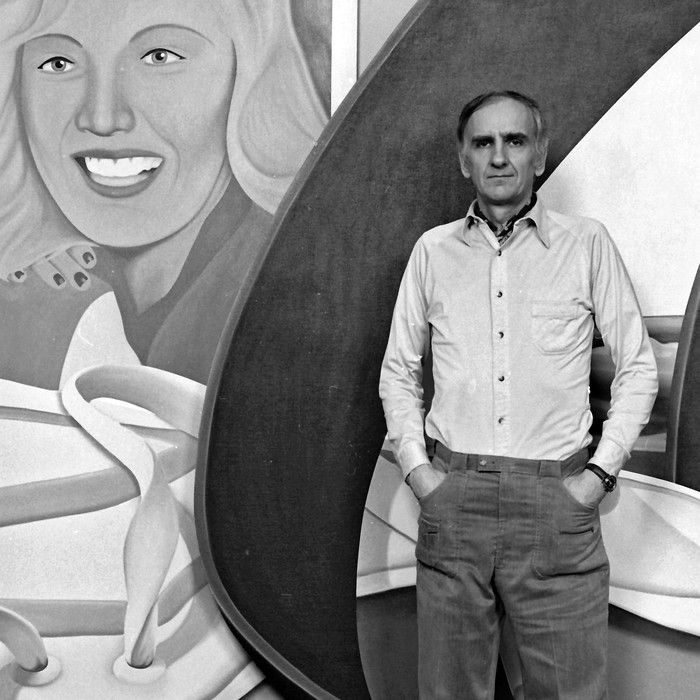
Tom Wesselmann explored another of consumer society’s great obsessions: desire.
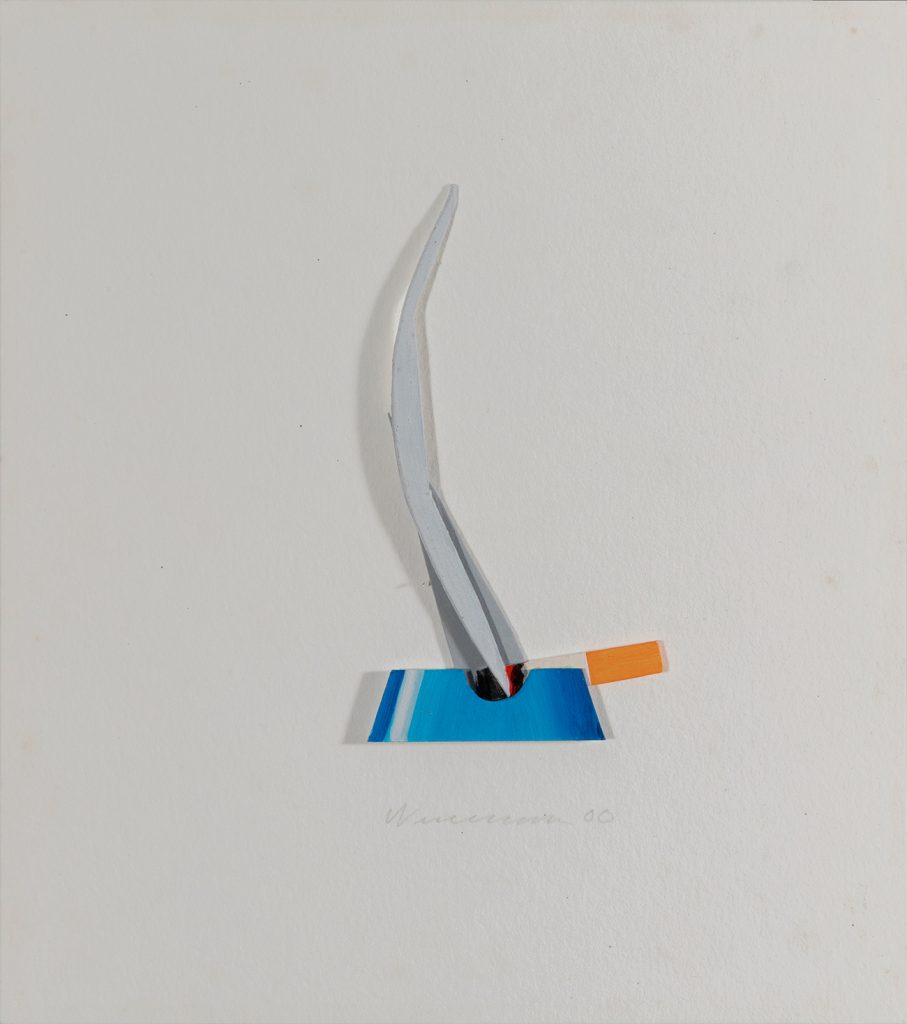
His compositions—especially his famous depictions of the female body—incorporated the language of advertising, graphic design, and magazines. Full lips, fragmented bodies, food, flowers, and household objects are rendered using intense colors and simplified forms.
The result is deliberately straightforward.
Wesselmann transformed the human body and everyday objects into images of tremendous visual impact, but he also highlighted the extent to which advertising had transformed the way we see and desire things.
In contrast to the gestural style of Abstract Expressionism that had dominated the American art scene, Pop Art offered a more immediate, detached, and recognizable image. The world no longer needed to be transformed: it was enough simply to look at what consumer culture placed before our eyes.
Peter Phillips: Pop Crosses the Atlantic
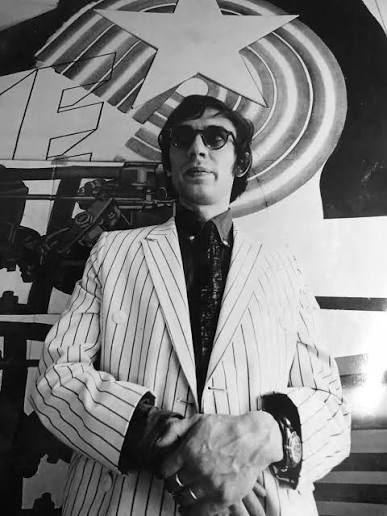
British Pop Art emerged from a unique relationship with American culture.
During the 1950s and 1960s, American advertising, automobiles, cinema, comics, and design began to become part of the European cultural imagination. British artists viewed this new visual culture with a mixture of fascination, detachment, and irony.
Among them is Peter Phillips, whose work stands out as one of the most interesting examples of this appropriation of popular language.
Phillips incorporated cars, advertising references, comics, signs, geometric motifs, and elements of industrial design. His compositions have an almost architectural structure, in which different images compete and overlap within the same space.
In his painting, commercial aesthetics ceases to be a mere reference point and becomes a genuine visual grammar.
His work also demonstrates that British Pop Art was not simply a European version of the American phenomenon. It had its own distinct perspective, more closely linked to design, graphic culture, and the British visual tradition.
David Hockney: Figuration Without Borders
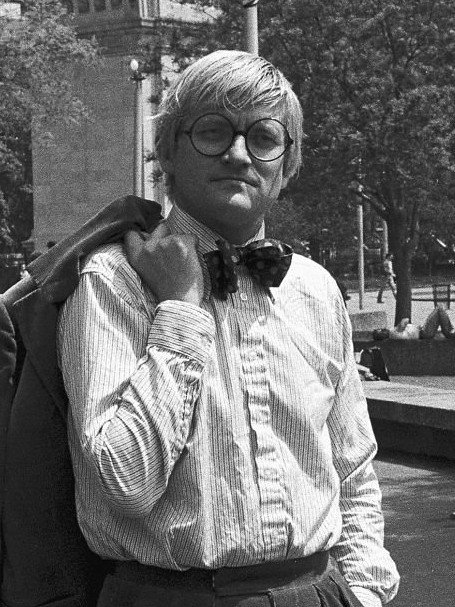
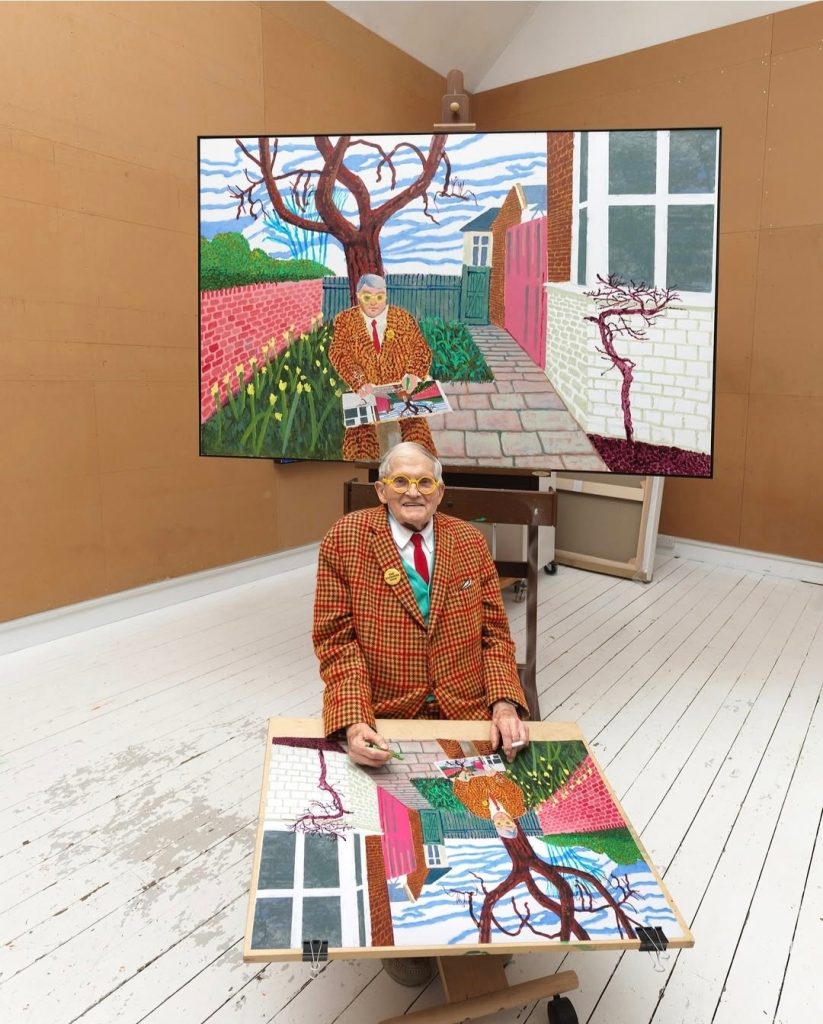
David Hockney’s career is particularly revealing because it defies labels.
Born in Bradford in 1937, Hockney was part of the British art scene of the 1960s and shared the Pop artists’ interest in contemporary culture. However, his work was never confined to the boundaries of that movement.
Photography, advertising, film, literature, portraiture, and everyday life fueled a luminous, open, and deeply personal style of figurative art.
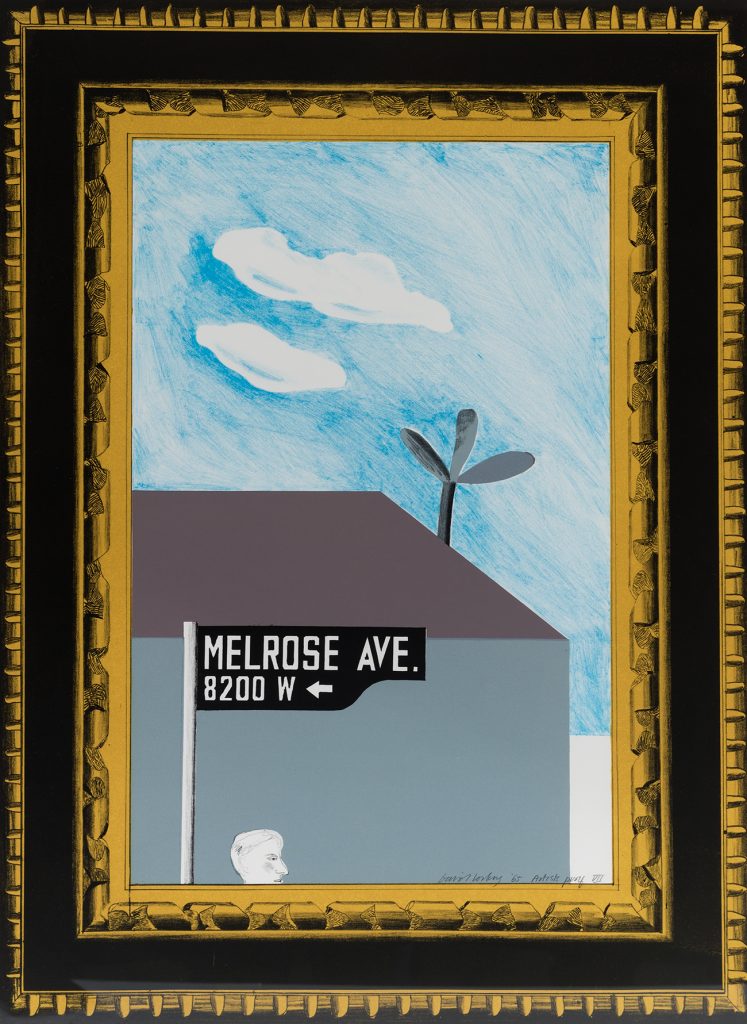
His move to California was particularly significant. There he encountered a landscape, architecture, and way of life that would eventually become fundamental elements of his visual universe. Swimming pools, interiors, gardens, and human figures took on an iconic presence.
In Hockney’s work, contemporary culture appears not so much as an object of criticism or appropriation, but rather as a new reality that deserves to be depicted.
That is why his career is so significant: it shows how the renewal of the artistic image ultimately transcended the boundaries between movements and generations.
A New Way of Looking at Things
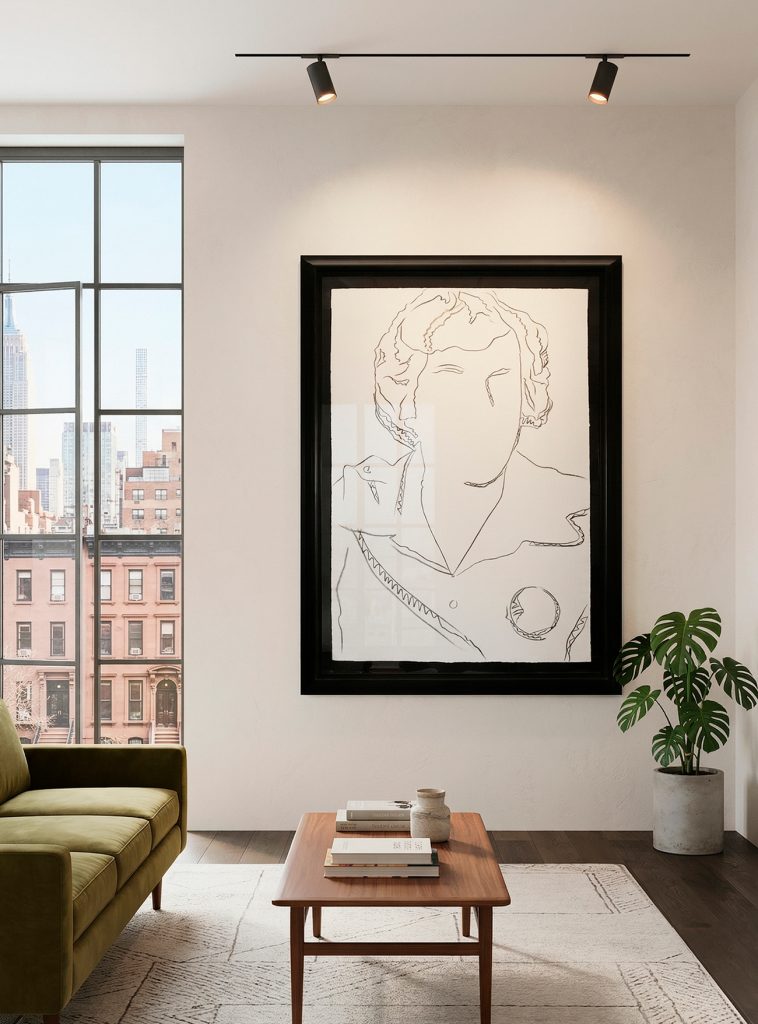

Katz, Warhol, Wesselmann, Phillips, and Hockney come from different backgrounds, but they share something fundamental: they all understood that the image had changed.
It was no longer simply a matter of representing the world. One had to confront a world that was beginning to represent itself constantly: on television, in magazines, in advertisements, in store windows, in photographs, and in the new media.
Pop Art transformed that reality into artistic material. New Figuration found new ways to depict the body, the face, and everyday life. And artists like Hockney demonstrated that painting could absorb all those influences without losing its ability to develop its own language.
Rather than a homogeneous movement, what we find is a revolution in the way we understand the image. And perhaps that is the true legacy of these artists: having shown that when the way we look at things changes, the way we make art inevitably changes as well.
We invite you to explore our upcoming “Contemporary Art and Latest Trends” auction, where you’ll discover works by some of the leading figures of Pop Art and New Figuration, alongside other key artists who have helped transform the contemporary visual language. A journey through different ways of understanding the image, culture, and painting through some of the most influential voices in 20th- and 21st-century art.
If you liked this article, you may also be interested in: