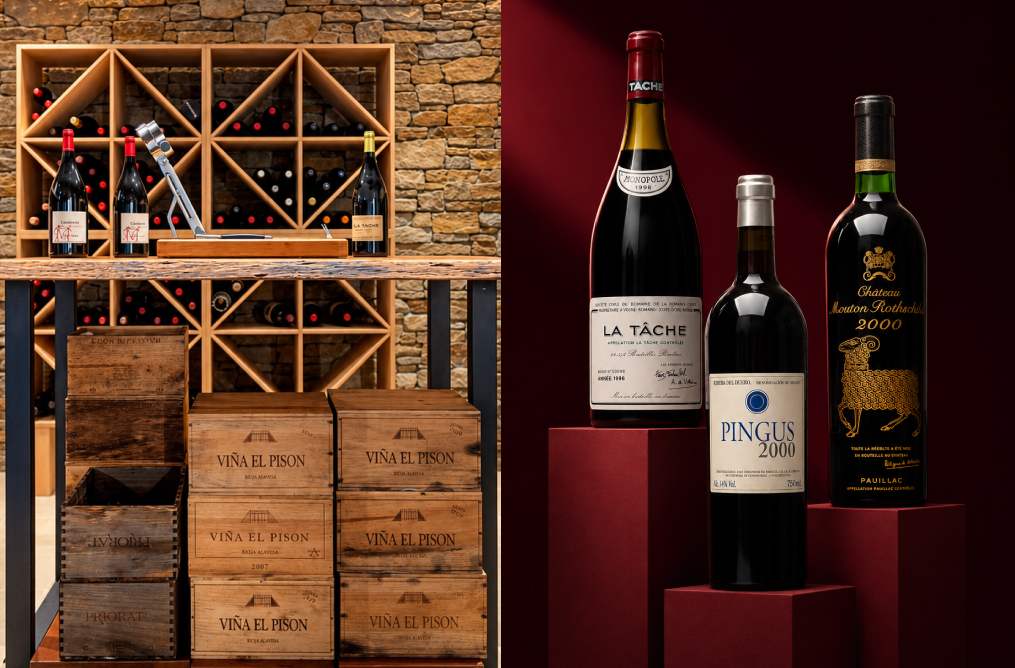
Pétrus, Domaine de la Romanée-Conti, Château Margaux, Mouton Rothschild, Vega Sicilia, Pingus, Contador, and L’Ermita are the highlights of the Setdart auction on November 16. A private collection assembled over thirty years: 367 lots, approximately 1,200 bottles, 100-point vintages, large-format bottles, and original cases.
There are collections whose value lies in the exceptional nature of certain bottles. Others stand out for the depth of their vintages, the consistency of their producers, or the history behind their formation. The private wine collection that Setdart is auctioning on November 16 embodies these qualities and adds a feature particularly prized by connoisseurs: a common provenance and a history of aging in a temperature- and humidity-controlled cellar.
Built up over three decades, this collection brings together essential Bordeaux wines, an exceptional selection of great Spanish wines, and a particularly significant Burgundy wine. It offers a journey through a crucial period in wine collecting: the continuity of the great French châteaux and the international recognition of Spanish projects that placed the unique vineyard at the heart of their identity.
The appeal, therefore, does not lie in a simple list of prestigious labels. It lies in the relationship between producers, vintages, critical acclaim, bottle formats, and preservation—the elements by which an expert collector judges a great winery.
Bordeaux: The History of the Great Châteaux Through Their Vintages
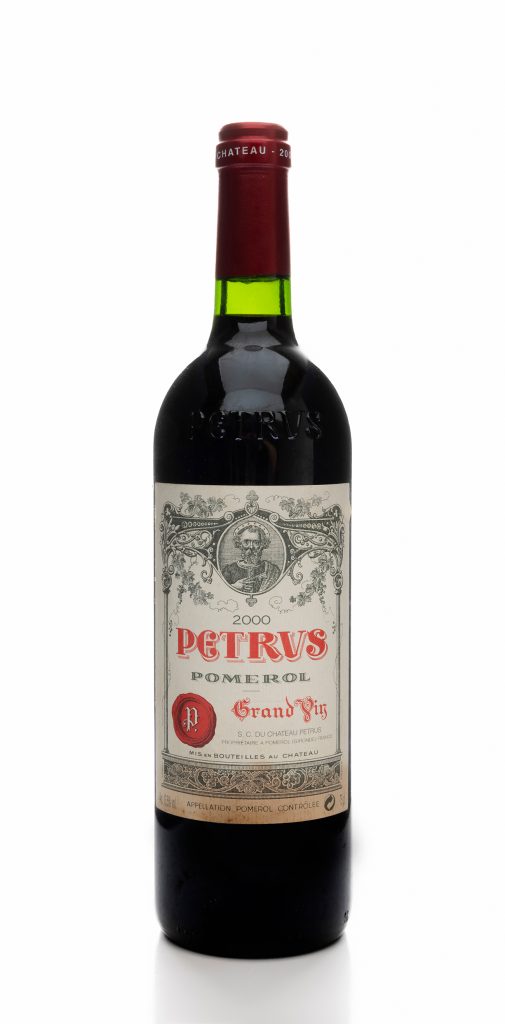
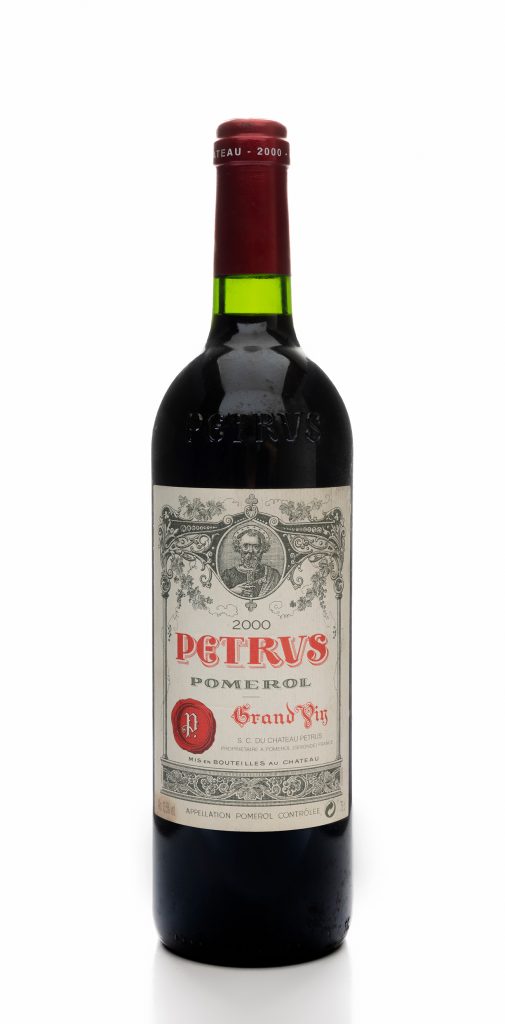
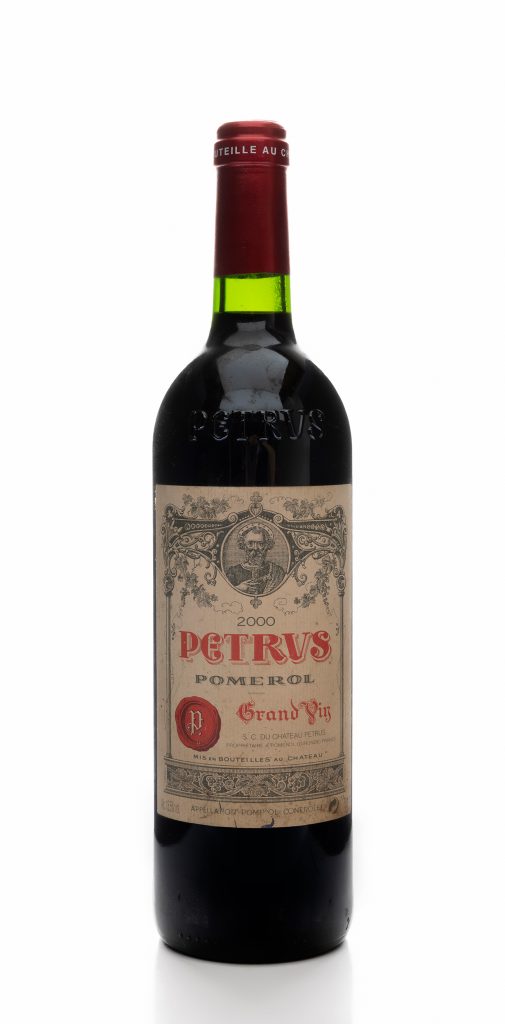
Few regions allow for such a precise examination of the relationship between producer, harvest, and aging in the bottle as Bordeaux. The historical continuity of its estates makes it easy to compare styles, winemaking techniques, and great vintages—an exercise that lies at the heart of collecting wines meant for aging.
The selection includes the five Premiers Crus from the 1855 classification—Château Lafite Rothschild, Latour, Margaux, Mouton Rothschild, and Haut-Brion—as well as great wines from the Right Bank, including Pétrus, Le Pin, and Cheval Blanc.
Among the most notable vintages are the 2000 Pétrus, awarded 100 points by Robert Parker; Château Margaux 1996, also awarded 100 points by Parker and Decanter; and Château Haut-Brion 2000, which received top ratings from The Wine Advocate and James Suckling. Rounding out this selection are Château Lafite Rothschild 2005, Château Latour 2005, and Le Pin 2005, a wine of great collector’s interest produced on an exceptionally small estate.
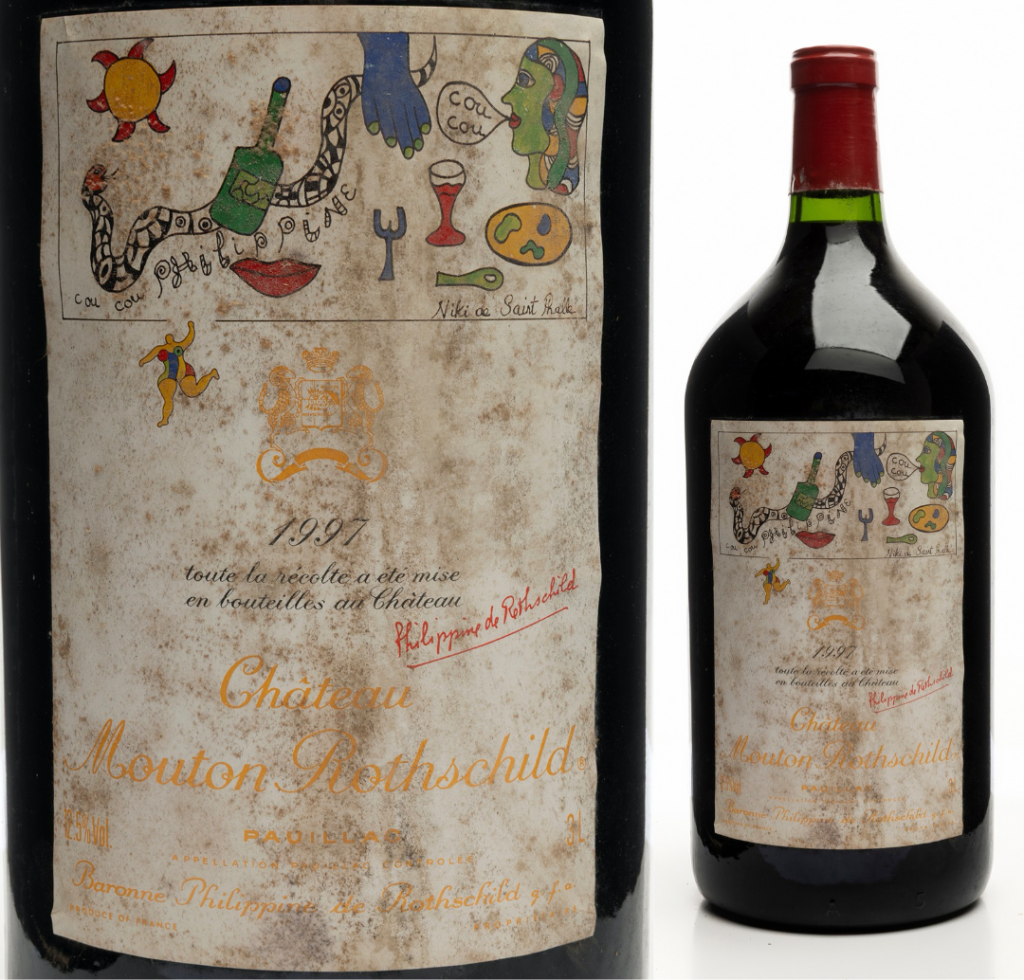
Château Mouton Rothschild 2000 is worth examining from the perspective of art collecting history: the estate commemorated the turn of the millennium with a design inspired by the famous Augsburg ram, departing from the usual style of its illustrated labels. This dialogue between wine and artistic creation continues with the 1997 Mouton Rothschild, featuring a label by Niki de Saint Phalle, available in a three-liter format.
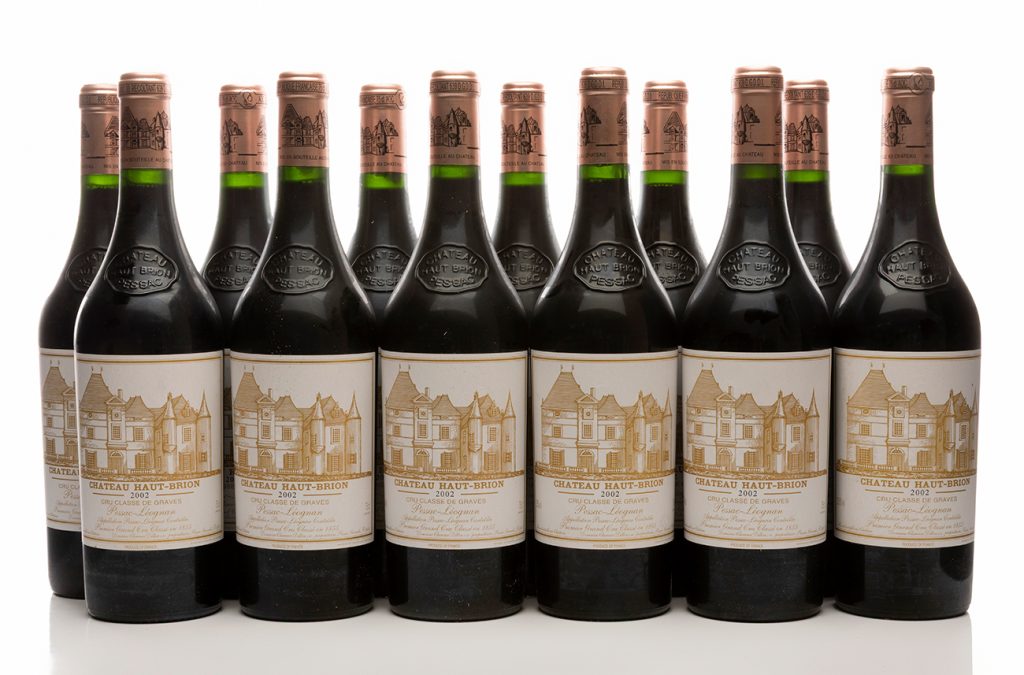
Also noteworthy are the sets preserved in their original boxes, such as the 2002 Château Haut-Brion and the 2005 Château Léoville Las Cases. Here, the depth of the collection is evident both in the diversity of vintages and in the presence of complete sets that have remained together.
Burgundy: La Tâche 1996 and the Uniqueness of a Great Monopoly
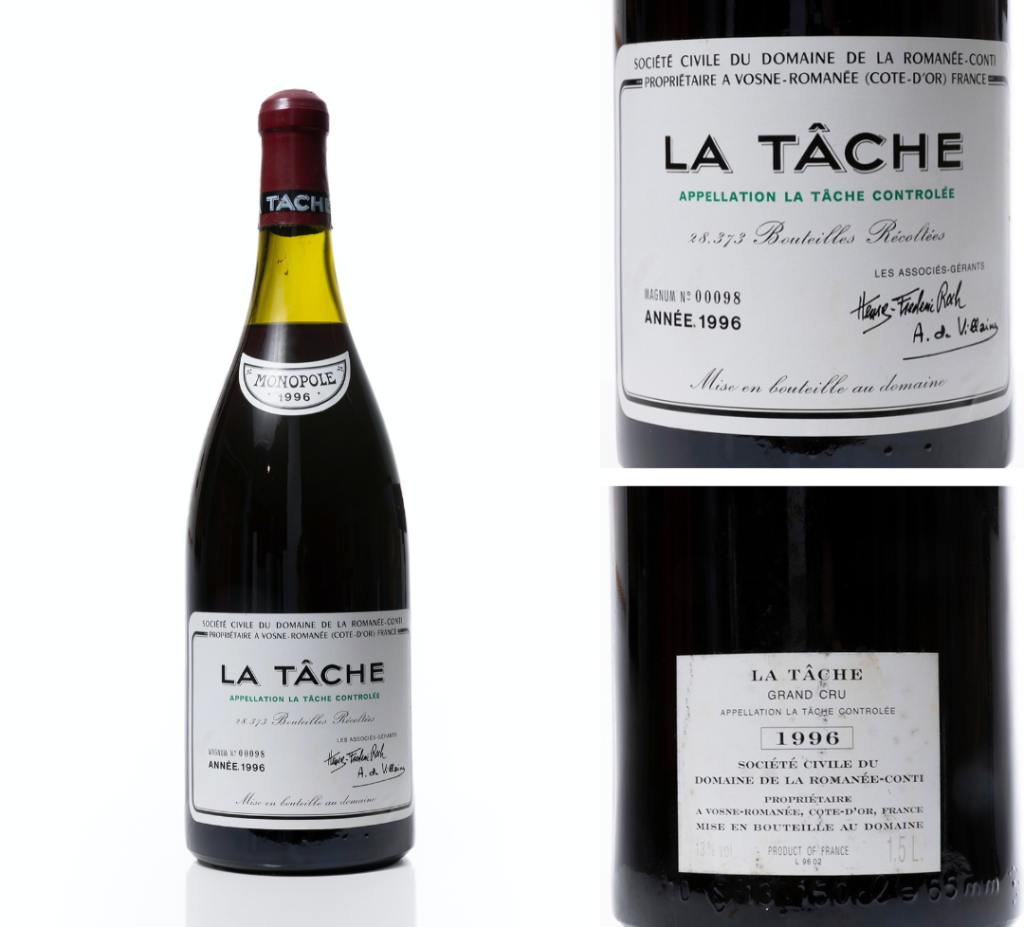
The French selection also includes a bottle of particular significance for Burgundy connoisseurs: the 1996 La Tâche from Domaine de la Romanée-Conti, in a 1.5-liter magnum bottle. La Tâche is one of the great vineyards of Vosne-Romanée and is wholly owned by the domaine—a “monopole” status that is one of its hallmarks.
Its inclusion broadens the scope of the collection beyond Bordeaux. In contrast to the historical role of the Bordeaux classifications, Burgundy embodies a culture of defined plots and producers whose output can be extremely limited. In La Tâche 1996, the combination of vineyard, vintage, and bottle size makes this cuvée a benchmark of particular international appeal.
Spain: Tradition and Revolution in Single-Vineyard Wines
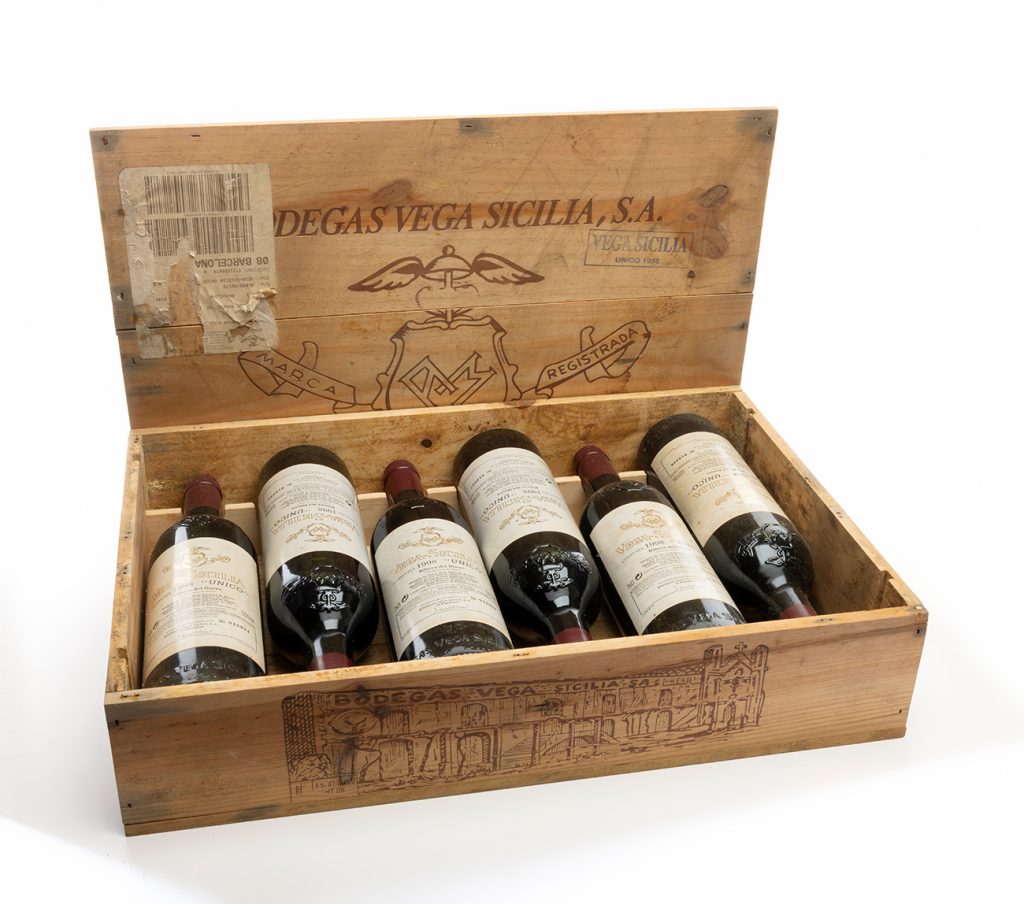
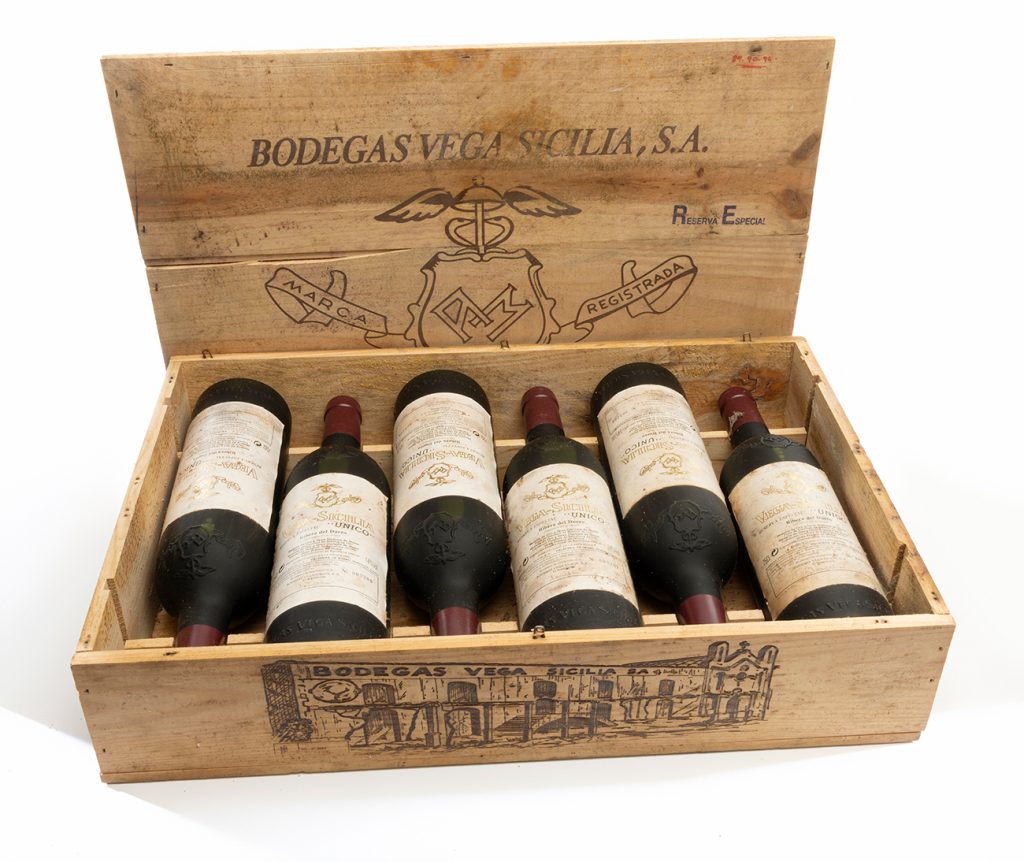
The Spanish national team is writing yet another remarkable chapter in recent decades: the coexistence of historic wineries and projects that have elevated the recognition of unique vineyards, old vines, and the identity of the terroir to a new international level.
Vega Sicilia provides historical continuity through various vintages of Único, Único Reserva Especial, and Valbuena 5º. The Reserva Especial deserves special attention: its concept is based on a blend of different vintages of Único, and as such, it conveys a sense of stylistic continuity that differs from that of a wine identified by a single vintage.
The birth and establishment of Peter Sisseck’s Pingus marked a turning point for Ribera del Duero. Various vintages featured in the auction—including the 2004 Pingus, which received 100 points from *The Wine Advocate*—allow us to trace the evolution of one of the projects that helped transform the perception of great Spanish wine.
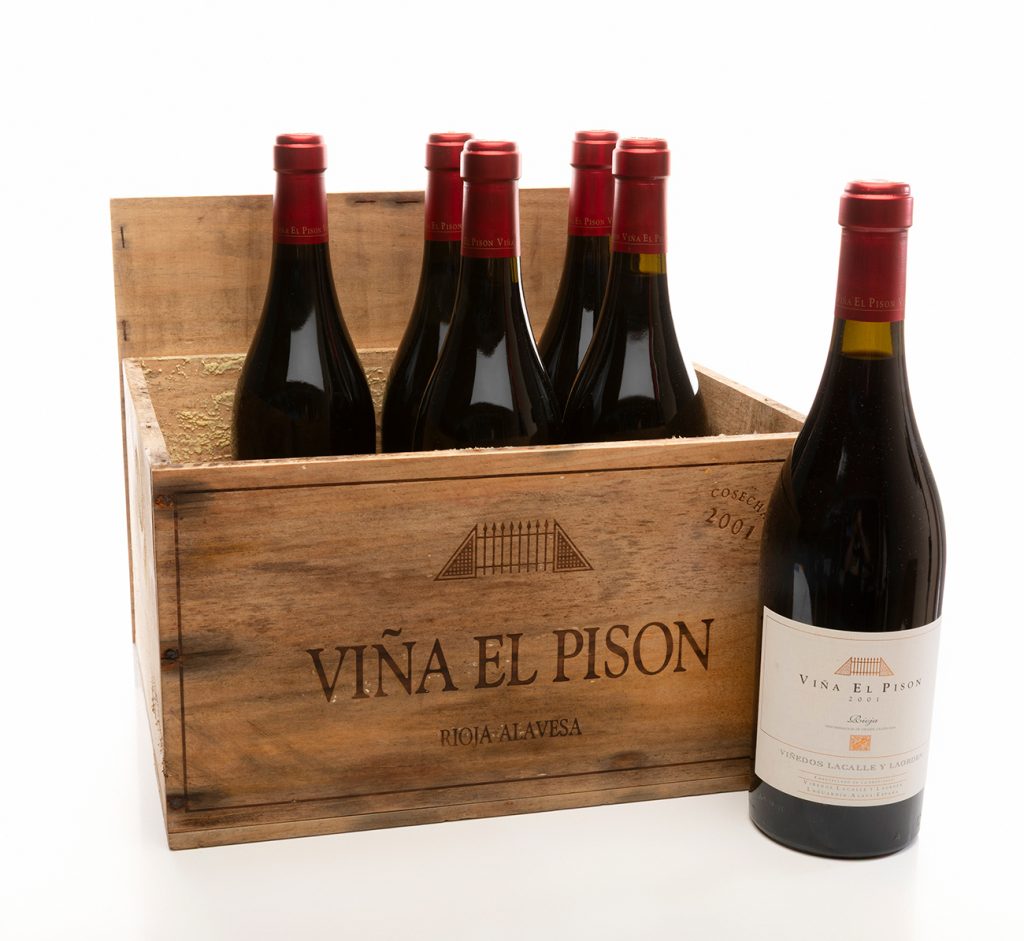
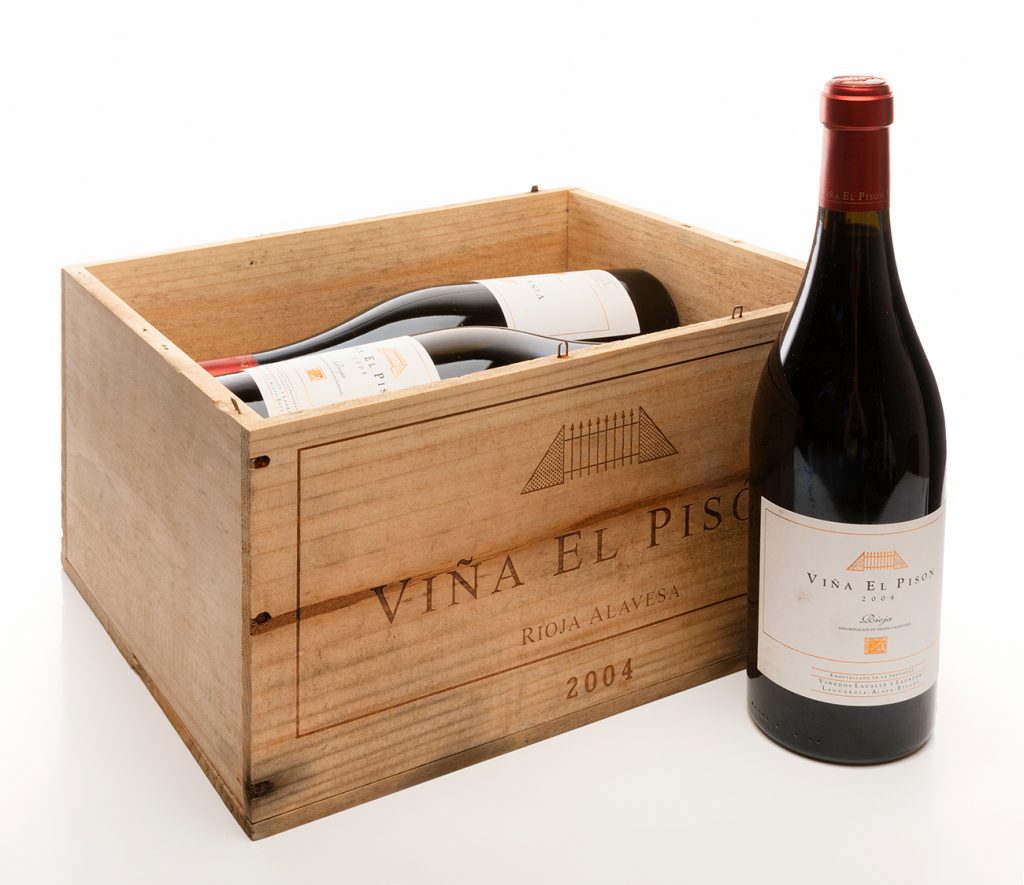
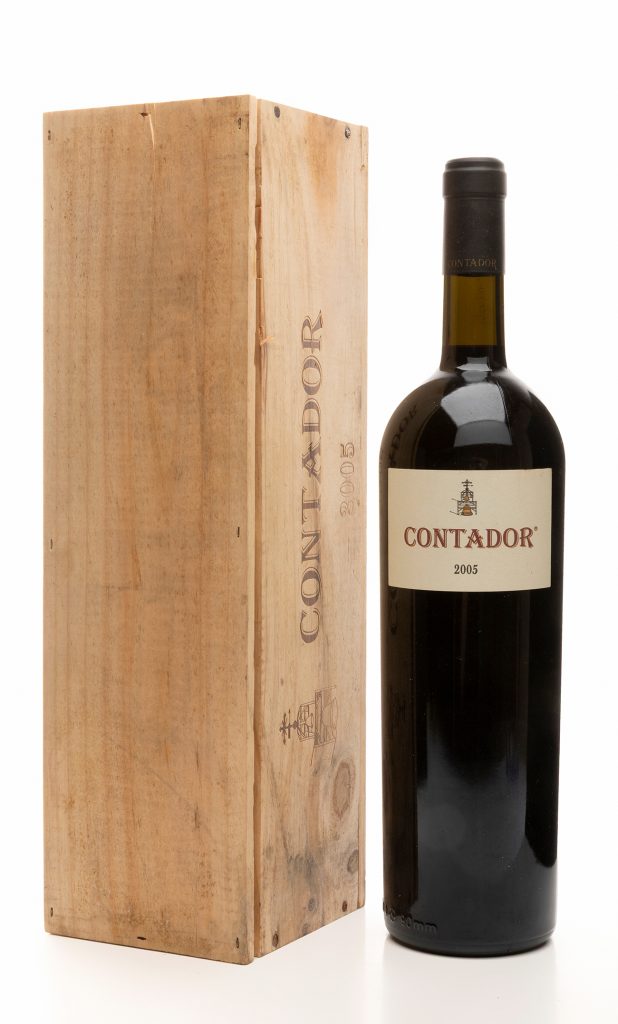
In Rioja, Benjamín Romeo’s Contador and Artadi’s Viña El Pisón represent two different approaches to the value of the vineyard and the expression of terroir. Contador 2005 and Viña El Pisón 2004 received 100-point ratings in *The Wine Advocate*; the former also stands out in the collection for its Magnum size and presentation in a wooden box.
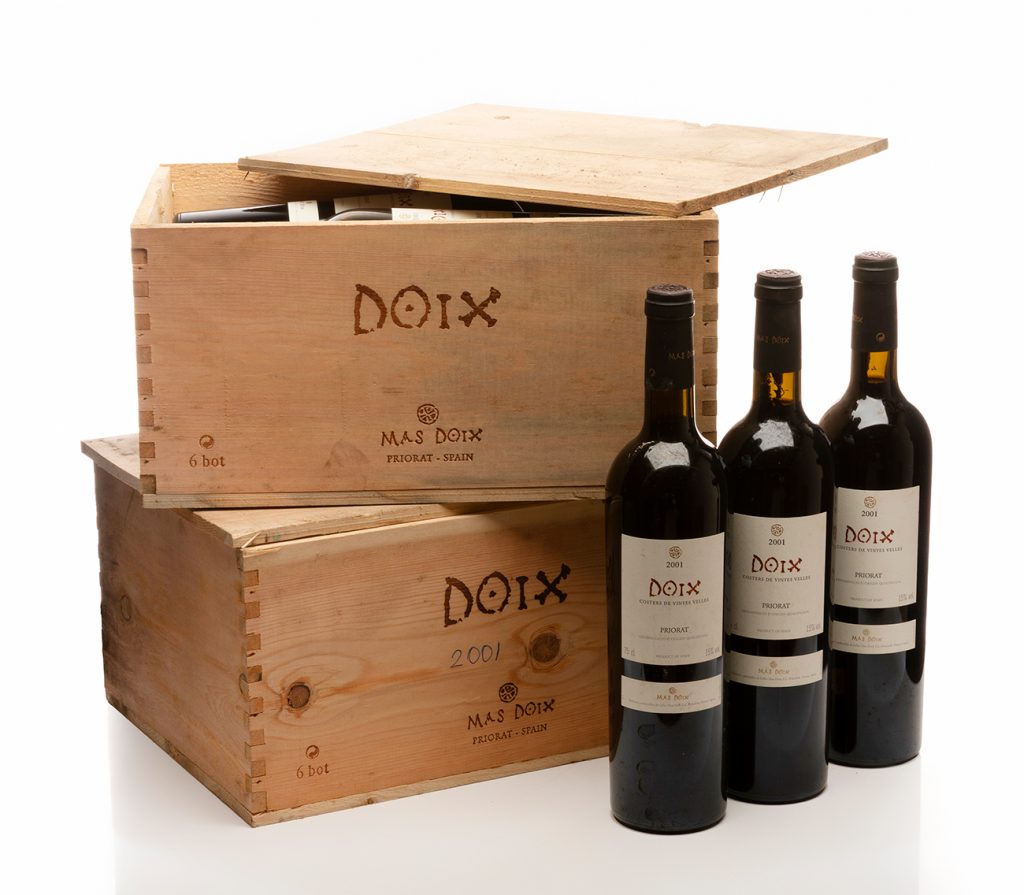
Priorat contributes another decisive chapter: L’Ermita, by Álvaro Palacios; Clos Erasmus, by Daphne Glorian; Clos Mogador, by René Barbier; and Doix Costers de Vinyes Velles, by Mas Doix. Clos Erasmus 2005 received 100 points from Jay S. Miller in *The Wine Advocate*, while Clos Mogador 2005 received 100 points from *Guía Proensa*. The presence of different vintages and sets of various bottles highlights the collector’s enduring interest in a region that achieved international recognition in a relatively short time.
The 100 Points: Criticism and Its Role in Collecting
The recent history of collectible wine cannot be understood without considering the influence of wine critics. Robert Parker and *The Wine Advocate* played a decisive role in promoting certain vintages and producers internationally; *Wine Spectator*, *Vinous*, *Decanter*, James Suckling, and other publications have expanded that landscape of references.
The auction features top-rated wines from a variety of regions: Pétrus 2000 and Château Margaux 1996 from Bordeaux; Pingus 2004, Contador 2005, and Viña El Pisón 2004 from Spain; Clos Erasmus 2005 and Clos Mogador 2005 from Priorat. It is important to always identify who awarded each rating: a 100-point score from Robert Parker is not the same as one from Jay S. Miller for *The Wine Advocate* or from the *Guía Proensa*.
For the collector, however, ratings serve as a reference point, never a substitute for examining the specific bottle. A high historical rating does not guarantee the wine’s current organoleptic condition. Provenance, fill levels, capsules, labels, and storage conditions remain determining factors.
Provenance: An Essential Dimension of Value
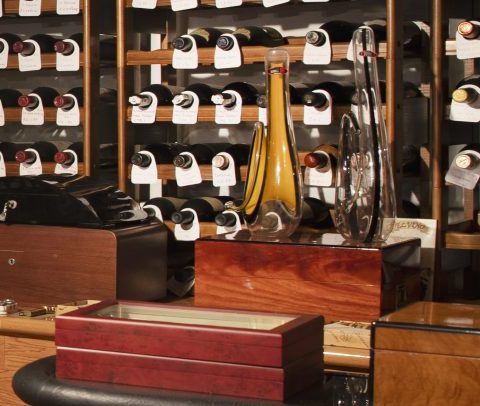
Every vintage bottle has a history that extends beyond the bottling process. Its storage conditions and any handling it has undergone can influence its evolution. The Setdart collection comes from a single private cellar, built up over approximately thirty years and, according to the provenance information provided, stored under controlled temperature and humidity conditions.
Many of these bottles are notable for their high fill levels, intact capsules, and the fact that they remain in their original boxes. For Bordeaux-style wines, the categories IN (at the neck), BN (base of the neck), and the various positions on the shoulder provide a key parameter for evaluating them. These should always be interpreted in conjunction with the wine’s age, origin, and overall external condition.
Setdart documents these characteristics individually. This process of identification and description is an essential part of a thorough presentation of collectible wines to buyers from various countries.
Original Boxes and Large Formats: The Value of the Whole
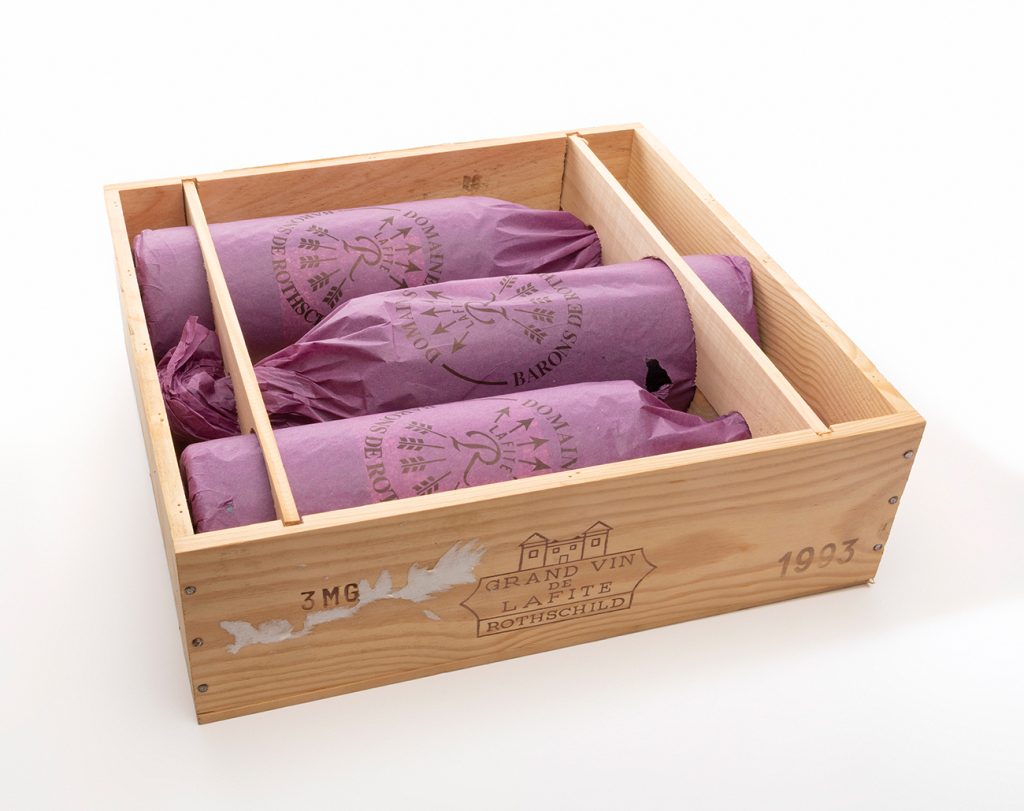
A collection is also recognized by the way its acquisitions are preserved. Sets from the same vintage that remain together in their original boxes offer a different perspective than a single bottle on its own: they speak to continuity, scale, and discernment in purchasing.
The auction includes sets of Château Haut-Brion 2002, Château Léoville Las Cases 2005, Vega Sicilia Único and Reserva Especial, Viña El Pisón, and Doix Costers de Vinyes Velles, among other wines. These offerings add a dimension of interest for collectors that does not depend solely on a vintage’s rating.
Large bottle sizes also add a technical and cultural dimension. The Magnum can promote a slower evolution of the wine under comparable conditions, and it is a size particularly prized in the collector’s market. The 1996 La Tâche in Magnum and the 1997 Mouton Rothschild in three-liter bottles illustrate, from very different perspectives, this uniqueness.
A collection of fine wines at Setdart
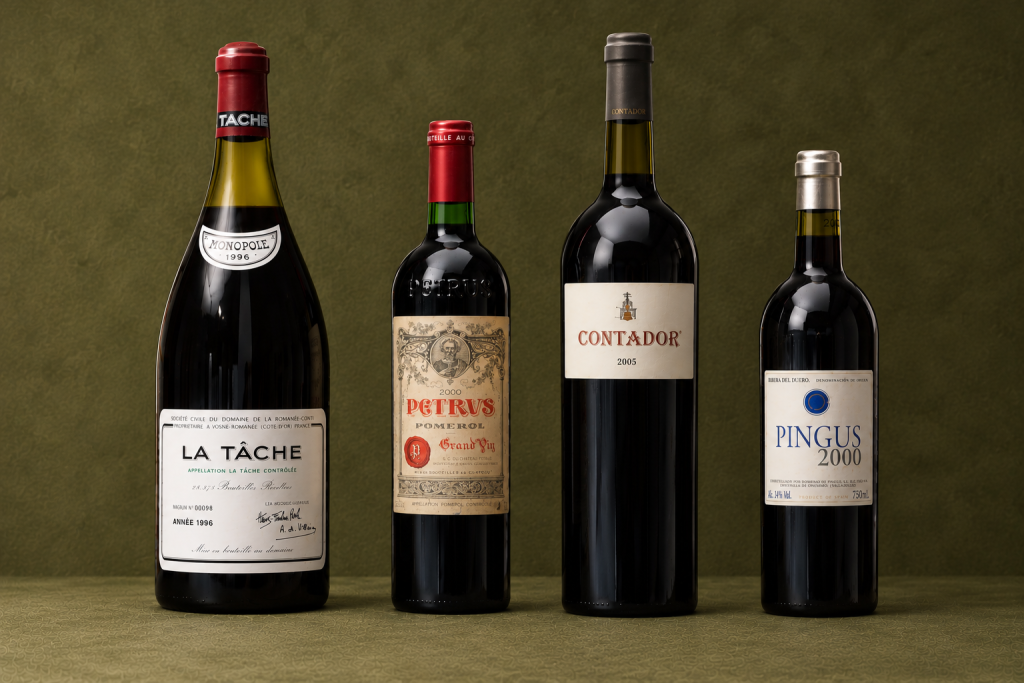
This private collection brings together three complementary stories: the tradition of Bordeaux’s great vintages, the uniqueness of Burgundy’s vineyards, and the international reputation of Spanish wines. Top ratings, special bottle sizes, and original cases all come together in a selection curated over three decades.
On November 16, 2026, Setdart will offer 367 lots comprising approximately 1,200 bottles. The complete catalog allows you to explore this private collection, examine the lots individually, and appreciate the continuity of a selection built up over three decades.
Because a great collection is recognized not only by its bottles, but also by the relationships that exist between them.