Great wines, critical authority and the value of time in a unique collection
In the universe of high-end wine, wine ratings are not just a mere indicative indicator. It is a critical legitimizing mechanism that conditions the perception of quality, structures international demand and determines, to a large extent, the market value of a bottle. For the informed collector, understanding who scores great wines, how that authority is built and why it generates consensus is a key tool when interpreting a collection.
This theoretical framework finds a direct application in Setdart’s wine auction on January 29, where a private collection of French wines, Spanish wines and historic Armagnacs selected on the basis of a clear criterion: the coincidence between great names, exceptional vintages and scores that reach, in many cases, the 100 points awarded by the most influential critics of the international scene.
The wine rating system: a common language of the global marketplace
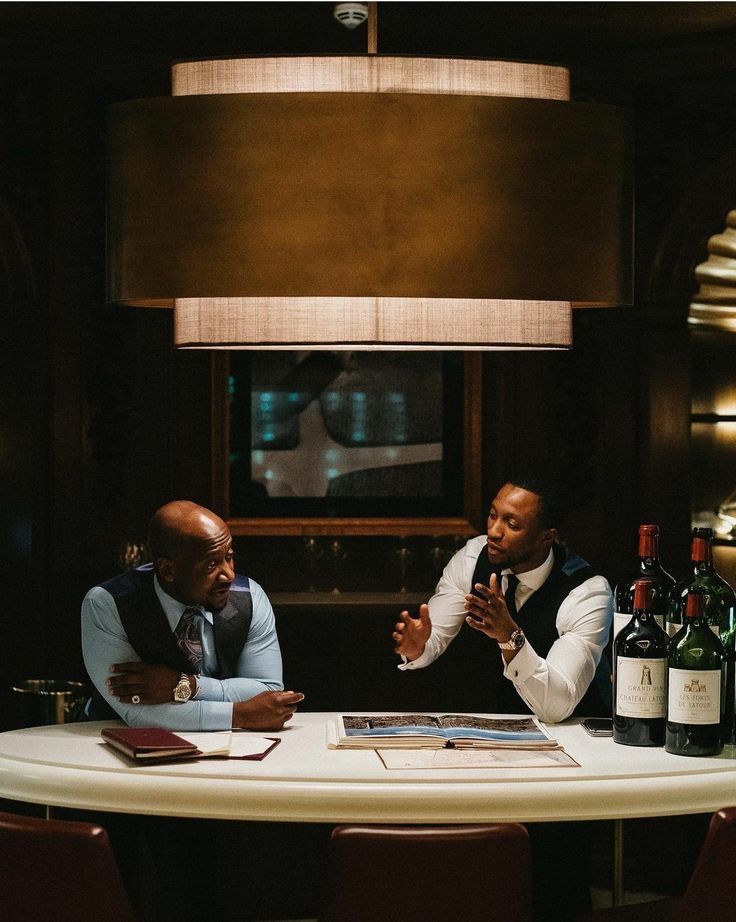
Since the end of the 20th century, the 100-point wine scoring system has established itself as the common language of the international market. Its success lies in its ability to translate the sensory complexity of wine into a scale shared by producers, critics, collectors and buyers.
In general terms:
- 90-93 points: excellent wine.
- 94-96 points: outstanding wine.
- 97-99 points: exceptional wine.
- 100 points: Iconic wine, absolute reference of its appellation and vintage.
Achieving 100 points does not imply mathematical perfection, but rather the recognition that a wine expresses in an extraordinary way its origin, its vintage and its potential for evolution.
Robert Parker and The Wine Advocate: the birth of modern authority
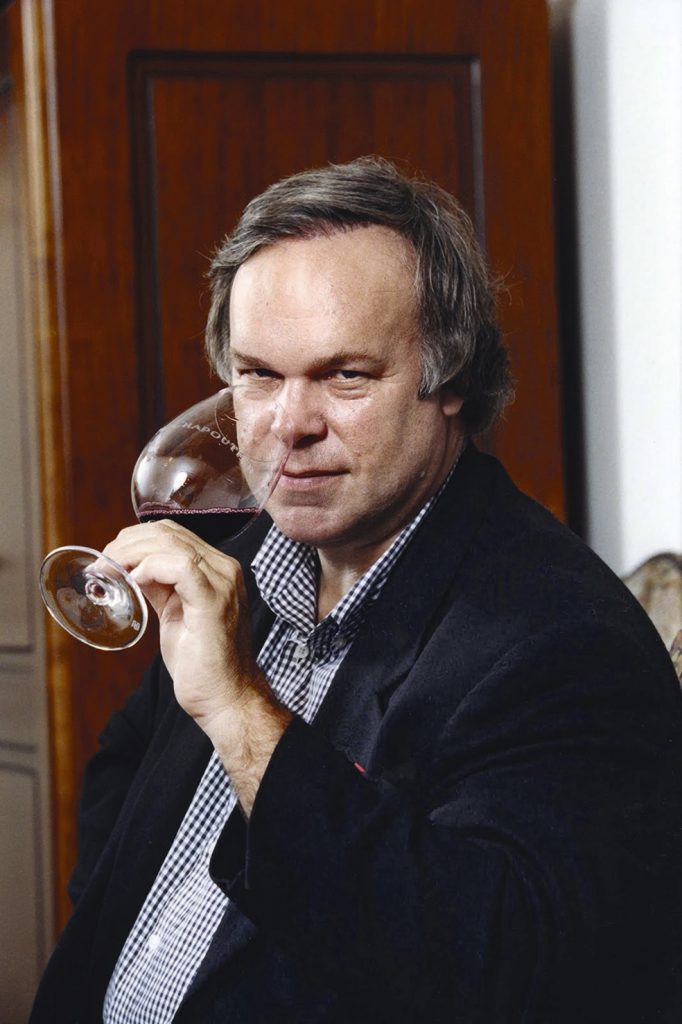
Talking about wine scoring inevitably implies referring to Robert Parker, a key figure in the transformation of contemporary wine criticism. Founder of The Wine Advocate, Parker established a model based on absolute independence from wineries and advertisers, blind tasting and sustained critical consistency over time.
Parker’s authority was not built on theoretical prestige, but on empirical market verification: highly rated wines tended to age well, consolidate their value and appreciate in the secondary market. For decades, a high Parker score was enough to trigger international demand, especially in regions such as Bordeaux.
Today, The Wine Advocate maintains this prestige through an international team of tasters specialized by region, preserving the same methodological rigor.
James Suckling and the Contemporary Critical Consensus
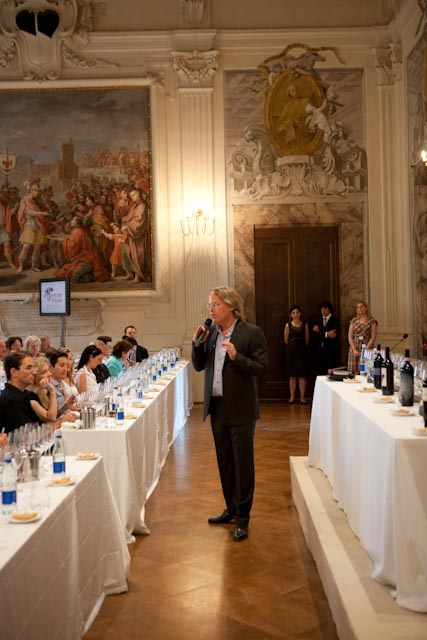

Alongside Parker, James Suckling has established himself as one of the most influential voices in wine scoring today. His impact is especially notable in Bordeaux, Italy and the great international premium wines. The clarity of his language, combined with an enormous capacity for dissemination, makes his scores an immediate reference for collectors and buyers.
When a wine reaches the perfect score of 100 James Suckling points, the market interprets this as an unequivocal sign of contemporary excellence. When this rating coincides with that of The Wine Advocate, one of the most decisive phenomena for the market occurs: critical consensus.
The critical consensus: when excellence becomes objective
One of the most relevant aspects in the wine market is the consensus among critics. When a wine obtains very high -or even perfect- scores from several independent experts, the perception of risk decreases and the value is consolidated. In these cases, wine scoring ceases to be an individual opinion and becomes a collective validation of excellence.
The collection being auctioned at Setdart offers numerous examples of this phenomenon. Wines that combine historical name, great vintage and critical consensus are at the top of the secondary market, not only for their intrinsic quality, but also for the confidence they generate among international buyers.
January 29th wine auction: a collection built from the score
The wine auction on January 29 presents a truly exceptional collection, defined by consistency between score, vintage and cellaring potential.
Bordeaux: the backbone of excellence
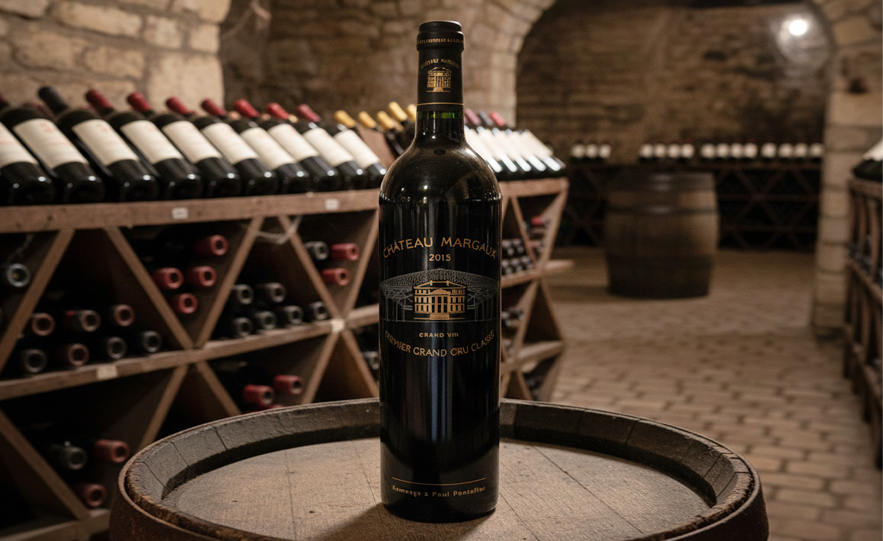
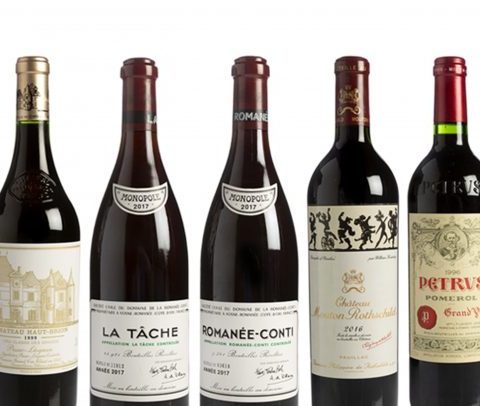
The core of the collection is in Bordeaux, with a particularly notable concentration of Premier and 1er Grands Crus Classés in vintages now considered historic. Highlights include Château Haut-Brion 2015, 1er Grand Cru Classé de Pessac-Léognan, rated 100 points by Robert Parker and 99 points by James Suckling; Château Margaux 2015, Premier Grand Cru Classé, distinguished with 100 James Suckling points and 99-100 Robert Parker points; and Château Ausone 2003, 1er Grand Cru Classé “A”, with the perfect score of 100 Parker points.
Pomerol: precision, rarity and maximum legitimacy
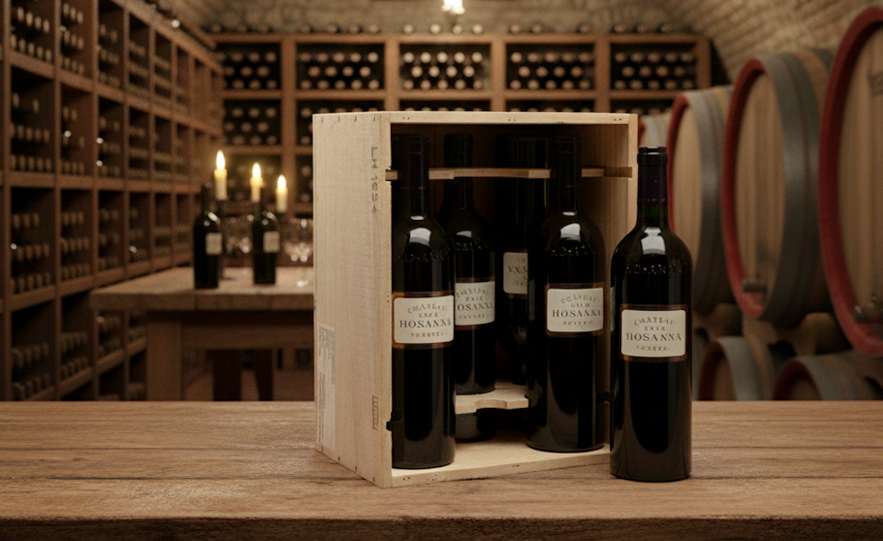
The Pomerol section reveals a particularly refined criterion. Château Lafleur stands out, present with the 1999 and 2003 vintages, both with 100 James Suckling points and 98 Robert Parker points. This is joined by Vieux Château Certan, with Grand Vin 2019 (99-100 Suckling points, 97-100 Parker points) and Grand Vin 2015, the latter with 100 James Suckling points, as well as Château Hosanna 2020, with up to 100 James Suckling points, and Château Lafleur-Gazin 2019, an example of modern Pomerol in an outstanding vintage.
Saint-Émilion: contemporary consolidation
The collection also incorporates Château Valandraud 2019, Premier Grand Cru Classé de Saint-Émilion, rated 100 points James Suckling and 99 points Robert Parker, a wine that symbolizes the definitive consolidation of the property in the absolute elite of Bordeaux.
Spanish wines: conscious selection and collection formats
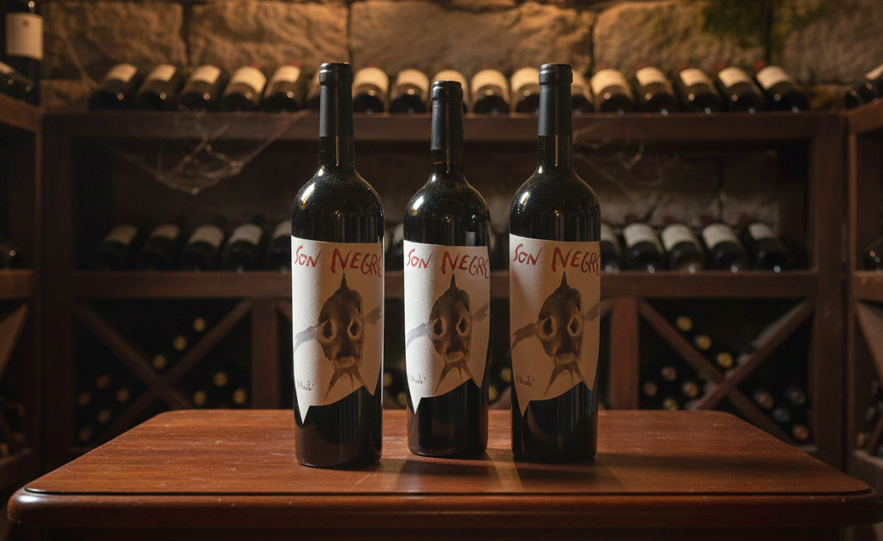
The block of Spanish wines responds to a deliberately precise selection. Son Negre 2001 in Double Magnum format stands out, a choice that reveals a profound knowledge of the market: a great vintage, a consolidated project and a format that is particularly appreciated for its aging capacity and scarcity. This type of bottle transcends consumption to become part of the realm of thoughtful collecting.
Historic armagnacs: time, origin and continuity
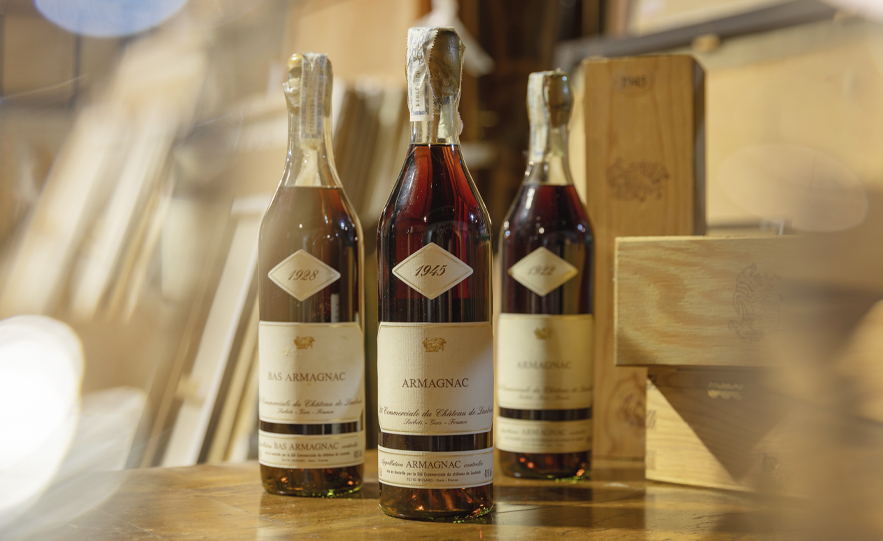
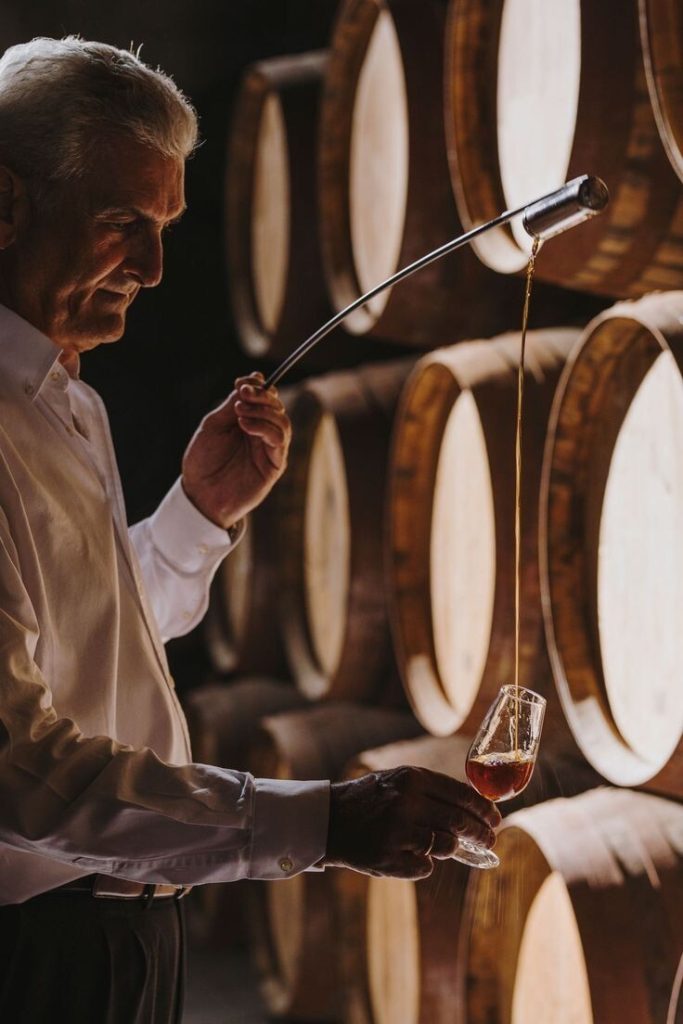
An essential chapter of the catalog is the collection of Armagnacs, with examples of very long aging such as Dartigalongue 1924, a centenary bottle that illustrates the extraordinary capacity for evolution of these distillates. In addition, there are outstanding vintages such as Dartigalongue 1962 and a remarkable sequence of Château de Laubade with bottles from 1928, 1941, 1942, 1945, 1947 and 1948, pieces that place Armagnac in the field of serious and documented collecting.
How scores influence price and demand
High scores have very specific effects on the market. They immediately trigger international demand, bring medium- and long-term price stability, reduce trading margin and increase liquidity. A wine with 100 points is not just a great wine to drink: it is a collectible asset with global recognition and sustained value.
Scoring, vintage and preservation: the collector’s triad
It should be emphasized that wine scoring never acts in isolation. For the informed buyer, real value arises from the combination of a high critical appraisal, a great vintage and impeccable conservation with clear provenance. The January 29th auction brings together precisely these three factors, which explains the high level of interest among collectors and advanced wine enthusiasts.
January 29th at Setdart: Important collection of French and Spanish wines and collection of Armagnacs.
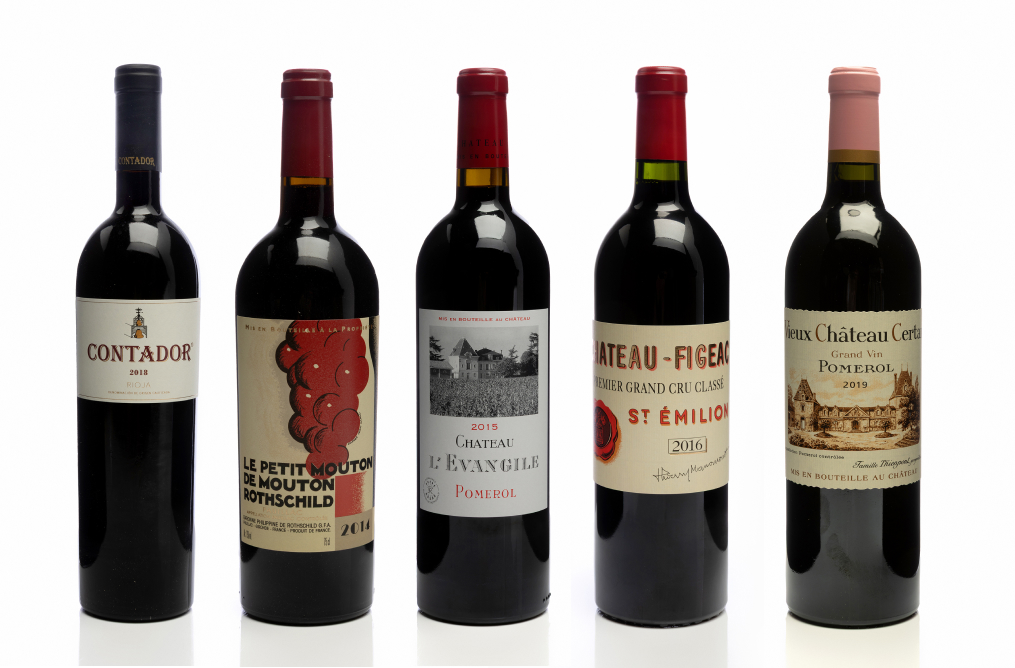
This auction should not be understood as a one-off opportunity, but rather as access to a collection built with criteria, knowledge and a precise reading of the drivers that today move the wine market: wine scores, critical consensus, scarcity, cellaring capacity and confidence. For those who know that, in wine collecting, the real difference is made by the vintage, the score… and time.
If you liked this article, you may also be interested in: