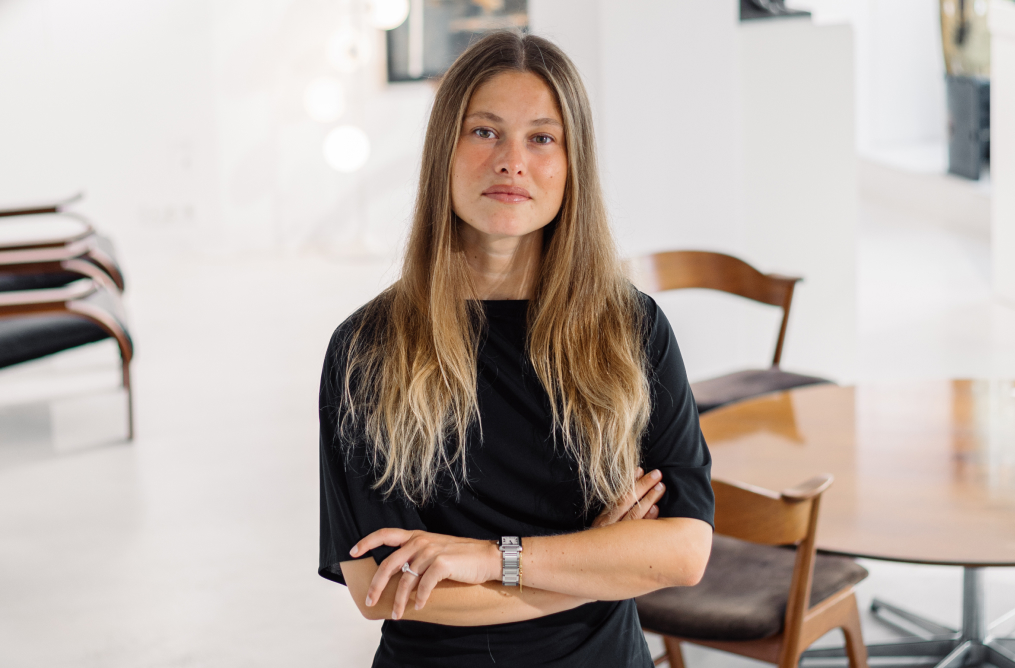
Few people understand the mechanics behind an auction as closely as Sofia Fuglsang-Madsen, Business Developer & International Sales Manager at Setdart Auction House. Drawing on her experience shaping Setdart’s international growth, Sofia shares the stories, the results, and the philosophy behind some of the auction house’s most memorable moments.
- There must have been a moment that made you choose to build your own career in the auction world, specifically in international business and sales. What was it that you saw in this world that made you want to be part of it professionally?
I think what really captivated me was the format itself: the auction process. You have the privilege of handling works that carry profound historical weight, objects that have already outlived generations of owners, and yet their value isn’t decided by us, or by any single expert. It’s defined live, in real time, by collectors from all over the world competing for the same lot. It can look spontaneous from the outside, as if everything happens in the heat of the moment on auction day, but behind every bid there’s a market logic: provenance, comparable sales, rarity, the object’s place within an artist’s body of work. What draws me in is precisely that combination — the rigor of the market meeting the unscripted, human moment of the auction itself. I think it was that dynamic, so particular to the world of collecting, that ended up winning me over.
- Looking back, what has surprised you most about the business side of the art market that you didn’t expect?
I think what surprised me most is just how much precision this business demands behind the scenes. People often imagine the auction world as something intuitive, almost romantic. In reality, every successful sale is the result of enormous groundwork: research, authentication, logistics, marketing to the right audience in the right country. The ‘moment’ everyone sees is really the visible tip of a much longer, more methodical process.
- Drawing on your commercial perspective on what makes a lot perform, what elements need to align for an auction to be considered an exceptional success — beyond the final hammer total?
When evaluating an auction, it’s essential to look at the sale as a whole. That starts with curation: building a catalogue with the right balance, so that different lots attract different types of collectors and create momentum across the entire sale, not just around one headline piece. It also depends on timing and narrative: presenting the right pieces to the right international audience at the right moment, with a compelling story that articulates the central theme behind the catalogue. Operationally, it requires a clear, well-defined protocol to guide the buyer from the moment their interest begins, delivering condition reports and all required information, right up to the bidding stage and post-sale support. The excellence of an auction lies in the balance of all its elements.
- Beyond the artwork itself, how do you build real trust with a collector?
Trust in this business is built in the details, and above all, in genuine closeness. We’ve always believed the human touch is essential, not optional, especially at this level. We take the time to walk a client through a piece as carefully as if they were sitting right across from us, making sure that wherever they are, they feel just as looked after. We manage every step of the process because we understand that for a client, this isn’t just a purchase, but often something personal. What sustains the relationship afterward is exactly that same philosophy, applied consistently over time.
- Setdart was founded on a vision of modernizing and rethinking the auction business. From where you sit in business strategy, what’s been the most rewarding part of helping shape that evolution?
From the very beginning, Setdart was born with the purpose of bringing an innovative vision to the auction sector. However, our mission has always been to keep moving forward, rather than settling into that initial innovation and considering the job done. For me, one of the greatest satisfactions has been driving Setdart’s international growth: expanding our base of buyers and sellers across different countries, and watching collectors from increasingly diverse markets choose Setdart as their auction house. It’s a reminder that innovation isn’t a single moment you achieve, but a discipline you have to keep practicing, sale after sale, market after market.
- Has there been a sale that genuinely surprised you — a result you didn’t see coming, whether because a piece exceeded expectations or found its buyer in an unexpected way?
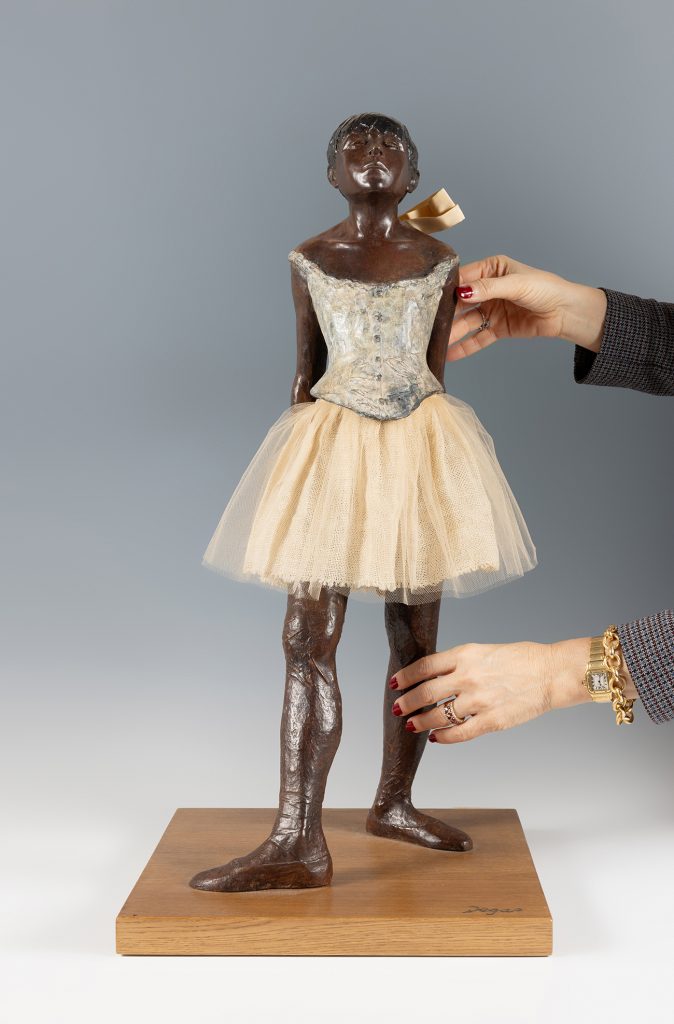
Working in a sector as unpredictable as auctions brings surprises all the time. One recent moment that stands out involved Edgar Degas’s sculpture ‘La petite danseuse de 14 ans.’ It carried a pre-sale estimate of €32,000 to €34,000 and ended up selling for €145,000, after several bidders fought over the piece right down to the final seconds.
- And is there one you remember more fondly than any other — a piece or a sale that’s simply stayed with you?
One of the most rewarding parts of my job is being able to discover and bring visibility to works that carry a truly valuable story behind them. There are two pieces I remember with particular fondness.
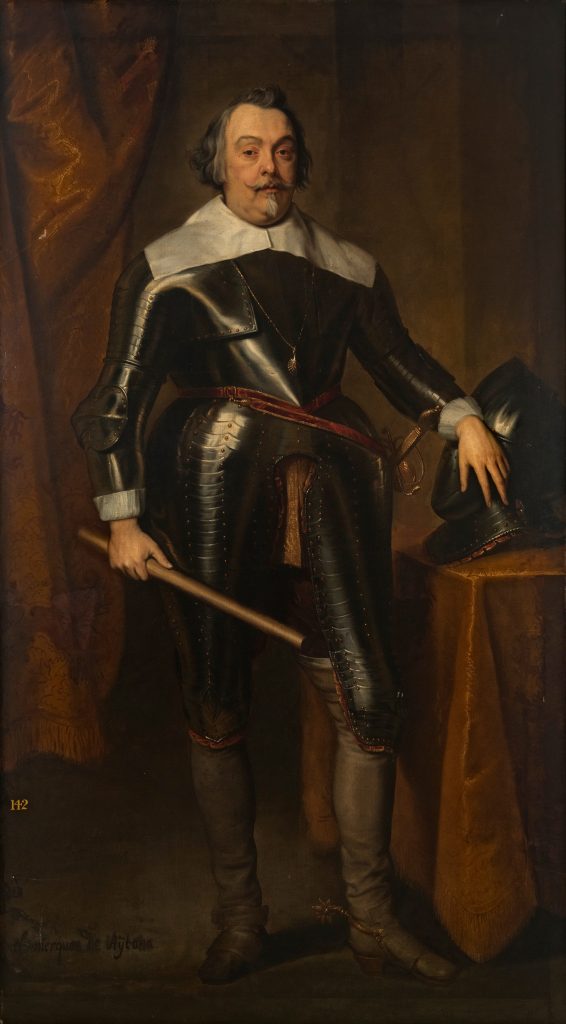
The first is the portrait of the Marquis of Aytona. Thanks to a careful study of its exceptional provenance and technique, it was possible to identify it as a work attributed to Anton Van Dyck and his workshop. It was common practice for pupils to copy the master’s model under his supervision, with Van Dyck himself later intervening to retouch key areas or correct their mistakes. That finding turned the sale into something special: the piece carried a pre-sale estimate of €400,000–500,000, yet bidding opened at €80,000, and the auction for that single lot lasted a full hour, with multiple bidders competing for it before it finally sold for €671,000.
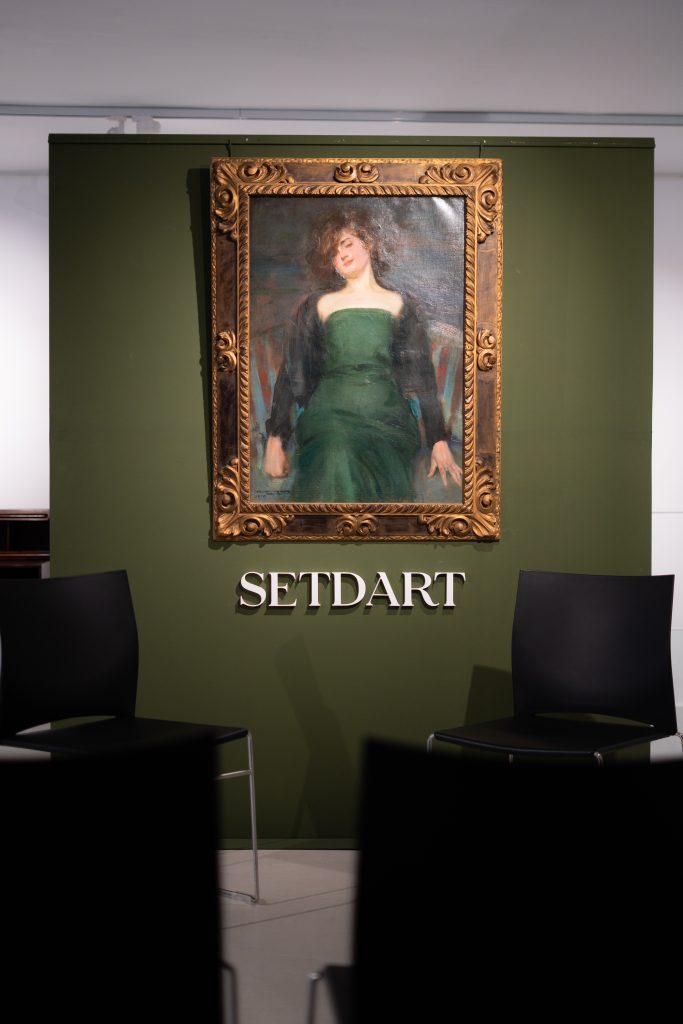
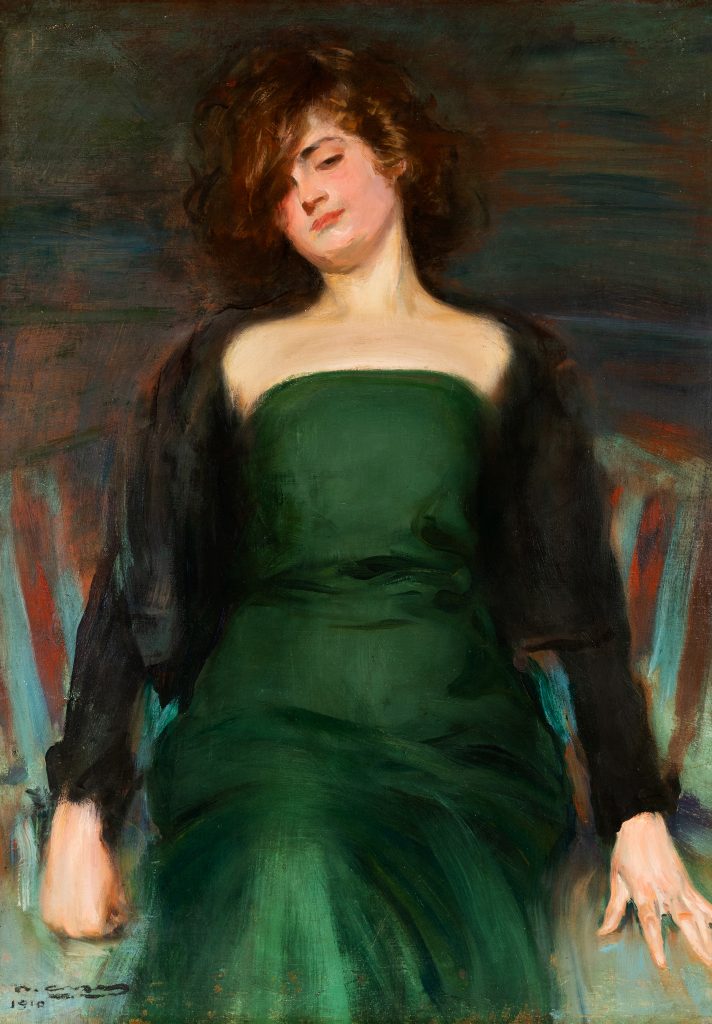
The second is ‘Júlia Peraire. The creative process towards La Sargantain’ by Ramon Casas. Thanks to research carried out by Adrià Codina, legitimate representative of the artist’s heirs, it was possible to prove that this portrait of Júlia —the artist’s muse— was in fact a preliminary version of one of his most iconic paintings, La Sargantaina. Bidding started at €40,000, and the piece was finally sold for €238,000.
Both are reminders of why I love this job: sometimes the real discovery isn’t the final price, it’s the story that gets uncovered along the way.
- What’s still on your auctioneering bucket list — a piece, a category, or a milestone you’d love to see come through Setdart?
I would love to organize a classic car auction one day. You never know which categories might open up in the future, and that’s part of what excites me about where this business can go. Setdart is already the destination for collectors worldwide — so whatever someone is passionate about, whether it’s a category we’re already known for or one we haven’t yet explored, Setdart is their reference point when it comes to finding truly unique and singular pieces.
- Which top picks from Setdart’s September catalog would you love to have in your collection?
Alex Katz’s Sunrise 1 particularly draws me in because of the extraordinary economy of means with which the artist constructs an image of great visual intensity. Katz reduces the figure to its essential elements, capturing an attitude and a presence with near-cinematic precision. Through clean lines, close cropping, and an aesthetic influenced by cinema and advertising, he transforms an everyday moment into an image of great sophistication, positioned right between traditional figurative representation and the visual sensibility of contemporary culture.
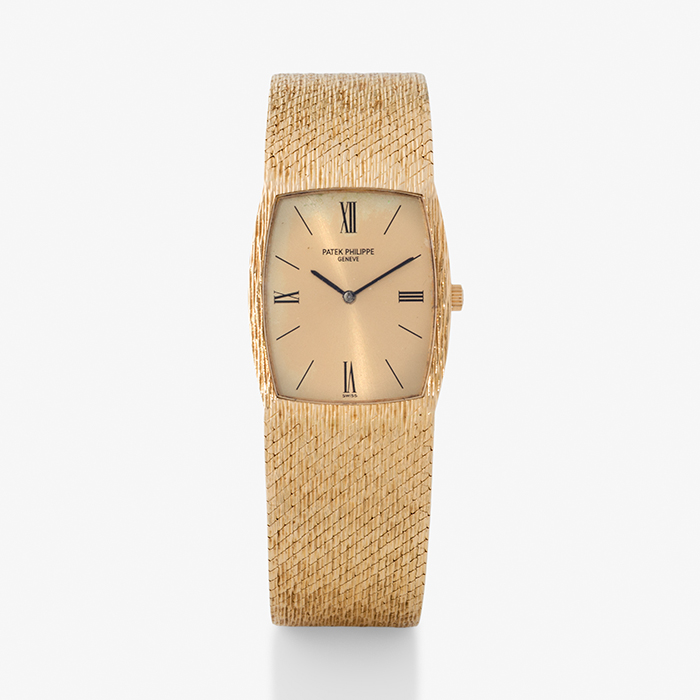
From our September selection, I would also highlight the Patek Philippe Gondolo. This reference embodies the pure essence of a classic dress watch, while reflecting the bold, geometric lines that defined 1970s watchmaking. It is a true collector’s piece, particularly sought-after for its rarity compared to other models from the brand.
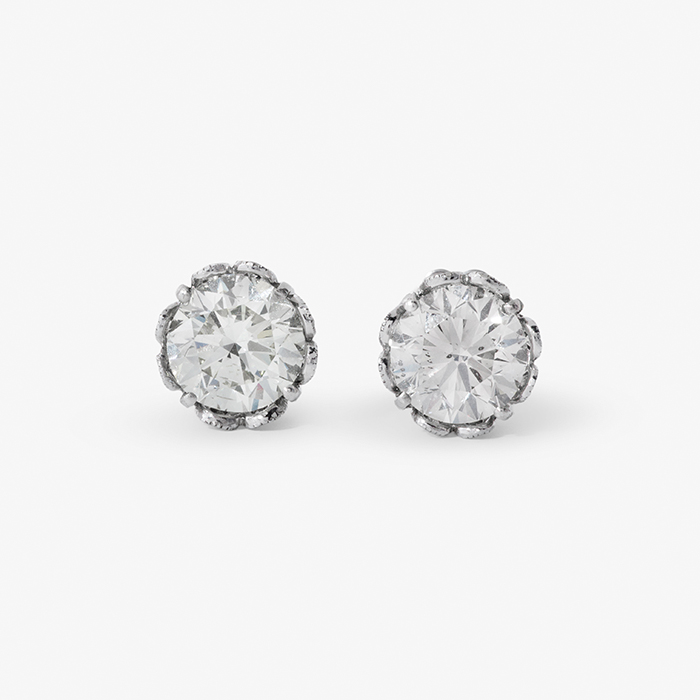
A fine jewelry piece that is always a safe investment is a pair of diamond stud earrings. They are among the most elegant, versatile, and timeless pieces you can own. In our September 15 auction, we will present an exceptional pair totaling 3.02 carats.
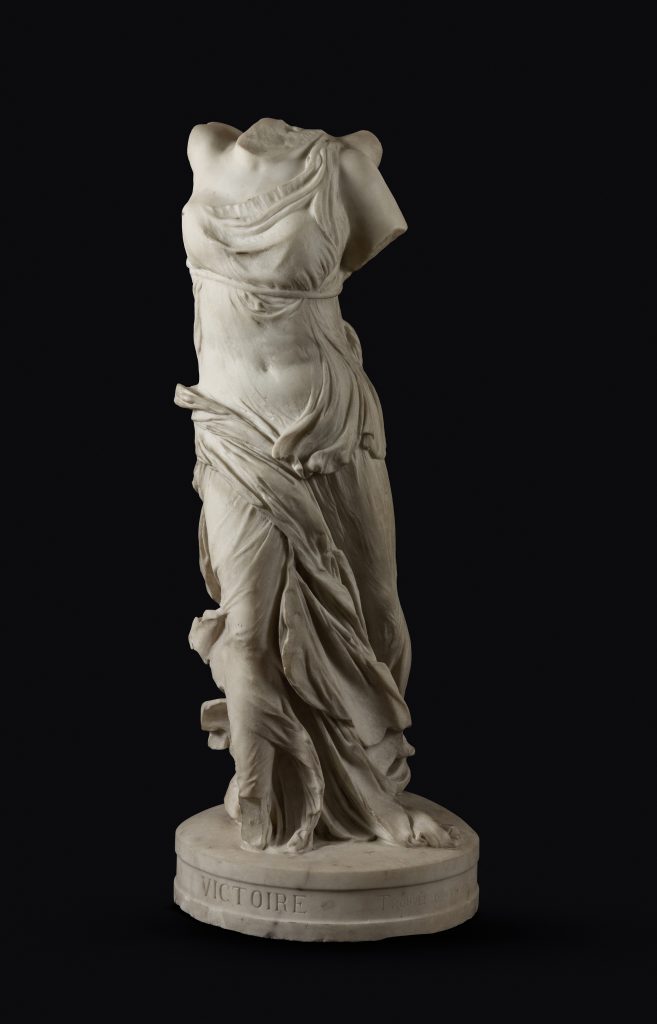
Finally, I would choose the 19th-century marble sculpture of the Winged Victory of Samothrace, a classical masterpiece of Hellenistic art. To this day, it remains a universal symbol of triumph and beauty.

If you liked this interview we suggest reading the following content: