There are places where time does not stand still—it becomes more concentrated. Artists’ house-museums belong to that unique category of spaces where creation ceases to be a private act and becomes cultural heritage. They are not merely preserved residences; they are material extensions of an aesthetic vision. Visiting these artist’s homes is to gain insight into the origins of some of the most influential works in the history of modern and contemporary art, but also into a way of life in which art, architecture, and landscape formed a single, inseparable whole.
Visiting an artist’s home means stepping into their creative universe, into their way of thinking and of experiencing the world. It also offers a window into their way of life and, in many cases, into the very origins of some of the most influential works of modern and contemporary art. These places hold more than just personal belongings: they preserve aesthetic choices, obsessions, working methods, and, above all, the intimate relationship between creation and environment.
This summer, we invite you to take a tour of some of the world’s most fascinating house museums.
From Monet’s Impressionist legacy to Leonardo da Vinci’s final refuge: house museums to discover in France
Claude Monet – Giverny (France)
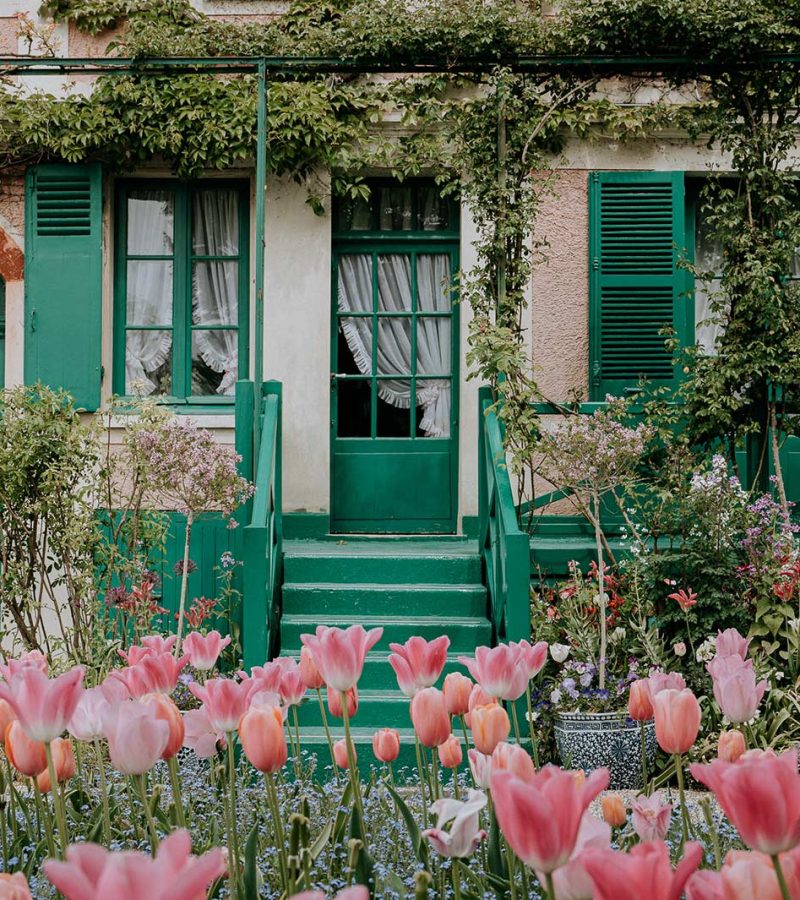
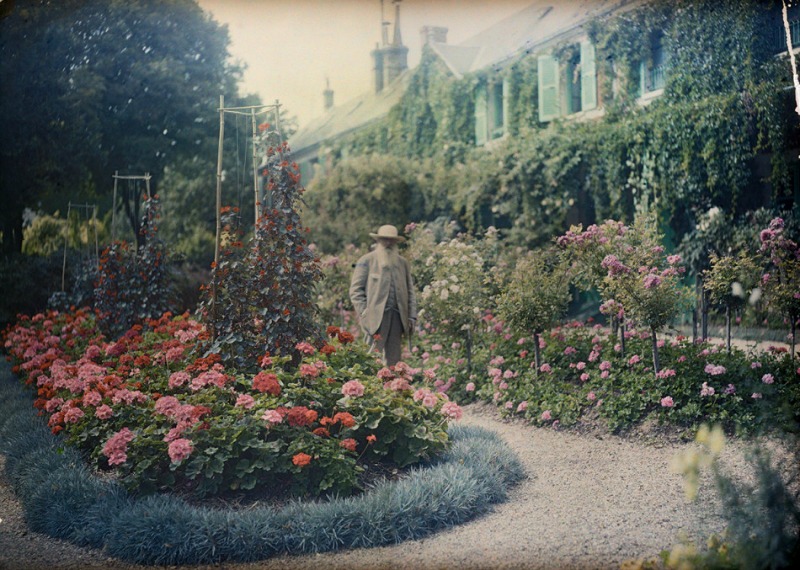
In Giverny, Monet did not merely inhabit the landscape; he designed it as a total work of art. The garden, the Japanese bridge, and the water lily pond constitute one of the most sophisticated explorations of the relationship between nature and painting.
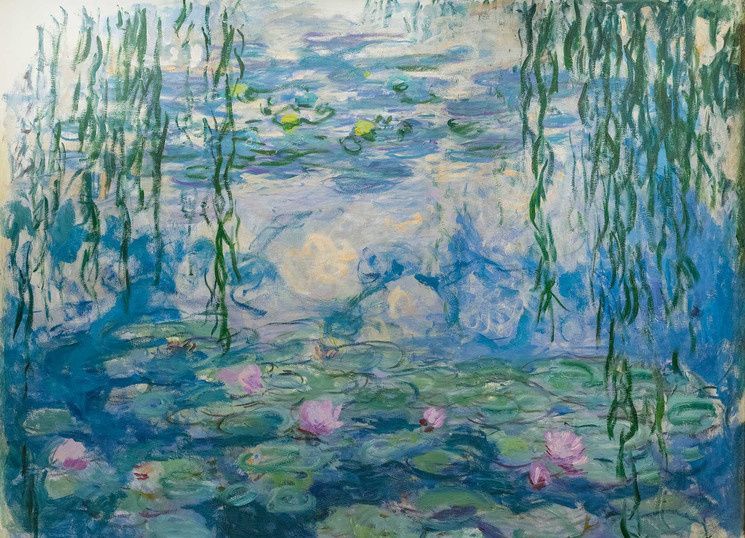
The later series of Nymphéas cannot be understood without this controlled environment, where the artist transformed observation into a continuous system of variation.
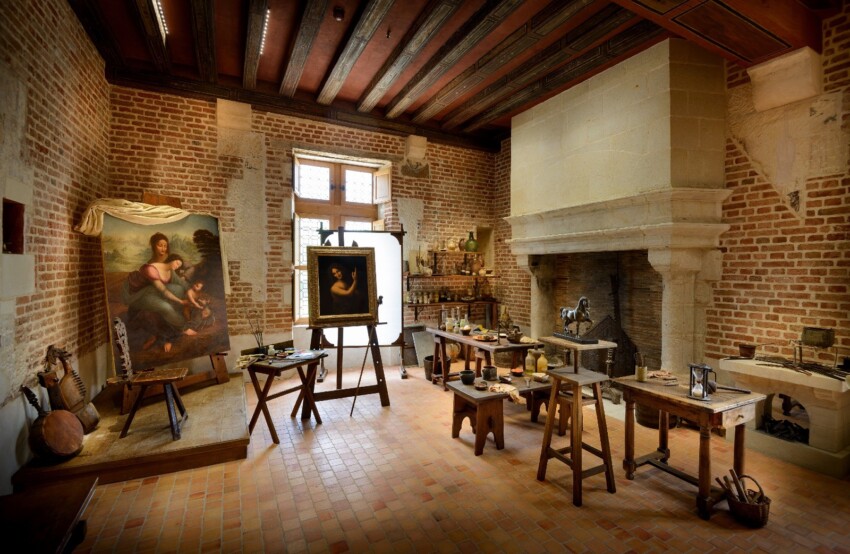
Leonardo da Vinci – Clos Lucé, Amboise (France)
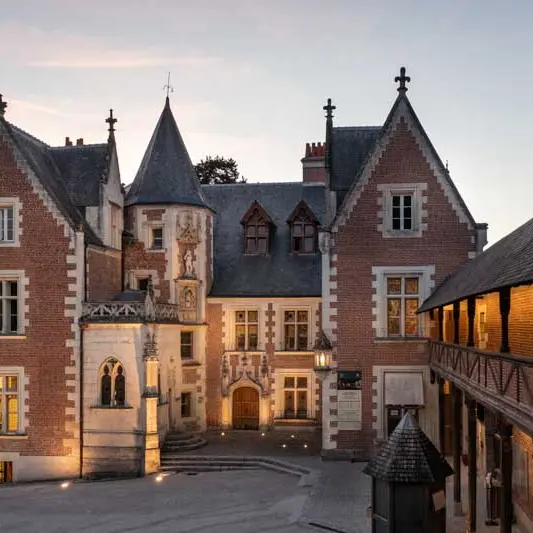
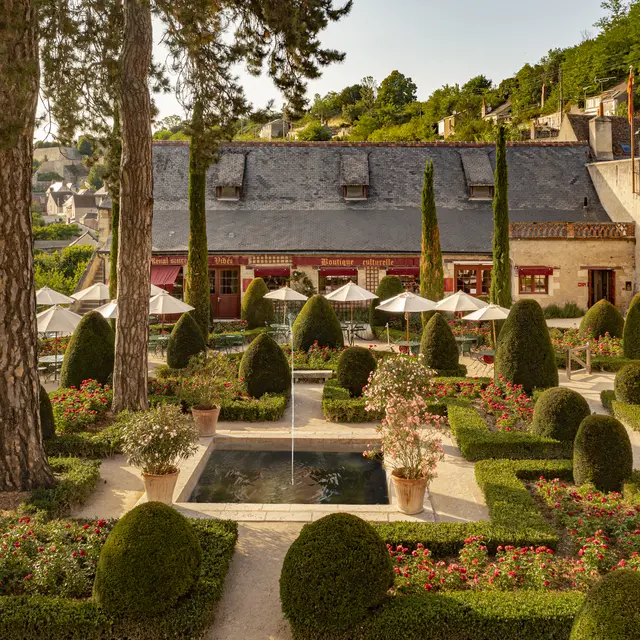
Clos Lucé marks the culmination of an unparalleled intellectual journey. Here, Leonardo shifted the focus of his work toward scientific research, engineering, and architecture.
The models on display reveal a mind that conceives of art as a comprehensive system of knowledge, in which the image, the machine, and anatomy are all part of the same structure.
Pierre-Auguste Renoir – Essoyes (France)
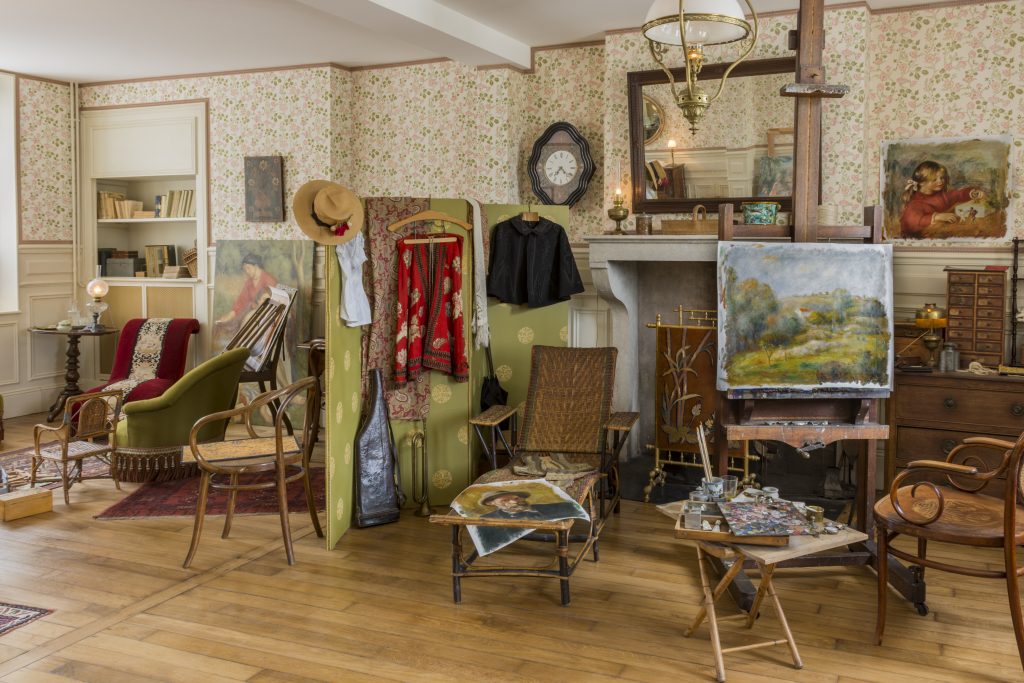
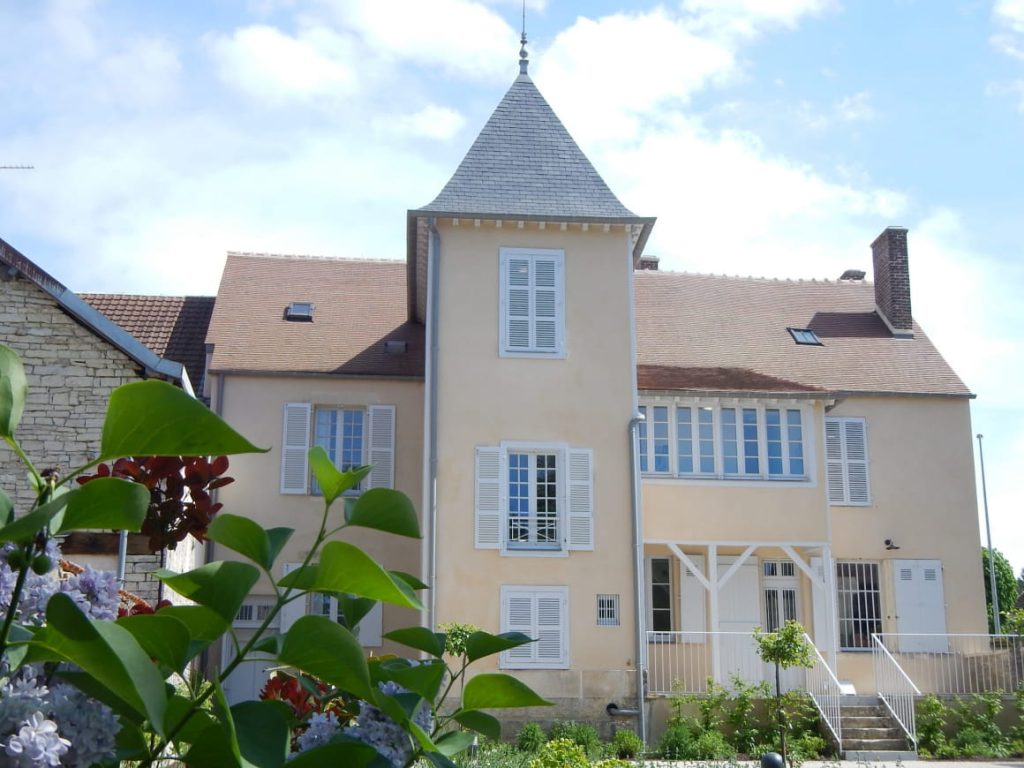
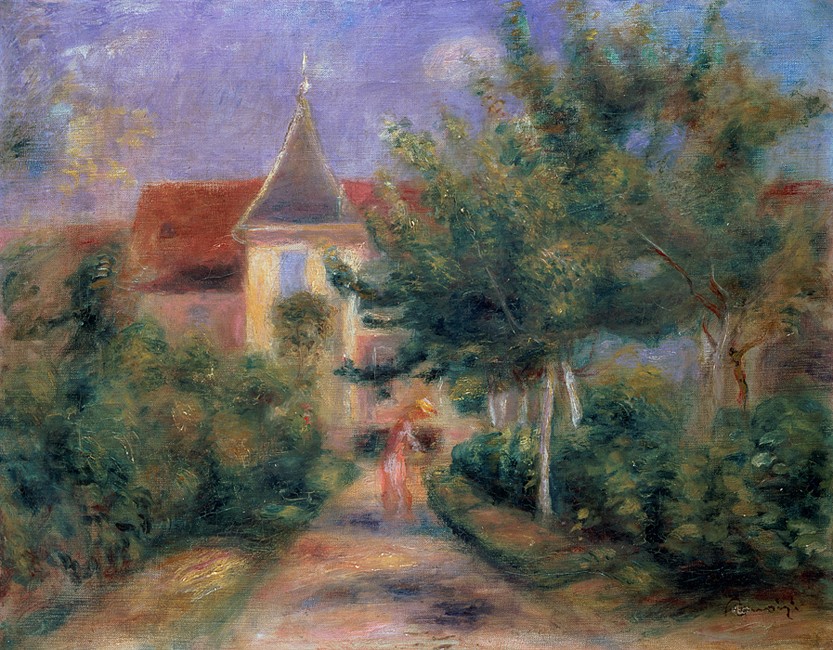
Renoir’s studio in Essoyes reflects the most intimate aspect of late Impressionism. Away from Paris, the artist found a more leisurely pace of work, in which painting became an integral part of daily life.
Even in recent years, when his mobility was limited, the continuity of his practice confirms a central idea: painting as a vital necessity, beyond physical condition.
Artists’ homes in Spain: from Dalí’s surrealism to El Greco’s mysticism
Salvador Dalí – Portlligat (Spain)
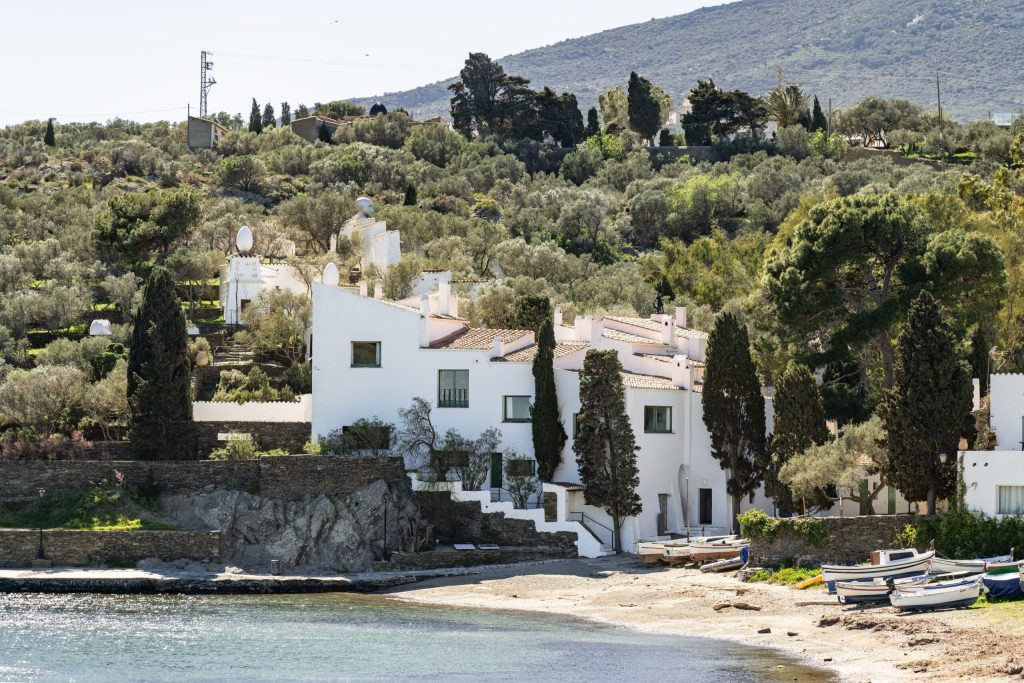
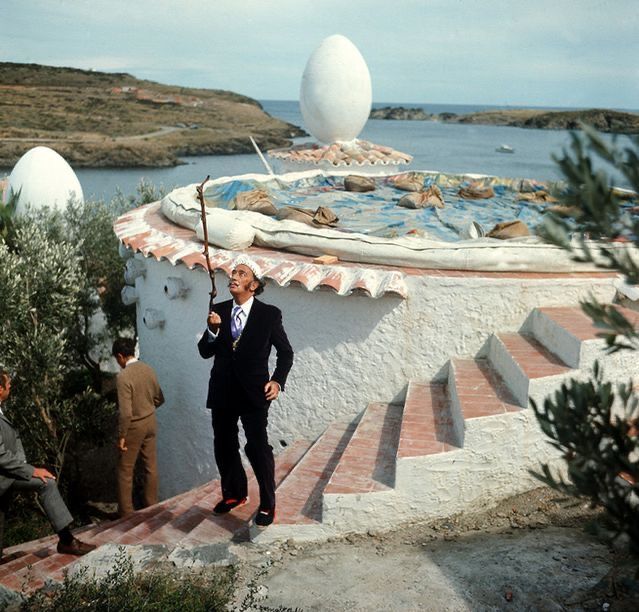
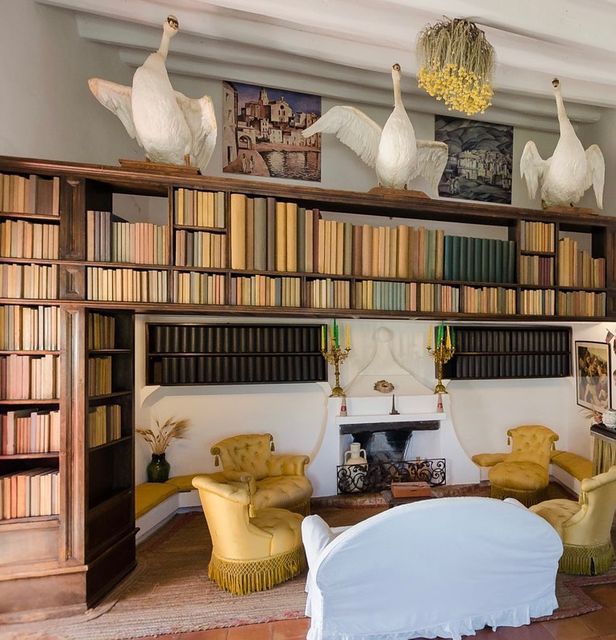
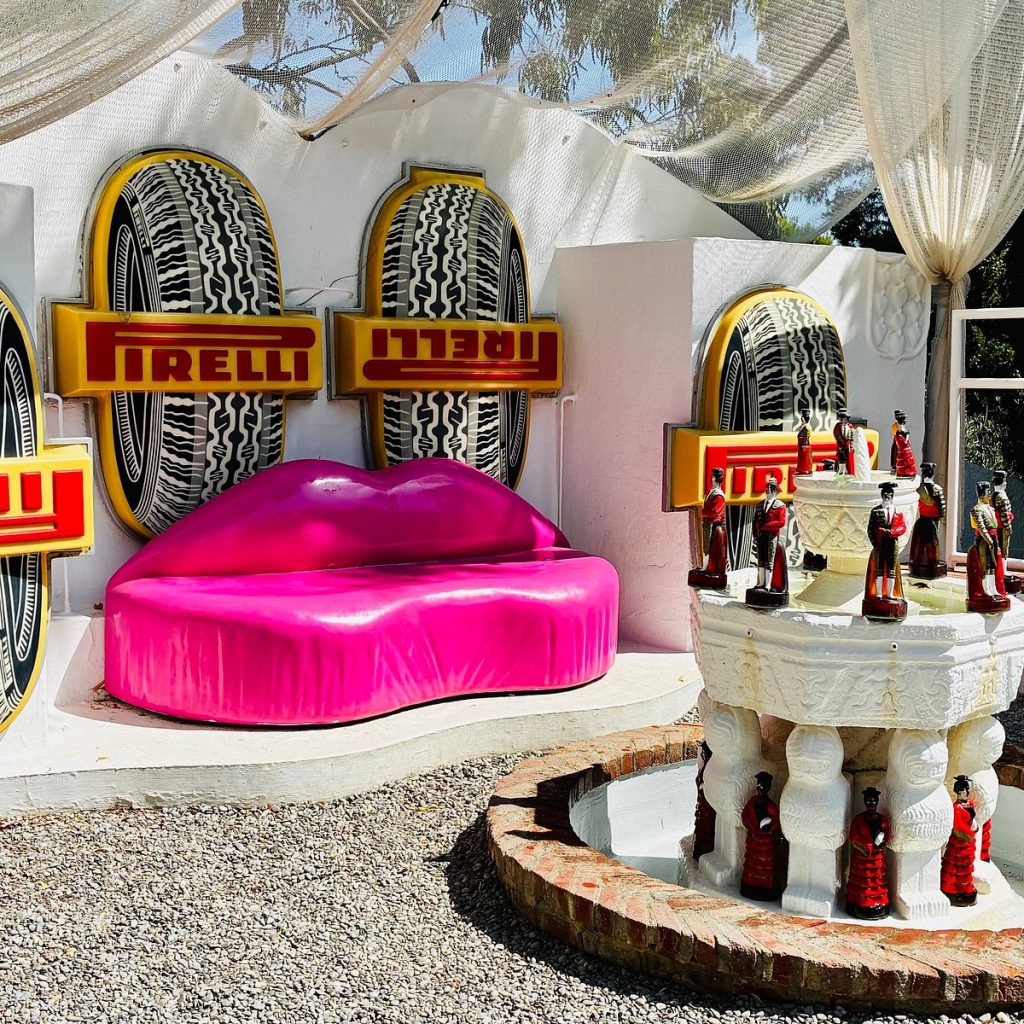
In Portlligat Bay, Dalí spent decades building a residence that defies all conventional architectural logic. The house-museum unfolds like a three-dimensional surrealist composition: interconnected spaces, unexpected perspectives, and an almost theatrical interplay with the Mediterranean light.
The studio, precisely oriented toward natural light, reveals the extent to which Dalí understood the environment as part of his creative process. Portlligat is not just his home: it is the embodiment of his imagination.
Joan Miró – Mas Miró, Mont-roig del Camp (Spain)
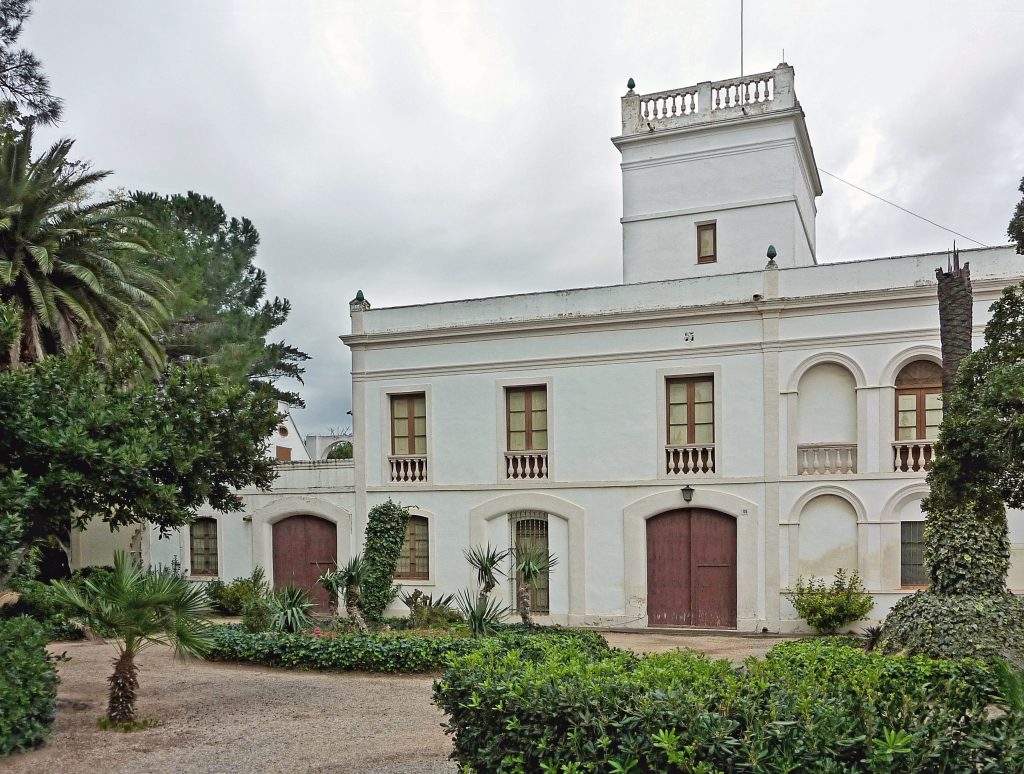
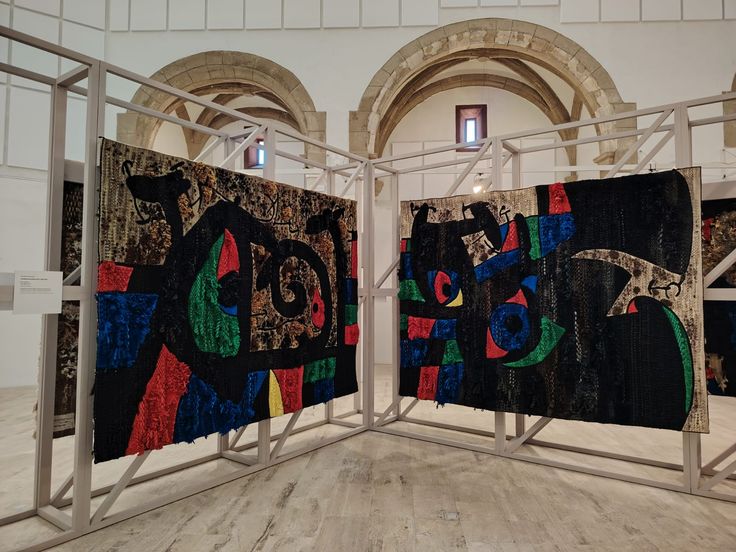
Mas Miró holds a foundational place in the artist’s body of work. It was here that Miró developed a visual language that would transform 20th-century abstraction.
The landscape of Mont-roig is not depicted; it is internalized. The red earth, the horizon line, and the rural geometry become mental structures that will later crystallize into his artistic vocabulary. The house-museum offers insight into this silent transition from observation to system.
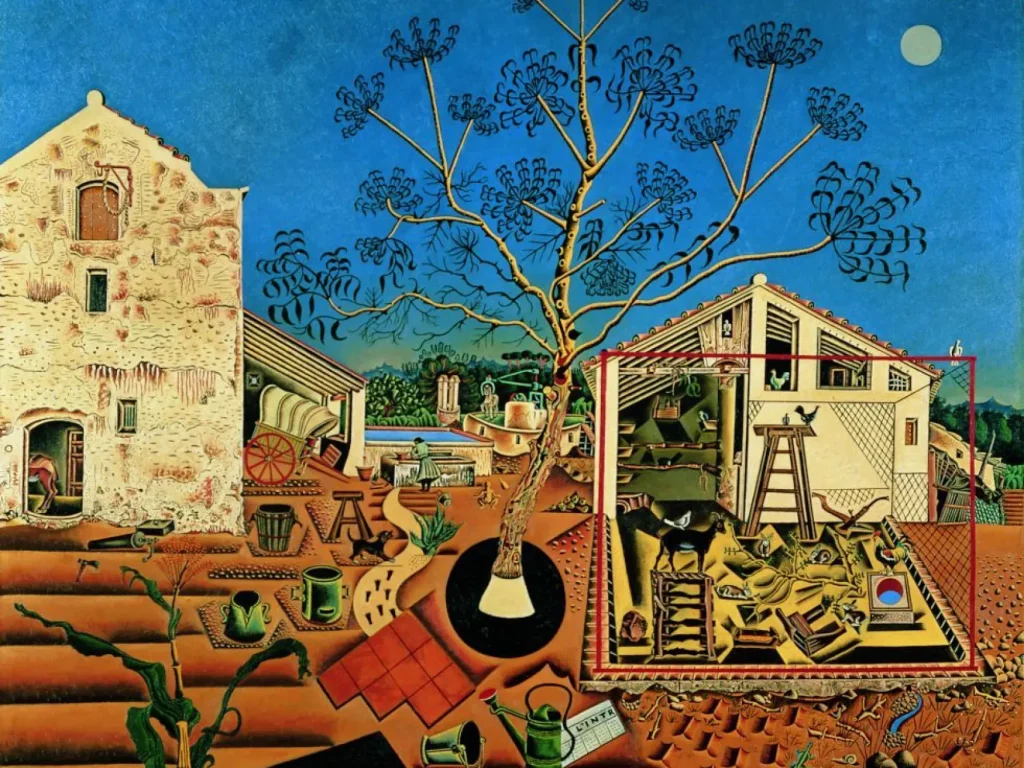
Pablo Picasso – Birthplace, Málaga (Spain)
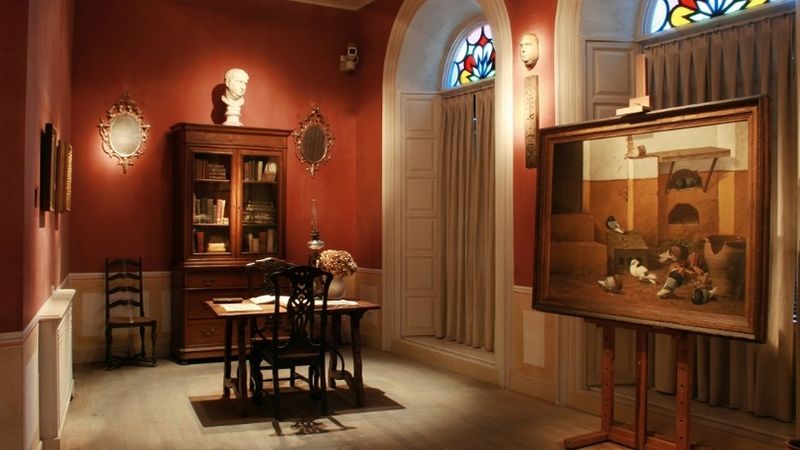
Picasso’s Birthplace offers essential insight into his origins within a bourgeois and academic setting. Far from the myth of the isolated genius, this space highlights the artist’s early immersion in the European pictorial tradition.
Picasso’s artistic development did not begin with a break from tradition, but rather with a complete mastery of the classical language. This starting point is key to understanding the radical nature of his later work.
Joaquín Sorolla – Sorolla Museum, Madrid (Spain)
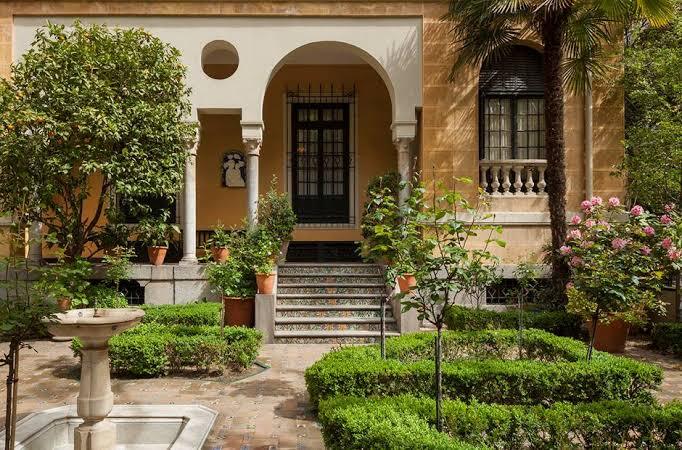
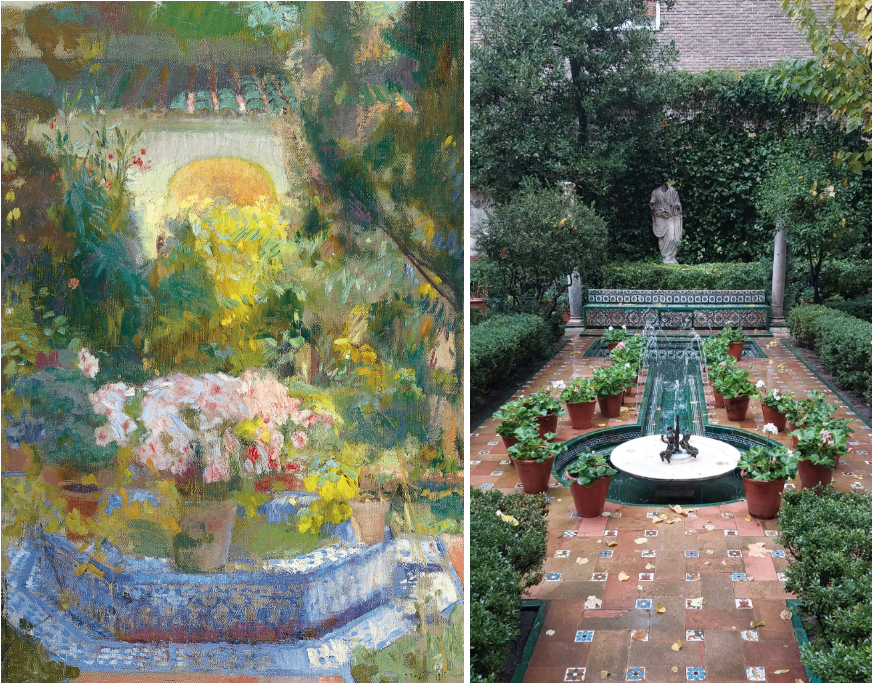
Among the artists’ homes preserved in Europe, Sorolla’s holds a unique place due to its integrity. The studio, the gardens, and the residence form a single visual whole.
Light, a central element of his painting, is not a metaphor here: it is a physical condition. The garden serves as an extension of the studio, a space where painting is explored directly through the experience of the sun.
El Greco – Casa del Greco, Toledo (Spain)
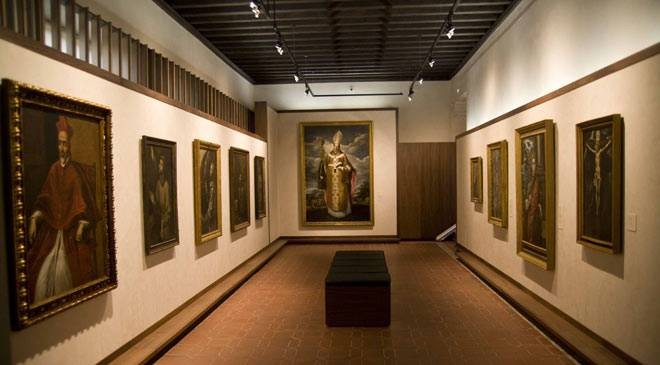
More than a biographical reconstruction, the Casa del Greco evokes the intellectual atmosphere of Toledo during the Golden Age. The space reflects a deeply spiritual conception of art, in which form is subordinate to an inner tension.
The extreme verticality of his figures finds its counterpart here in an urban setting marked by the city’s historical and religious density.
The Studio as a Center of Creativity: House Museums in the Netherlands and Belgium
Van Gogh House Museum – Nuenen (Netherlands)
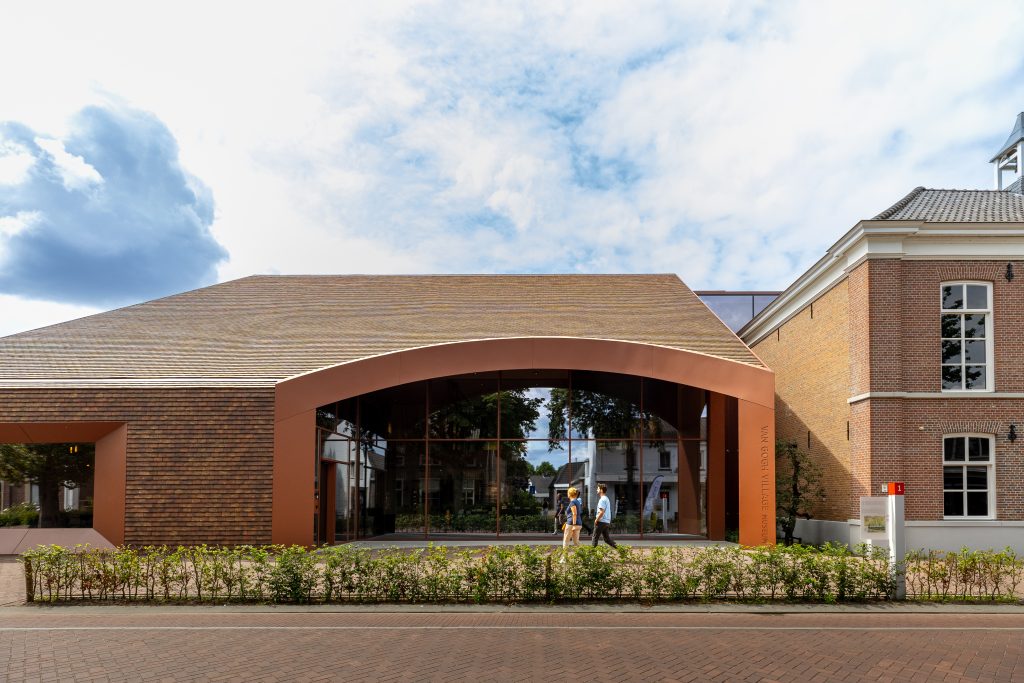
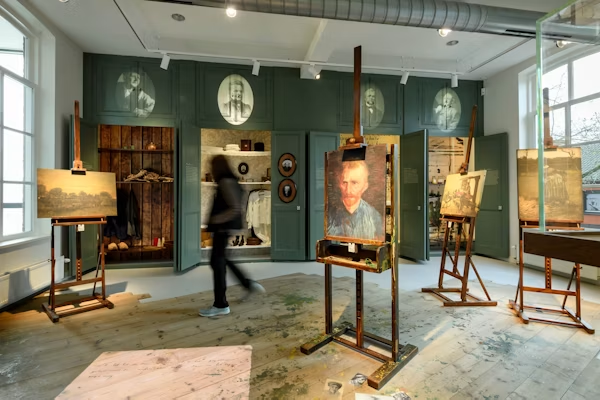
A visit to the Van Gogh House Museum in Nuenen offers a glimpse into one of the most pivotal periods in Vincent van Gogh’s artistic development. Between 1883 and 1885, the painter lived in this Dutch town, where he produced work characterized by his observation of rural life, a restrained color palette, and a deep interest in the daily lives of rural workers.
More than just a biographical museum, this place offers valuable insight into the creative process of an artist whose evolution was the result of a constant quest deeply rooted in the observation of reality.
Rembrandt – Amsterdam (Netherlands)
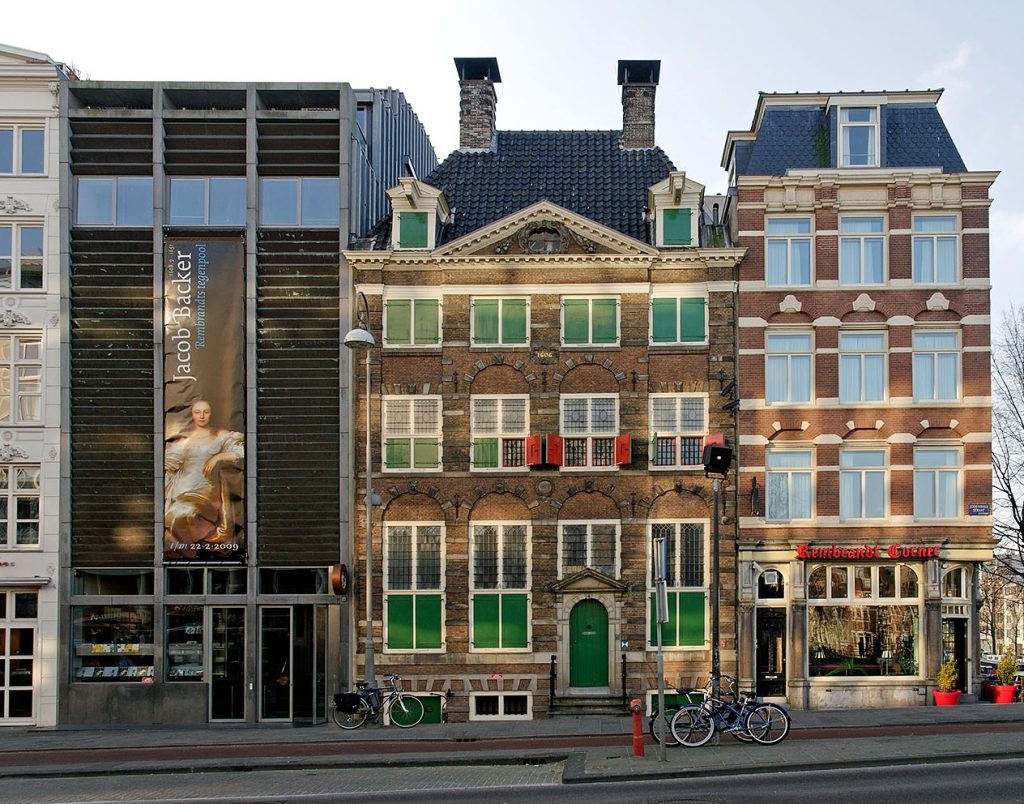
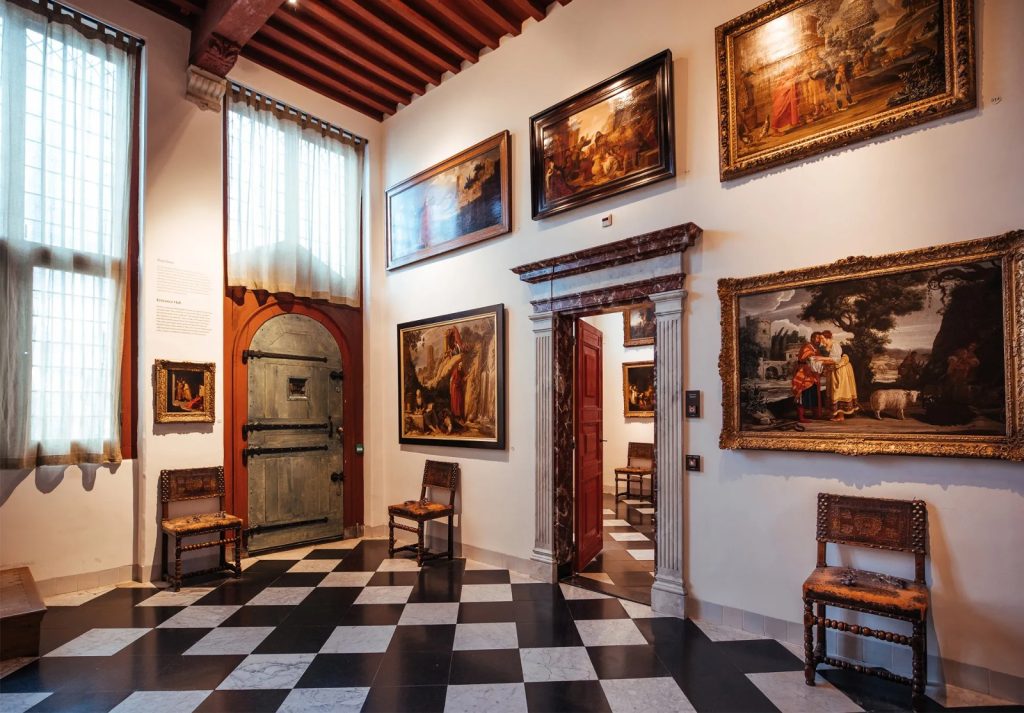
The Rembrandt House Museum reveals the complexity of his role as an artist, collector, and merchant. The reconstructed space offers insight into his studio as a center for the production and transmission of knowledge.
Here, printmaking takes on a strategic dimension: not only as an artistic technique, but also as a tool for circulating his work in the European market.
Peter Paul Rubens – Antwerp (Belgium)
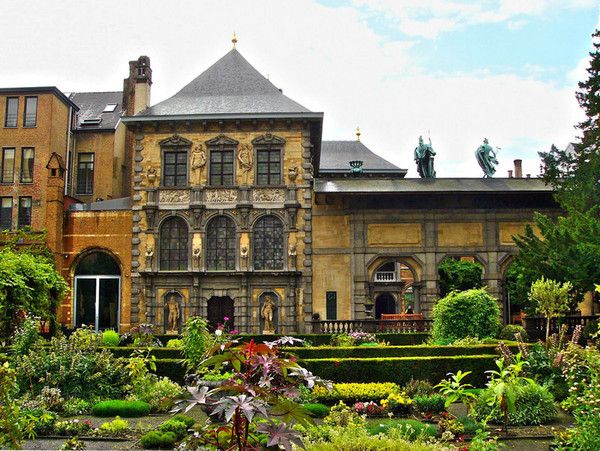
Rubens’s residence in Antwerp is a statement of cultural ambition. Inspired by Italian models, it combines a private residence and a studio within a single complex.
His studio functioned as a true hub of international production, foreshadowing the collaborative work structures we now associate with major historical workshops.
A Dialogue with Classical Tradition: Cy Twombly’s House in Italy
Cy Twombly – Bassano in Teverina (Italy)
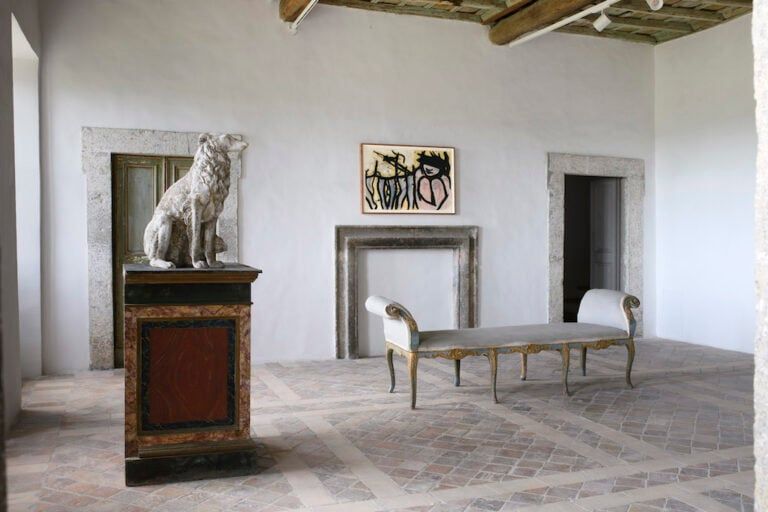
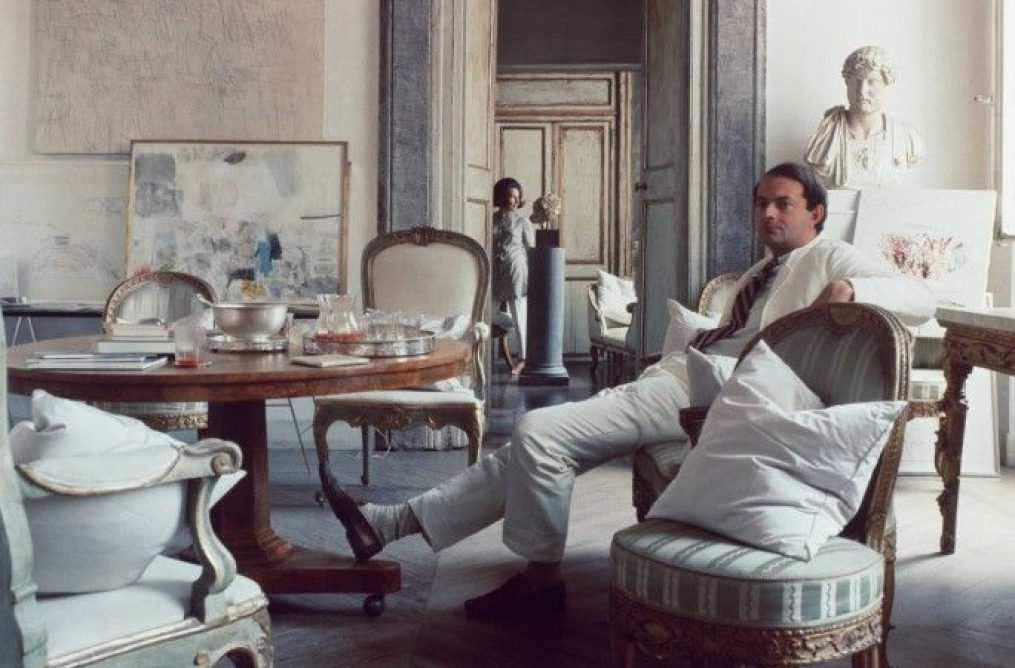
Cy Twombly’s former residence reflects his connection to classical tradition and the Italian landscape. His work, which is interwoven with writing, history, and poetry, finds a natural echo here.
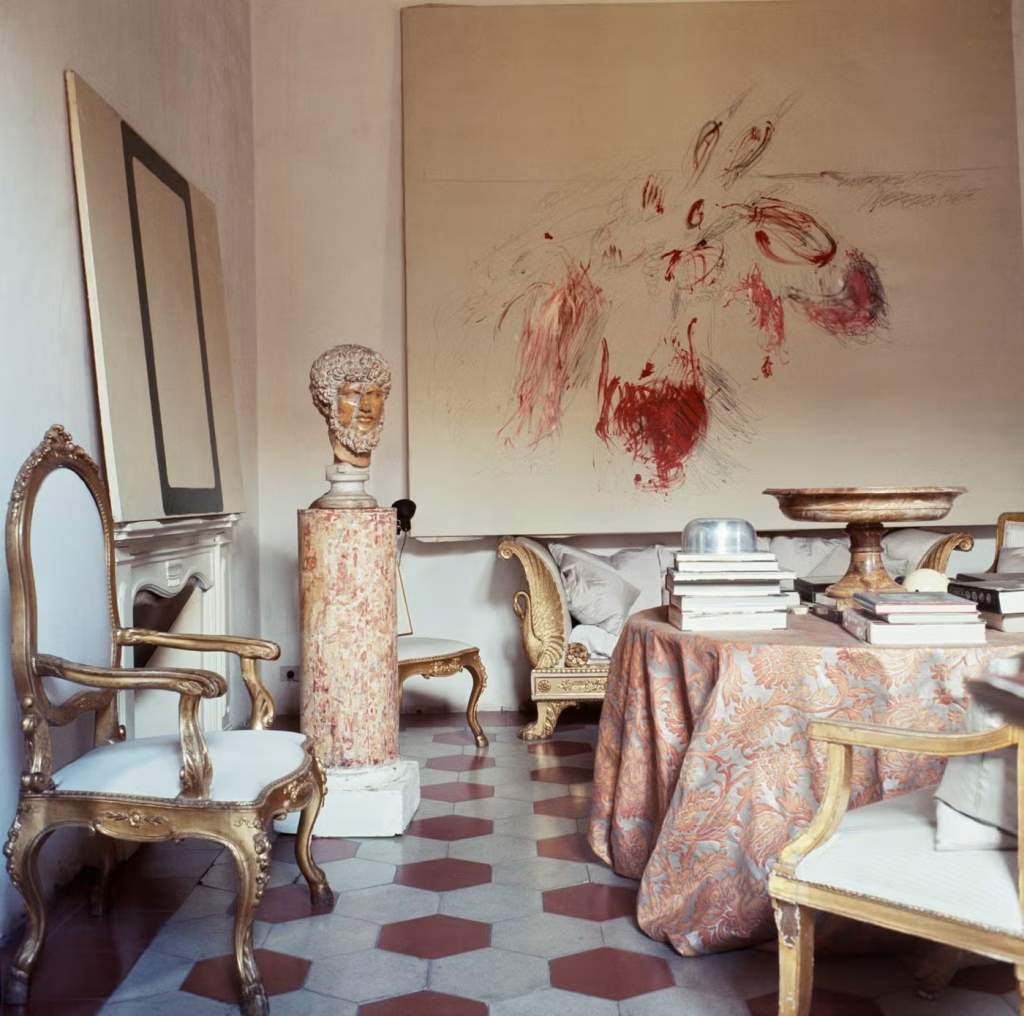
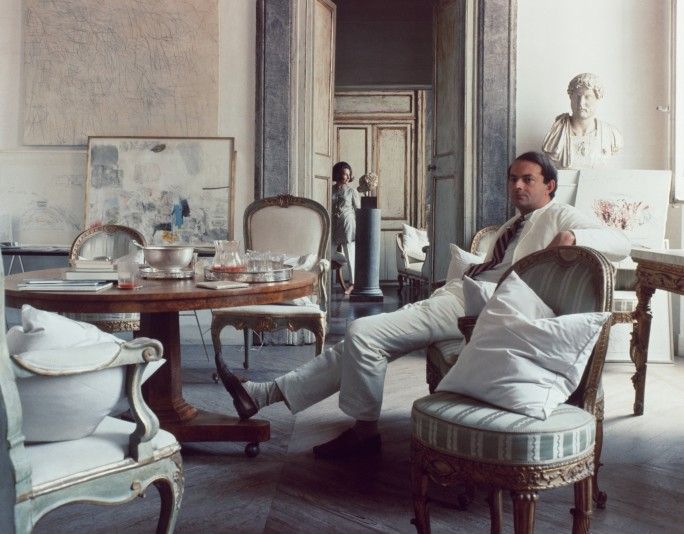
Artists’ Homes in the United States: From Georgia O’Keeffe’s Desert to Lee Krasner’s Expressionism
Georgia O’Keeffe – Abiquiú (United States)
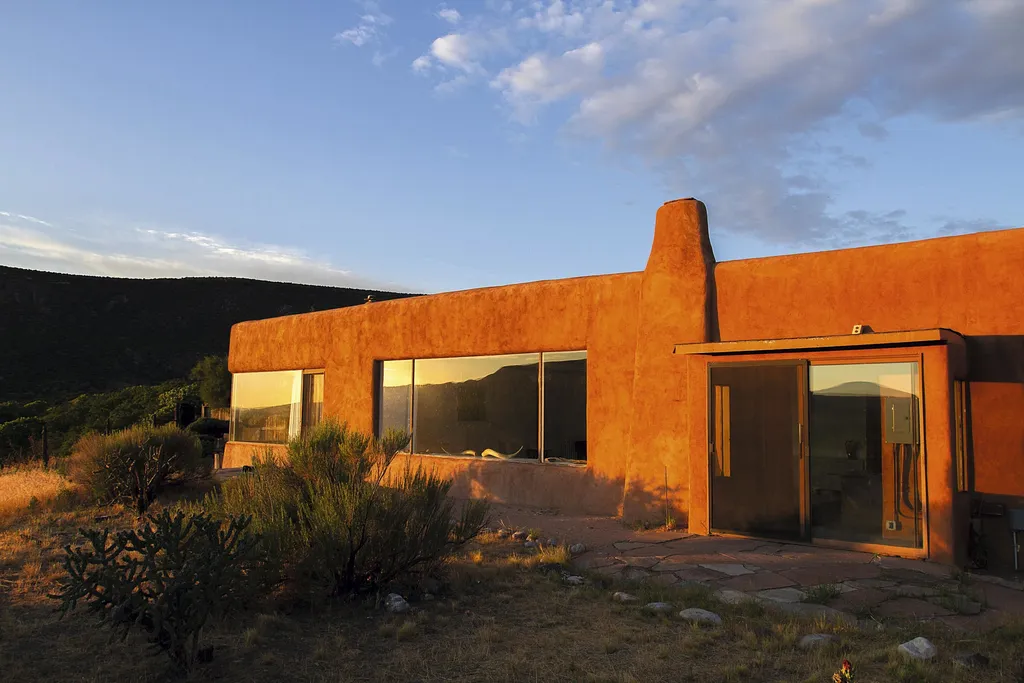
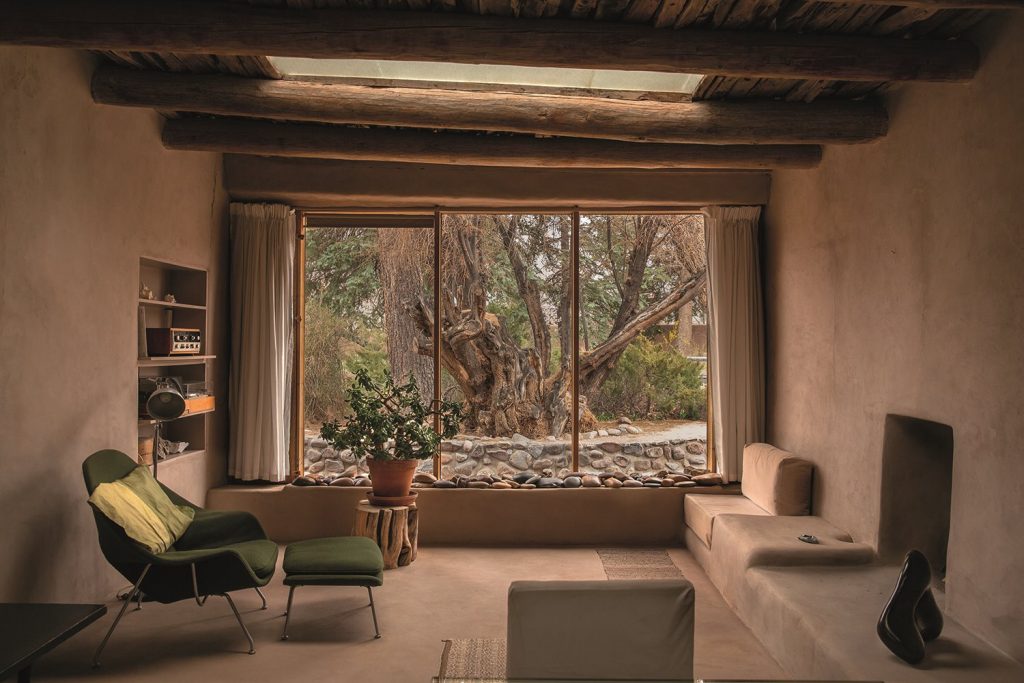
In Abiquiú, O’Keeffe developed an almost absolute relationship between environment and abstraction. The house reflects her quest to eliminate the superfluous. The desert landscape becomes a visual structure, where form and silence carry equal weight.
Lee Krasner – East Hampton (United States)
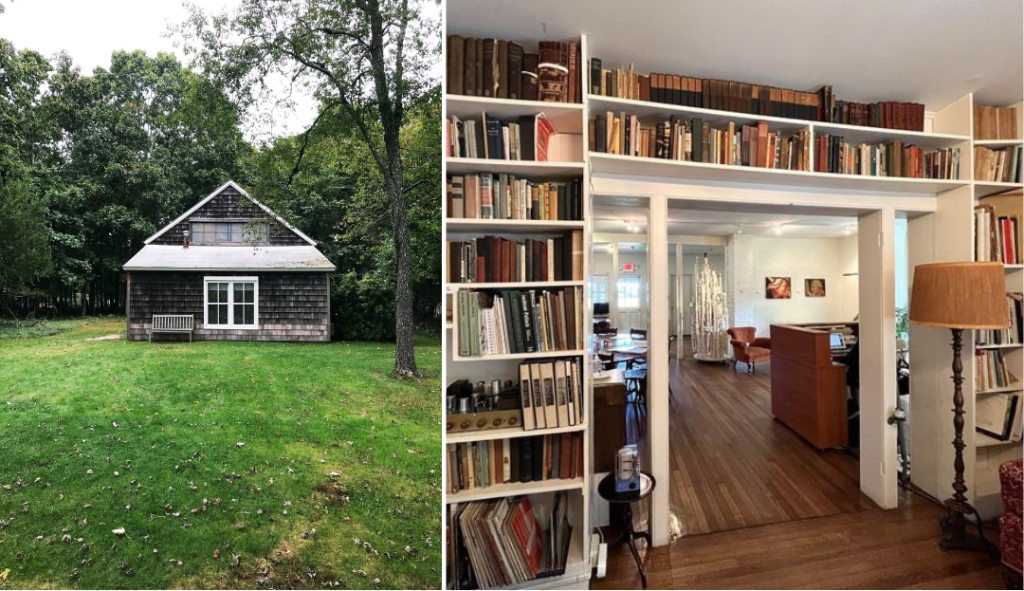
The home of Krasner and Pollock is one of the epicenters of Abstract Expressionism. The studio preserves not only the physical traces of the creative process but also the domestic dimension of a life shared around painting.
The Construction of Identity: Frida Kahlo’s Blue House in Mexico
Frida Kahlo – Casa Azul, Mexico City (Mexico)
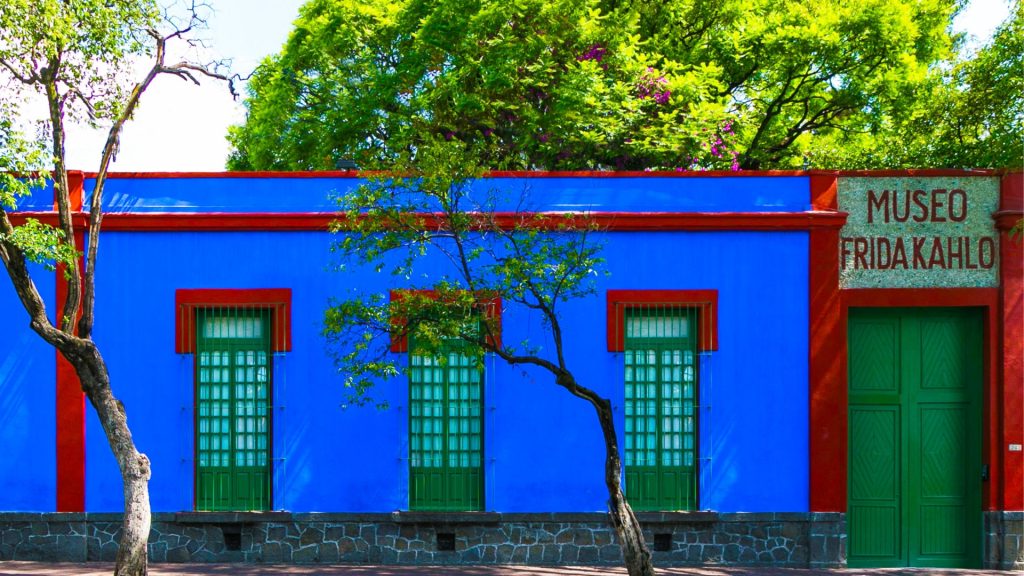
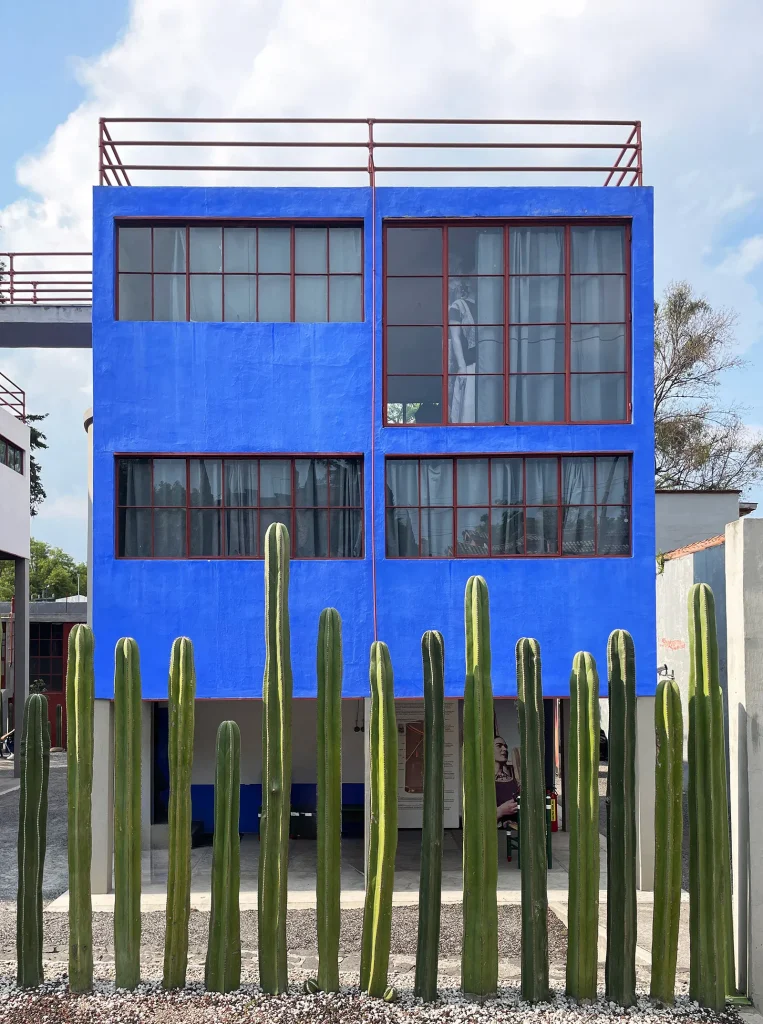
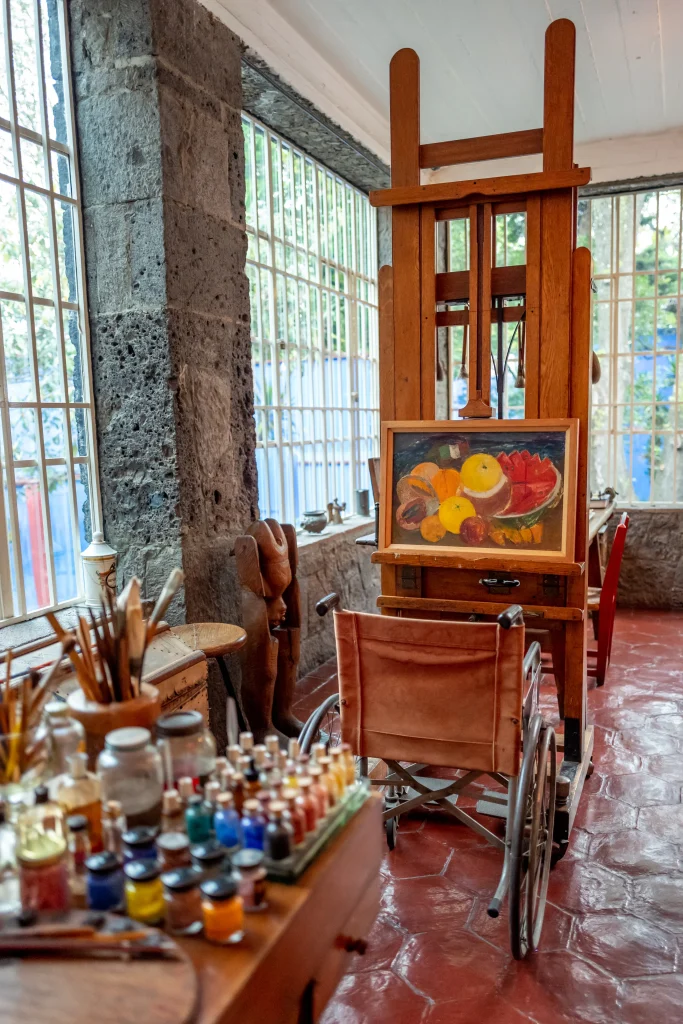
La Casa Azul transcends the category of a house museum to become a space for identity-building. Each object is part of a carefully crafted narrative. The architecture and color are not merely decorative, but expressive: they reflect an aesthetic sensibility deeply rooted in Mexican culture and its symbolic dimension.
Heritage, Experience, and Collecting
These house museums are not merely biographical records. They are tangible extensions of each artist’s work and, in many cases, essential to understanding their legacy.
In a context where contemporary collecting increasingly values the history, provenance, and cultural context of artworks, these places are taking on greater significance. They do more than simply explain art; they situate it within a broader narrative, where life and creation form a single continuum.
Visiting these house museums is a unique way to gain insight into the creative worlds of some of history’s most influential artists. Beyond simply viewing their works, these museums allow visitors to understand the context in which many of them were created and to discover how the domestic space was also part of their creative process.
If you’re thinking about starting or expanding your art collection, we invite you to explore our September auction catalog, where you’ll find a carefully curated selection of exceptional works and pieces that are now available for bidding.
If you liked this article, you may also be interested in: