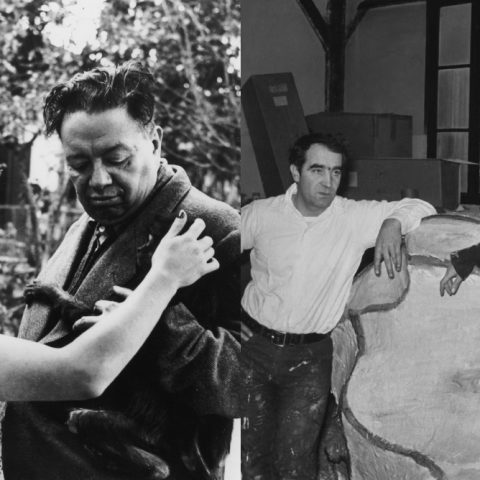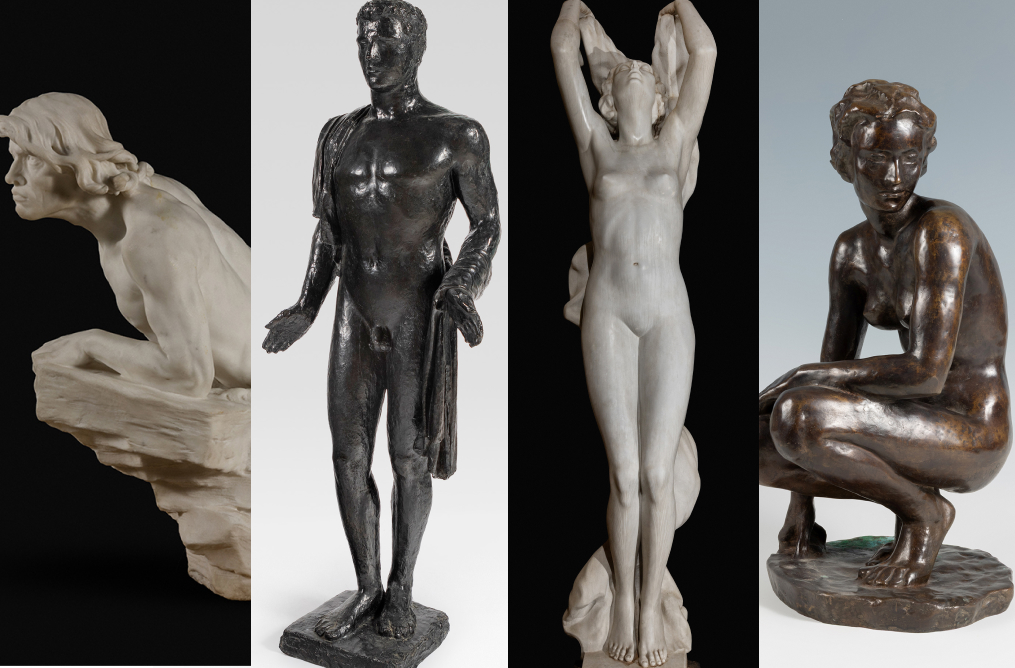
In the field of international auction houses, few categories reach the historical, aesthetic and symbolic density of 20th-century European sculpture, especially in its figurative aspect. The selection we present here is articulated around a common axis – the representation of the human figure – and brings together works by masters such as Charles Despiau, Fritz Klimsch, Antoine Bourdelle and Antoine-Louis Barye. More than a set of pieces, this collection is configured as a continuous historiographic narrative in which the body becomes the place where tradition, modernity and ideology converge.
The body as the territory of modernity in 20th century European sculpture.
Since Rodin’s legacy, European sculpture began a process of emancipation from academic rigidity to open up to a more organic, dynamic and structural conception of form. The body ceases to be a mere anatomical transcription to become a field of forces, where the inner energy of the subject, matter and the historical tensions of his time converge.
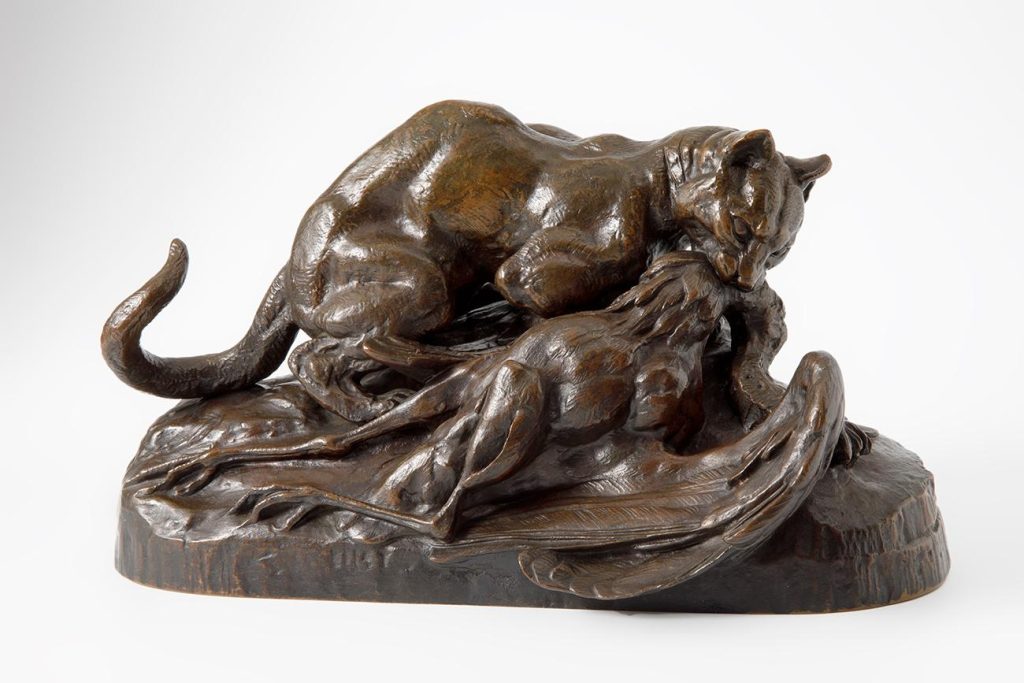
In this process of evolution of 20th century European sculpture, Antoine-Louis Barye occupies a foundational position. His observation of the natural world and his study of movement introduce an understanding of the body based on vital tension and the structural truth of anatomy, anticipating a modern sensibility in which the human figure asserts itself as an organism in constant transformation.
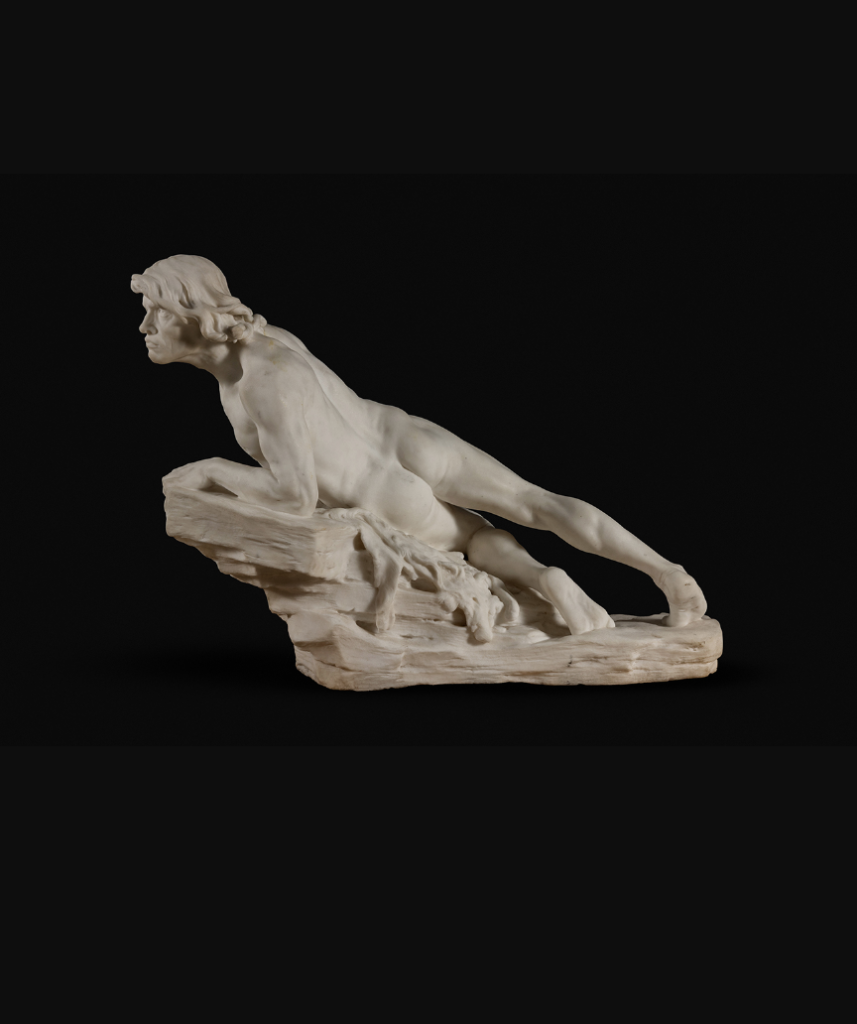
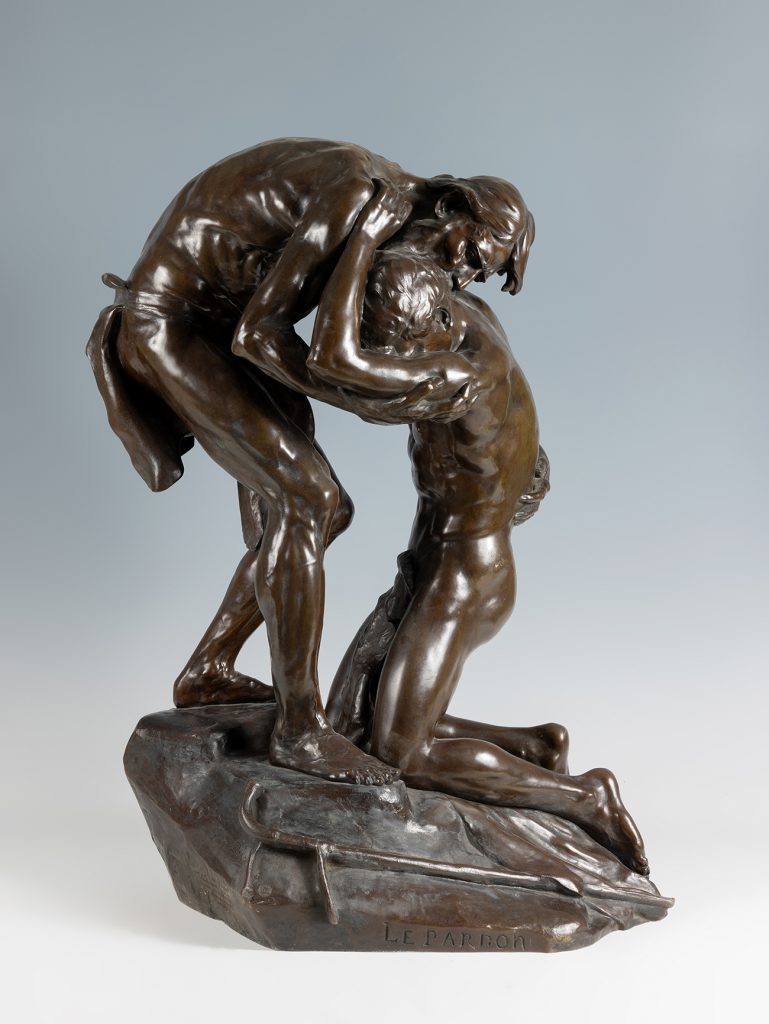
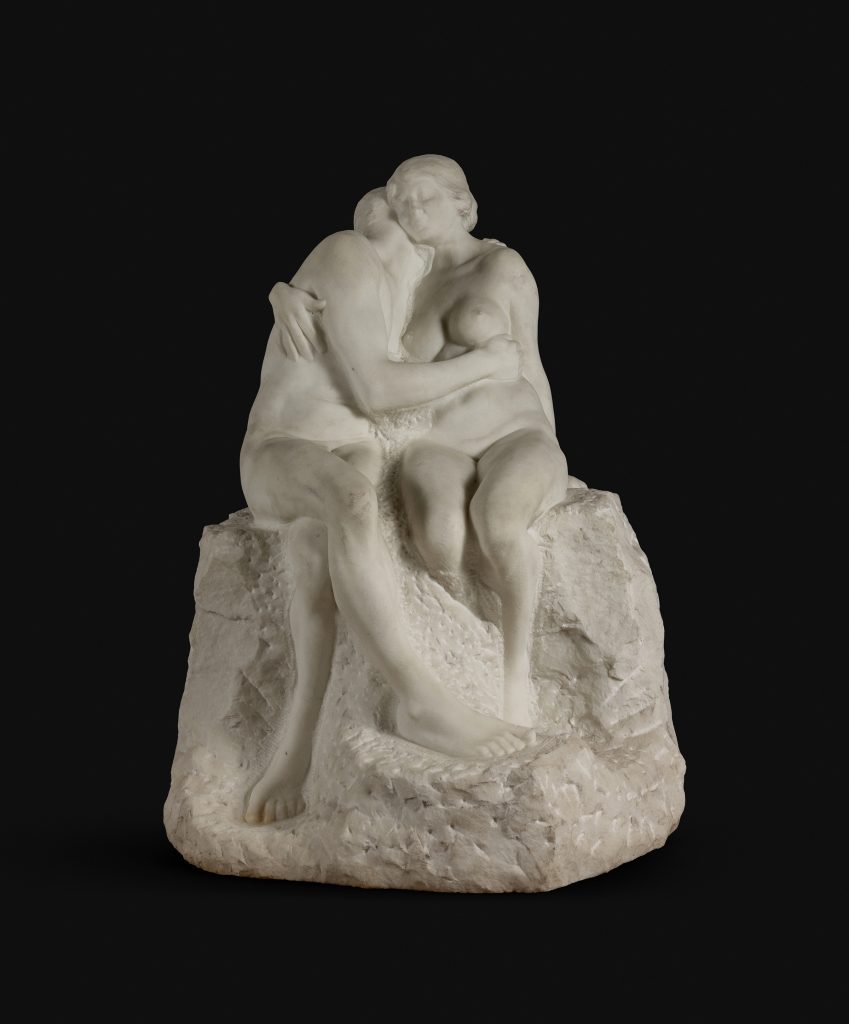
In a line of transition between tradition and modernity are Jean De Coen, Victorien Tournier and Ernest Henri Dubois, who develop a figuration of constructive and naturalistic roots. In them, the human figure is articulated from anatomical clarity, compositional stability and a search for balance between direct observation and formal synthesis. Marcello Tomassi, on the other hand, introduces a more refined and contemporary reading of figurative language, where the form tends towards volumetric simplification and a contained expression that borders on abstraction, enriching the catalog of 20th century European sculpture.
As a whole, these contributions broaden the field of figuration, placing the subject in an intermediate space between tradition and modernity, between the idealization of the past and the formal construction of the future.
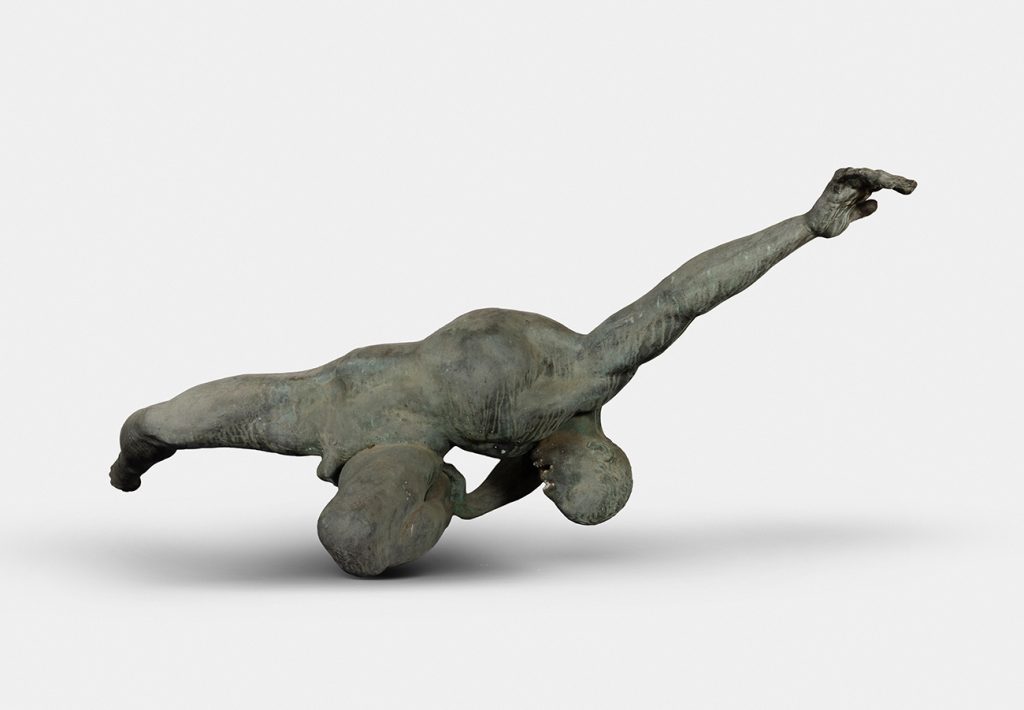
The human figure between tension, balance and form
From this common substratum, 20th century European sculpture bifurcated in two main directions: the formal purification of volume and the monumentalization of the body as a symbolic construction.
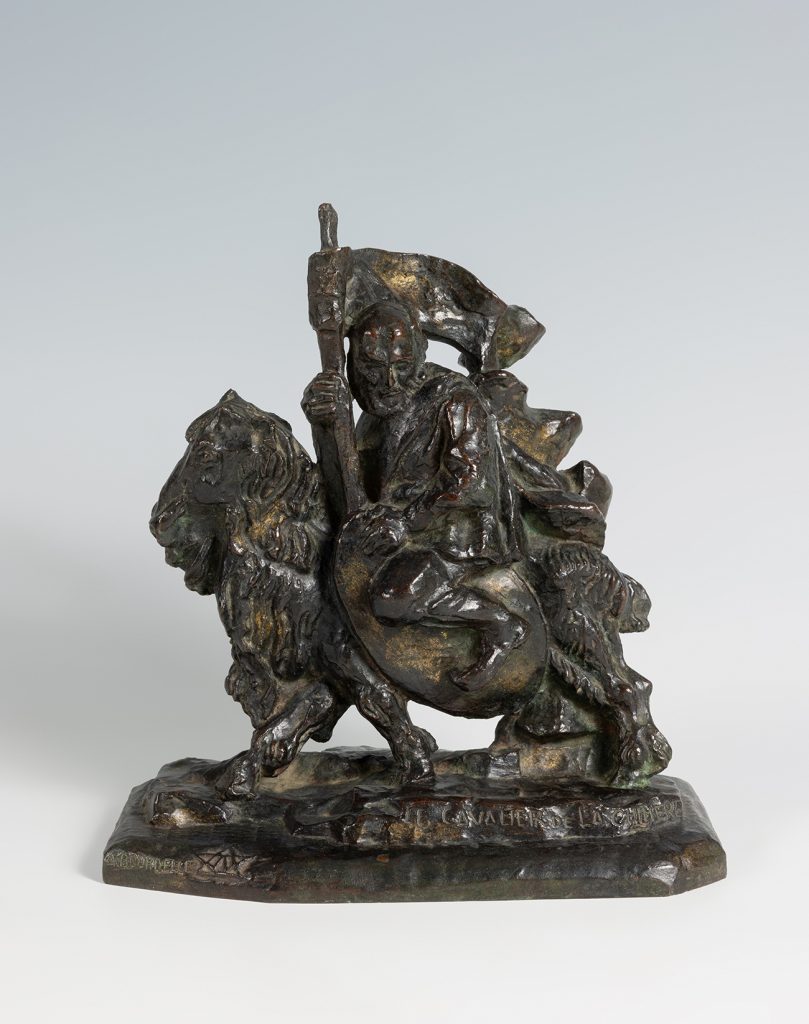
In this context, Antoine Bourdelle represents the most energetic and structural aspect of European sculpture. His work conceives the body as a system of internal tensions, where anatomy is transformed into architecture and matter into contained energy, giving the human figure a heroic and constructive dimension.
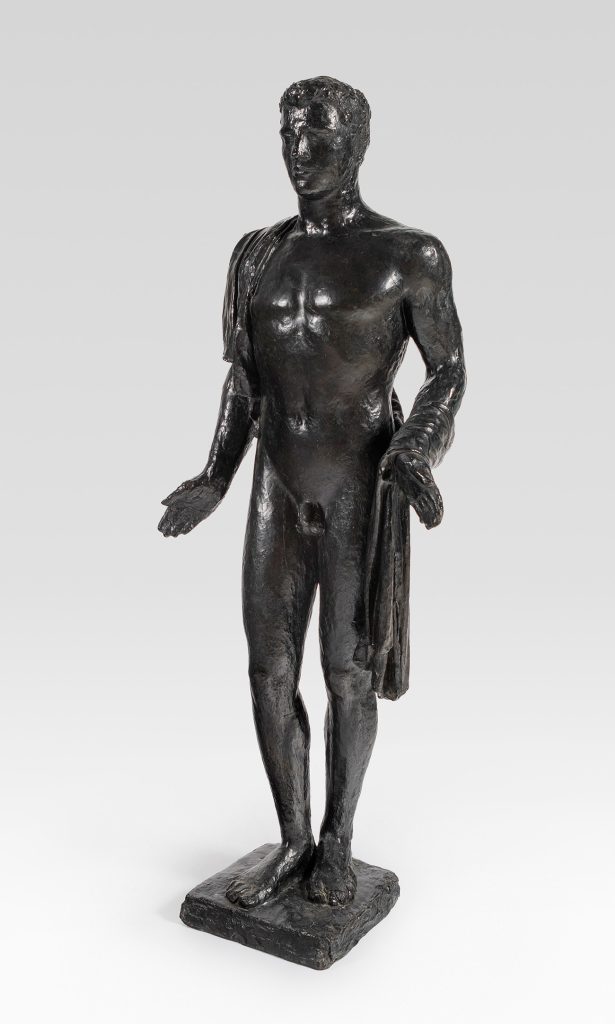
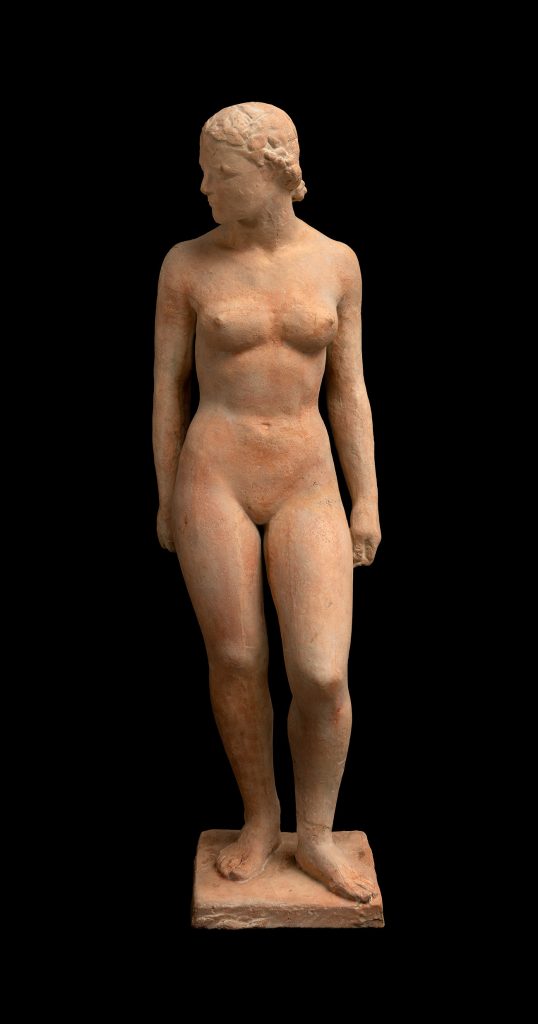
Faced with this intensity, Charles Despiau develops a poetics of containment within the European sculpture of the twentieth century. His work is characterized by the purification of gesture and the search for an essential serenity, in which the human figure becomes a silent presence of great volumetric clarity.
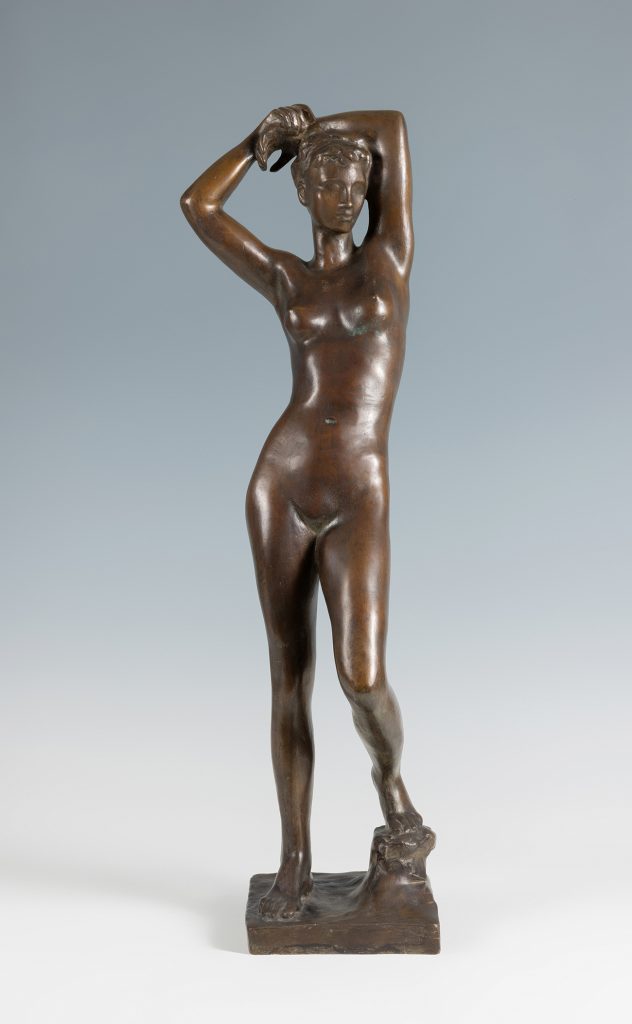
In a different line, Fritz Klimsch proposes an idealization of the body inscribed in the Central European tradition, where the anatomy is purified until reaching a serene and timeless harmony, close to an essential beauty devoid of conflict. This tendency towards balance is fundamental to understand the value of 20th century European sculpture in today’s market.
The human figure as a guiding thread in 20th century European sculpture
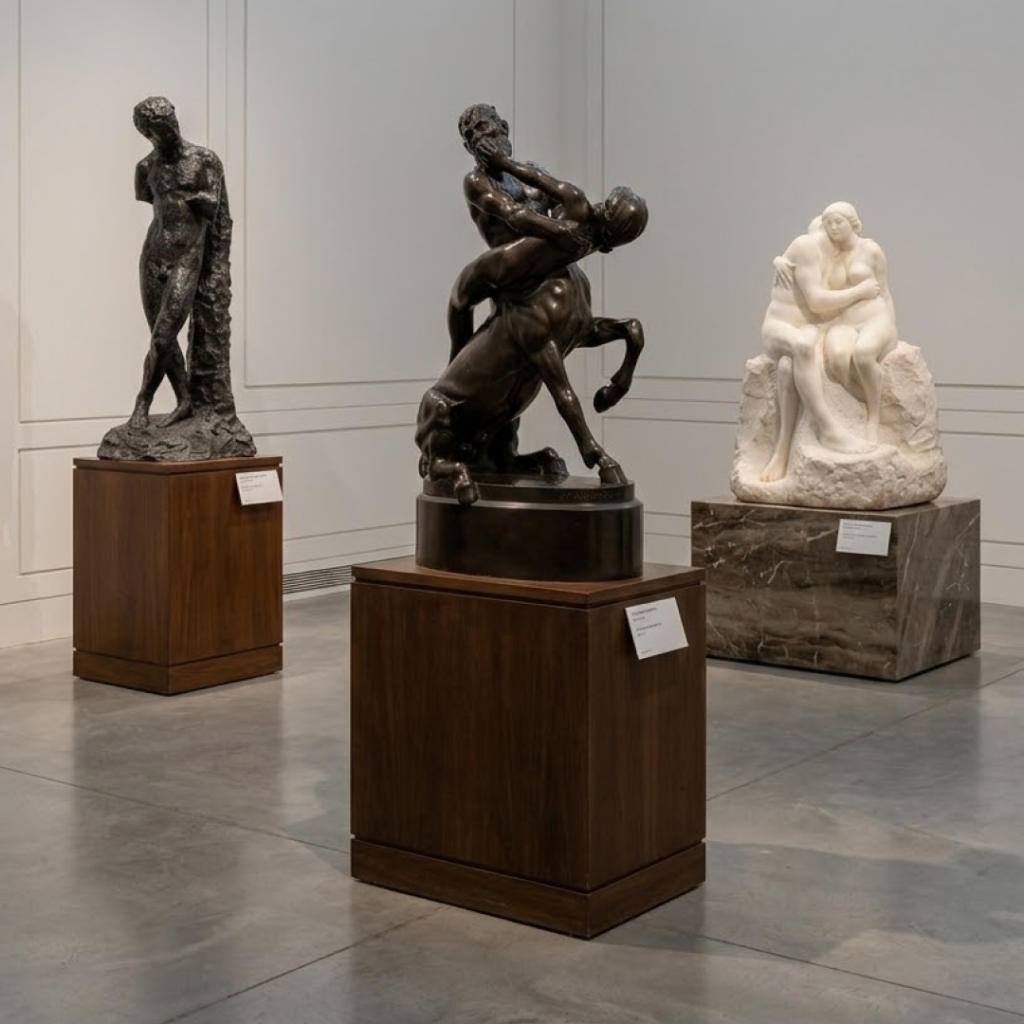
Despite their formal and conceptual differences, all these artists share a common core: the human figure as a privileged space for aesthetic and historical reflection. From the structural tension of Bourdelle to the serenity of Despiau, from the idealization of Klimsch to the monumentality of other authors of the time, the body is configured as a universal language capable of condensing the contradictions of modernity.
Even in the transition opened by Barye towards the dynamic observation of nature, and in the contributions of De Coen, Tournier, Dubois and Tomassi within the panorama of European sculpture, a profound continuity is maintained: the body understood as a living organism, as a structure in permanent formal and symbolic evolution. This vision is what gives transcendence to 20th century European sculpture.
Thus, the auction is not only conceived as a selection of works of high artistic value, but as a coherent journey through different ways of thinking about the human figure. Each piece of 20th century European sculpture is integrated into a larger story where form becomes thought and matter becomes a historical document.
Ultimately, the human figure is not a motif here, but a persistent questioning of what it means to represent the human being in its time and how this representation of 20th century European sculpture continues to challenge our contemporary gaze. The collector who approaches these pieces not only acquires an object, but also a testimony of the evolution of Western thought.
If you have sculptures in your collection and are thinking about selling them, request a free and confidential appraisal, and our experts will advise you on how to get the best result.
If you liked this article you may also be interested in: