When we look at a landscape, we recognize a horizon. When we look at a portrait, we look for a face. Even in a still life, we identify the objects depicted almost instinctively. However, when we stand before an abstract work of art, that need to recognize something familiar disappears. And with it comes one of the most common questions among museum visitors and collectors: What am I looking at?
The good news is that this is probably not the right question. Abstract art is structured around its own internal values, independent of the representation of visible reality. Its language ventures into other realms, where emotion, chromatic composition, material, gesture, space, and rhythm take center stage. Rather than describing the world, it proposes a different way of perceiving it and relating to it.
Don’t look for an immediate answer
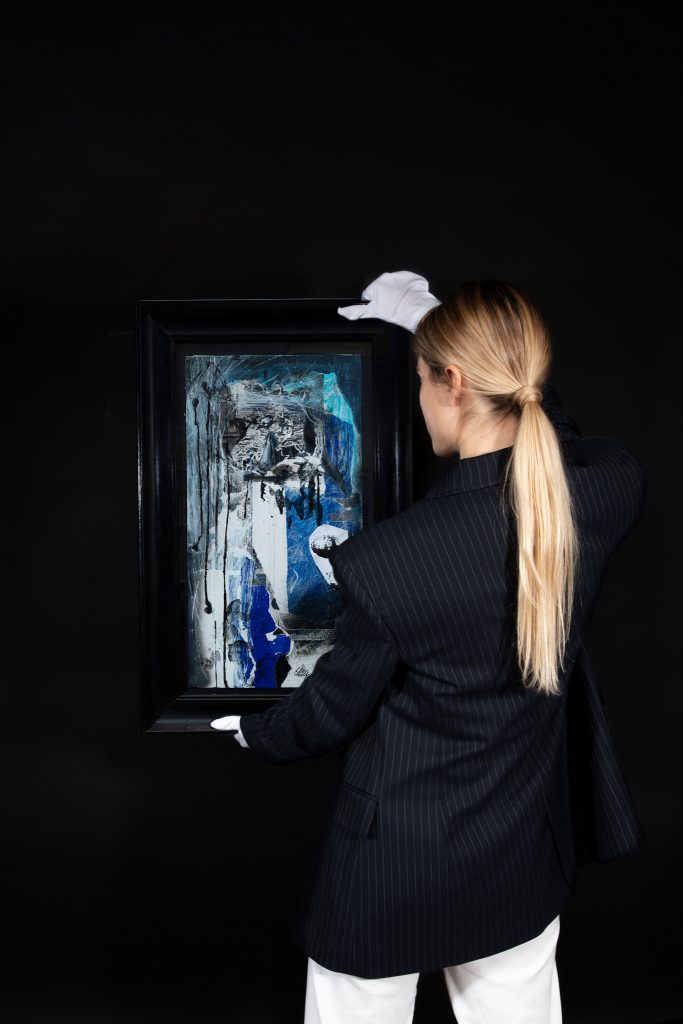
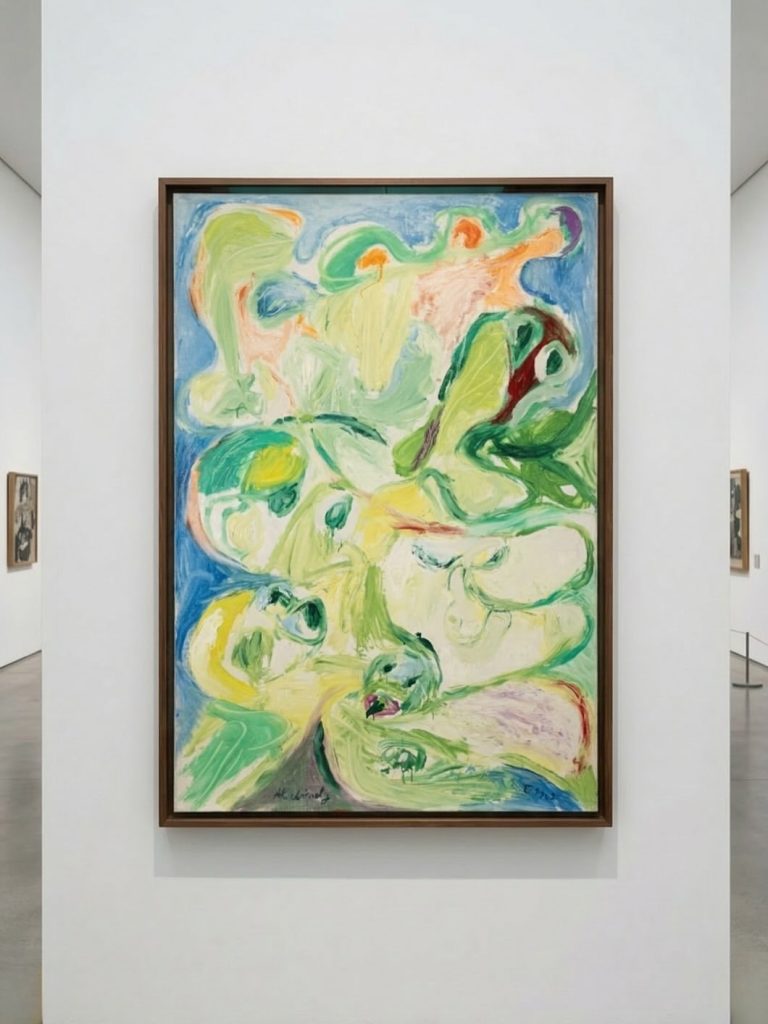
We’re used to interpreting images almost automatically. Abstract art invites us to do just the opposite: to pause. It’s not necessary to understand a work within the first few seconds. In fact, many of the great abstract paintings reveal new nuances the longer we spend looking at them.
Sometimes, it’s enough simply to observe how the colors interact; other times, it’s the texture, the composition, or the energy of the brushstrokes that captures our attention. Learning how to look at a work of abstract art involves, above all, giving yourself time to observe.
Observe the material
In abstract art, the surface takes on extraordinary importance. A photograph can hardly convey the thickness of a brushstroke, the transparency of a glaze, the layers of paint, or the roughness of certain materials. Seeing the work in person allows one to appreciate essential aspects that are part of its language.
Many artists make the medium itself the focal point of the work. Observing these details allows us to approach the painting from a perspective other than that of representation.
Come closer… and then step away
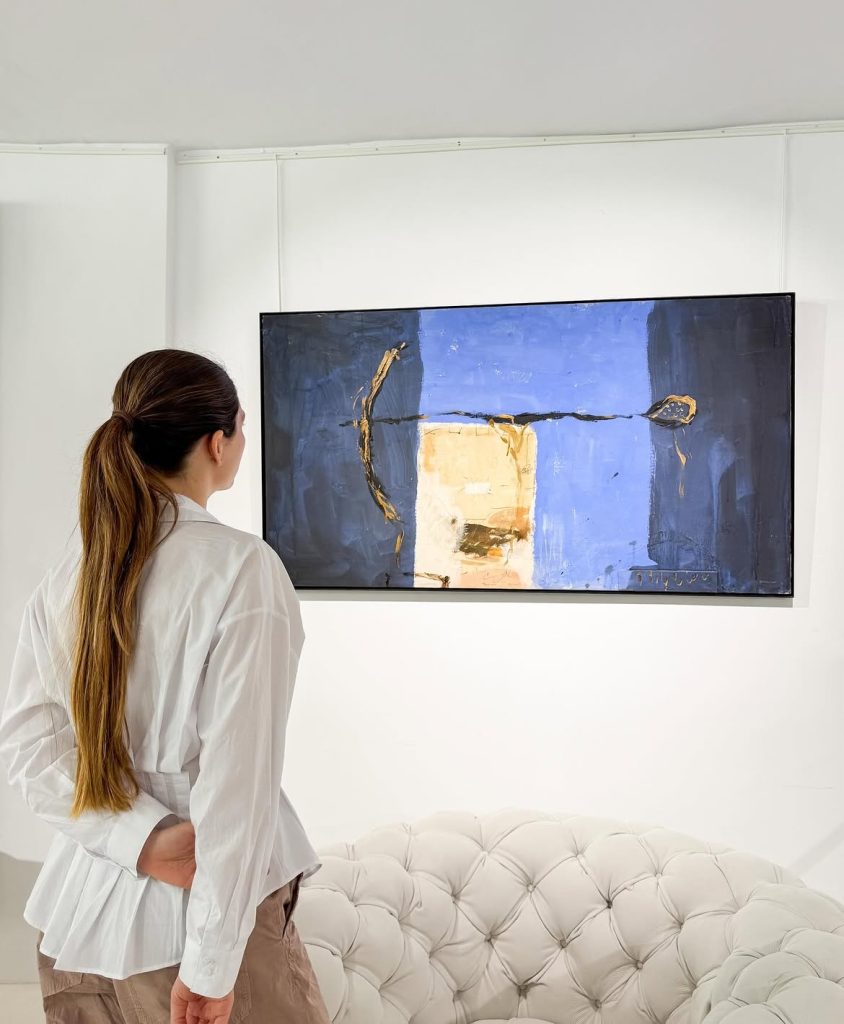
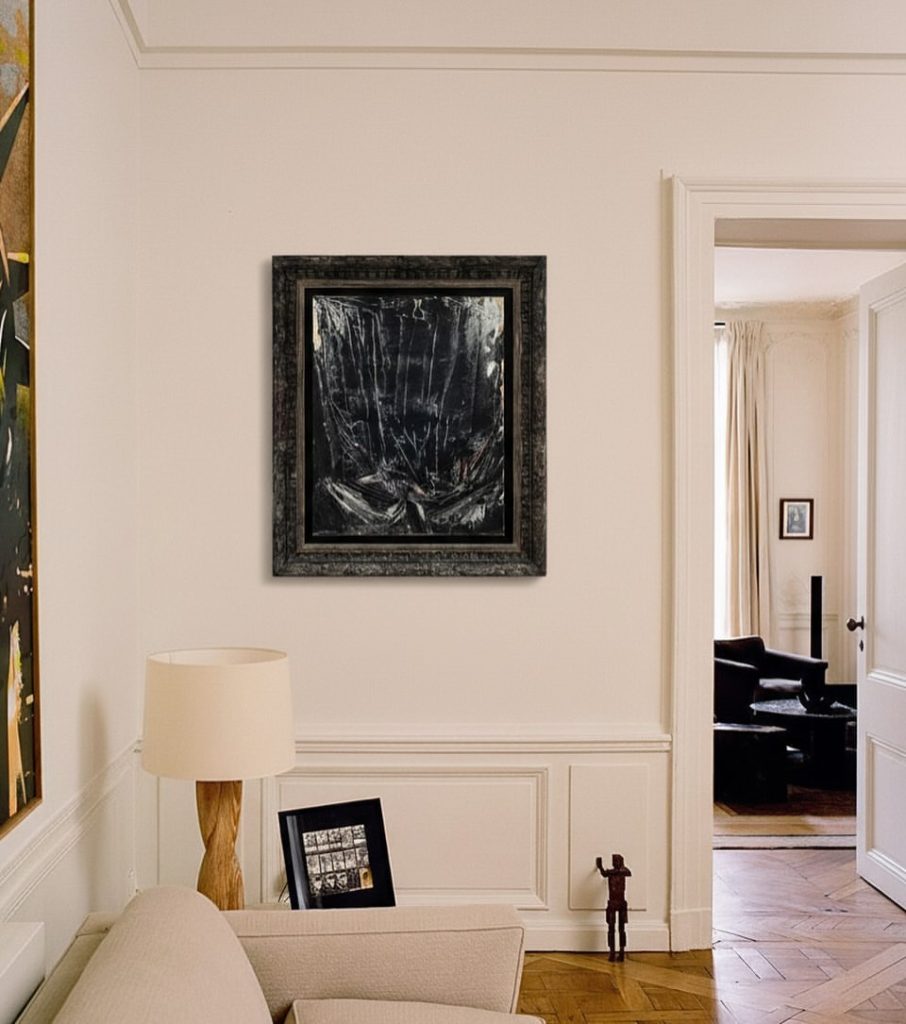
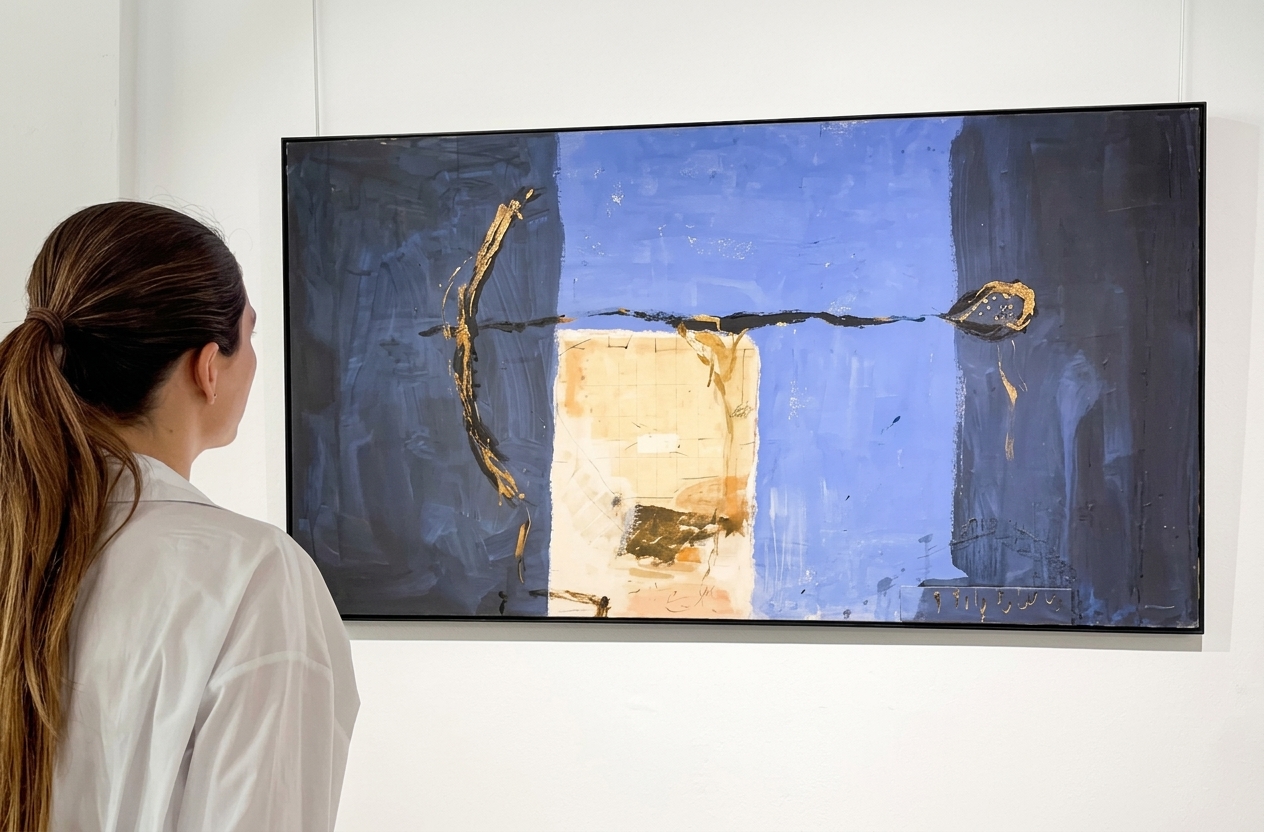
A particularly effective way to approach abstract painting is to vary the viewing distance, attuning oneself to the internal rhythm that structures each work. Up close, the texture, the brushstrokes, and the traces of the creative process are revealed, and the material takes on an almost tactile quality. From a greater distance, however, the work reorganizes itself visually: the composition as a whole emerges, along with the balance between chromatic and formal forces and the articulation of its internal relationships. This shift in perspective allows one to perceive how the work is constructed through different levels of intensity and visual cadence.
Forget about the question, “What does it represent?”
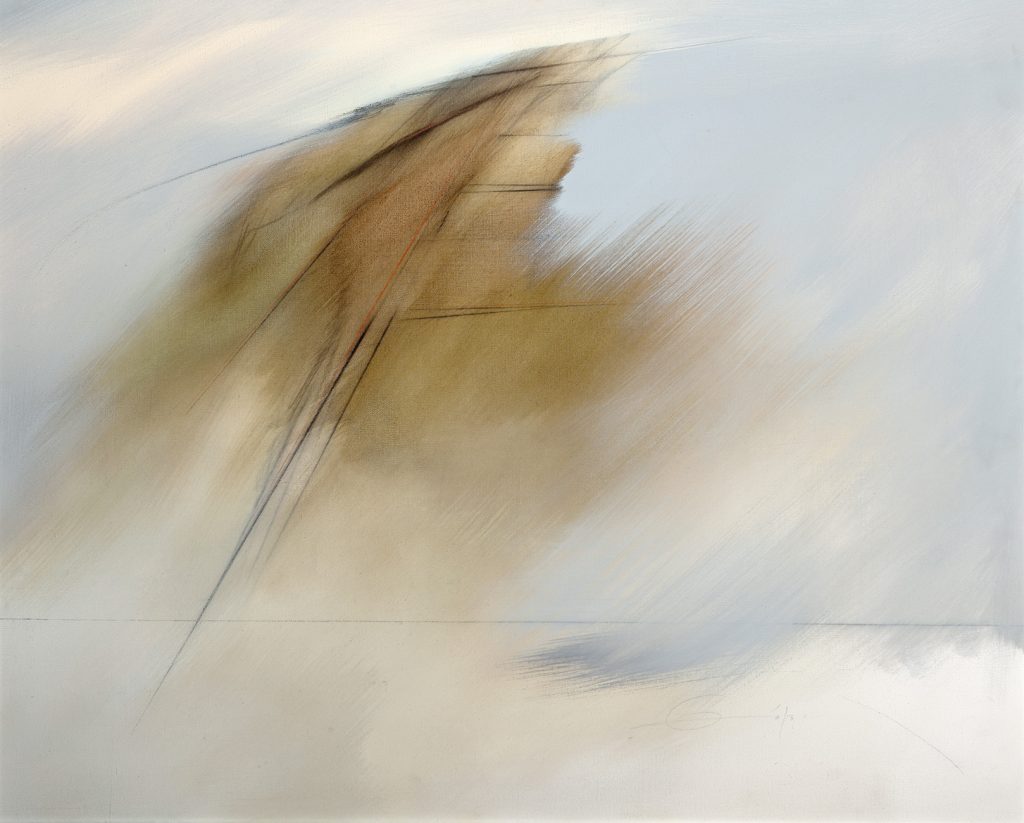
In many cases, the question isn’t what a work represents, but what it evokes.
It can convey serenity, tension, silence, movement, energy, or even discomfort. None of these responses is incorrect if it stems from sincere observation. Abstraction opens up a space for personal experience. Two people can look at the same work and form completely different connections with it.
When it comes to abstract art, looking does not necessarily mean finding an answer, but rather discovering what happens during the very act of observation.
Getting to know the artist and his or her context helps
Understanding the context in which a work was created always enriches the experience.
Knowing that an artist was obsessed with light, music, spirituality, or nature allows us to discover new ways of interpreting a work. However, that knowledge should not become a prerequisite for enjoying the work. As with instrumental music, it’s possible to be moved even before knowing the story behind the composition.
In abstract art, every artist has their own language
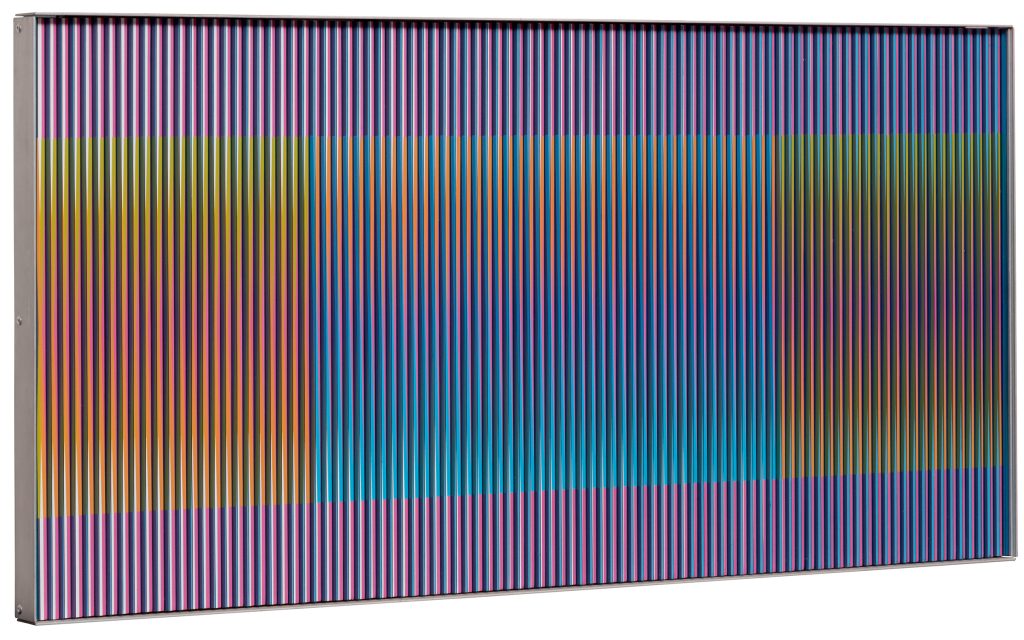
To speak of abstract art is to speak of an extraordinarily vast universe. Some artists work from spontaneous gestures; others construct compositions with almost mathematical precision. Some explore the possibilities of color; others find the true focus of their work in repetition, emptiness, or matter.
Understanding these differences allows us to appreciate the immense richness of abstraction and to realize that there is no single way to view abstract art.
Learning to View Abstract Art
The history of 20th-century art is full of artists who transformed our understanding of painting.
Jean Fautrier’s textured surfaces invite us to contemplate painting as an object imbued with memory and physical density. Mark Rothko’s chromatic atmospheres offer an almost meditative experience. Joan Miró’s compositions transform abstract language into a poetic universe of signs and symbols. Cy Twombly’s gestural style brings painting closer to writing and memory, while Gerhard Richter’s structures demonstrate that abstraction remains a realm of constant experimentation. Each artist speaks a different language, but all share the same intention: to broaden our way of seeing.
Look Without Fear
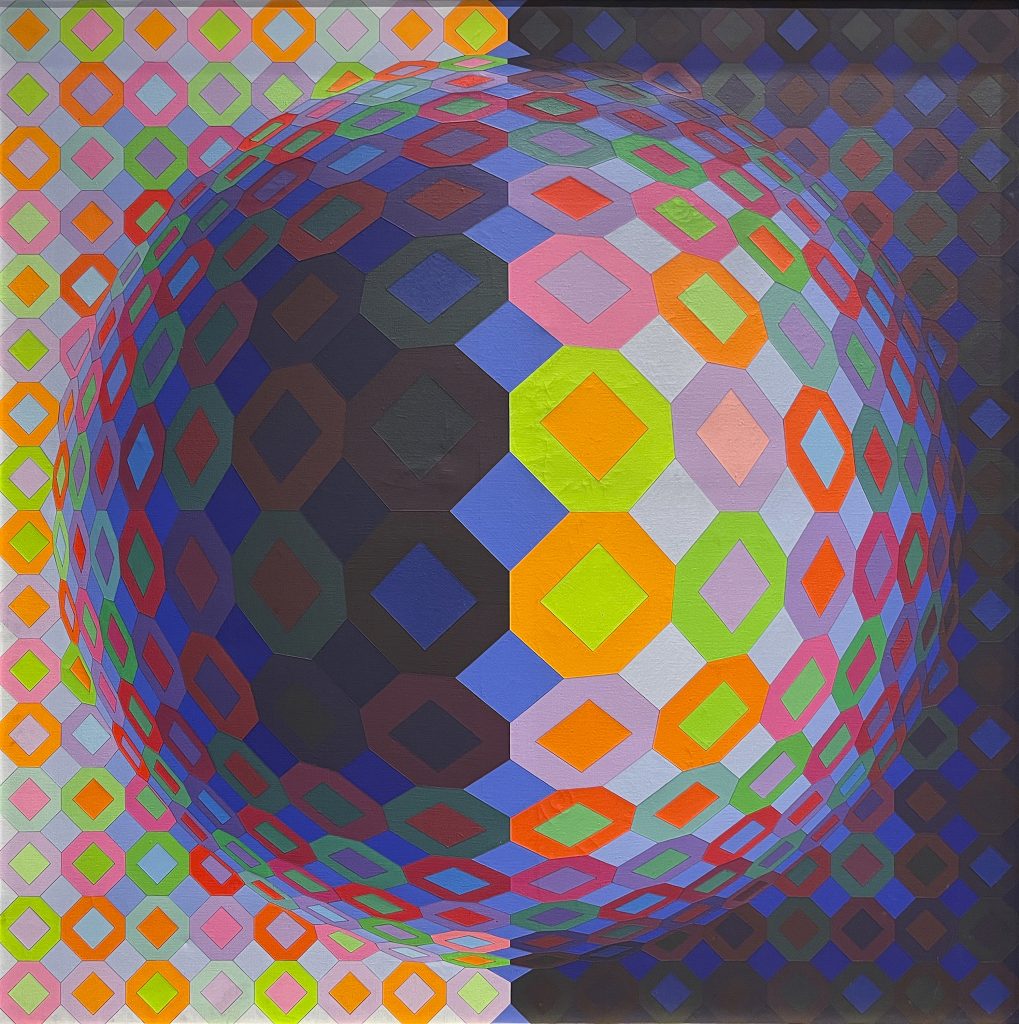
Perhaps the greatest virtue of abstract art is precisely that it does not demand a single interpretation. There is no “correct” answer to be discovered, nor any hidden meaning reserved for specialists. What it offers is something far more valuable: to observe carefully, to allow oneself to be surprised, and to accept that a work of art can speak to us in different ways each time we return to it.
In a world that pushes us to interpret images quickly, abstract art reminds us of the value of looking slowly. And often, that is precisely where the true aesthetic experience begins.
If you’re thinking about starting or expanding a collection of abstract art, we invite you to explore Setdart’s monthly Contemporary Art auctions, where you’ll find a carefully curated selection of artists from today’s international art scene.