Art Deco was born in the heart of the glamour of the 1920s and 1930s, a movement that forever transformed the aesthetics of luxury. More than just a decorative style, Art Deco was a reflection of a society moving at breakneck speed, fascinated by modernity, technology, and cultural changes. Its influence extended to architecture, design, fashion, and, most notably, jewelry, where it found one of its most refined forms of expression.
Although it is often associated with the International Exhibition of Decorative Arts held in Paris in 1925, Art Deco began to take shape as early as the first decade of the 20th century, during the final years of the Belle Époque. Its development coincided with one of the most turbulent periods in European history: the rise of nationalism, industrialization, the two world wars, the stock market crash of 1929, and the emergence of new political and social movements. In a context where everything seemed to be changing rapidly, Art Deco was not a single style, but rather a set of trends that evolved over several decades.
The Origins and Emergence of Art Deco
The Influence of Architecture, Painting, and Sculpture
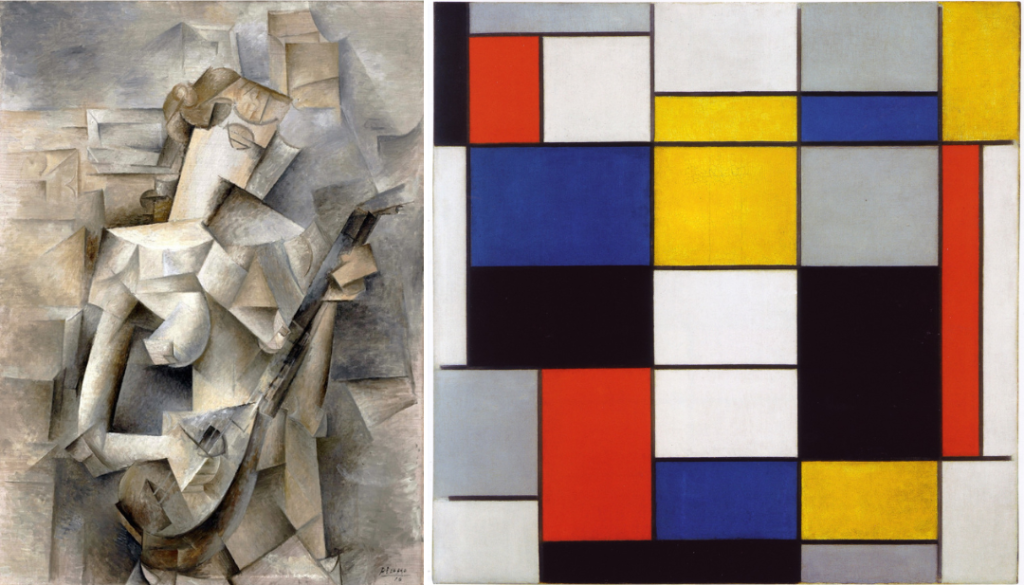
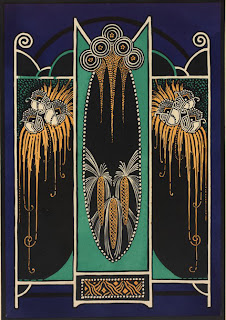
Art Deco’s main influences came from architecture, painting, and sculpture. Added to these was the impact of the avant-garde art movements, which radically transformed the way creativity was understood. The Cubism of Picasso and Braque, the Neoplasticism of Piet Mondrian, the Futurism championed by Filippo Tommaso Marinetti, along with Surrealism, Symbolism, Purism, and Post-Impressionism, all contributed to the development of a new visual language based on geometry, synthesis, and dynamism.
References to Egyptian art
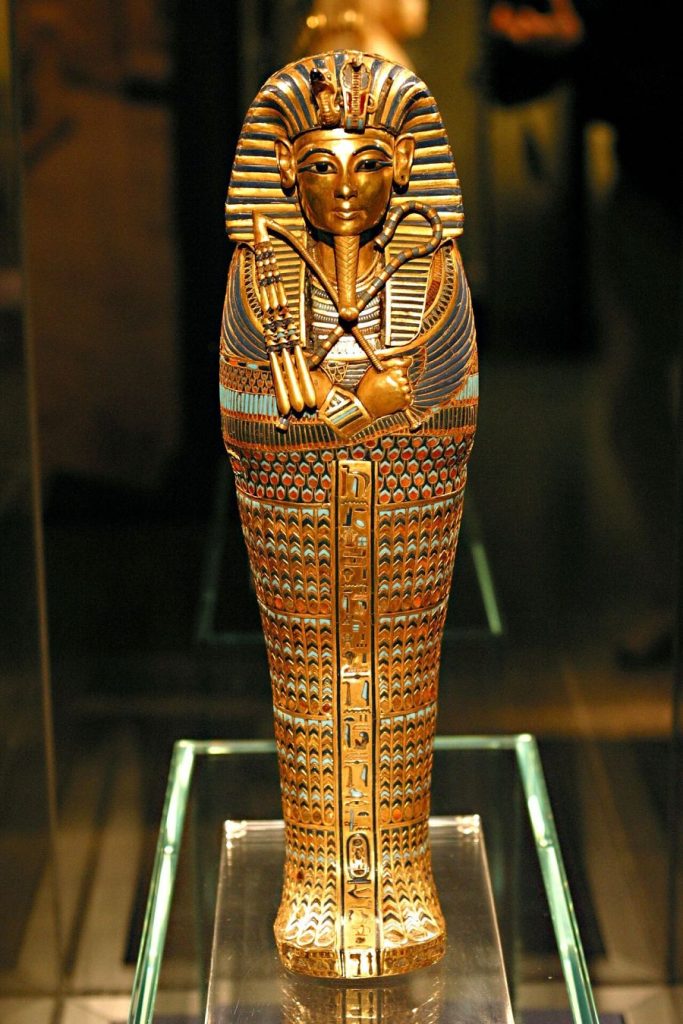
The movement also incorporated references from Egyptian art—especially following the discovery of Tutankhamun’s tomb in 1922—as well as influences from African, Eastern, Persian, Aztec, and Native American art. At the same time, technological advances inspired an aesthetic characterized by the streamlined lines of skyscrapers, ocean liners, automobiles, engines, and aircraft.
The cultural vibrancy of the era
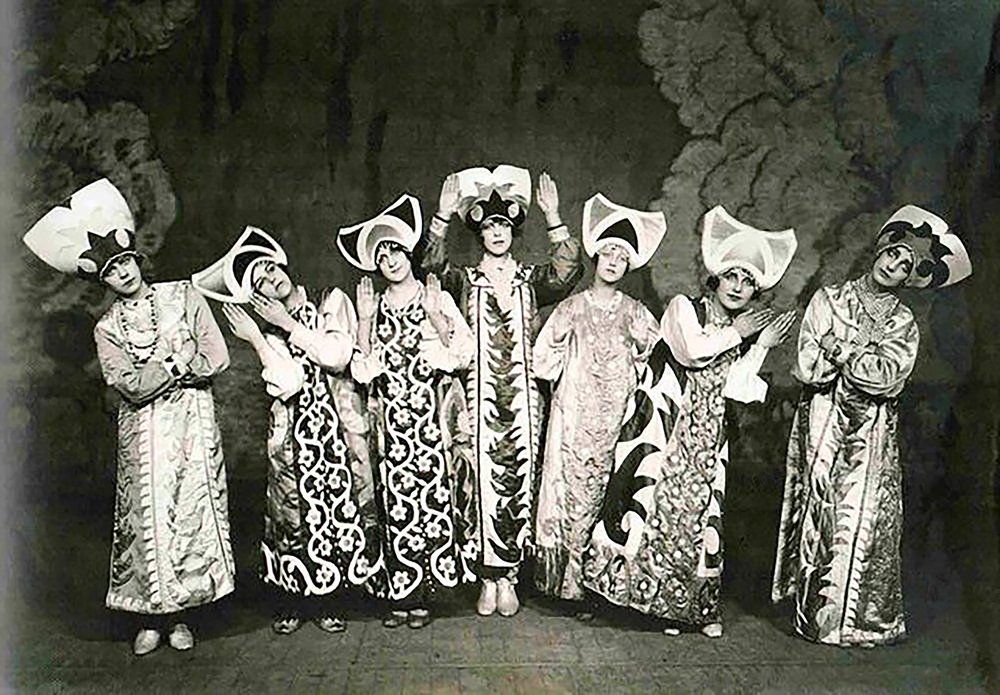
Culture also played a decisive role. Serge Diaghilev’s Ballets Russes revolutionized European taste from Paris, while designers such as Paul Poiret, Coco Chanel, Elsa Schiaparelli, Nina Ricci, and Cristóbal Balenciaga transformed women’s fashion with a freer, more modern silhouette. Jazz and dances like the Charleston accompanied this shift in mindset, fostering a new way of dressing and, with it, a new way of wearing jewelry.
The Influence of Art Deco on Jewelry
The First Art Deco Jewelry Pieces
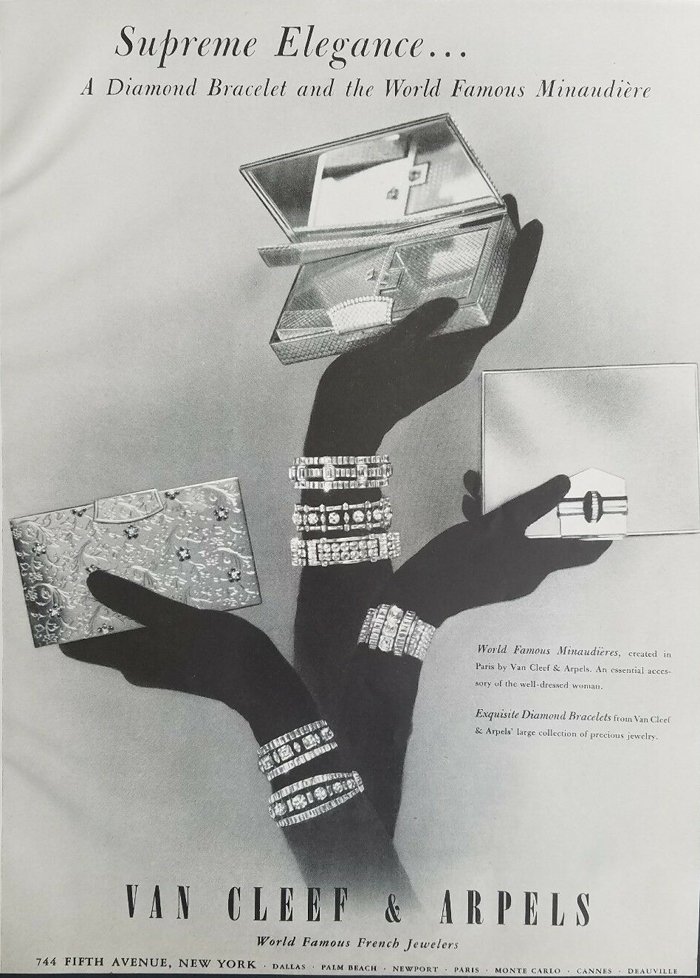
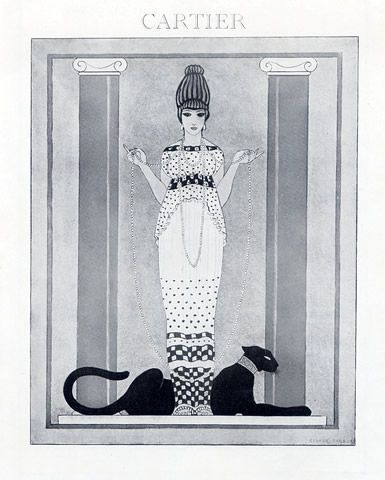
The first Art Deco jewelry pieces appeared even before 1925. As early as 1913, many of the forms that would define the movement were already present. Paris became the major creative hub thanks to the work of houses such as Cartier, Van Cleef & Arpels, Boucheron, Chaumet, Mellerio, Lacloche Frères, and Mauboussin. Figures such as Gérard Sandoz and Jean Després also played a key role in the renewal of jewelry and watchmaking.
The introduction of platinum coincided with the birth of Art Deco and made it possible to create structures that were much lighter and stronger than those made of traditional gold. Diamonds, emeralds, jade, onyx, aquamarines, lapis lazuli, turquoise, coral, quartz, and long cultured pearl necklaces—or sautoirs—were incorporated into this metal, creating a sophisticated and modern palette.
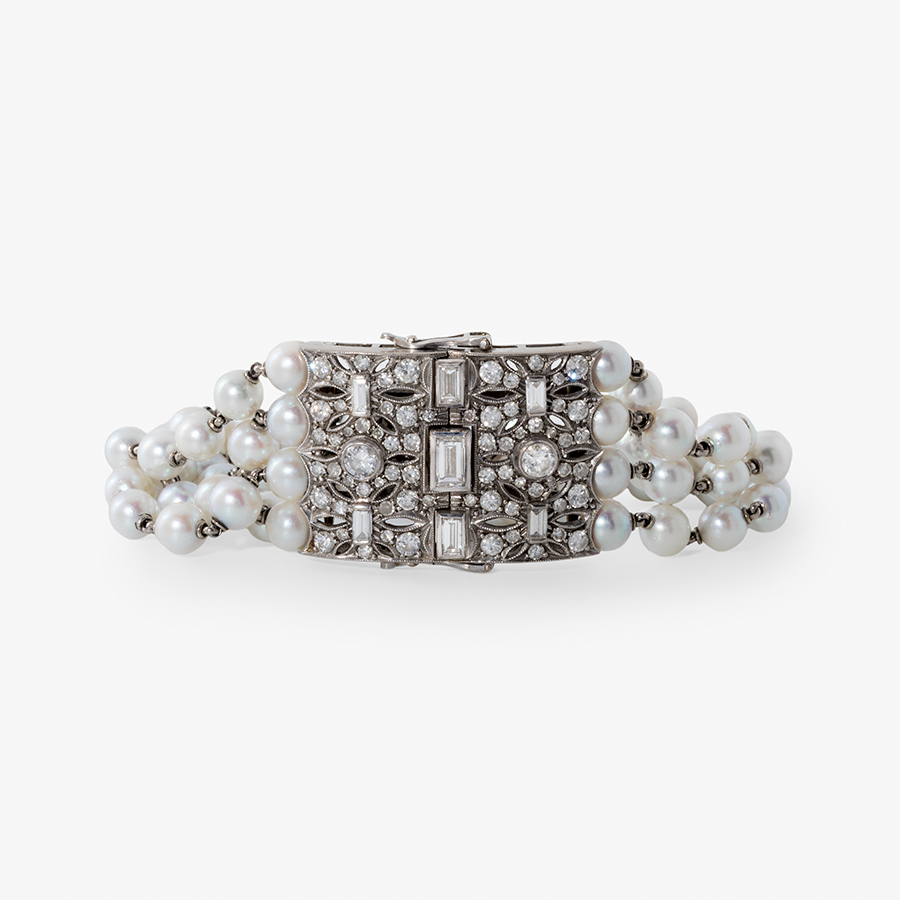
Art Deco Bracelet with Pearls and Diamonds
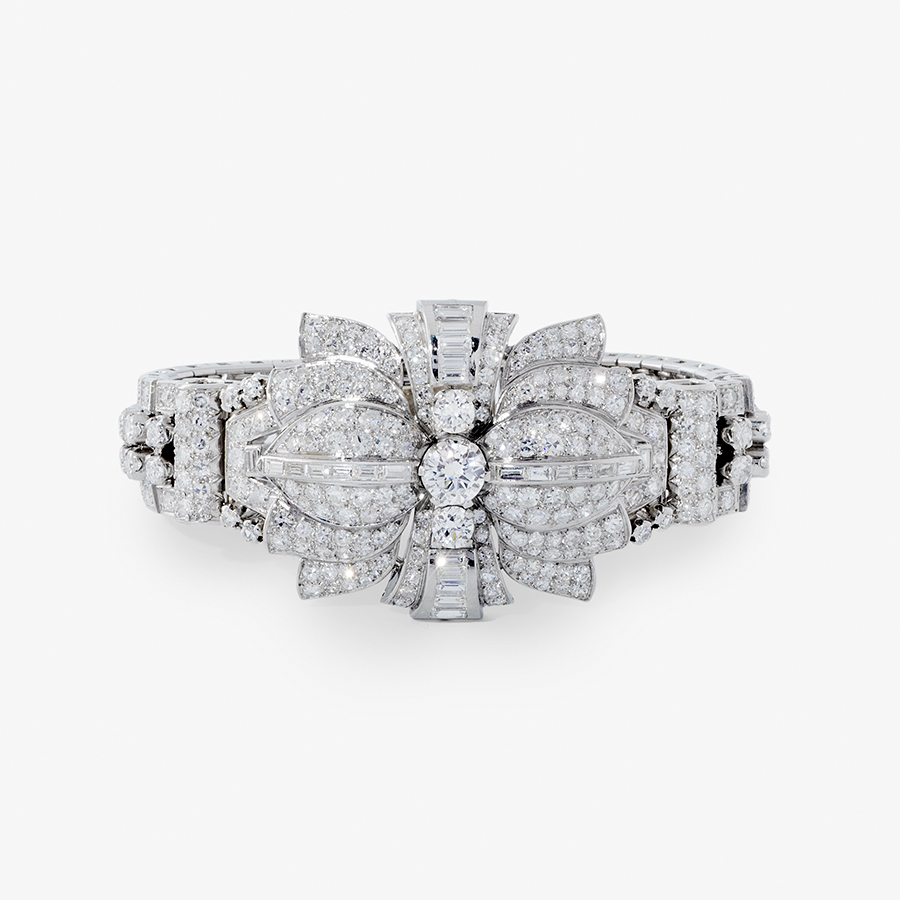
What was Art Deco jewelry like?
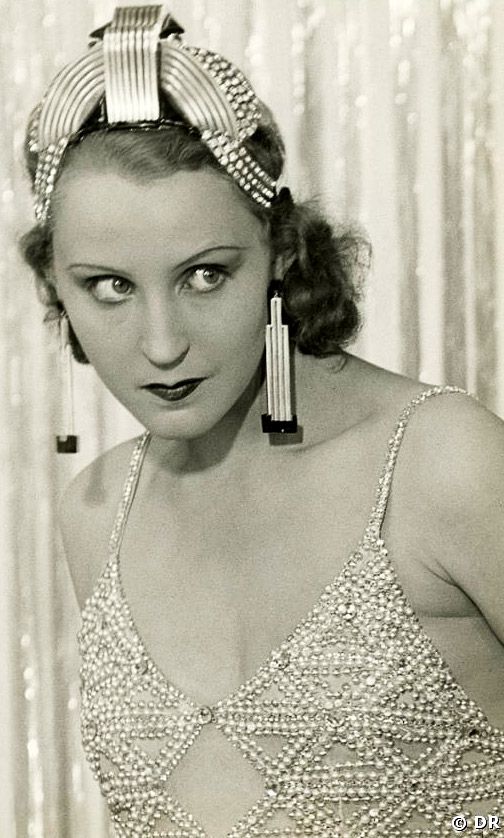
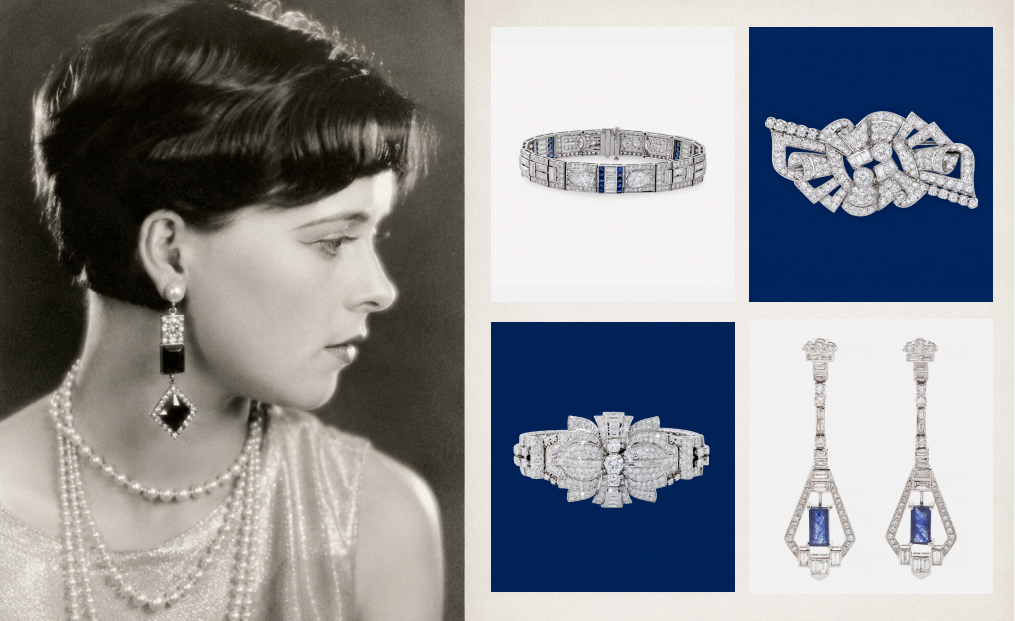
Art Deco jewelry is characterized by its geometric designs, symmetry, strong color contrasts, and innovative use of materials. Triangles, circles, rectangles, zigzags, and stepped patterns replaced the organic lines of Art Nouveau, creating an aesthetic of great architectural precision.
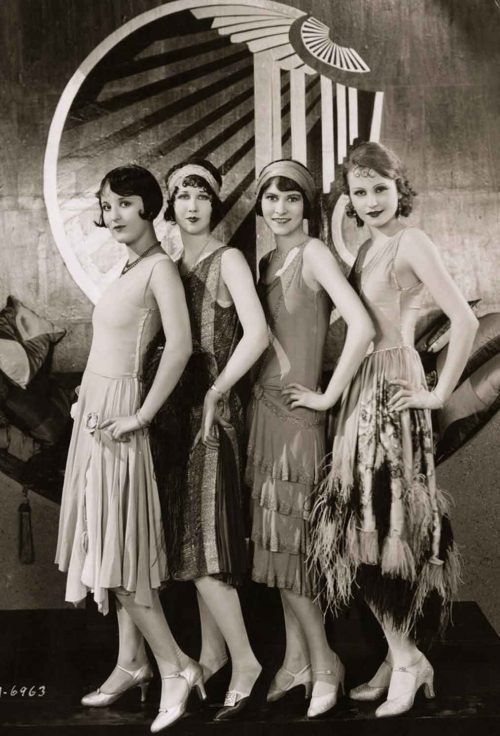
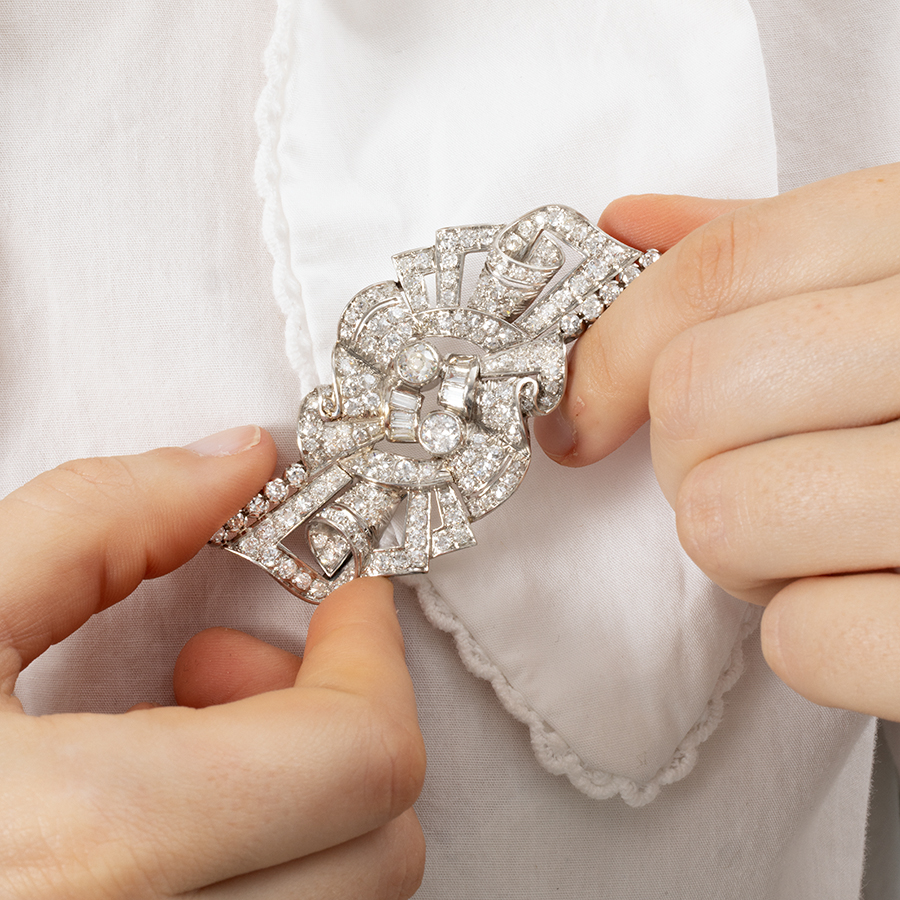
The transformation of fashion gave rise to new types of jewelry. Dresses with low necklines, short sleeves, and à la garçonne hairstyles made bracelets, sports bracelets, long earrings, and double-wrap necklaces—inspired by the aesthetic of the maharajas—popular. The brooch gained immense popularity, especially after the introduction of Louis Cartier’s famous double clip, while headbands replaced the old nineteenth-century tiaras. At the same time, new luxury items emerged, such as vanity cases, powder compacts, cigarette cases, lacquered lighters, combs, and cigar mouthpieces, all of which reflected the new cosmopolitan lifestyle.
The Current Value of Art Deco Jewelry
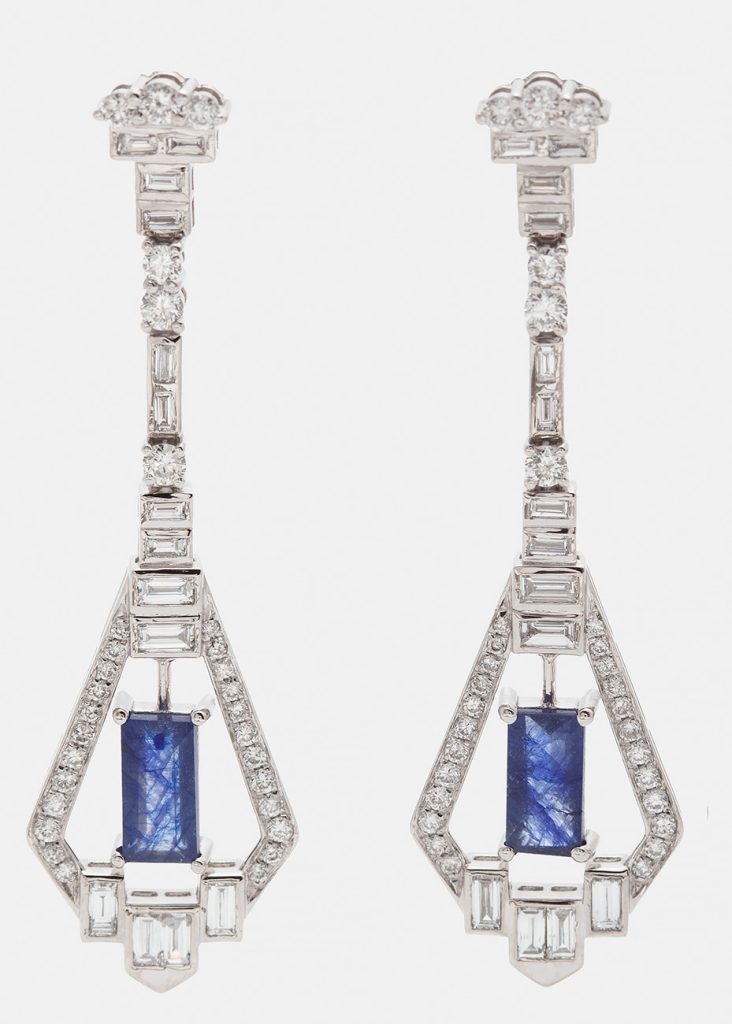
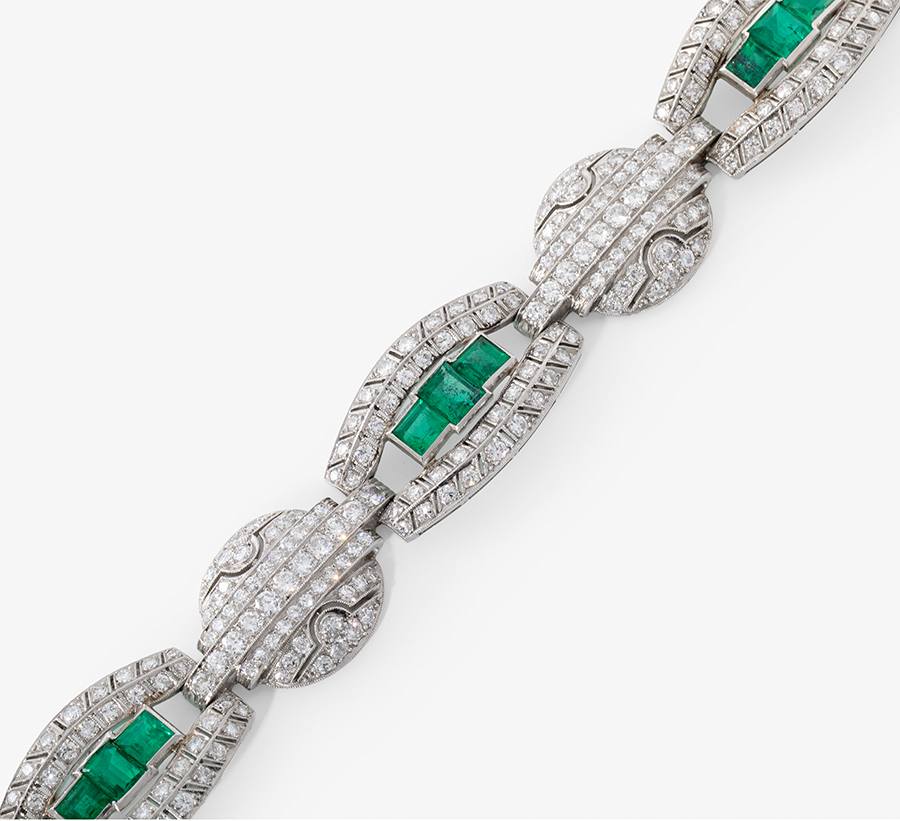
More than a century later, Art Deco continues to hold a prominent position in the international market. The quality of the craftsmanship, technical innovation, and aesthetic balance make these pieces some of the most sought-after by collectors and institutions.
The most highly valued Art Deco jewelry typically combines several factors: documented provenance, excellent condition, fine materials, and, especially, the signature of leading houses such as Cartier, Van Cleef & Arpels, Boucheron, or Chaumet. Its ability to maintain a thoroughly contemporary appeal explains why it continues to achieve outstanding results at major international auctions.
Art Deco Jewelry at Setdart’s Upcoming Auction
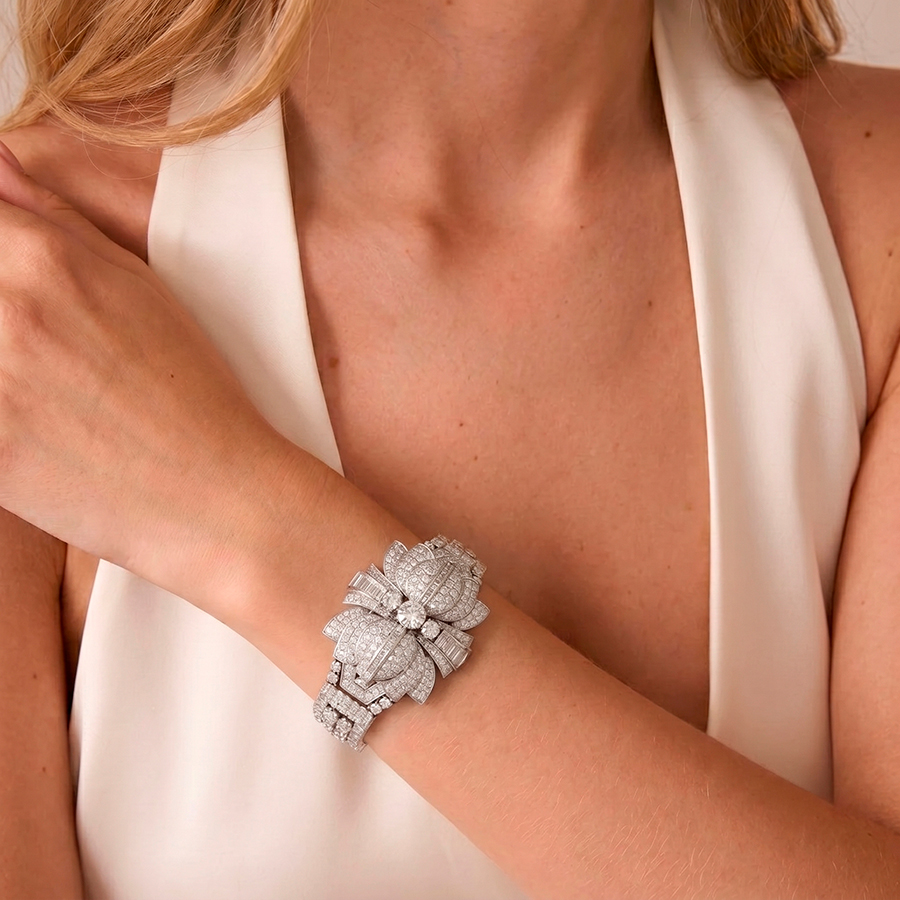
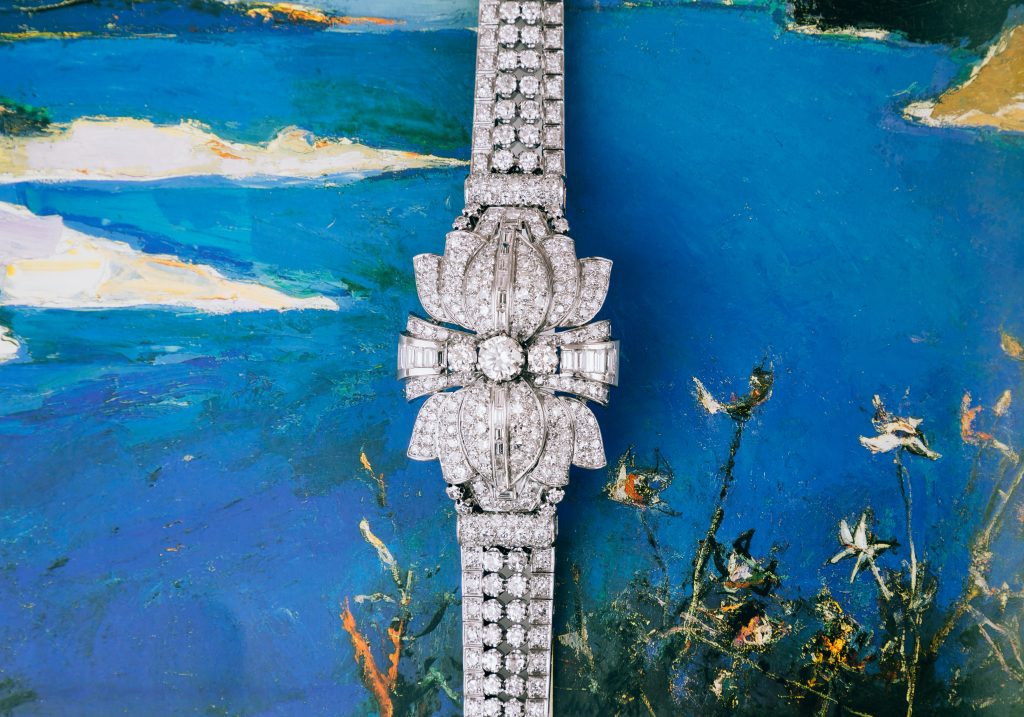
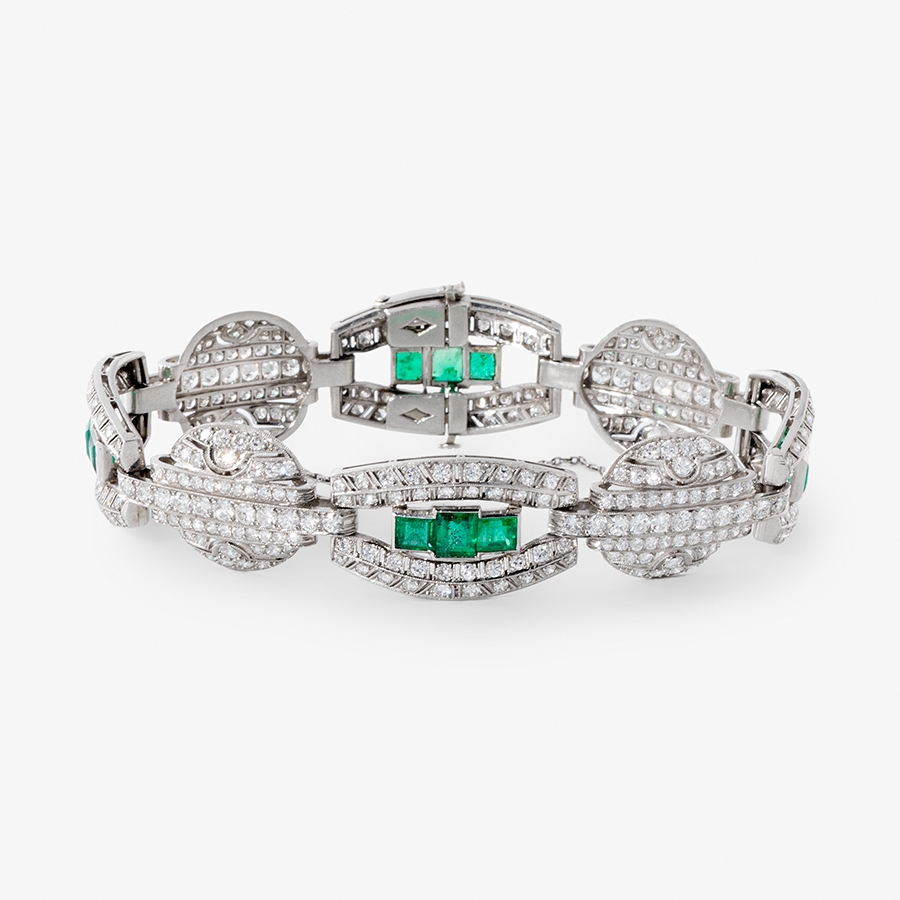
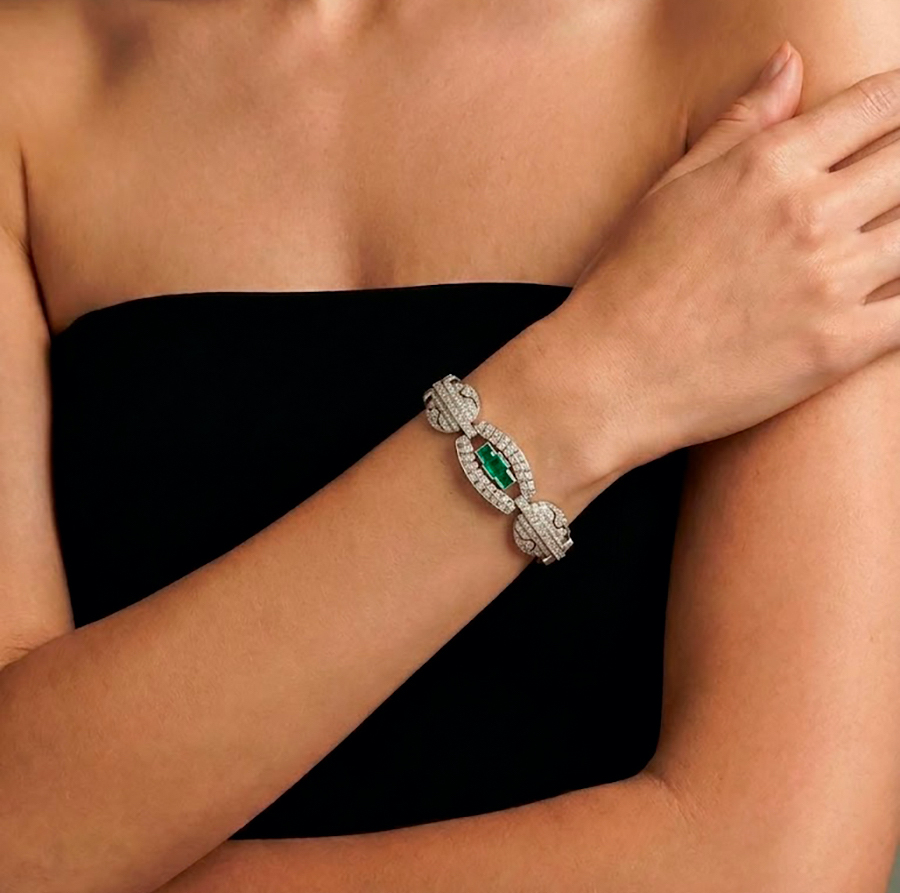
Setdart’s upcoming auction features a carefully curated selection of Art Deco jewelry that reflects the aesthetic richness of this movement and the extraordinary quality of its design. Bracelets, brooches, earrings, and pieces inspired by the elegance of the 1920s and 1930s reveal why Art Deco remains one of the most admired periods in the history of fine jewelry.
The exhibition we’re presenting next Monday, July 20, is an excellent opportunity to explore one of the most influential periods in 20th-century design.
If you liked this article, you may also be interested in: