In the current context of the art market – increasingly oriented to traceability, historical contextualization and narrative construction – the precise identification of the place represented in a work has become a differential factor of high economic and patrimonial impact. Within this framework, the axis of art and geography acquires a remarkable relevance.
It is not only a matter of determining whether a landscape corresponds to a specific mountain or an identifiable aqueduct; it is a matter of transforming an aesthetic image into a documented territorial asset. When a work can be linked to a verifiable geographical enclave, its value ceases to depend exclusively on formal or authorial parameters and becomes part of a network of legitimization composed of local history, cultural identity, institutional projection and tourist potential. This relationship between art and geography redefines the criteria of valuation.
Geography, in this sense, operates as a mechanism of validation, differentiation and positioning. In a globalized market where narrative is determinant, place ceases to be a simple pictorial background and becomes a vector of value. The art and territory binomial is thus consolidated as a strategic tool.
Landscape as a territorial asset: Darío de Regoyos
In Darío de Regoyos’s production, the ability to clearly identify a specific location – be it a northern estuary, a railway station or a recognizable urban enclave – gives the work a dimension that transcends the purely aesthetic. When the viewer recognizes the place, the painting ceases to be a generic representation and becomes a cultural and territorial document of the first order. Here, art and geography function as a system of mutual legitimization.
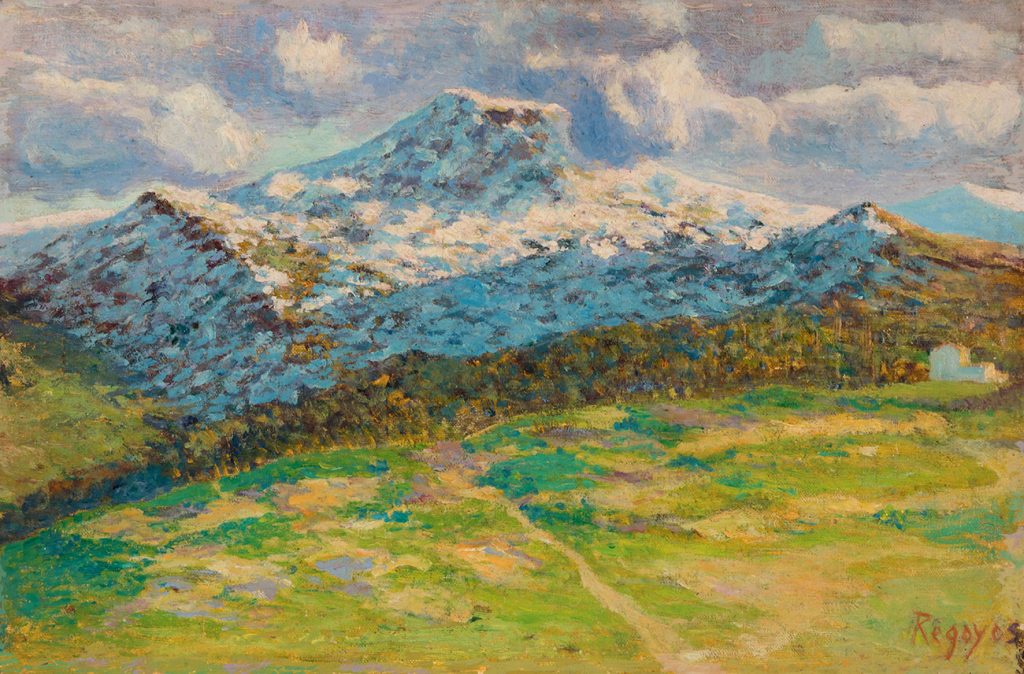
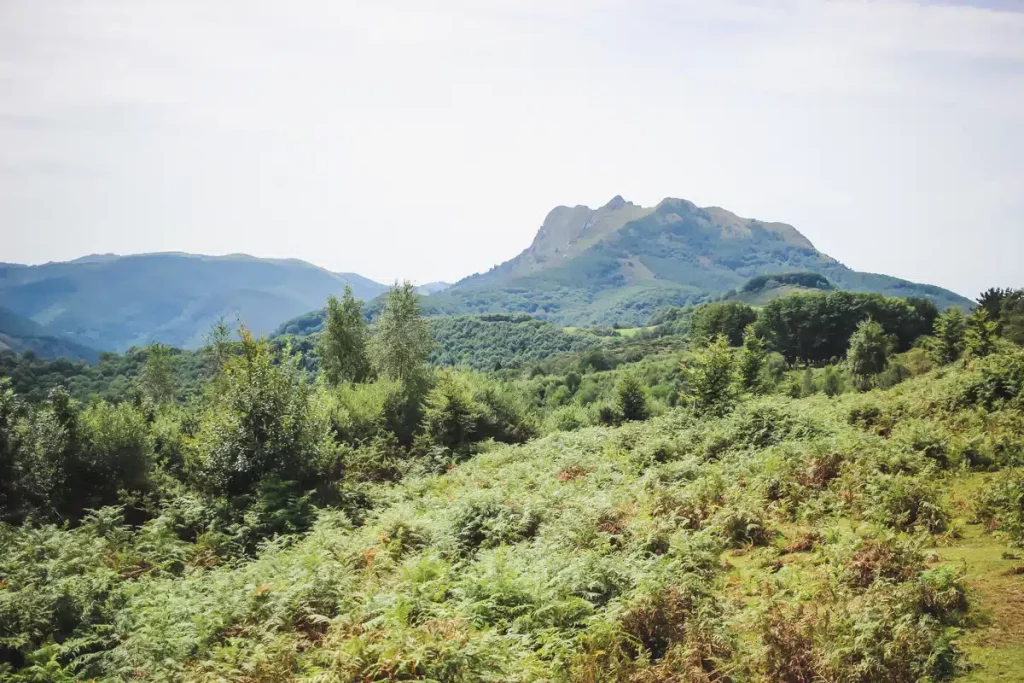
From this perspective, geography makes it possible to generate narratives that go beyond the frame, facilitating the creation of thematic exhibitions, cultural routes or tourist experiences that link the canvas with the living memory of the region. In market terms, this spatial anchoring is decisive: art makes a fundamental transition from being simply “a landscape” to being recognized as “the landscape”, a piece of tangible heritage.
By endowing the work with this specificity, Regoyos not only captures an impressionistic atmosphere, but also legitimizes the territory as a historical asset, consolidating the work as a strategic investment for both the private and institutional spheres. In this sense, art and territory are integrated in the same logic of value.
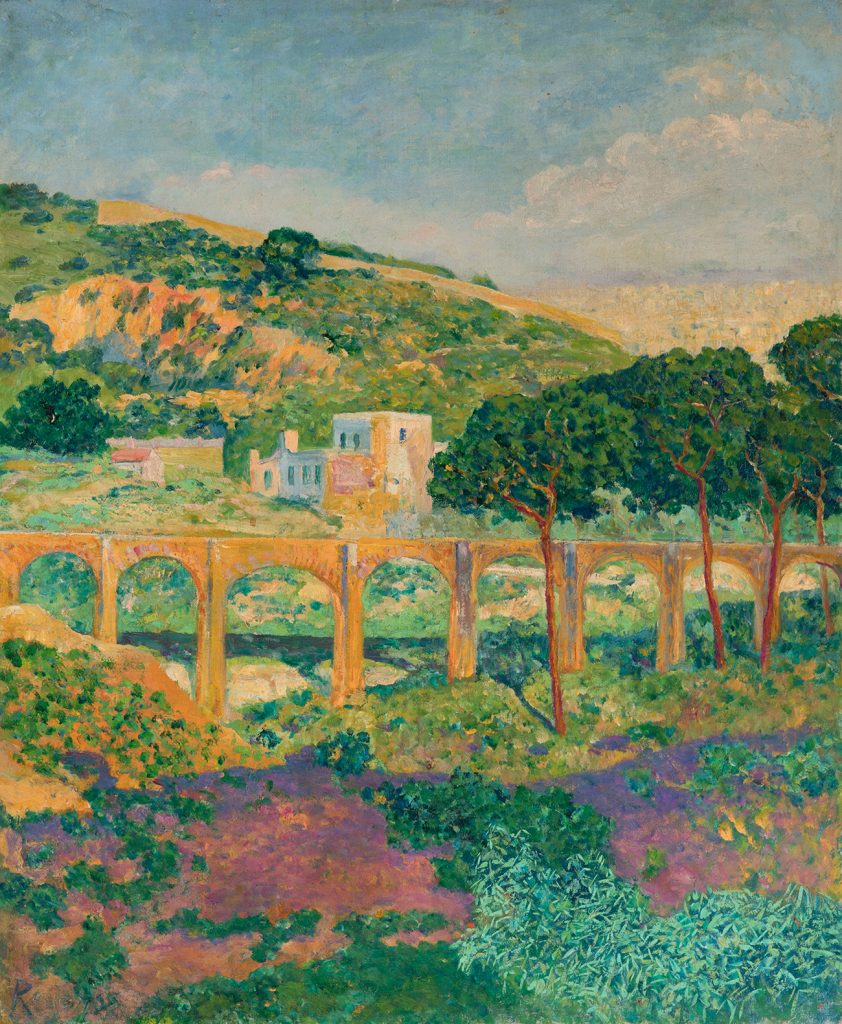
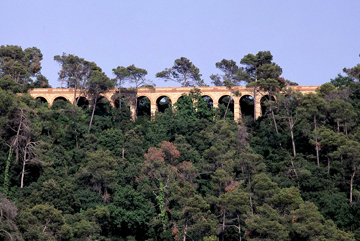
The case of Normandy and the French school
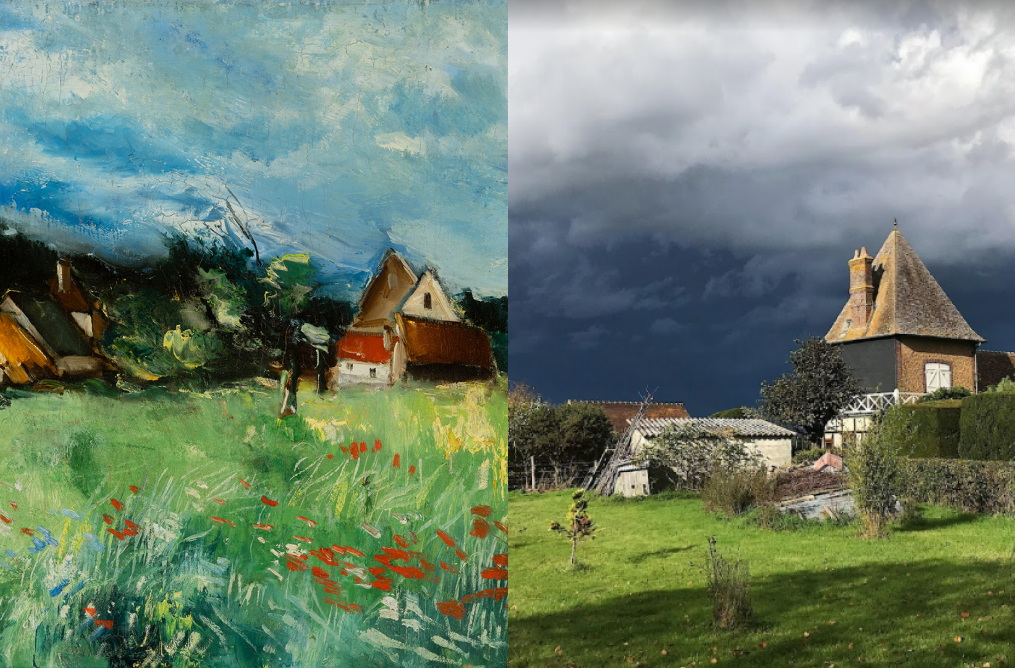
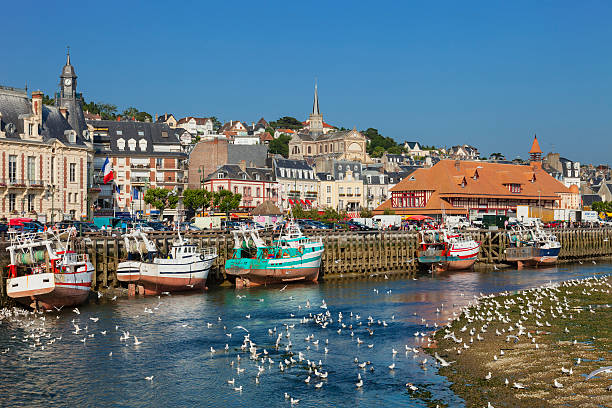
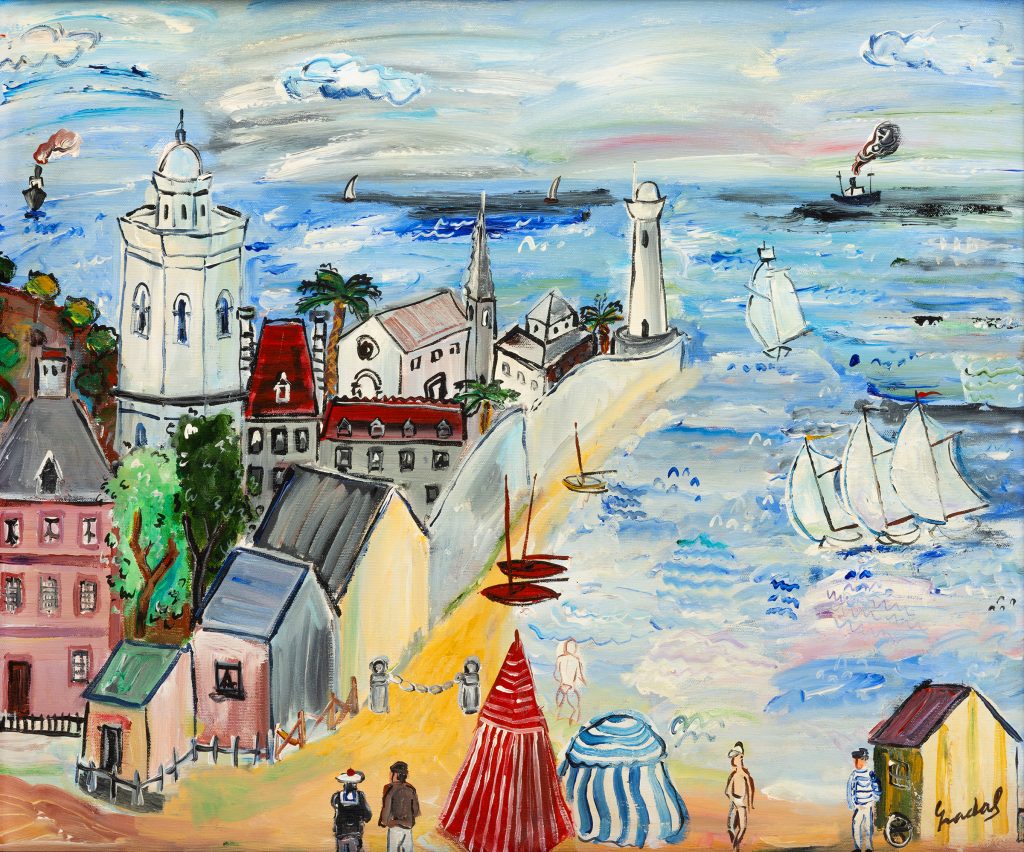
In the work of Carles Nadal, references to Normandy acquire a special weight when linked to the rich pictorial tradition of the region, an aesthetic harmony where the artist is inserted in a geography consecrated by French modernity. A key reference in this environment is Maurice de Vlaminck, who developed much of his artistic maturity in Rueil-la-Gadelière, an enclave where he settled in 1925. His property, known as “La Tourillière” -and today preserved as the Maison Vlaminck-, was his creative refuge until his death in 1958, consolidating from there a vision of the French landscape that today is a pillar of the international market.
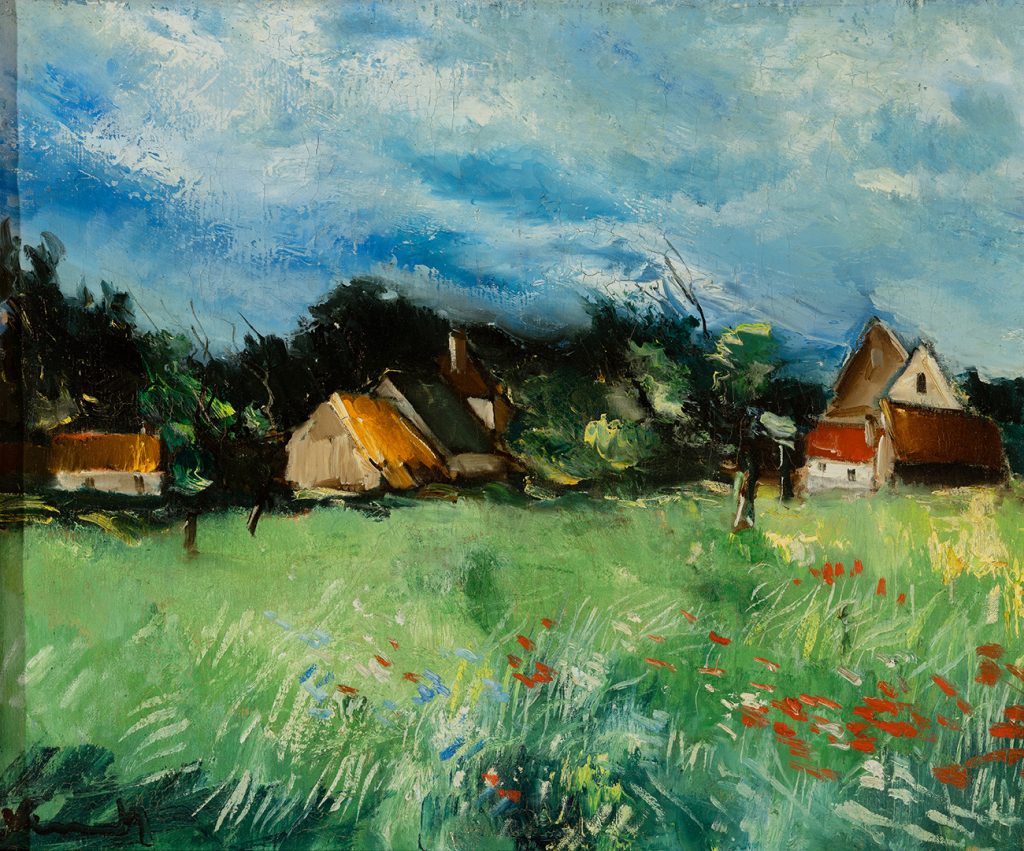
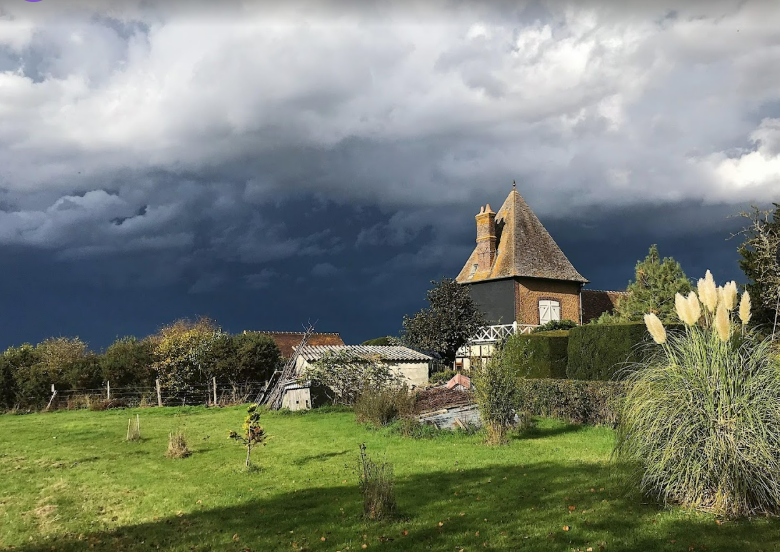
When a painting by Nadal is located in these specific places, it activates a historical and stylistic context that strengthens its global positioning, as geography ceases to be anecdotal and becomes a framework of artistic confluence. This example clearly illustrates how geography influences the value of a work in the international market.
By portraying the same ports and horizons as Vlaminck, Nadal’s work dialogues directly with the sensibility of northern France, achieving a unique synthesis between its vibrant Mediterranean colorism and Atlantic atmosphere. This linkage elevates the piece above the local landscape and places it in a transnational market that seeks the essence of the 20th century French school, demonstrating that the territory functions as a seal of authenticity and value for contemporary collecting.
Territory as a brand: The case of Joaquim Mir
This phenomenon of geographical rootedness reaches one of its most powerful expressions in the figure of Joaquim Mir and his close relationship with Vilanova i la Geltrú, especially through iconic enclaves such as the farmhouse where the artist himself settled. When a work by Mir can be unequivocally connected to a specific place, there is an immediate reinforcement of his biographical narrative, allowing the collector and historian to accurately trace the evolution of the artist in his most intimate environment.
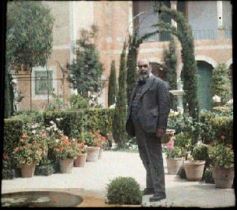
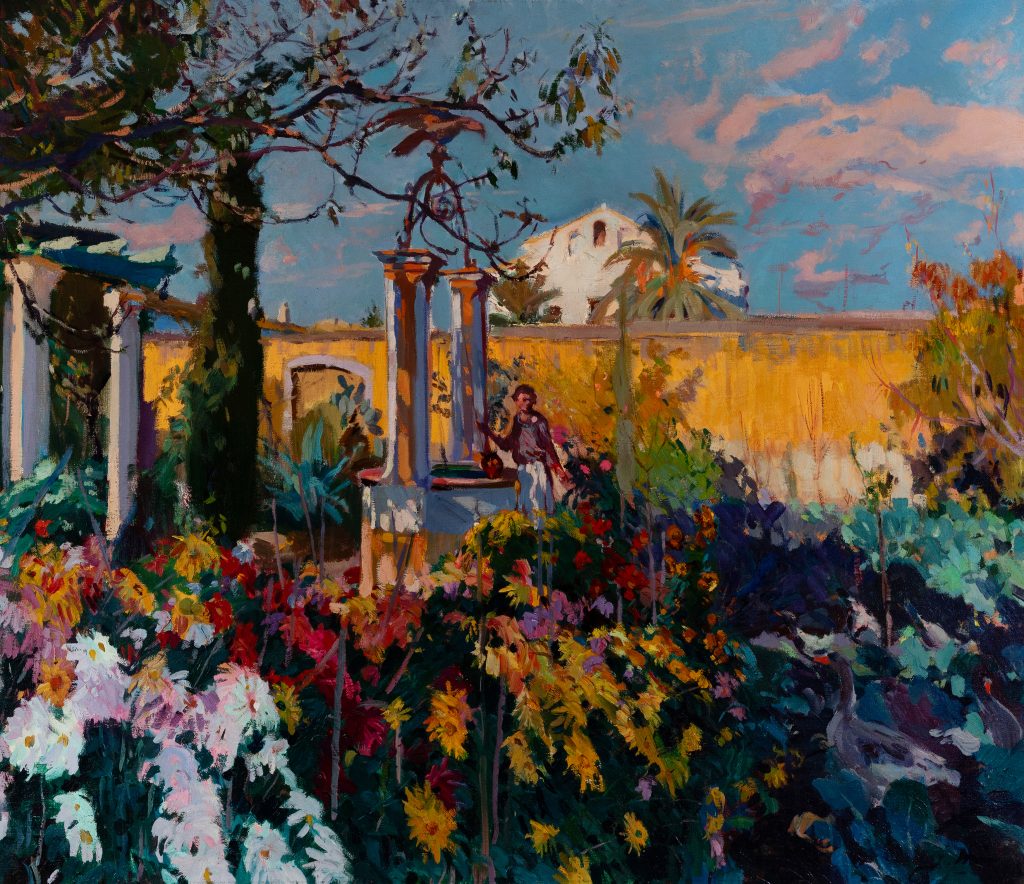
This connection not only consolidates strategic institutional links, but also acts as a catalyst for proximity collecting, that which seeks in art an extension of its own territorial identity.
Place as a value multiplier
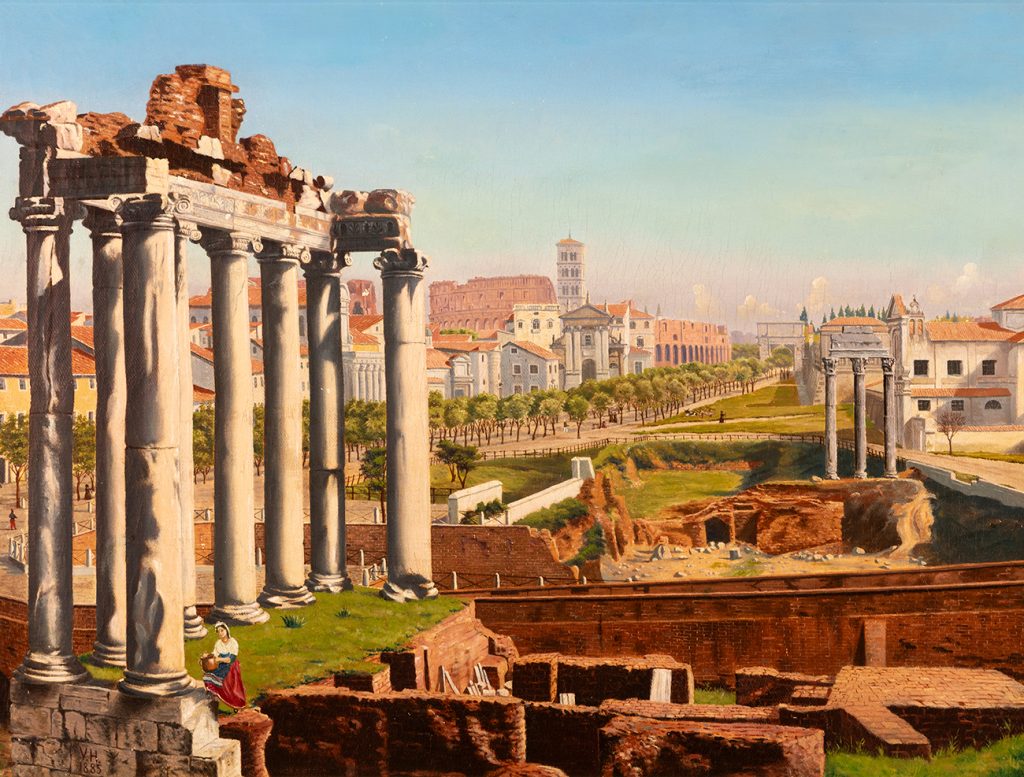
In an increasingly competitive and globalized market, the ability to identify the place represented in a work of art acts as a multiplier of economic, cultural and symbolic value. Landscape ceases to be background to become protagonist. Geography ceases to be a context and becomes a market argument. In short, art and geography form a positioning strategy.
And at this crossroads between art, territory and economy, one of the most interesting opportunities for the cultural sector is opening up.
Discover the landscapes and sites featured in the upcoming 19th and 20th Century Classics auction and find your favorites.
If you liked this article you may also be interested in: