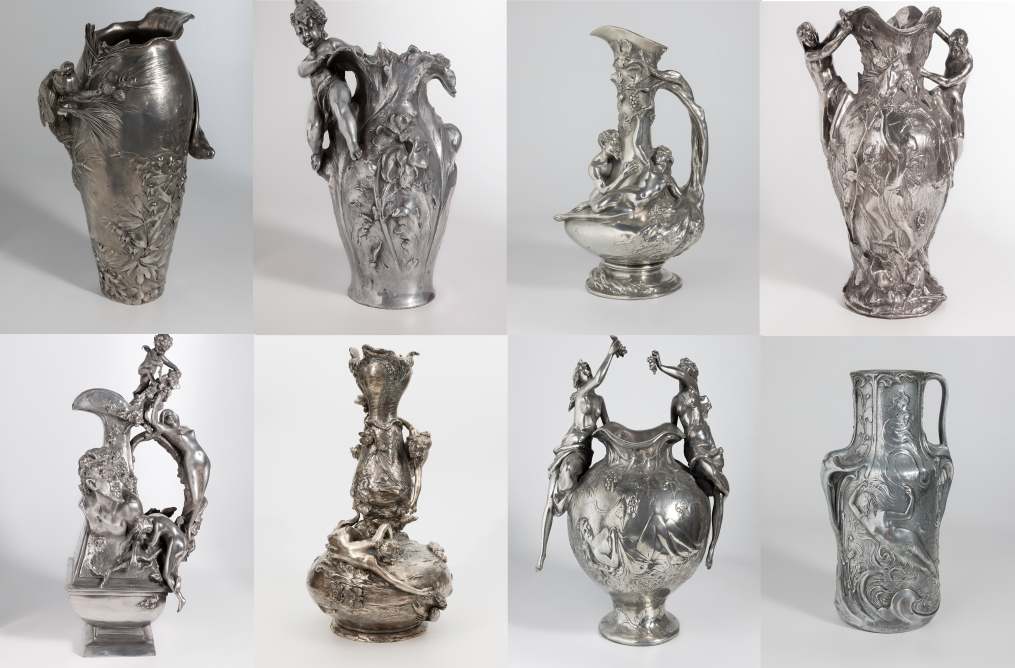
Assembled over five decades, between the 1950s and the turn of the millennium, by a discerning Belgian collector, this extraordinary collection of Art Nouveau vases is an exceptional testimony to the refinement and modernity that defined the Belle Époque.
Today, offered in its entirety by the heirs of the collector, the selection brings together pewter pieces signed by prominent artists from around 1900, many of them documented in the specialized bibliography, which embody like few others the fusion between beauty, functionality and artistic ambition typical of Art Nouveau. A unique opportunity to delve into one of the most fascinating chapters in the history of the decorative arts.
Art Nouveau and the spirit of an unrepeatable epoch
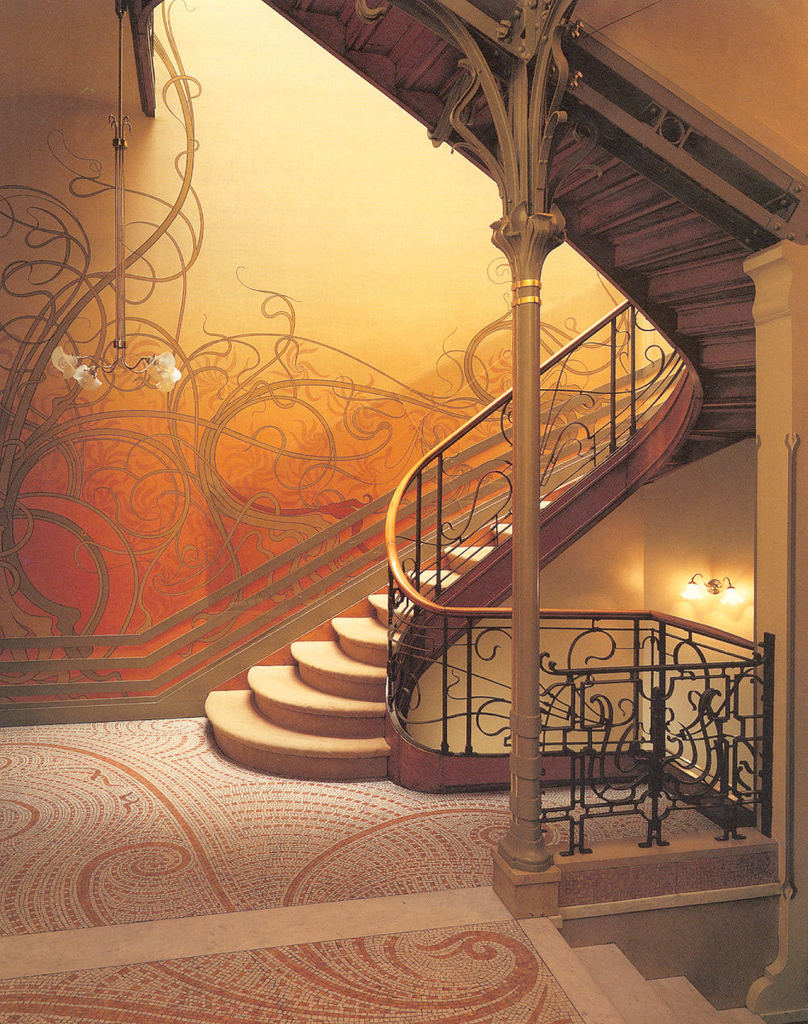
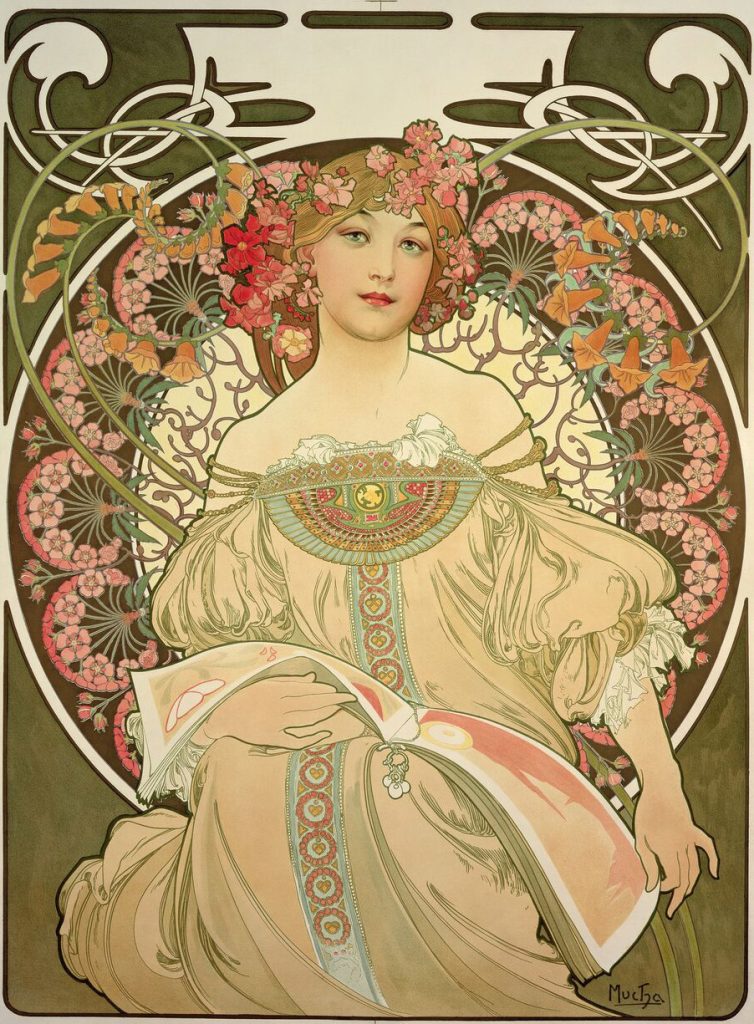
Art Nouveau was born at a time of profound social, cultural and technological transformations. In the transition from the 19th to the 20th century, Europe was experiencing a period of optimism and confidence in progress – the so-called Belle Époque – marked by industrial development, the expansion of cities and the emergence of a new urban bourgeoisie. In this context, art was called upon to play a renovating role: it had to respond to a new way of living, of inhabiting spaces and of relating to objects.
In contrast to the historicist styles that had dominated much of the 19th century, Art Nouveau proposed a conscious break with the past. Its aim was not to reinterpret old models, but to create a genuinely modern artistic language. Nature, observed with both a scientific and poetic gaze, became its main source of inspiration: stems, flowers, insect wings and organic forms were transformed into undulating lines and dynamic rhythms that defined an immediately recognizable aesthetic.
One of the fundamental principles of Art Nouveau was the aspiration for the unity of the arts. Architecture, painting, sculpture and decorative arts ceased to be understood as hierarchical disciplines and were integrated into a common ideal. The everyday object became a legitimate support for artistic creation, capable of expressing the sensibility of its author and the values of an era that aspired to reconcile art, technique and daily life.
Decorative arts as an expression of modernity
In this context, the decorative arts achieved unprecedented prominence. Vases, furniture, lamps and utilitarian objects were no longer conceived as simple complements but became central elements of the domestic environment. Each piece had to dialogue with the space and contribute to the creation of a harmonious environment, where beauty was part of the daily experience.
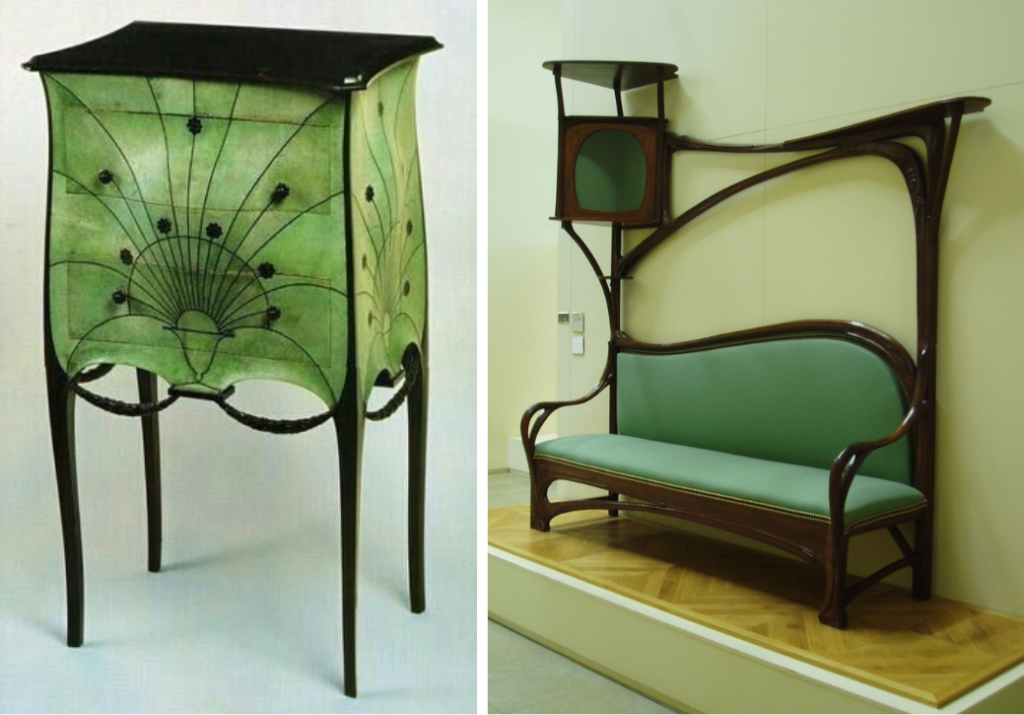
Art Nouveau thus elevated the status of the decorative object, giving the creator – artist, designer or craftsman – an essential role. The works began to be signed, exhibited and collected, placing them in a middle ground between art and design. This new consideration explains the extraordinary formal and technical quality of the objects produced around 1900, as well as their relevance and attractiveness for today’s collectors.
Art Nouveau pewter: matter, form and sculptural sensibility
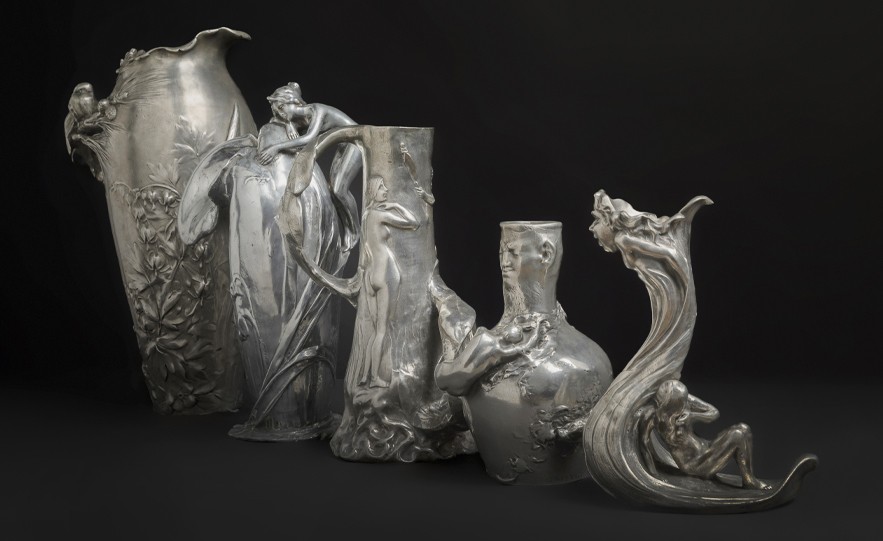
Within the decorative arts, pewter occupied a prominent place. A ductile, elegant and relatively accessible material, it allowed artists to explore complex volumes, delicate reliefs and richly modeled surfaces. Far from being a minor material, pewter became a privileged medium for transferring the formal and symbolic aspirations of Art Nouveau to the utilitarian object.
The vases of this period stand out for their balance between functionality and artistic ambition. Plant motifs, stylized female figures and organic compositions are integrated into forms that, without losing their practical use, clearly approach the field of sculpture. Signed by their authors, these pieces reflect a conception of the object as a complete work, designed to be contemplated from all angles.
A collection built with rigor and vision
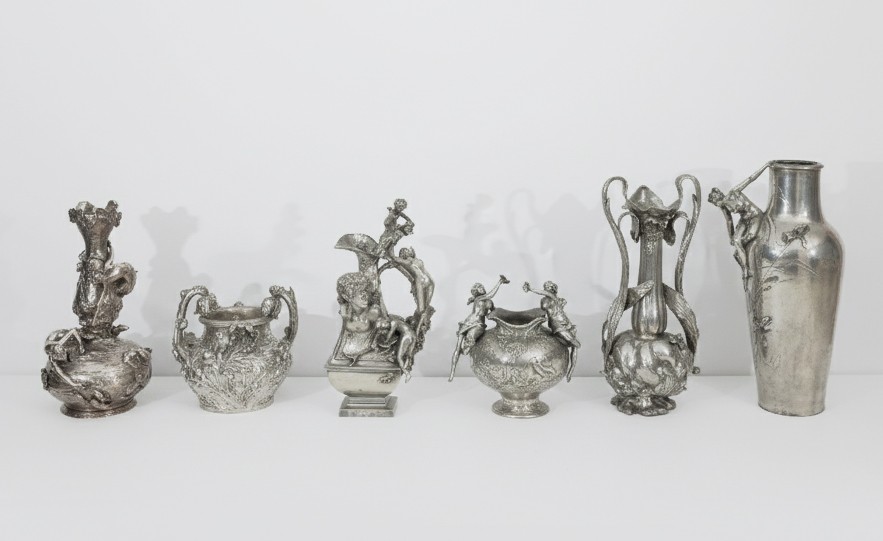
The exceptional nature of the collection being auctioned at Setdart lies not only in the individual quality of each vase, but also in its coherence as a whole. Patiently assembled between the 1950s and 2000 by a Belgian collector, this selection responds to an expert eye, attentive to both artistic excellence and the historical representativeness of Art Nouveau in the field of pewter.
The fact that the collection is presented today in its entirety, directly by the heirs of the collector, offers a rare opportunity to access a homogeneous corpus, built over decades with criteria and sensitivity. It is a collection that is not subject to passing fashions, the result of a profound knowledge and a passion sustained over time.
Academic recognition and heritage value
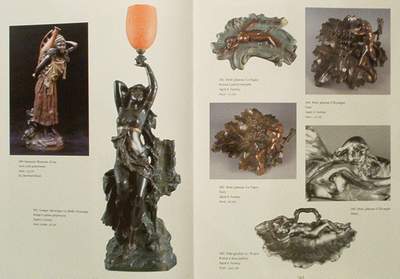
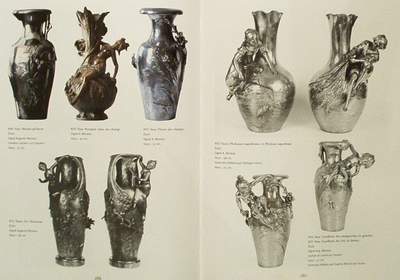
Numerous pieces from this collection are documented in Philippe Dahhan’s Étains 1900, 200 Sculpteurs de la Belle Époque (Les Éditions de l’Amateur, Paris, 2000), one of the reference publications for the study of artistic pewter around 1900. This inclusion reinforces the historical relevance and heritage value of the vases, placing them within a first-rate academic and museum framework.
Beyond their undoubted aesthetic appeal, these works are historical documents that provide a better understanding of the artistic and social aspirations of the Belle Époque.
Collecting Art Nouveau today
Today, Art Nouveau continues to arouse growing interest among collectors, institutions and lovers of the decorative arts. Its ability to unite beauty, innovation and historical significance makes it a particularly attractive field for those seeking pieces with identity and cultural depth.
The January 21, 2026 auction at Setdart offers an exceptional opportunity to incorporate high quality Art Nouveau vases, signed, documented and from a rigorously built collection. Works that embody the spirit of an era in which art aspired, perhaps as never before, to transform everyday life through beauty.