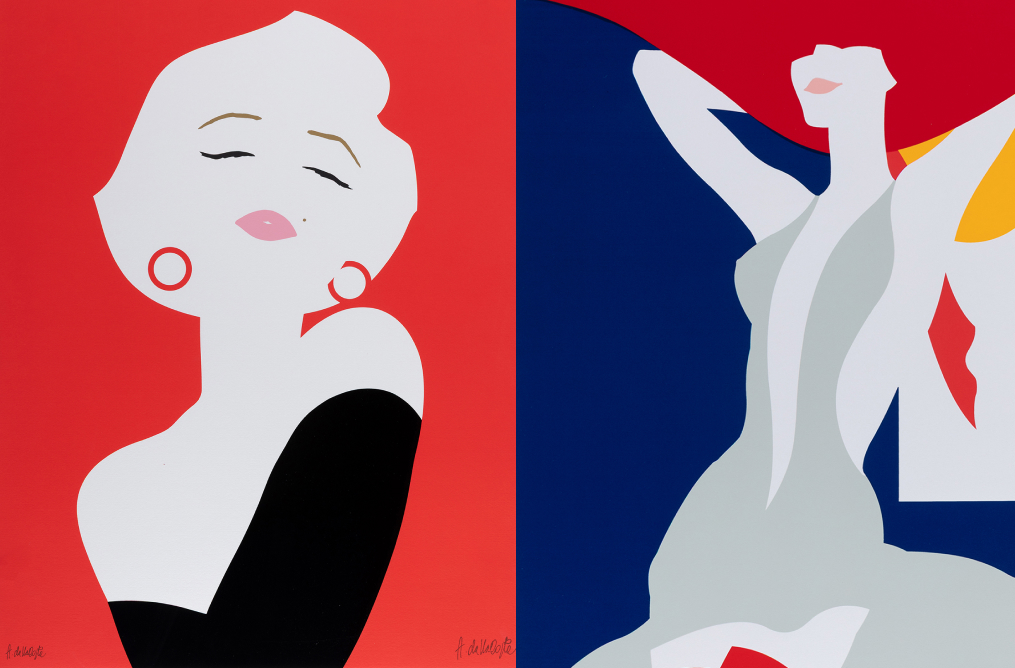
There are artists who create images. And there are artists who create a way of looking at the world. Amleto Dalla Costa belongs to the latter category. His work, recognizable for its stylized figures, vibrant colors, and unique sense of elegance, successfully combines the sophistication of modern art with an accessible, joyful, and deeply human aesthetic. For decades, his dynamic figures have traveled through galleries, private collections, and public spaces, becoming an example of how art can be contemporary without losing its ability to move people.
But behind those elegant, energetic figures lies a fascinating career: an artist who moved between painting, graphic design, photography, advertising, and fashion—disciplines that profoundly shaped his visual language.
Amleto Dalla Costa: An Italian Artist with an International Spirit
Amleto Dalla Costa was born in Italy in 1929, at a time when European art was undergoing one of its greatest transformations. The early decades of the 20th century had forever changed the way artistic creation was understood: movements such as Cubism, Futurism, and Surrealism had challenged traditional representation, while new forms of expression began to explore the relationship between image, society, and popular culture.
Within this context of profound renewal, Dalla Costa developed an artistic sensibility marked by the Italian tradition of drawing, compositional balance, and a constant fascination with the human figure. However, his vision never remained anchored in the past; on the contrary, he knew how to incorporate the new forms of visual communication that defined the second half of the 20th century, from graphic design to advertising and mass culture.
This combination of the precision of classical Italian drawing and the energy of contemporary imagery gave rise to a unique artistic language, situated in a highly personal space between artistic illustration, modern painting, and the visual aesthetics of his time. Amleto Dalla Costa understood that an image could be beautiful and sophisticated, yet also immediate, relatable, and capable of connecting with a broad audience.
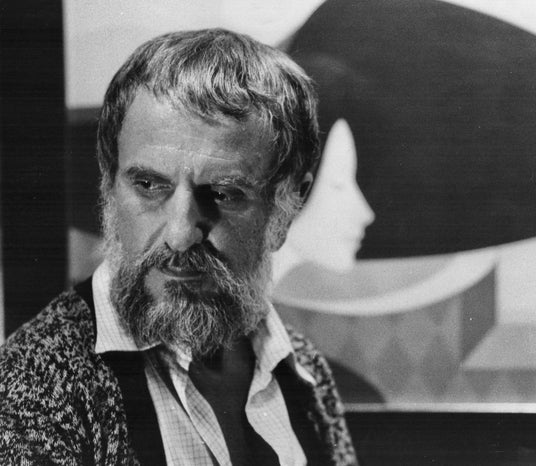
Amleto Dalla Costa’s visual signature: elegance, movement, and color
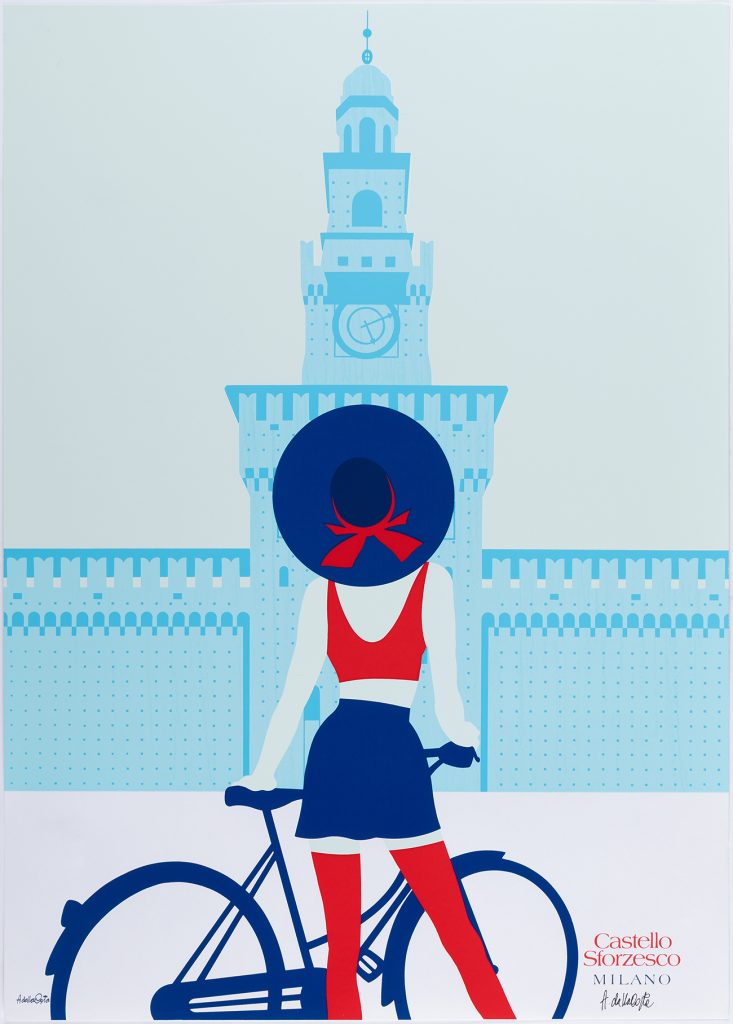
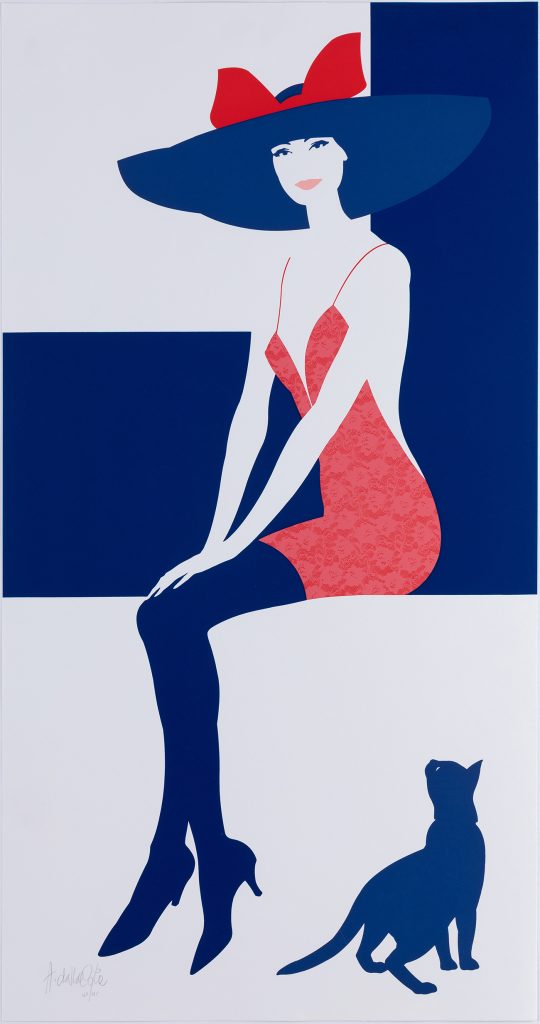
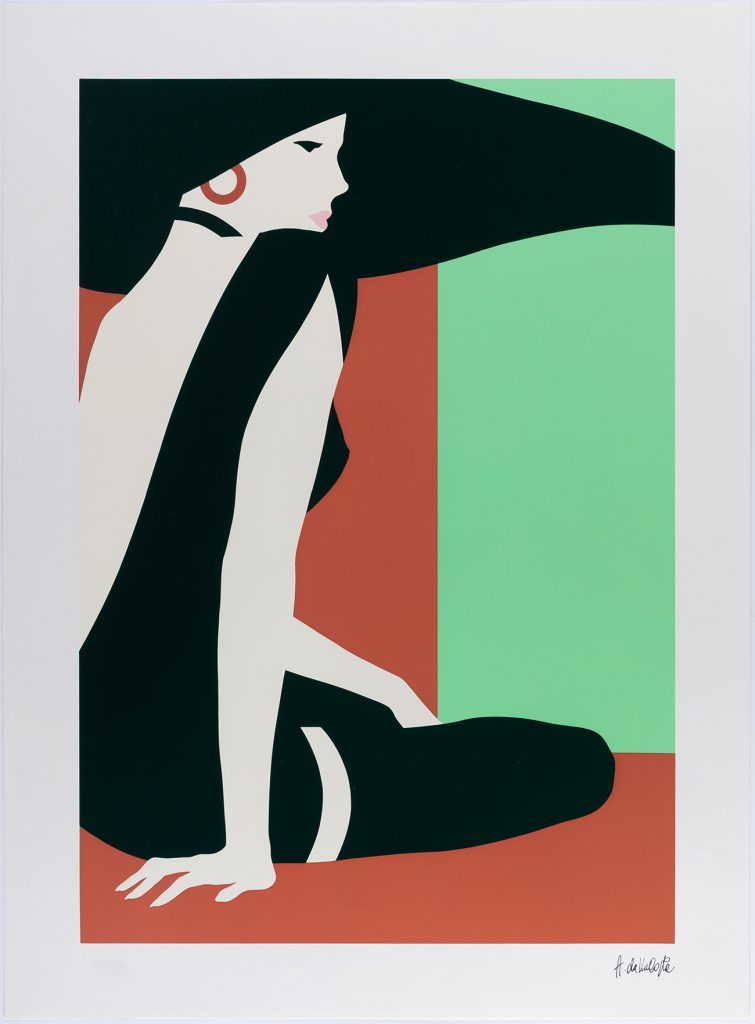
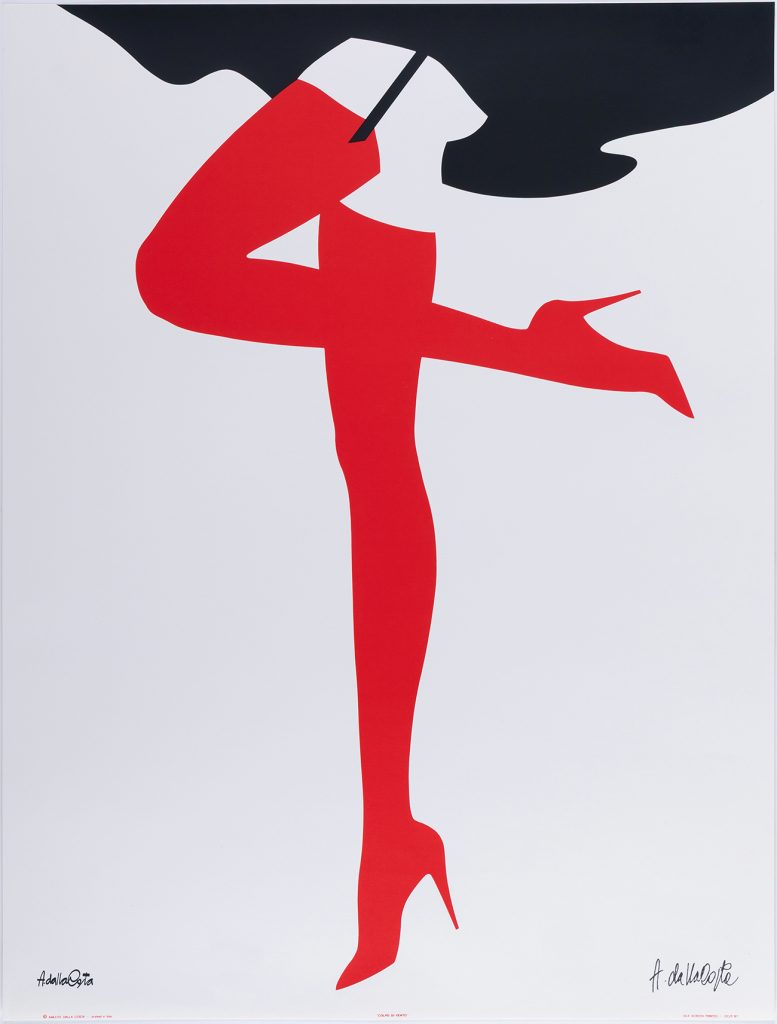
If there is one element that immediately defines Amleto Dalla Costa’s creative universe, it is, without a doubt, the human figure. His characters—elegant women, musicians, couples in motion, or protagonists of urban scenes—are depicted through elongated silhouettes, refined lines, and carefully studied gestures that lend them an almost theatrical presence.
Rather than depicting specific people, Dalla Costa sought to capture atmospheres and emotions: the rhythm of a city, the elegance of a moment, the energy of a conversation, or the sense of movement that precedes an action. His figures always seem on the verge of beginning a story, as if each work were a scene frozen for a few seconds within an imaginary film.
One of the great strengths of his work lies in his ability to convey so much with so few elements. Through a seemingly simple line, he manages to define a personality, suggest a movement, or create an entire atmosphere; color, for its part, functions not only as an aesthetic device but also as a narrative tool that brings rhythm, emotion, and character to the composition.
The result is a visual universe where Italian elegance, the influence of jazz, the sophistication of fashion, and the optimism of an urban culture that celebrated modernity coexist. His works seem to belong to an imaginary city brimming with music, style, and movement—a place where each character embodies a small story and every image retains the power to stir an emotion.
Amleto Dalla Costa and Pop Art: When the Image Becomes an Icon
To understand Amleto Dalla Costa’s significance, it is necessary to place him within the context of the major visual shift that transformed Pop Art during the second half of the 20th century.
Although he does not strictly belong to the historic core of American Pop Art represented by artists such as Andy Warhol, Roy Lichtenstein, or Claes Oldenburg, he shares with this movement a fundamental idea: the everyday image can become art. Like the great Pop Art artists, Dalla Costa understood the power of an image that is direct, recognizable, and capable of immediately connecting with the viewer. His work incorporates elements characteristic of mass visual culture: intense colors, simplified forms, references to graphic design, and an aesthetic reminiscent of poster art.
His creative universe draws on elements of the contemporary world—fashion, music, advertising, and urban life—and transforms them into compositions brimming with energy. Just as Warhol turned commercial products and popular icons into artistic symbols, Amleto Dalla Costa did something similar with scenes of everyday elegance: he transformed anonymous characters, musicians, and stylized figures into memorable images. His work thus serves as a bridge between two worlds that for a long time seemed separate: gallery art and popular visual culture.
From Graphic Design to Italian Fashion
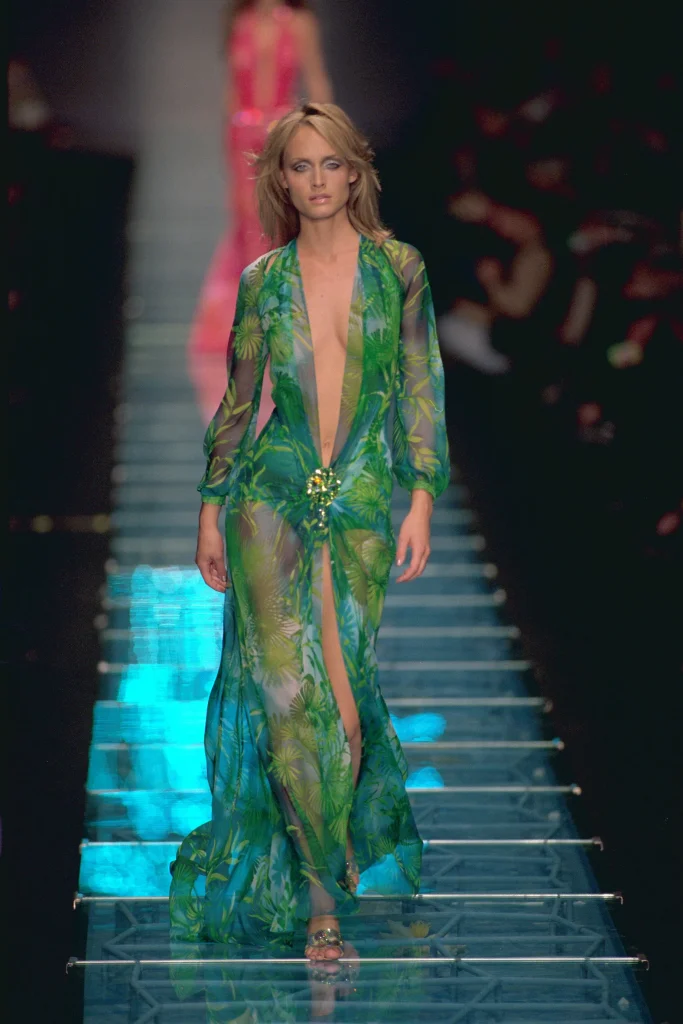
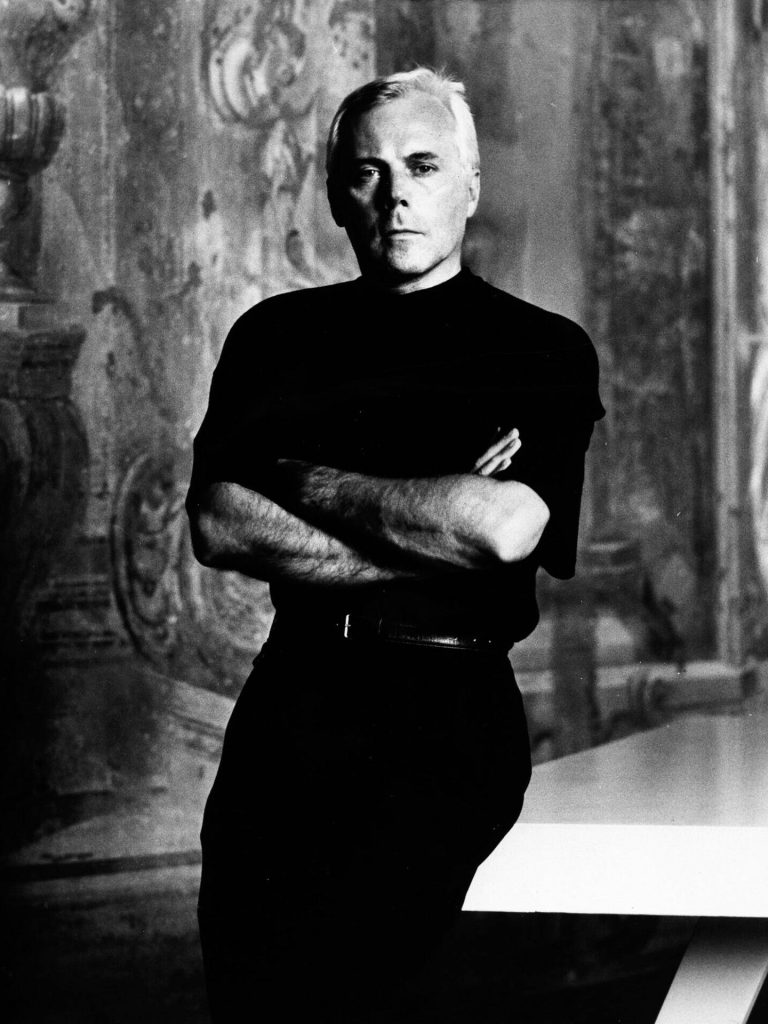
Before establishing himself as an artist, Amleto Dalla Costa was involved in the world of visual communication and design. This experience was essential to developing an understanding of the image based on clarity, visual impact, and the ability to convey an immediate emotion.
One of the most intriguing chapters of his career was the founding, in the 1950s, of the ARDACO (ARmani DAlla COsta) photography studio alongside a young Giorgio Armani, which specialized in fashion photography in Milan. That experience left a clear mark on his painting: a penchant for stylized figures, an emphasis on pose, and a conception of elegance deeply rooted in Italian fashion.
It is also interesting to note a conceptual link with designers such as Gianni Versace—not because of any documented direct collaboration, but because they share a common sensibility toward color, visual spectacle, and the transformation of the image into a symbol.
The Legacy of Amleto Dalla Costa
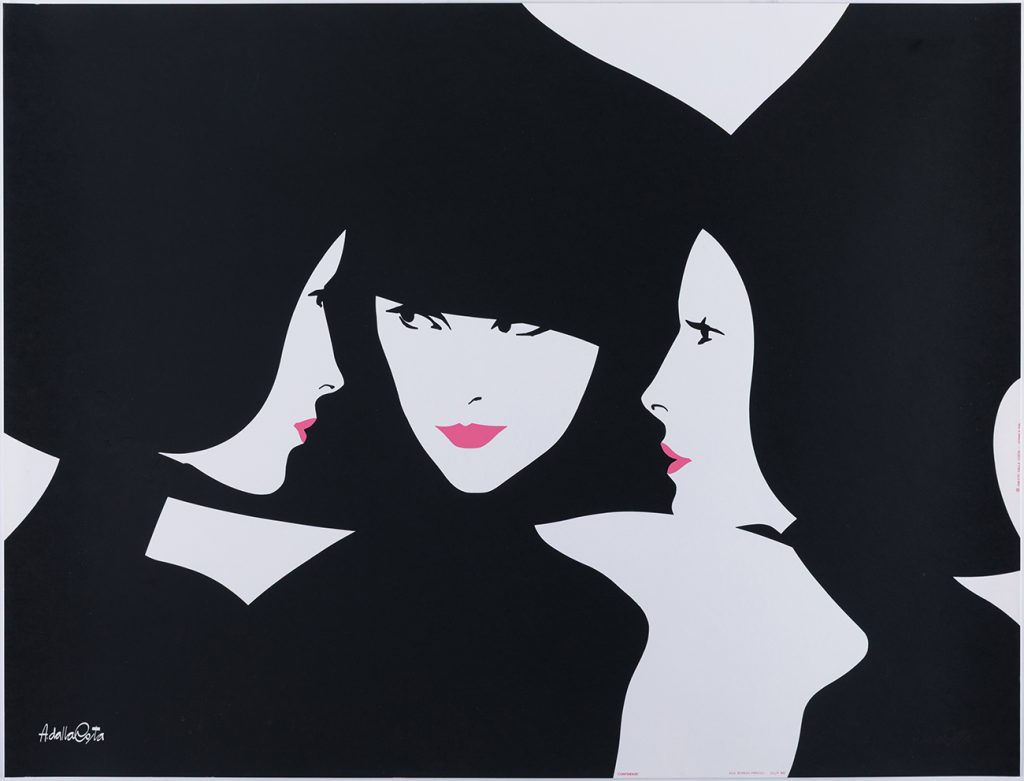
Amleto Dalla Costa didn’t just create characters; he built a visual universe of his own, where Italian elegance, Pop Art, the precision of graphic design, and a deep sensitivity to modern life coexist.
Through his stylized figures, his dynamic compositions, and his distinctive use of color, he managed to capture an attitude toward life marked by optimism, sophistication, and imagination. One of his most distinctive traits was his ability to move between different disciplines—painting, illustration, photography, and design—creating a language of his own that broke down the boundaries between art and visual culture.
This ability to integrate art, design, advertising, and fashion explains why Amleto Dalla Costa’s work continues to generate significant interest among collectors. At a time when visual culture occupies a central place in our society, his compositions retain their ability to connect with the viewer thanks to a recognizable, elegant, and deeply contemporary visual language.
We invite you to explore the catalog for the solo auction Amleto Dalla Costa: Italian Pop Art, which we will present on September 23 at Setdart. Immerse yourself in a collection marked by the pop aesthetic, vibrant colors, and depictions of the female figure that characterize this multidisciplinary artist.
If you liked this article, you may also be interested in: