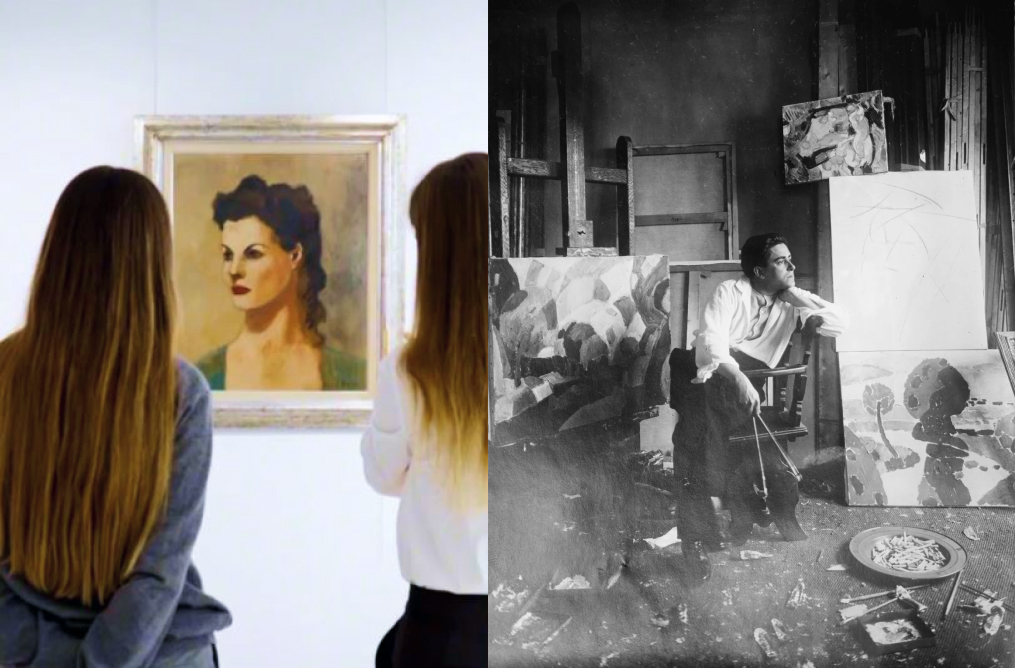
To speak of Francis Picabia is to invoke the great chameleon of the avant-garde, an artist who made contradiction his only homeland. Francis Picabia was a cubist, the driving force of Dadaism in New York and a convinced surrealist, but none of his phases has generated as much discomfort, debate and, finally, fascination as his production during the 1940s.
As Europe crumbled under the weight of World War II, Francis Picabia deliberately abandoned abstraction and intellectual experimentalism to embrace an aesthetic that many labeled “vulgar”: female portraiture inspired by the eroticism of mass-market magazines and the iconography of cinema.
Picabia and the rupture: kitsch as a Trojan Horse
For the critics of the time, this turn by Francis Picabia was interpreted as an incomprehensible rant: a drift towards an aesthetic of bourgeois taste and consumerist vocation that openly questioned the supposed depth and transcendence of modern art.
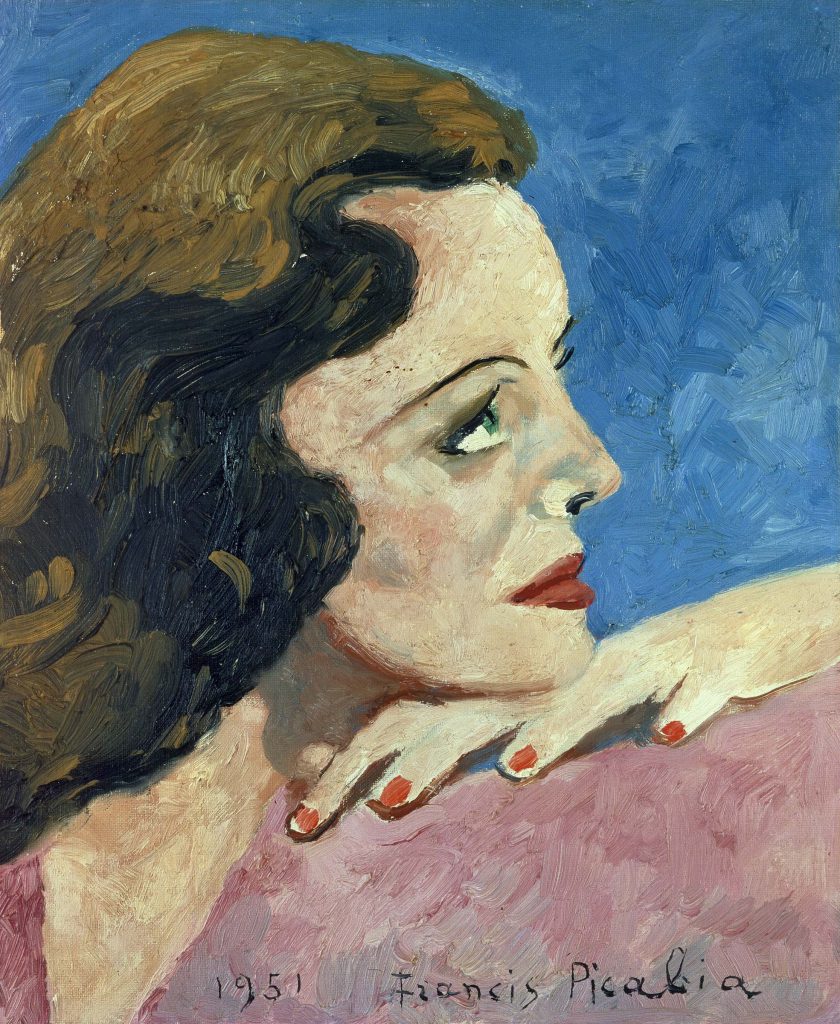
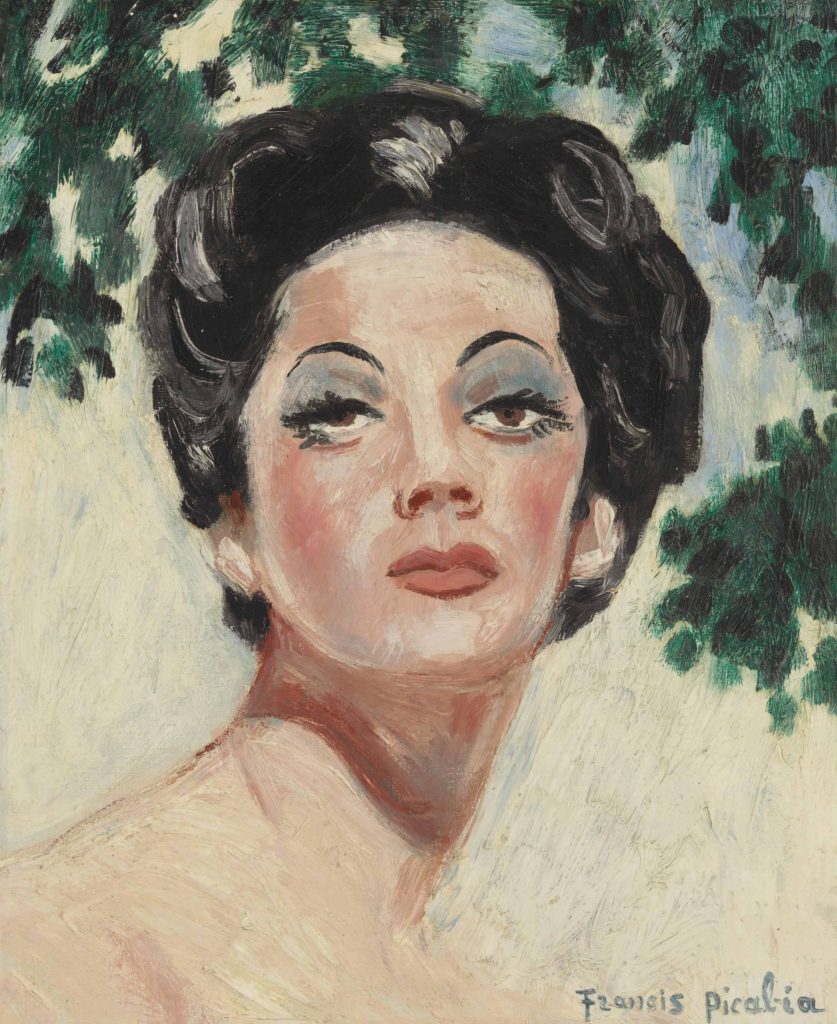
After decades of defying the conventions of the avant-garde, Picabia began to populate his canvases with women with languid gazes, excessively red lips and porcelain-perfect skins reminiscent of pulp fiction covers or trashy advertising cards. However, behind this apparently banal surface was hidden one of the most profoundly Dadaist gestures of Francis Picabia’s entire career.
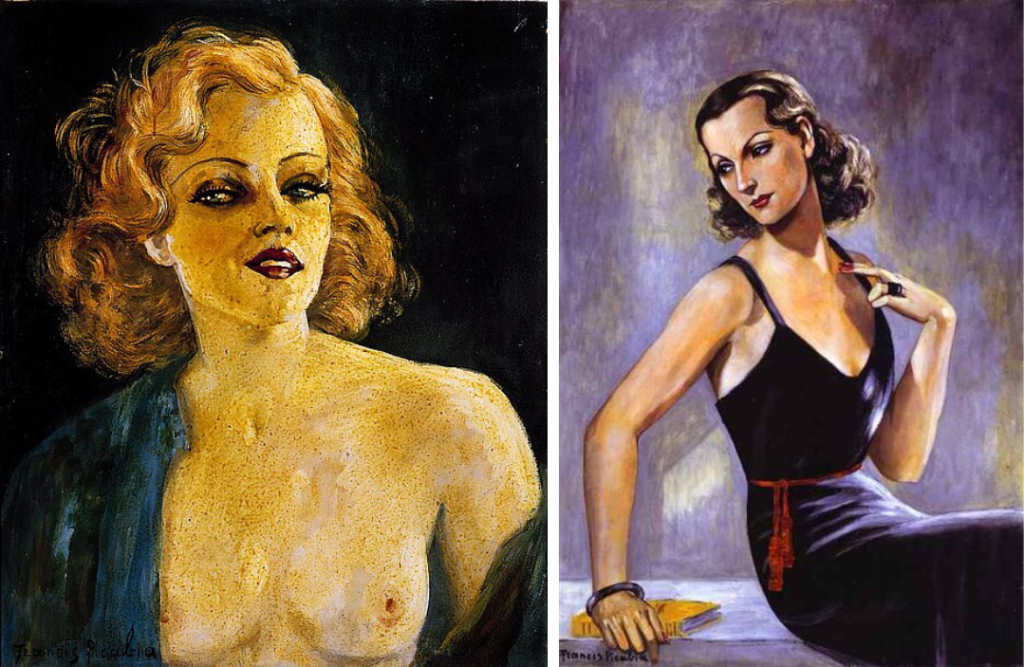
What Picabia was practicing was a subversion by saturation. At a time when modern art was becoming serious, institutional and almost sacred, Francis Picabia decided to inhabit the territory of “bad taste” in order to dynamite cultural hierarchies from within.
By using as a basis photographs from magazines such as Mon Paris or Paris-Sex-Appeal, Francis Picabia was not simply painting women; he was performing a cosmetic surgery on the history of art itself. With this gesture he eliminated at a stroke the sacred distinction between “High Culture” and mass culture.
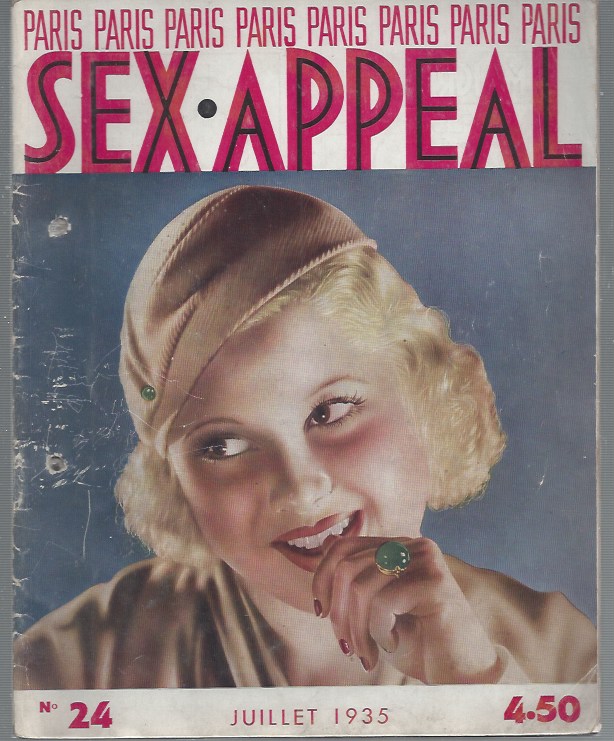
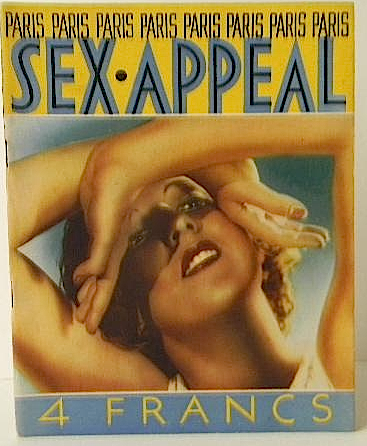
In these female portraits, the concept of the single object -that traditional oil painting that seeks transcendence- merges provocatively with the mass image of the magazine model reproduced a thousand times. Francis Picabia understood that, in the 20th century, the image no longer belonged to nature, but to consumption, and that the only way to remain radical was to betray the very purity of the avant-garde.
The aesthetics of the surface in the work of Francis Picabia
Anatomically, these portraits by Francis Picabia are exercises in extreme artificiality. The lights are dramatic and cinematic, mimicking studio spotlights rather than natural light, while the color palettes are electric, vibrant and deliberately strident.
These women are pure surfaces: there is no psychology or soul-searching in them, but desire, artifice and representation. Francis Picabia defended that art was the only activity that allowed the individual to manifest himself with absolute freedom, and for him that freedom included the right to be “superficial” if by doing so he could escape from dogmas.
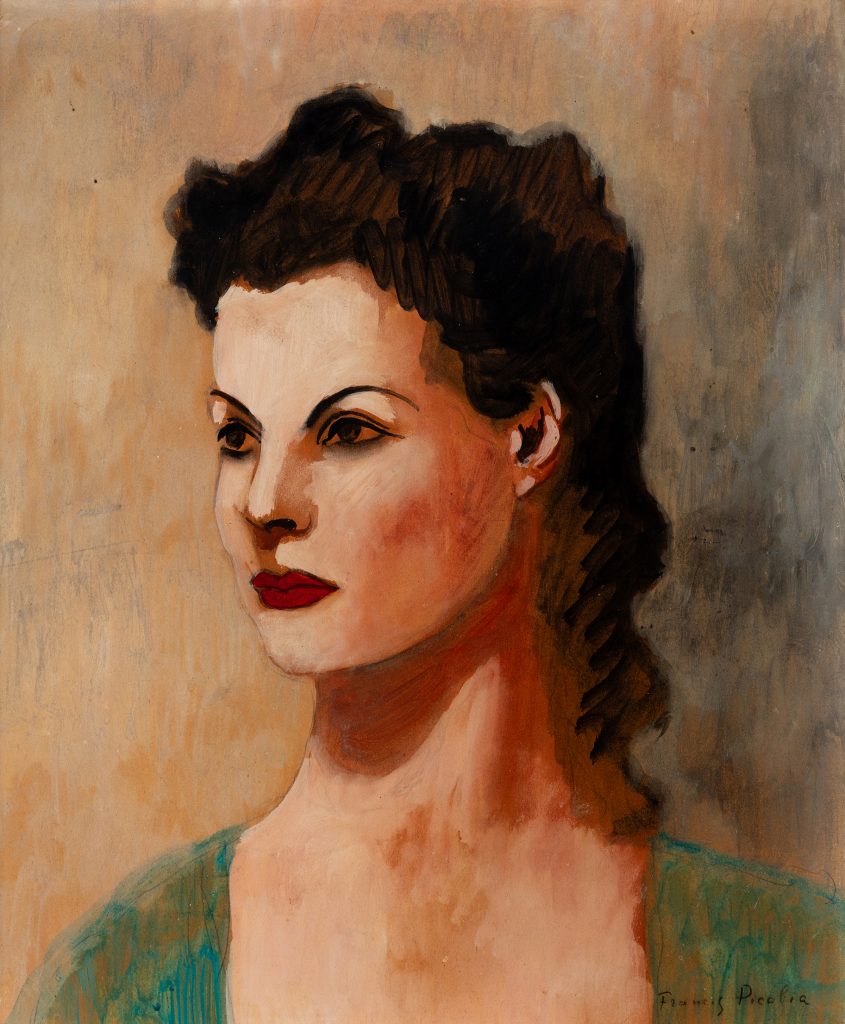
While many of his contemporaries sought refuge in political commitment or exile, Francis Picabia immersed himself in a hedonistic aesthetic that functioned as a veritable Trojan horse. By painting women who seemed deliberately “fake,” he questioned what remained real in a world that was destroying itself.
This turn toward what the artist himself called “Super-Art” was a real slap in the face of institutional snobbery. If the museum was beginning to accept the Dadaism of the 1920s as a historical relic, Francis Picabia responded with something the museum of 1940 could not digest: kiosk eroticism.
It was an outright refusal to become a living monument of modern art. Francis Picabia did not want to be a classic of the avant-garde; he preferred to remain a foreign body, impossible to classify.
From Francis Picabia to Pop Art: the seed of a revolution
The influence of this period of Francis Picabia on Pop Art is today unquestionable, although for decades it was considered simply a “detour” in his career.
Francis Picabia was one of the first artists to understand that painting could feed on the iconography of consumption. By appropriating pre-existing images mediated by the printing press, he laid the foundations for what artists such as Richard Hamilton, Andy Warhol or Roy Lichtenstein would develop years later.
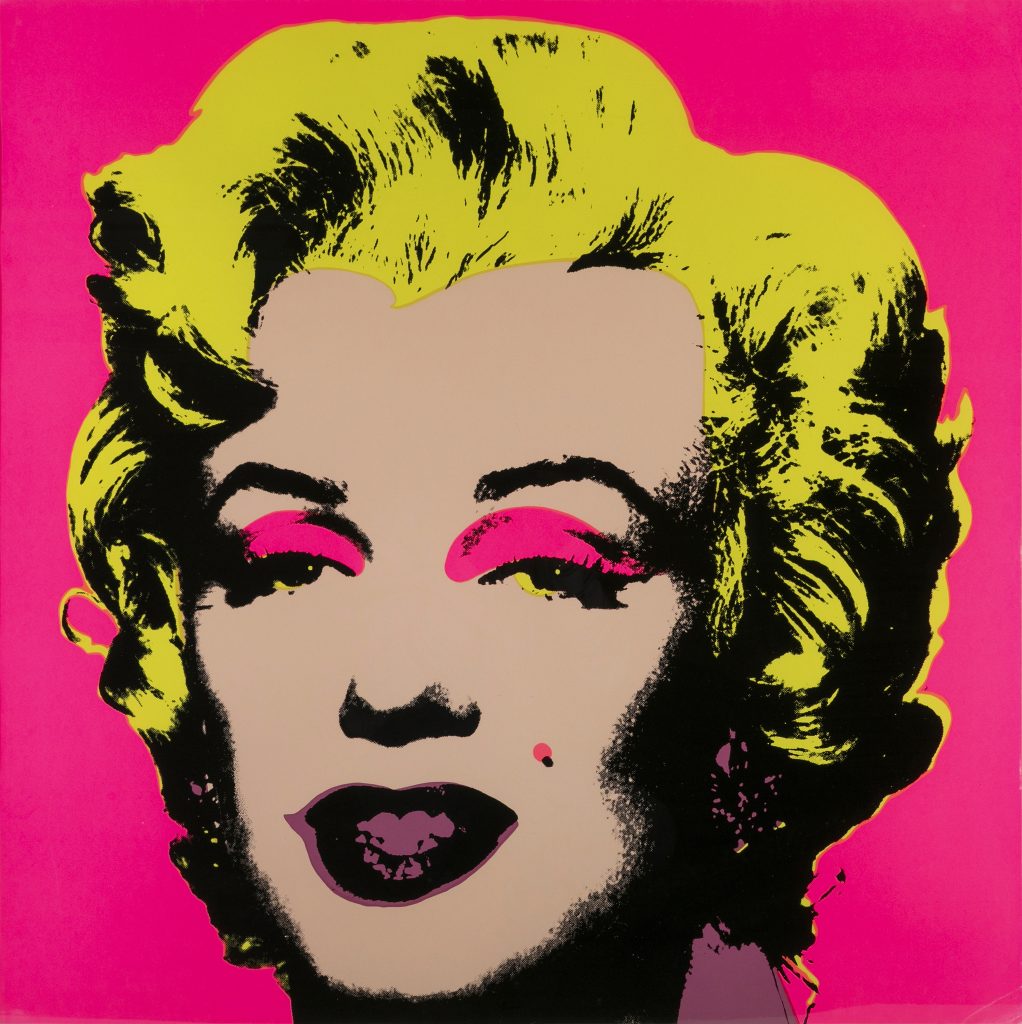
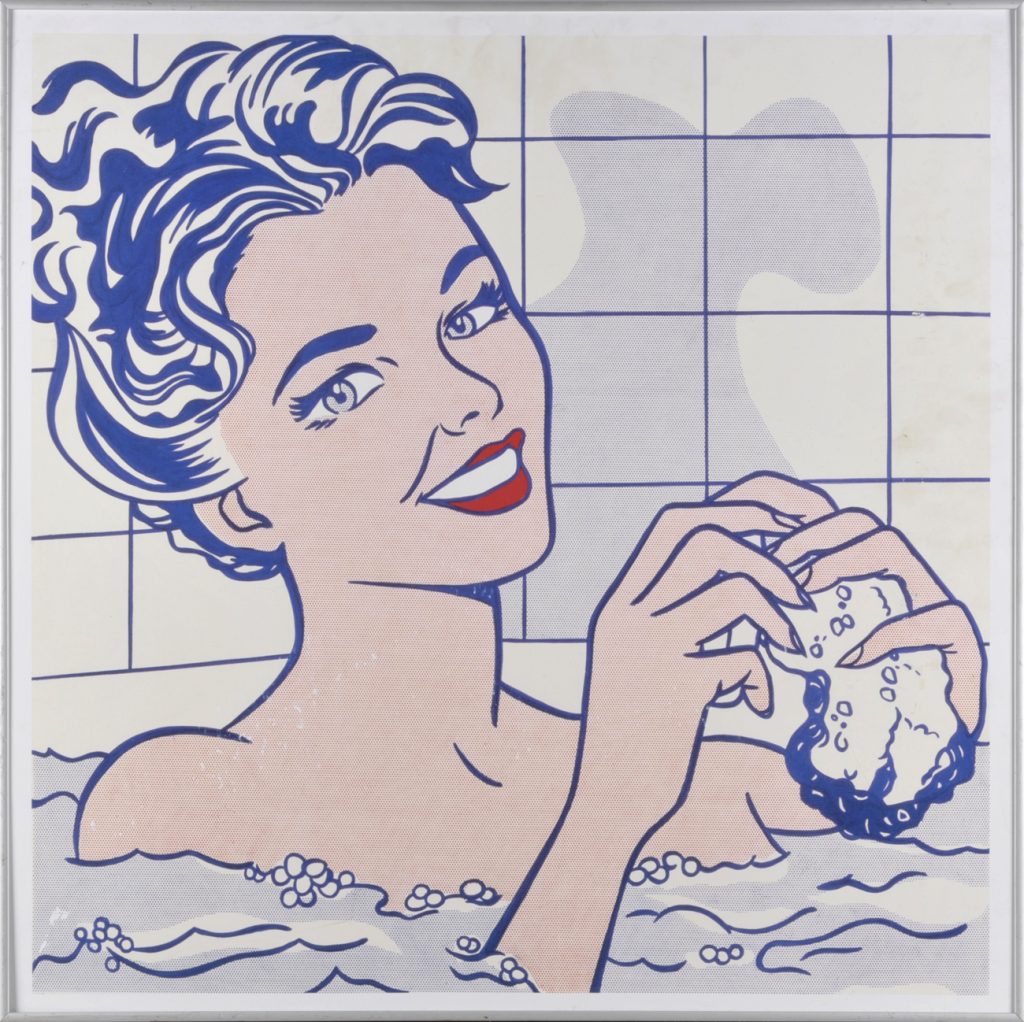
Just as Warhol would elevate the soup can or Marilyn Monroe’s face to icon status, Francis Picabia elevated the cheap magazine pin-up to museum canvas.
He thus anticipated a central idea of the art of the second half of the twentieth century: that the artist would no longer be solely a creator of new forms, but also an editor of existing images. His use of flat colors, sharp contours, and a technique that concealed the brushstroke to mimic mechanical reproduction established a direct bridge to the advertising aesthetic that would define the 1960s.
The rediscovered legacy of Francis Picabia
For decades, these works by Francis Picabia were relegated to the margins, considered a blot on his resume. However, in the 1980s artists like Sigmar Polke or Jeff Koons rediscovered in them a radical intuition: the seed of postmodernism.
The contemporary fascination with kitsch and banal beauty stems directly from Francis Picabia’s courage. Today we understand that there was no loss of technical expertise, but a refined execution in the service of irony.
Francis Picabia used his virtuosity to capture the coldness of glossy paper, demonstrating that a true artist is one who dares to sacrifice his intellectual prestige to explore absolute freedom.
His women with fiery lips and celluloid gazes are not an aesthetic retreat, but his boldest proclamation: proof that the true avant-garde does not reside solely in form, but in insubordination to what the world expects of a genius.
We invite you to discover this portrait by Picabia from the 1940s and to immerse yourself in the richness of Contemporary Art patent in the catalog of the auction on March 19.
If you liked this article you may also be interested in: